











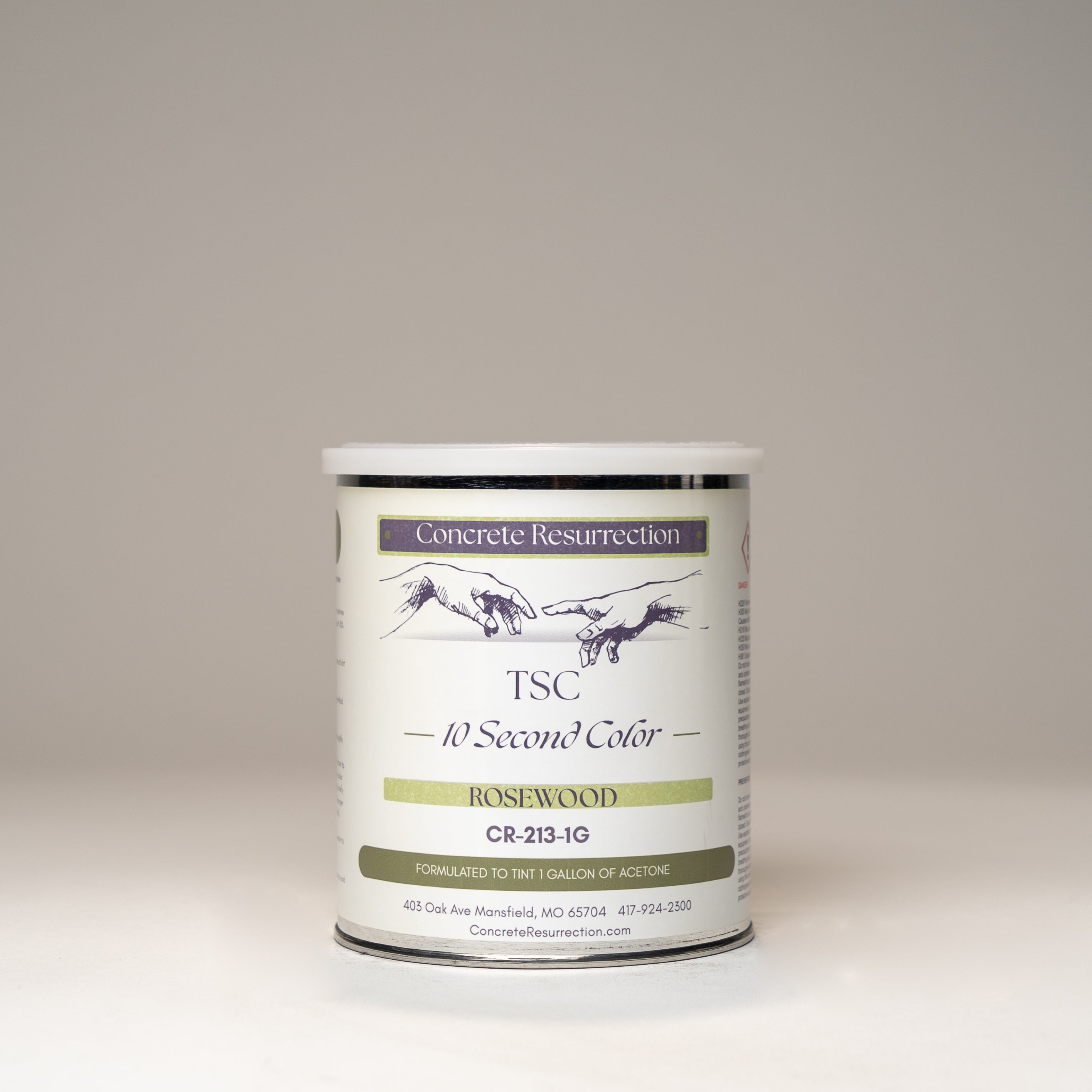
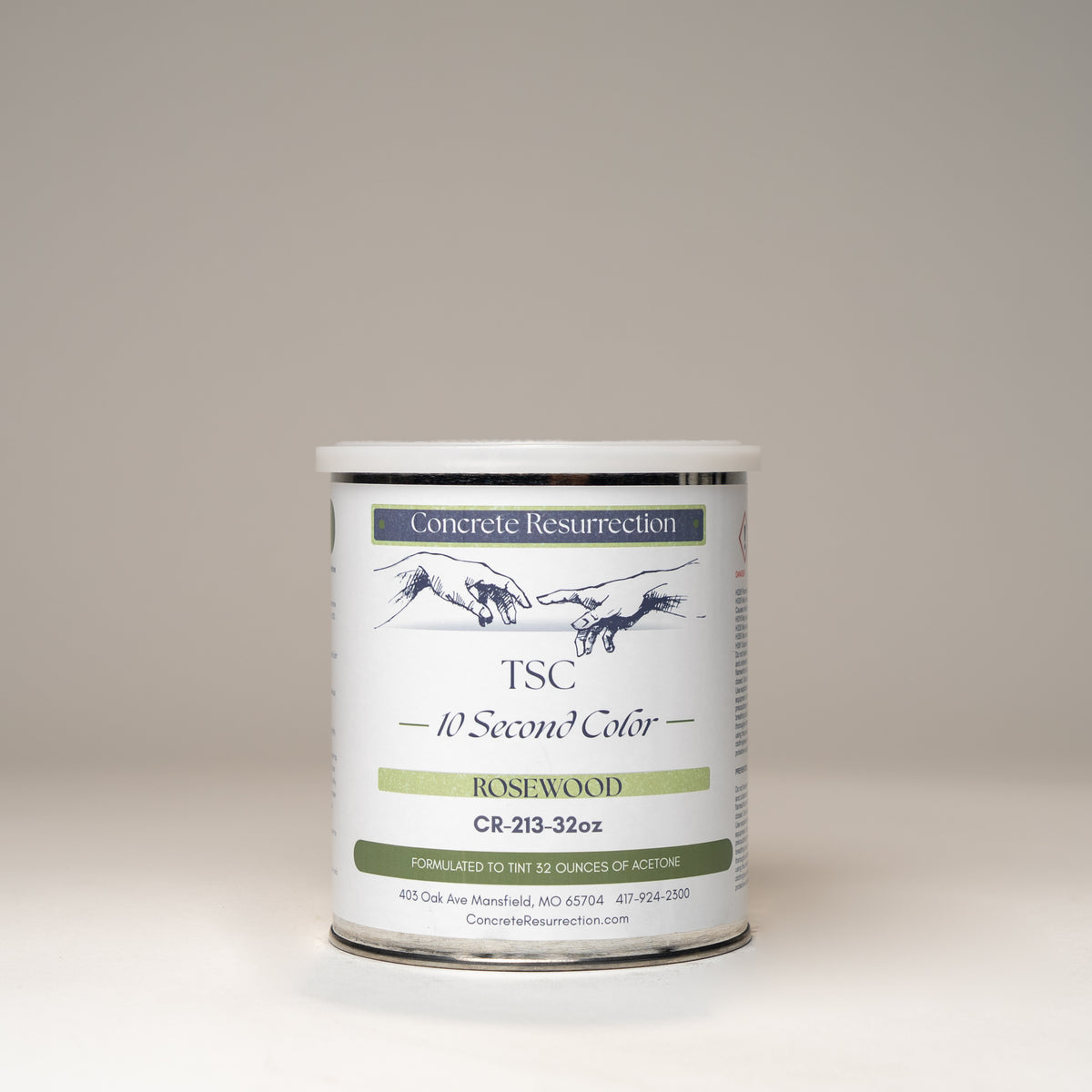
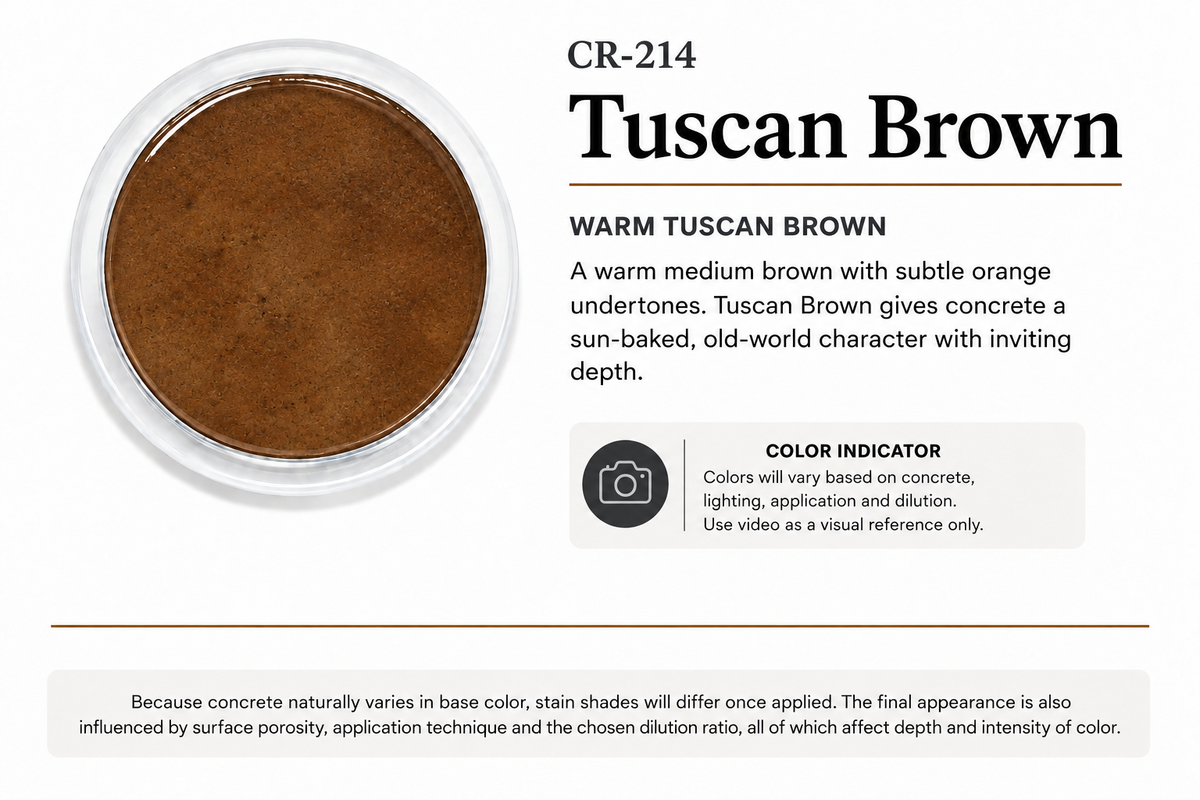










Ten Second Color Acetone Based Stain
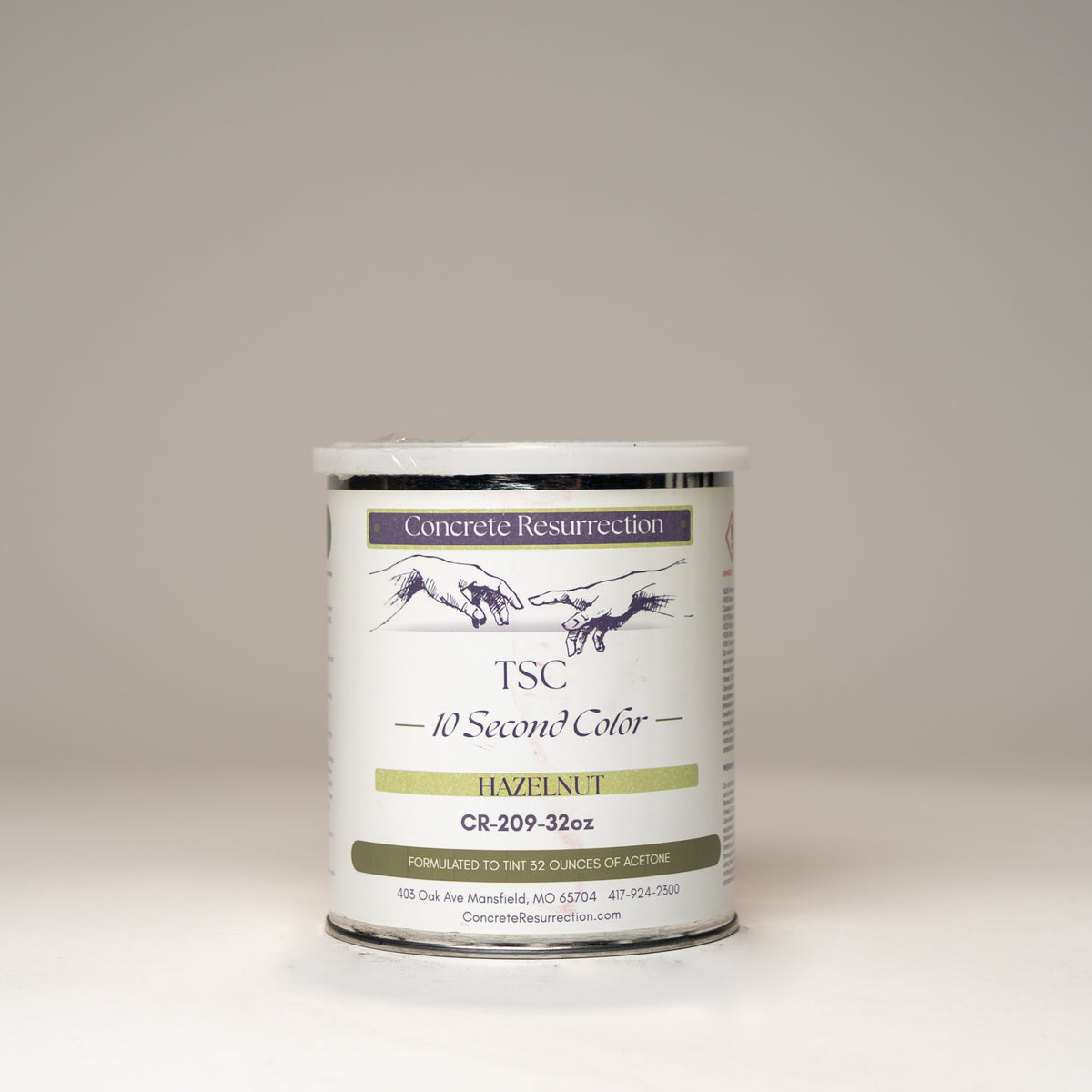
Ten Second Color™ Acetone-Based Concrete Stain
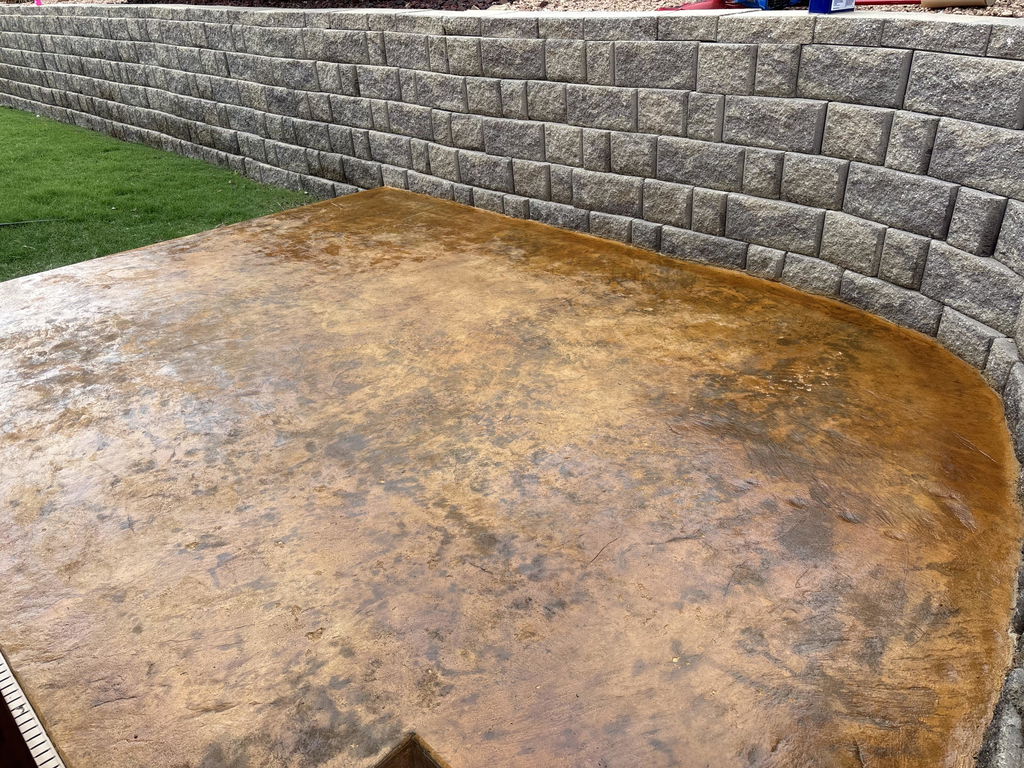
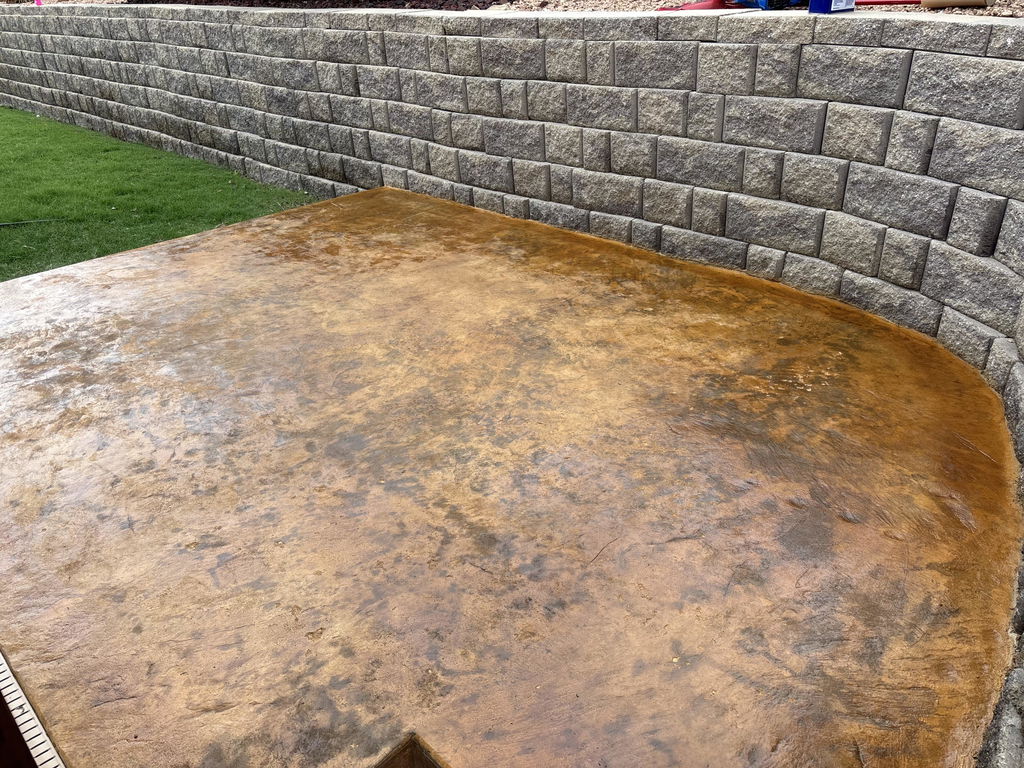
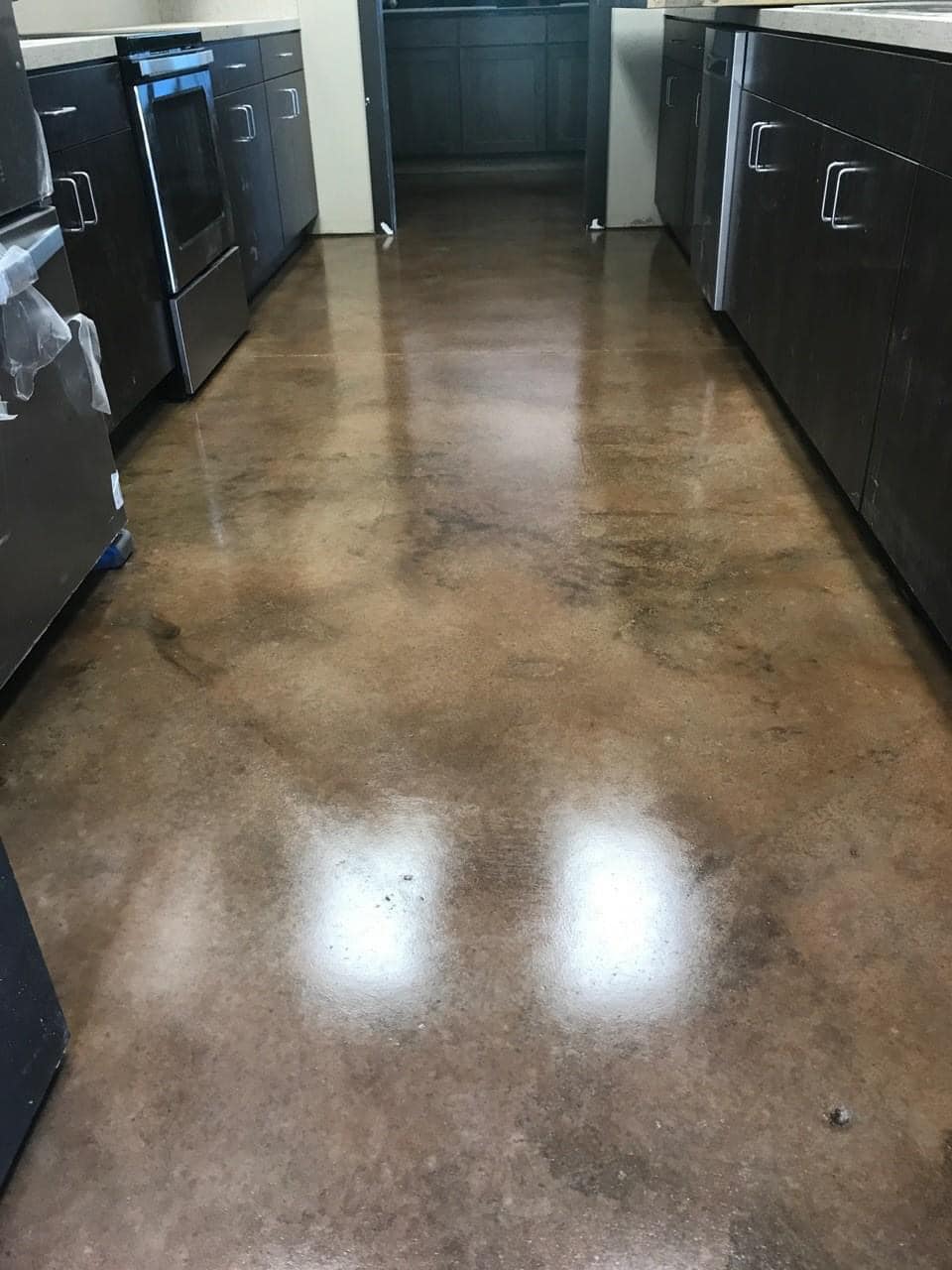
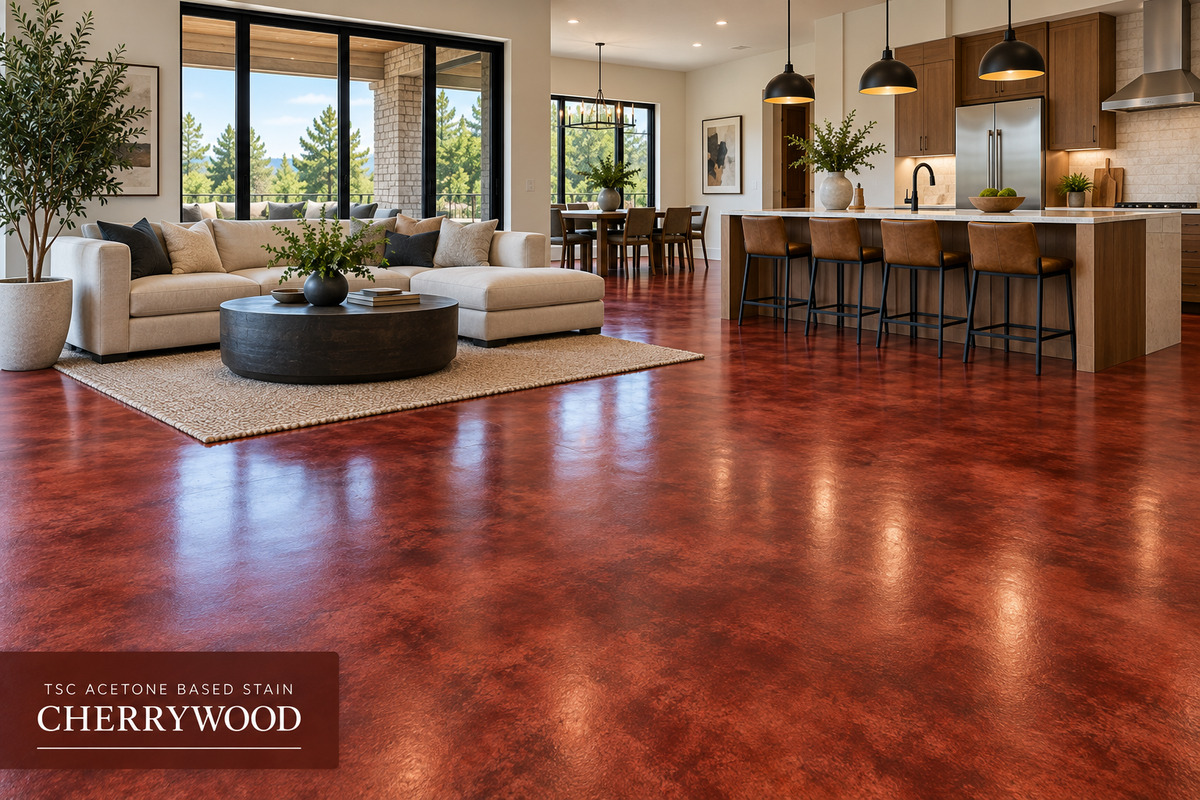
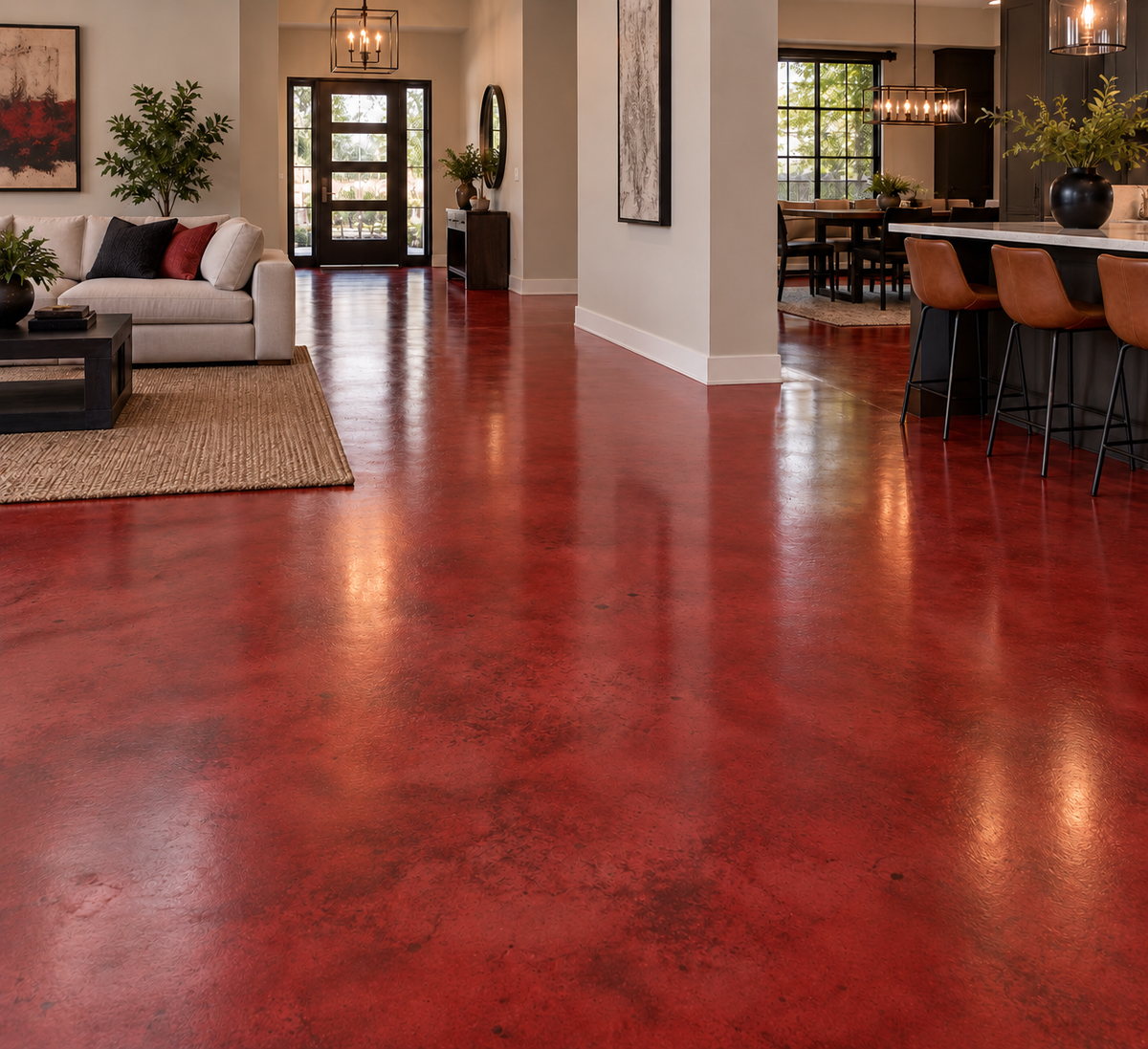
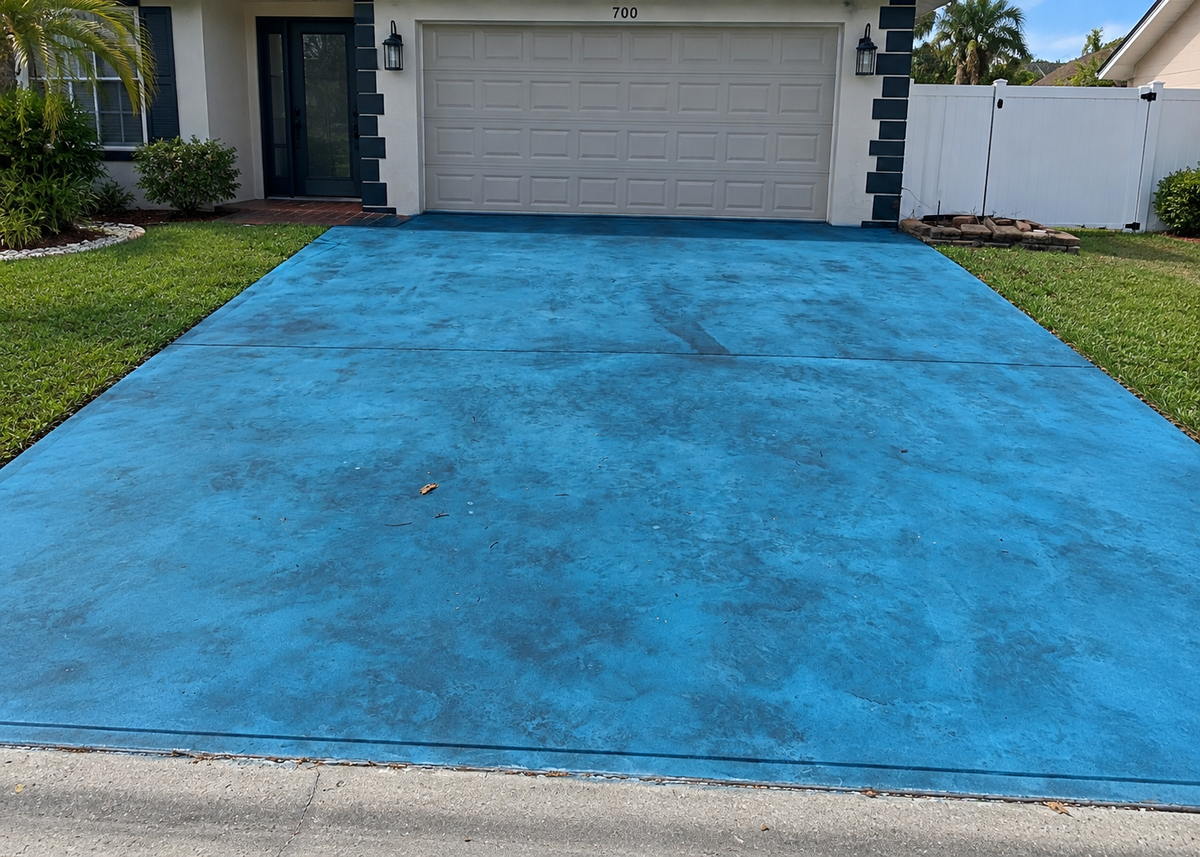
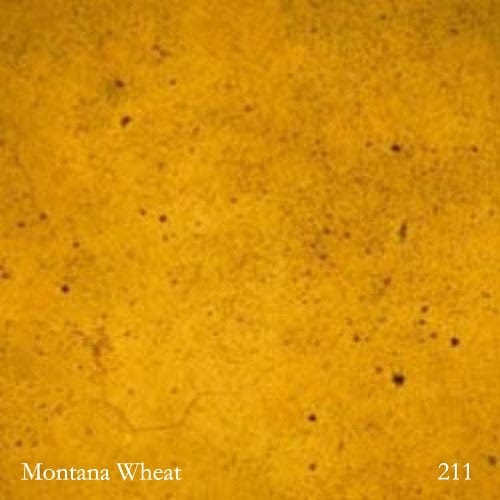
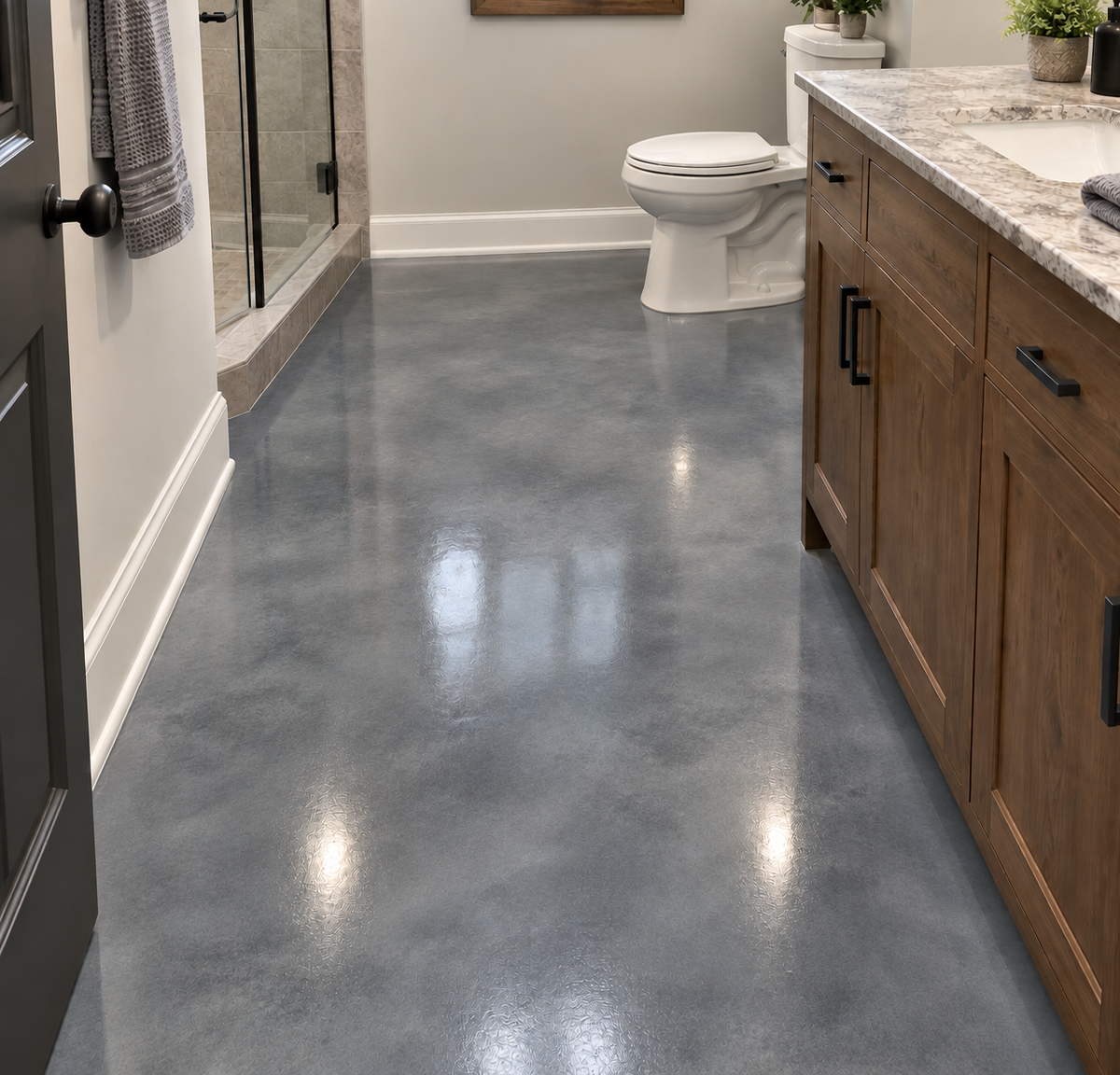
Create rich, professional-looking color in seconds with Ten Second Color™ (TSC) Acetone-Based Concrete Stain. This fast-drying, penetrating concrete dye produces beautiful translucent, mottled color similar to acid stain—without waiting for a chemical reaction.
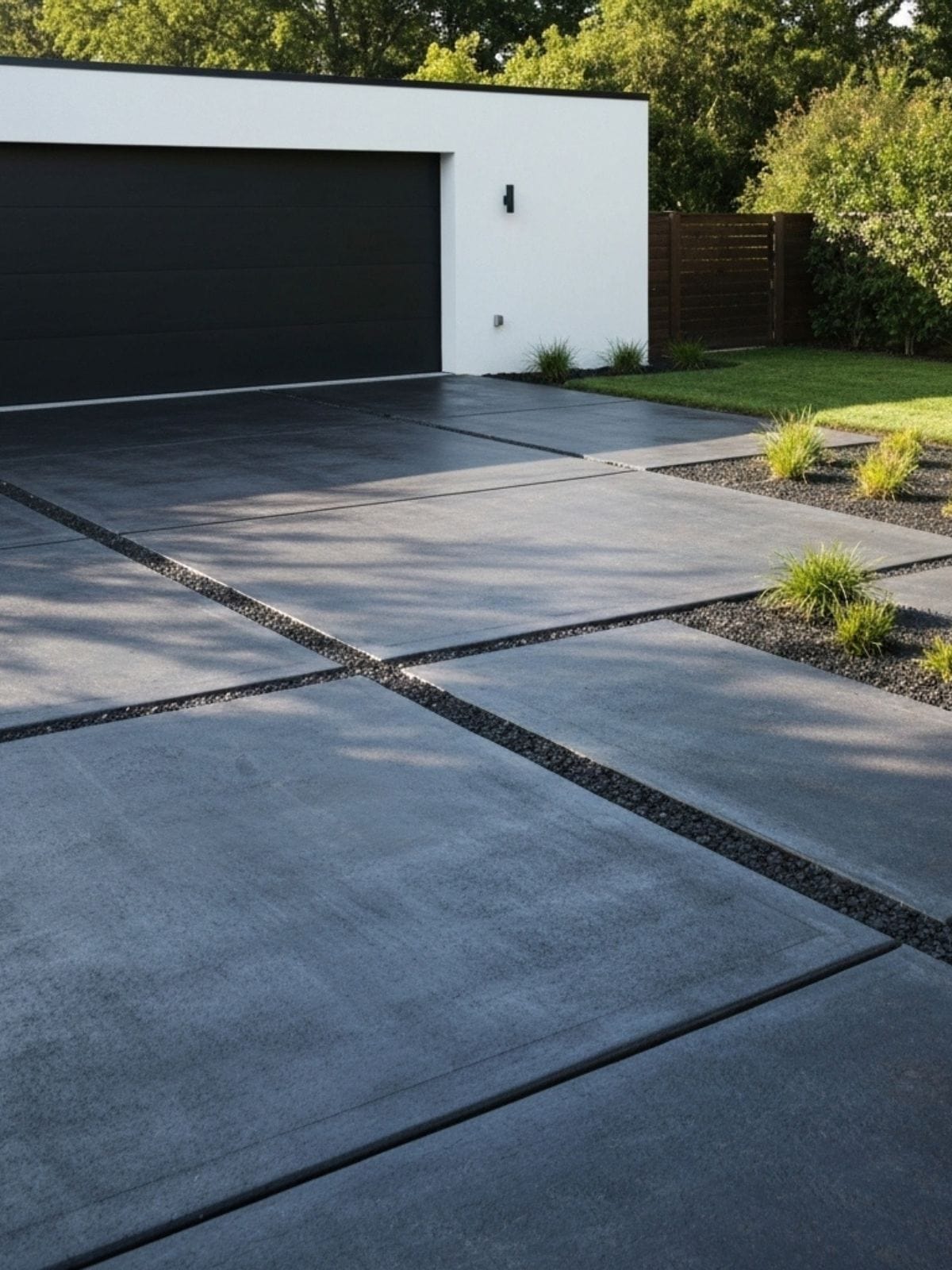
TSC penetrates properly prepared concrete and dries quickly, making it an excellent choice for decorative concrete floors, patios and other cementitious surfaces. Colors can be applied individually, layered or blended to create custom effects with depth and natural variation.
Why Choose Ten Second Color?
-
Fast-drying color in seconds
-
Creates mottled, acid-stain-like effects
-
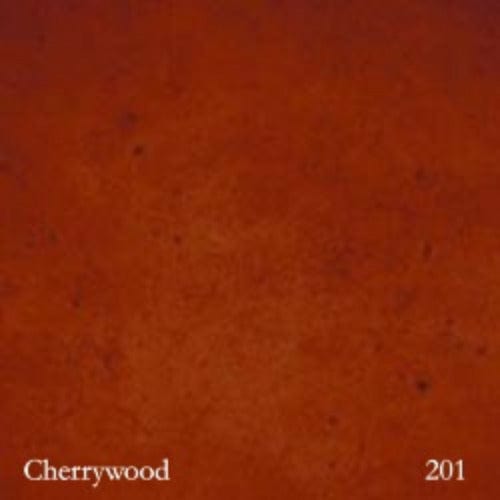
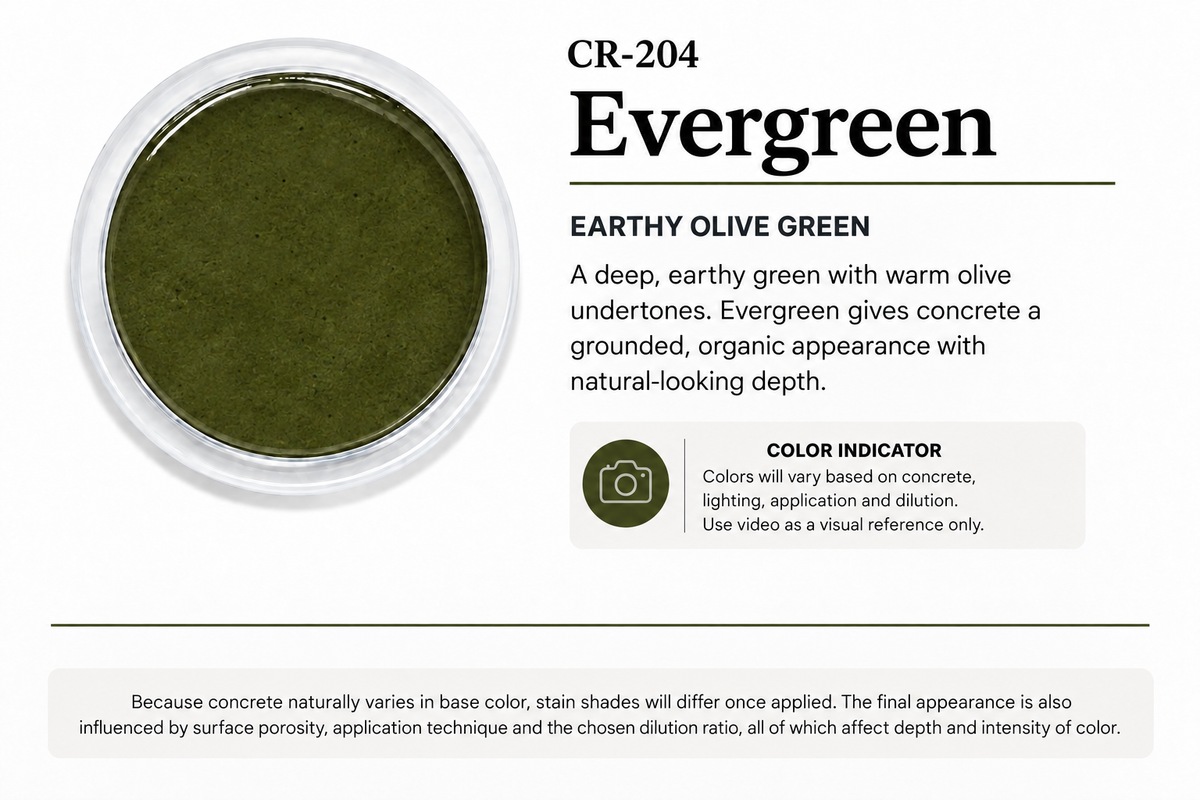
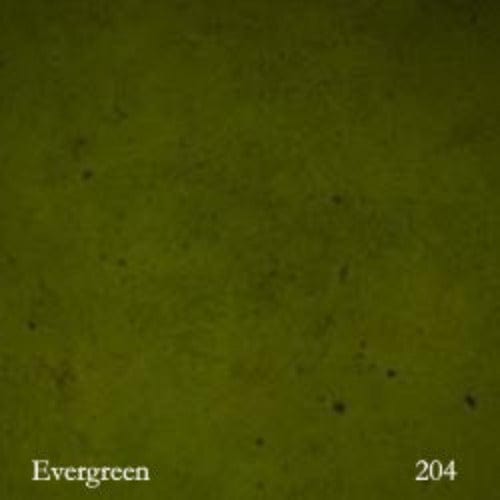
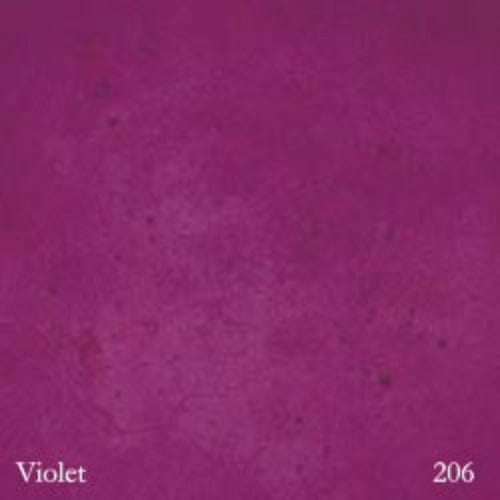
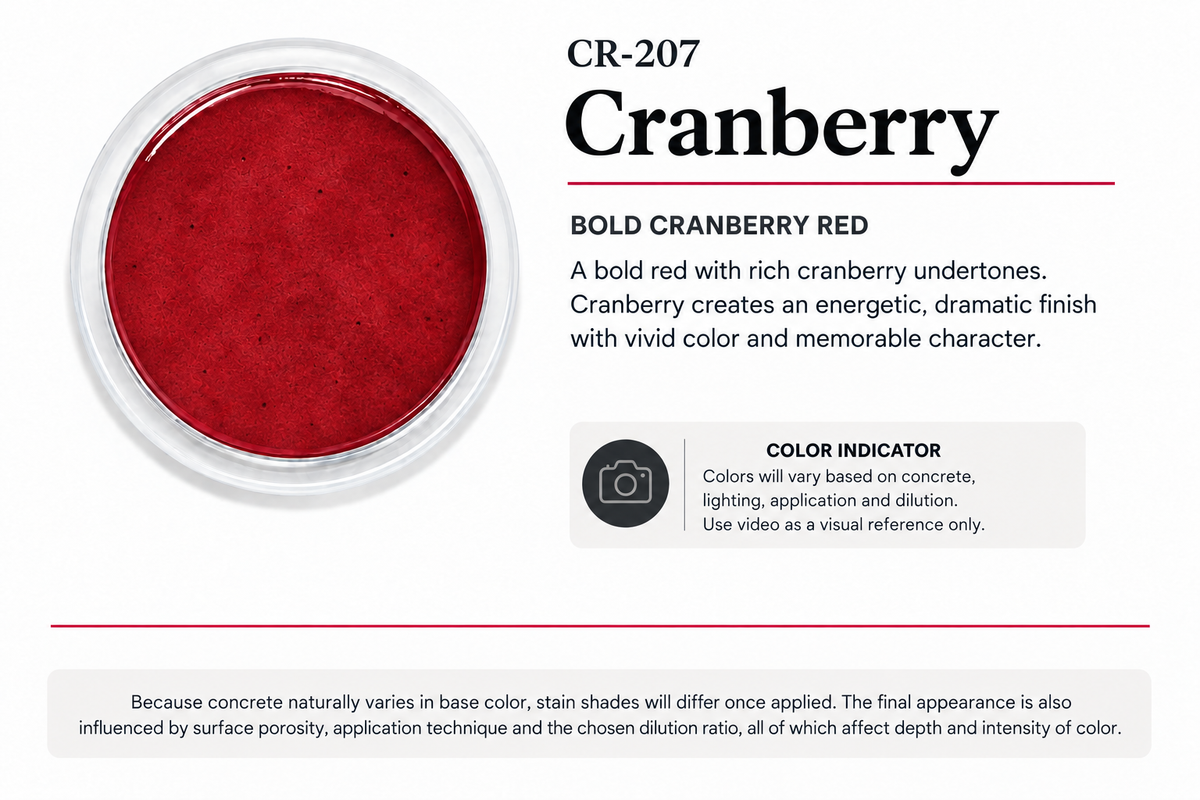
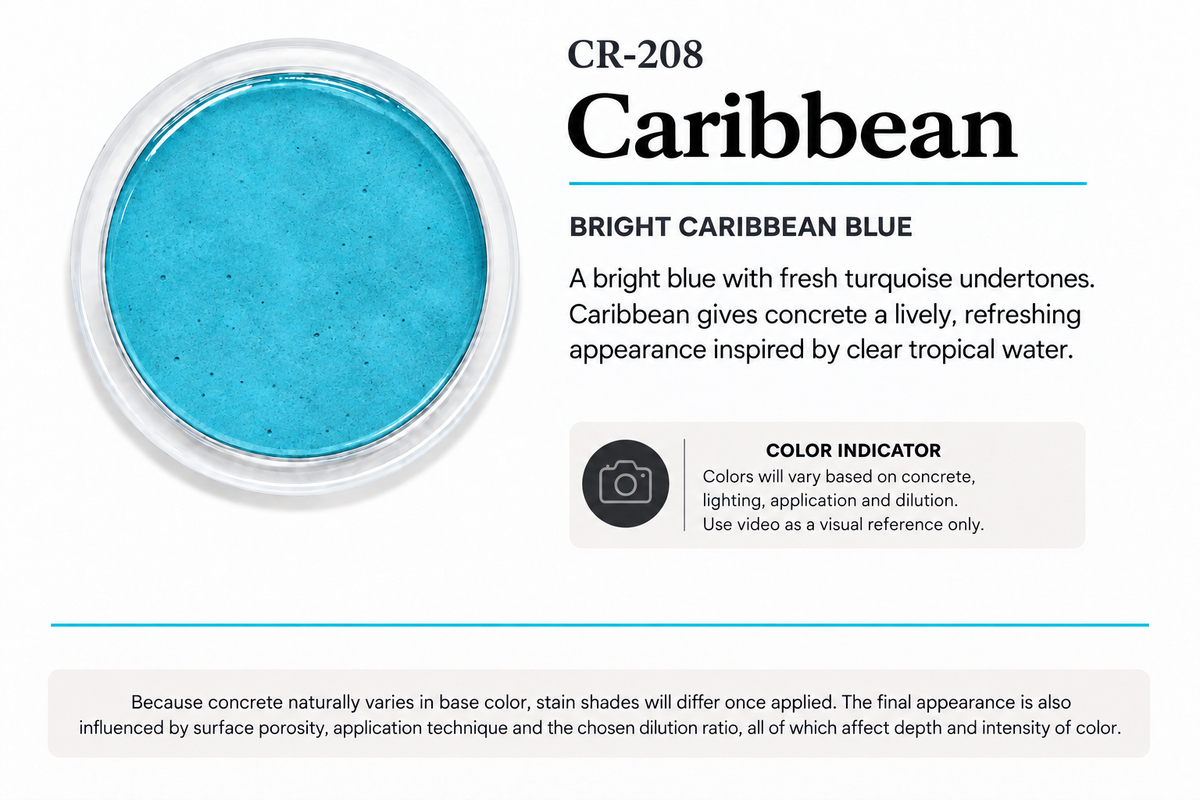
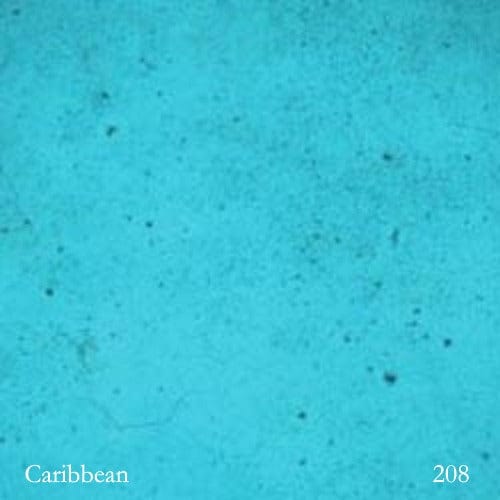
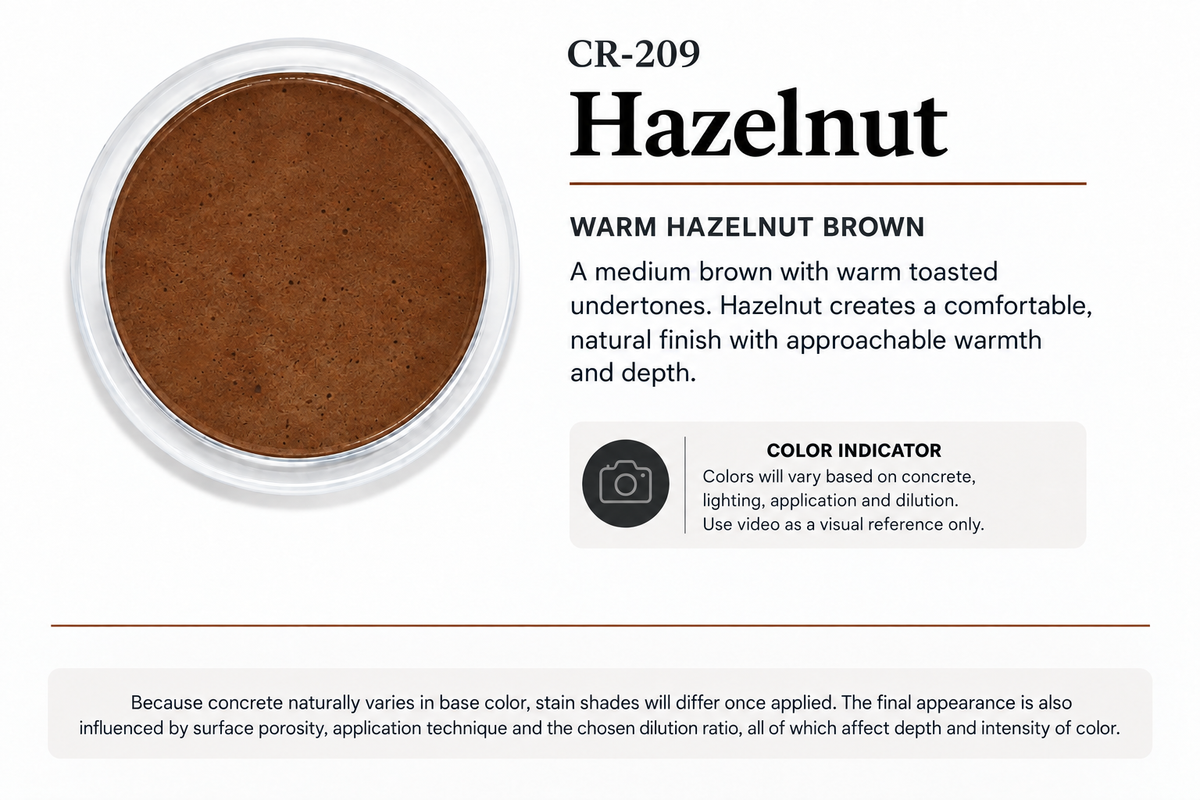
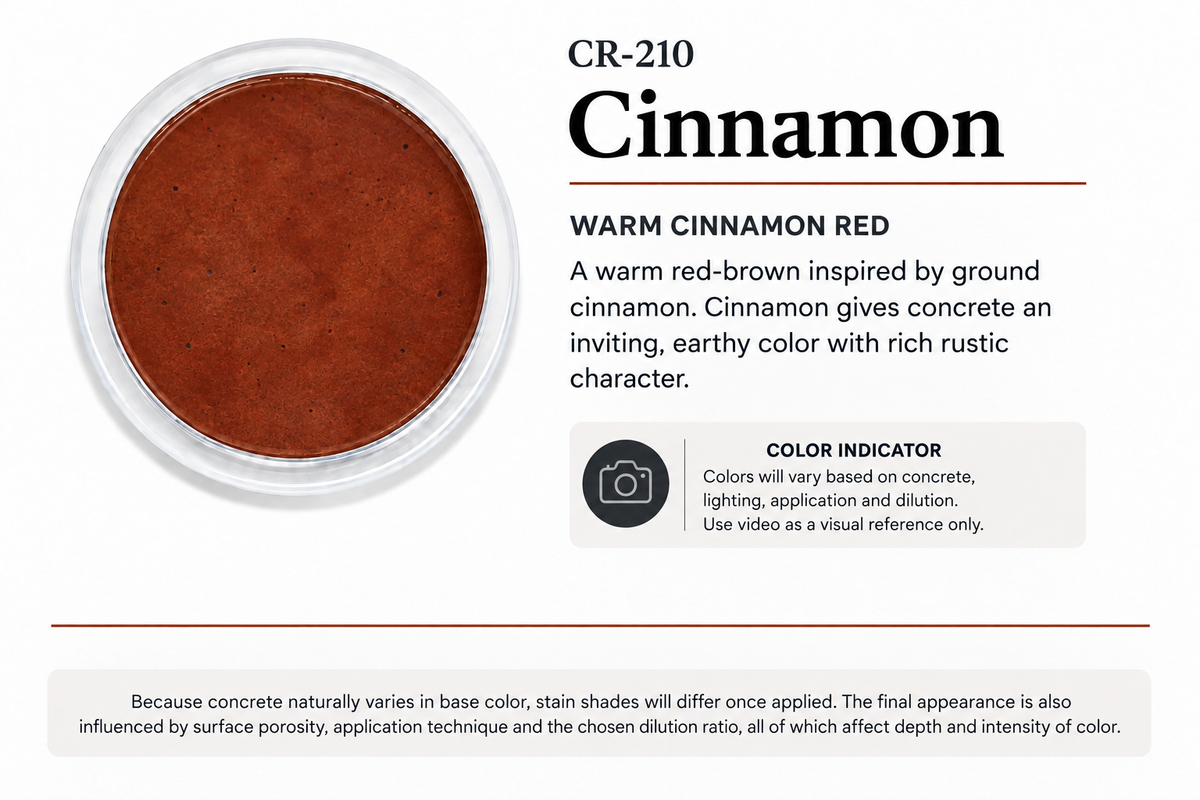
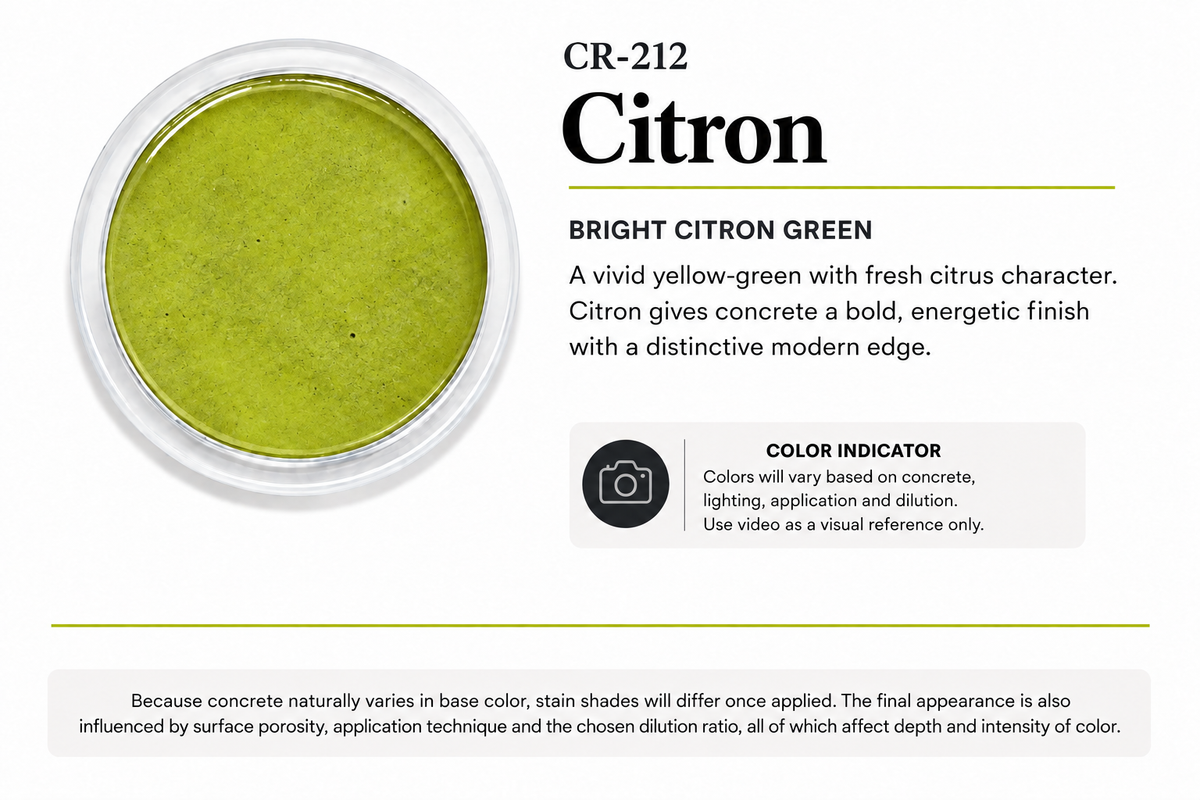
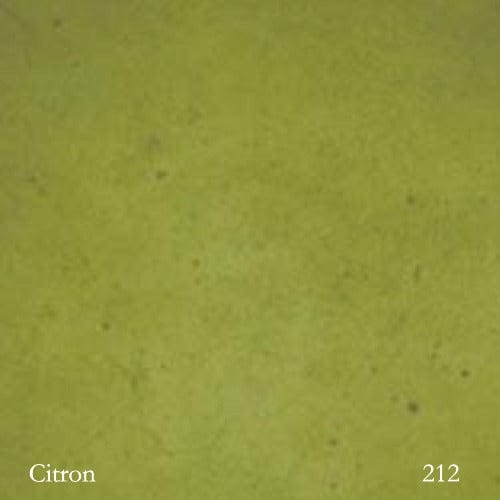
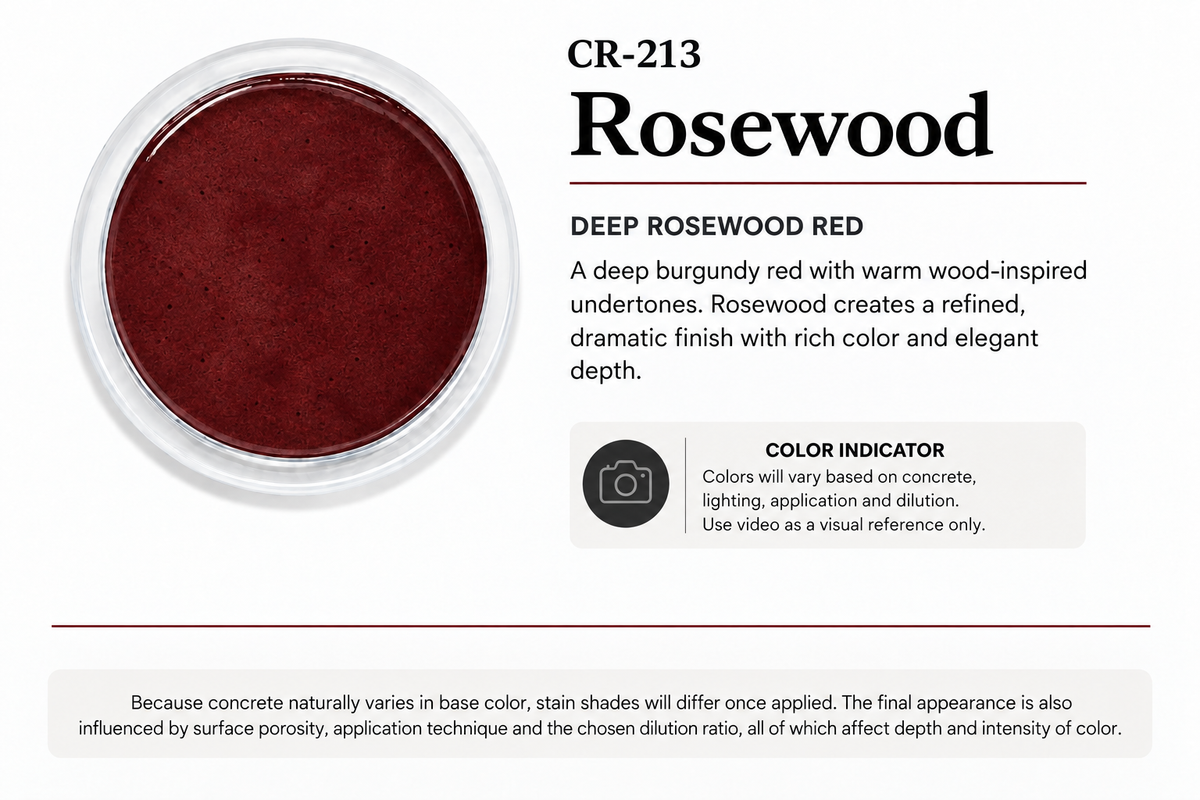
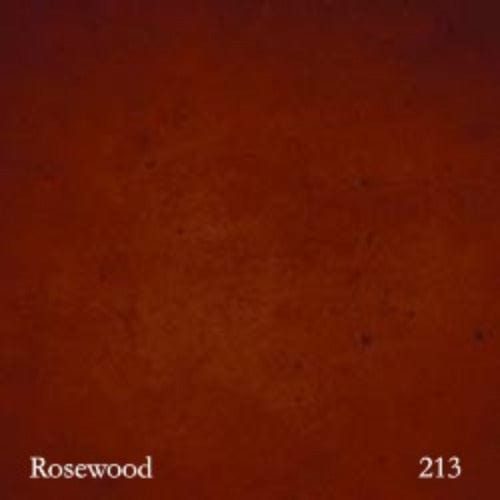
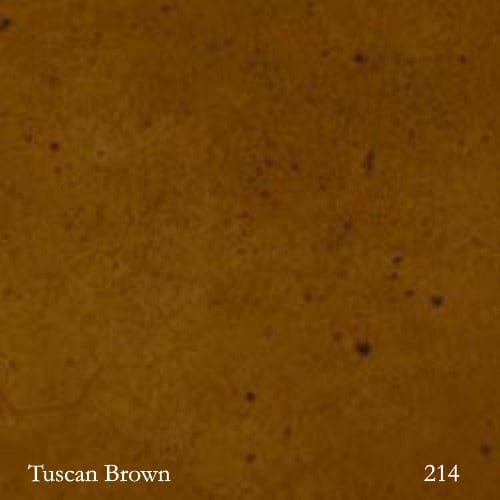
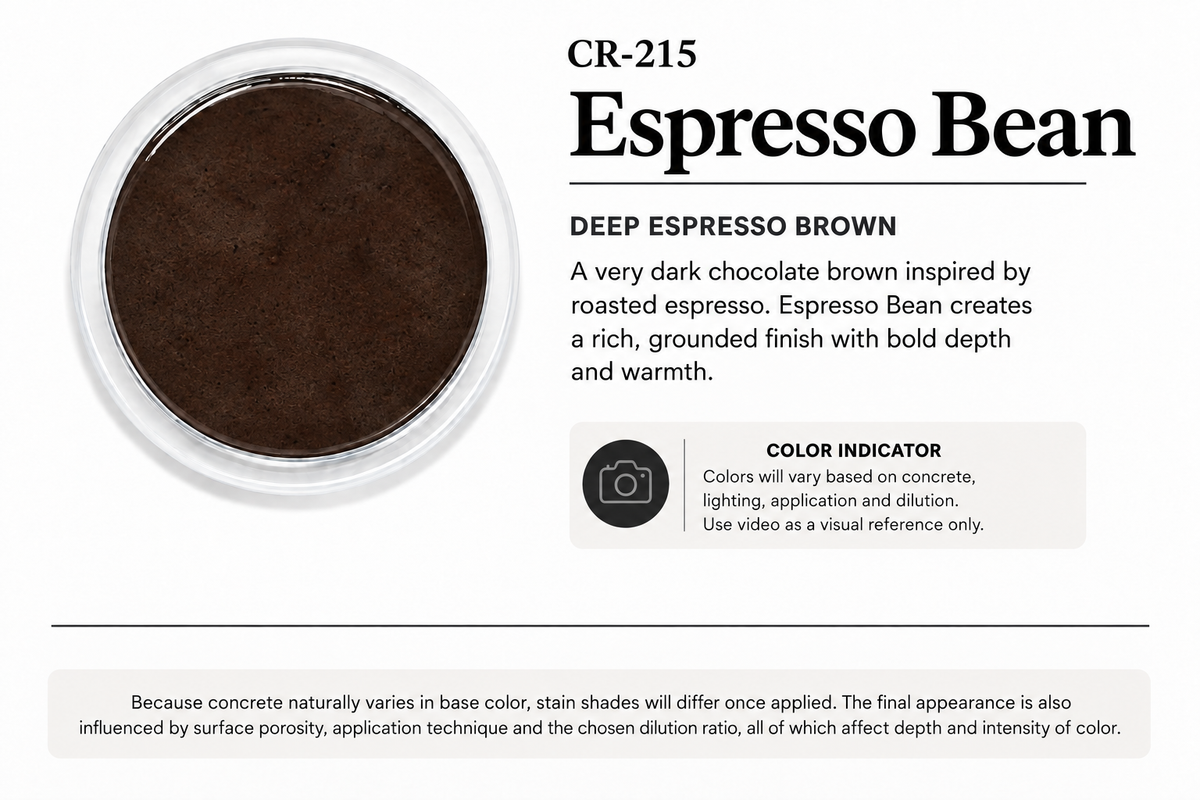
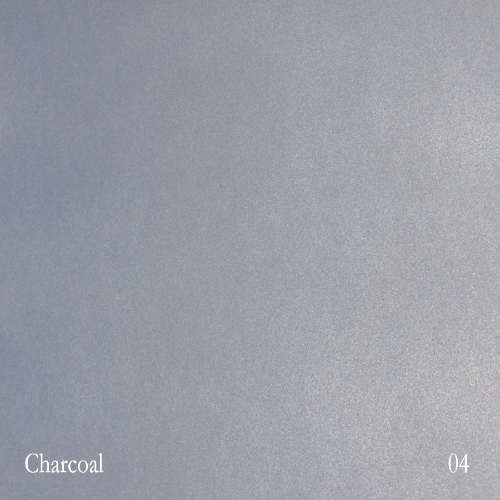
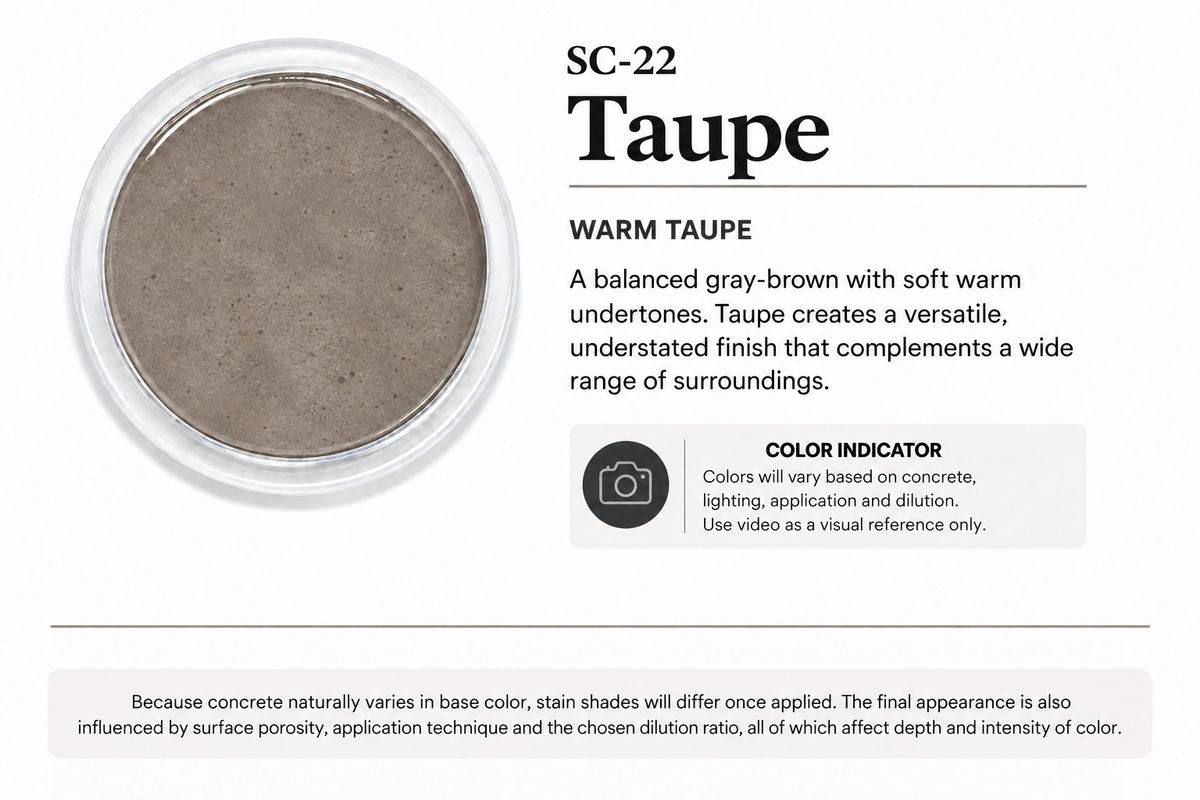
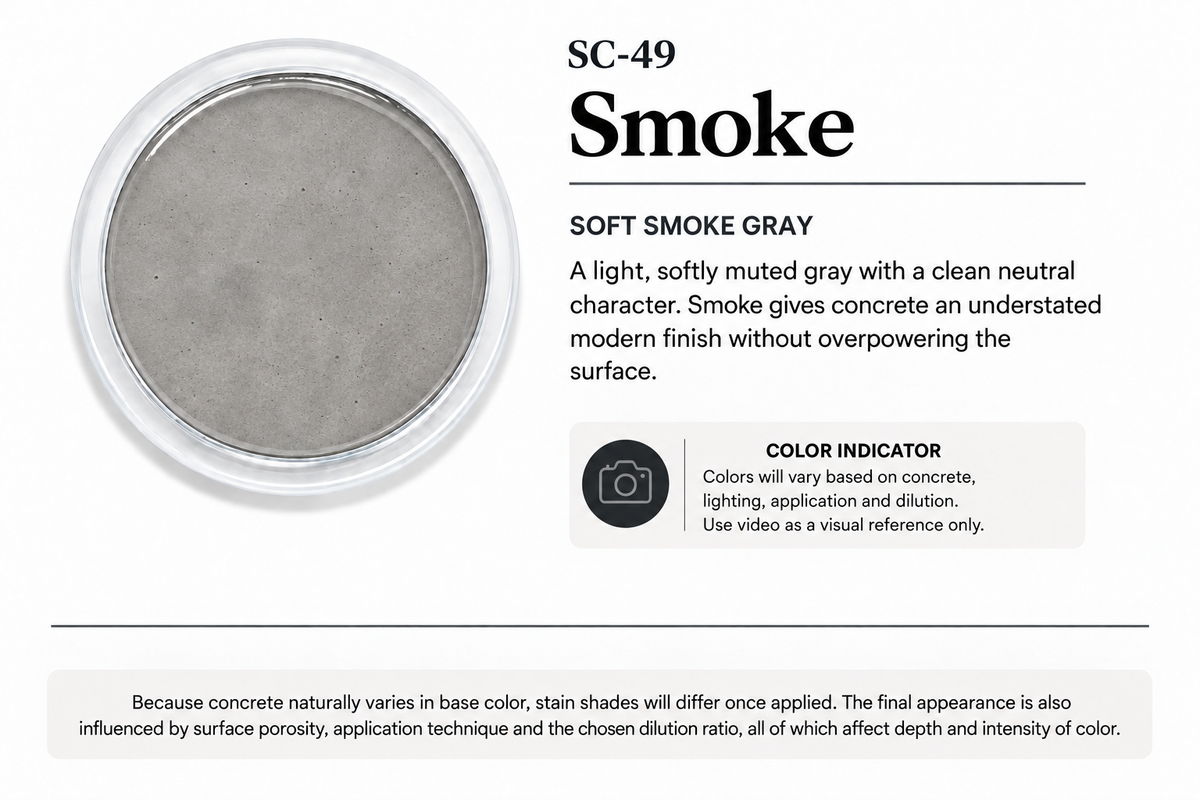
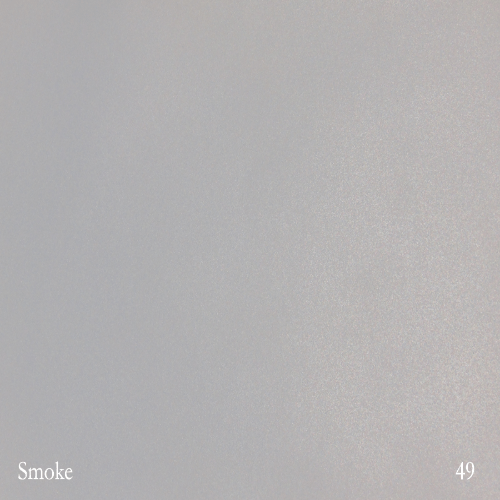
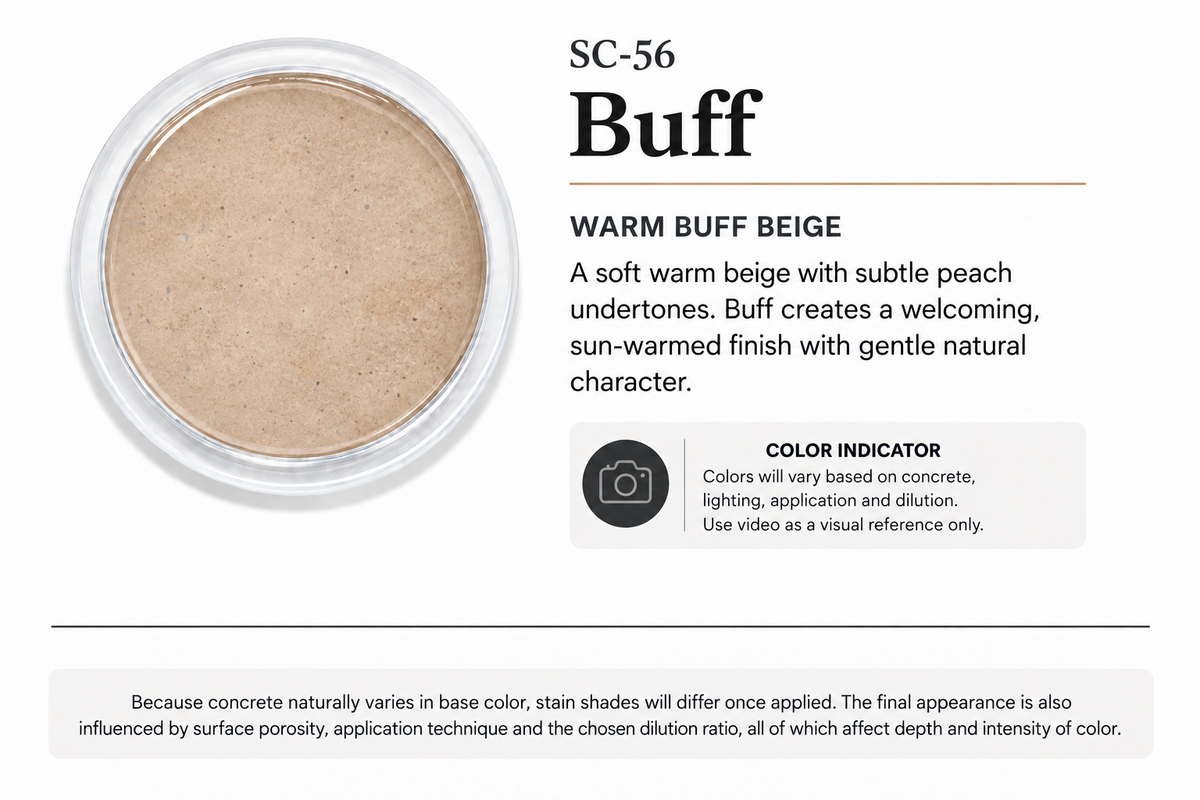
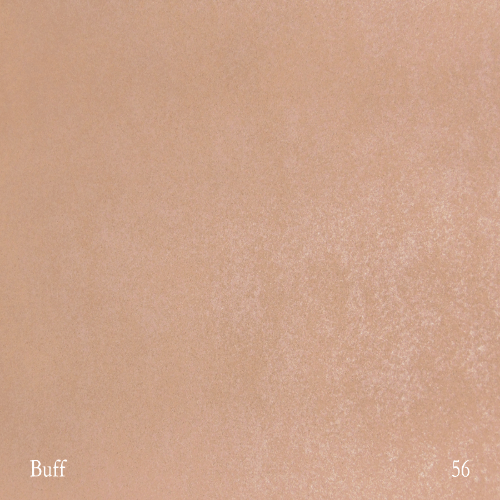
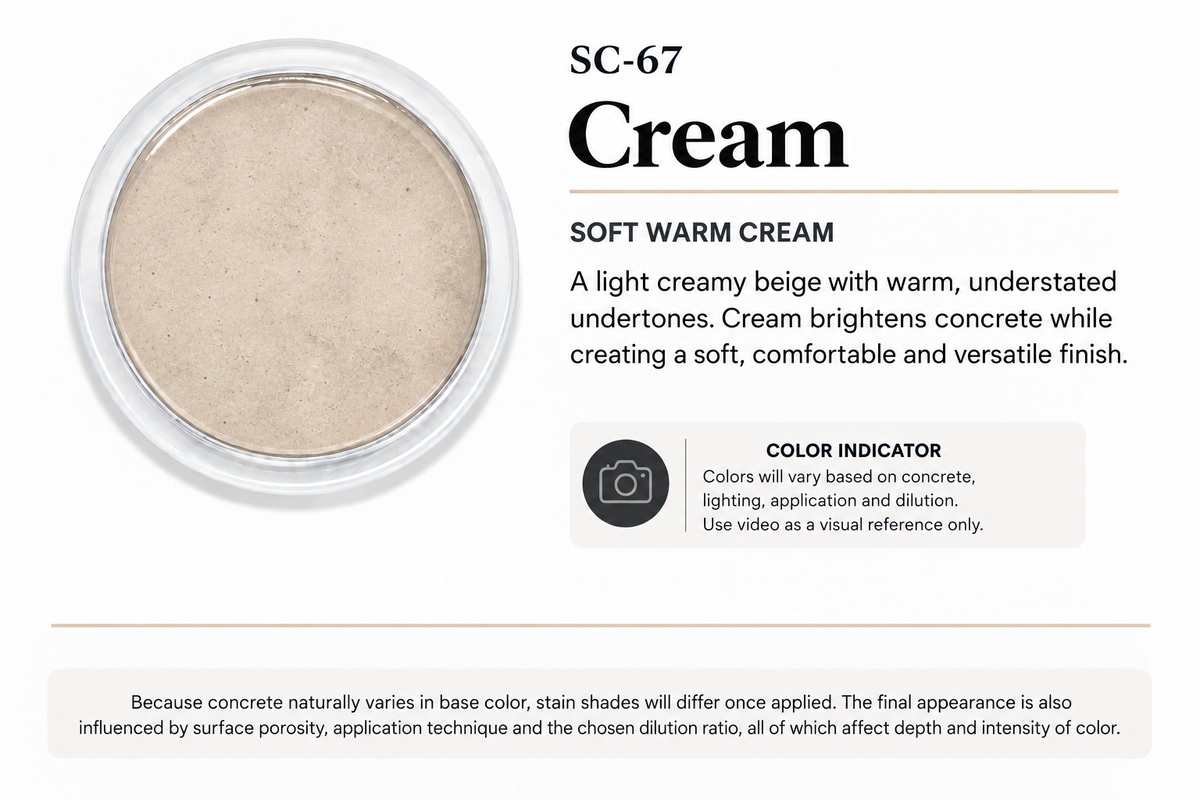
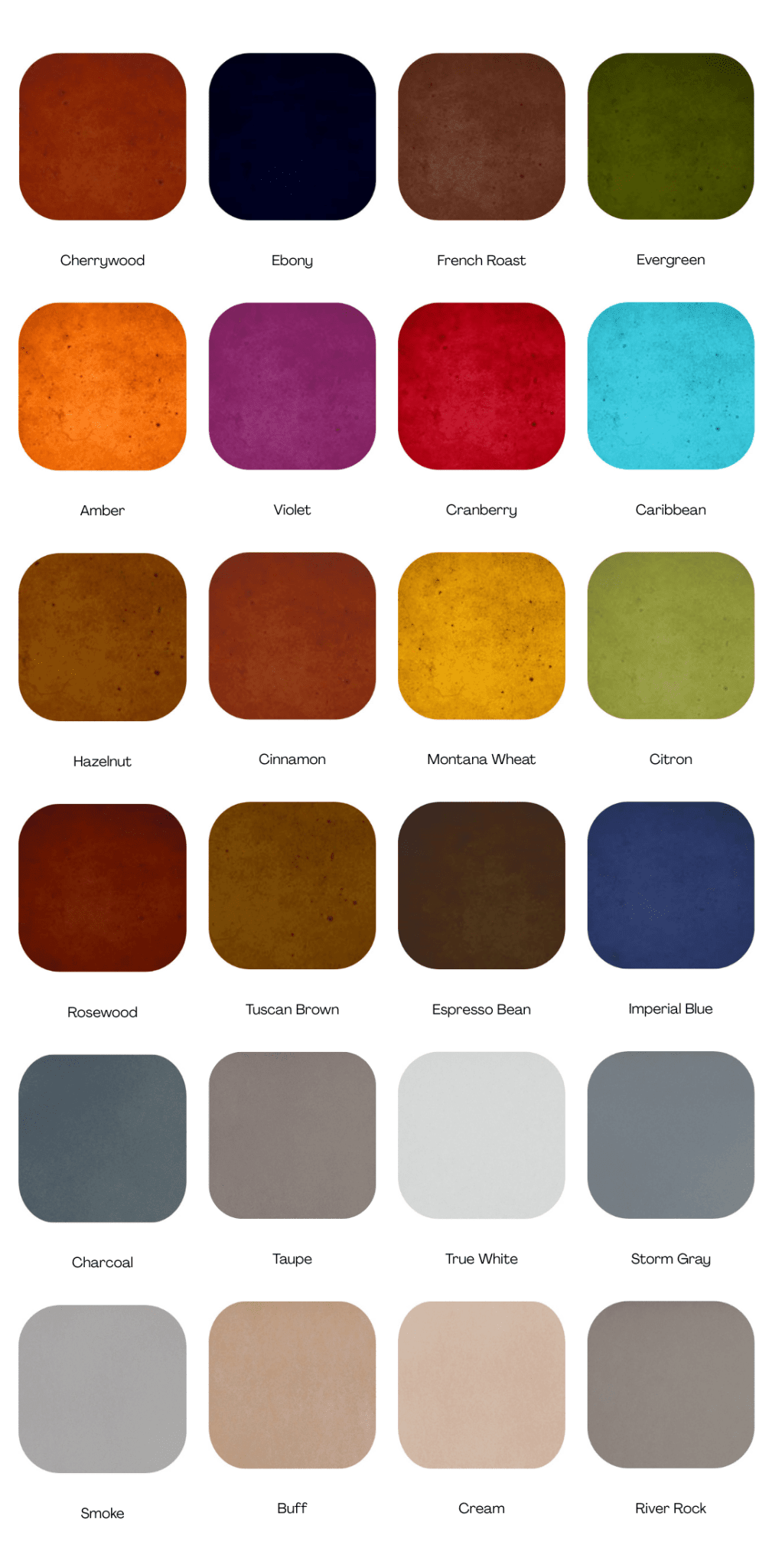
24 colors from natural neutrals to bold accent colors
-
Translucent color lets the character of the concrete show through
-
Colors can be layered and blended
-
Approximately 100–150 sq. ft. coverage per quart
-
Approximately 400–600 sq. ft. coverage per gallon
-
For interior and exterior concrete
-
Professional-grade penetrating concrete dye
-
Ideal for use with an acetone-compatible ReCharger Sprayer
Just Add Acetone & Apply
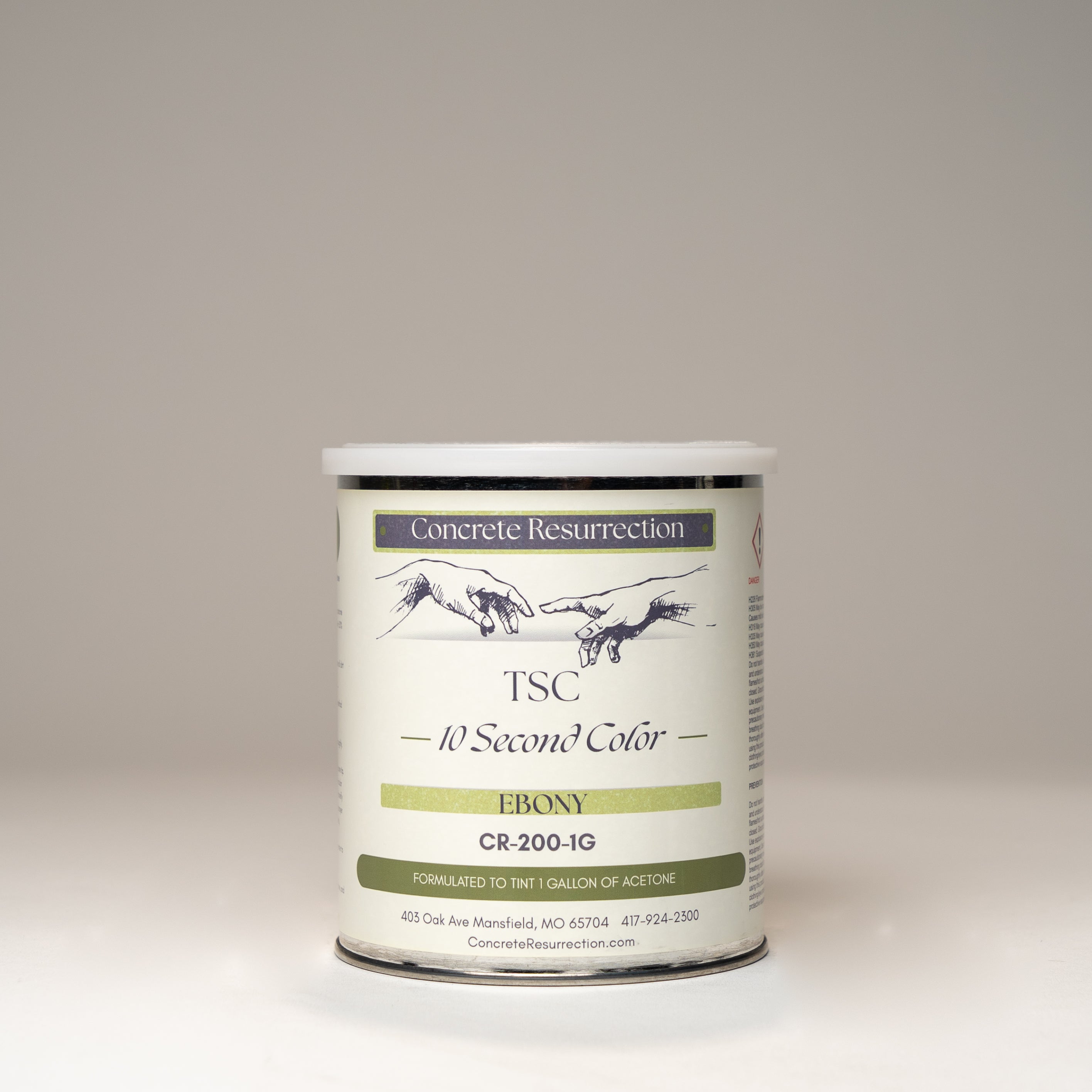
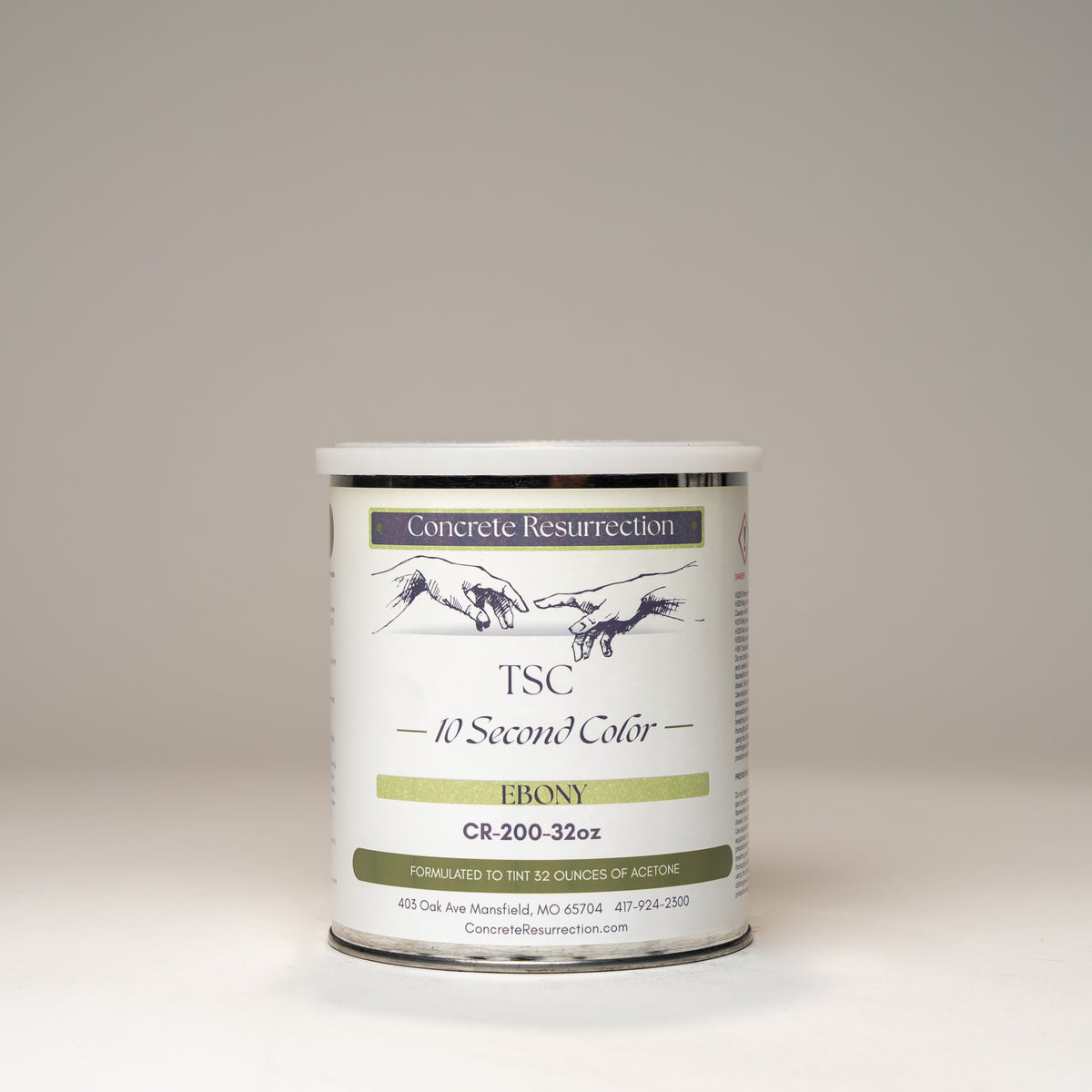
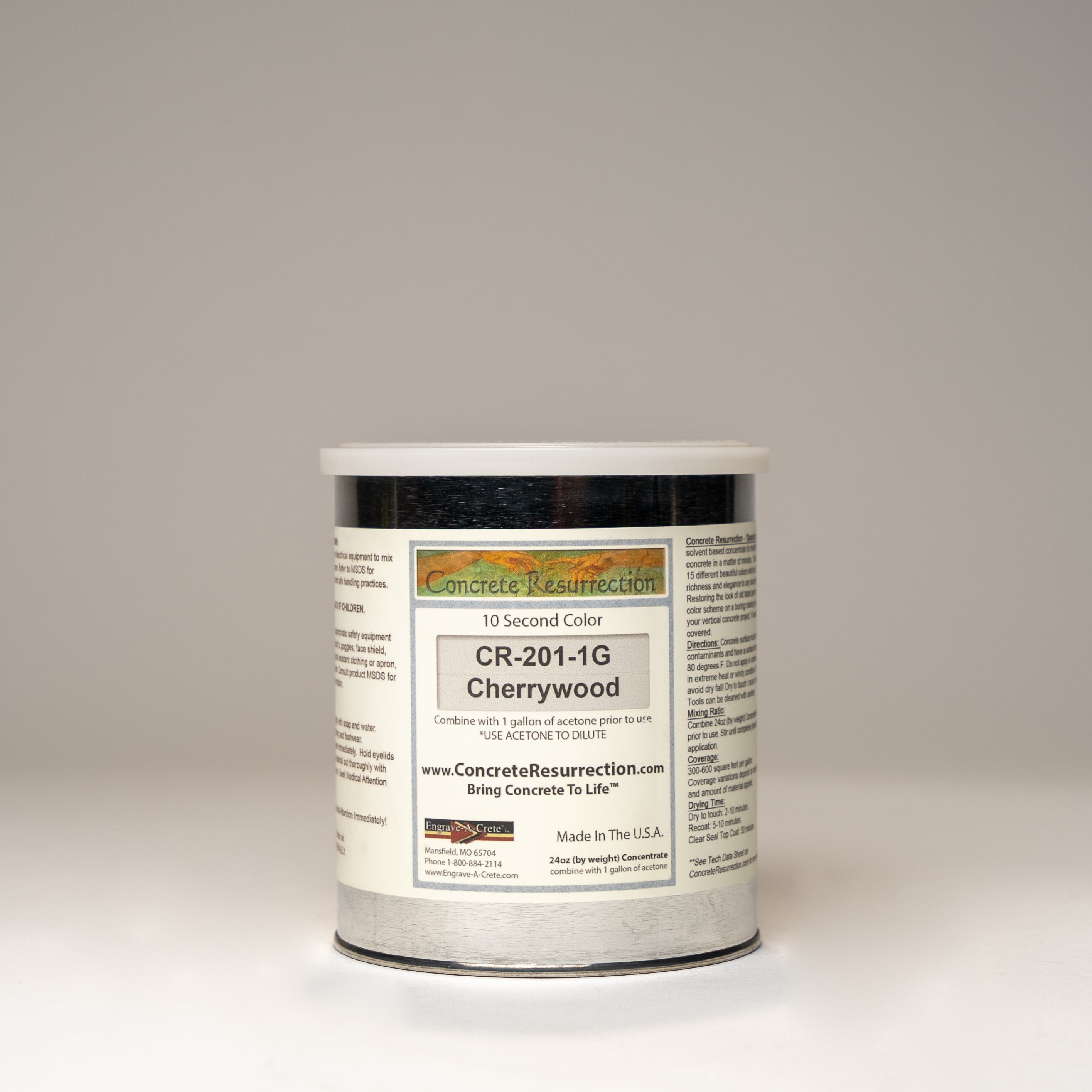
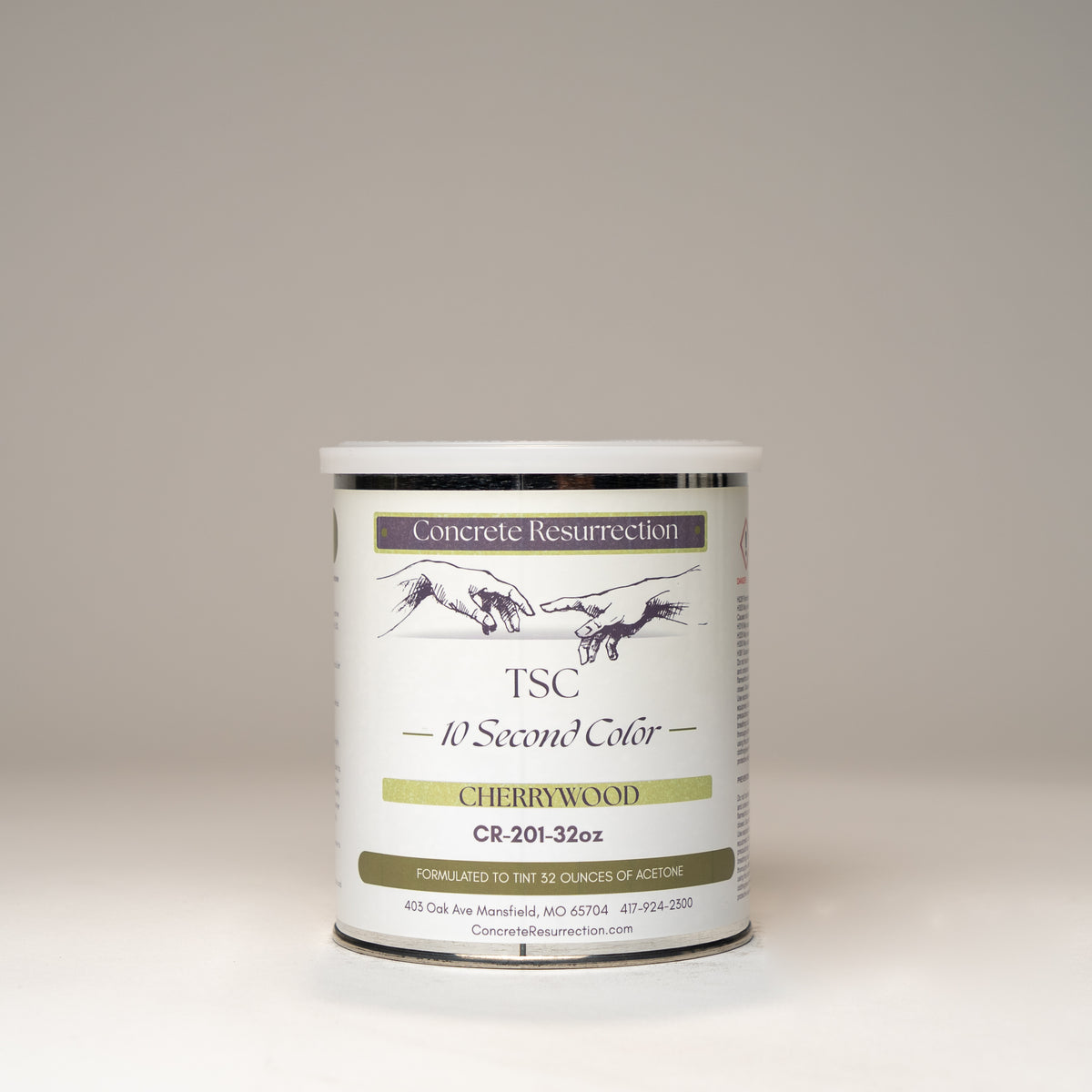
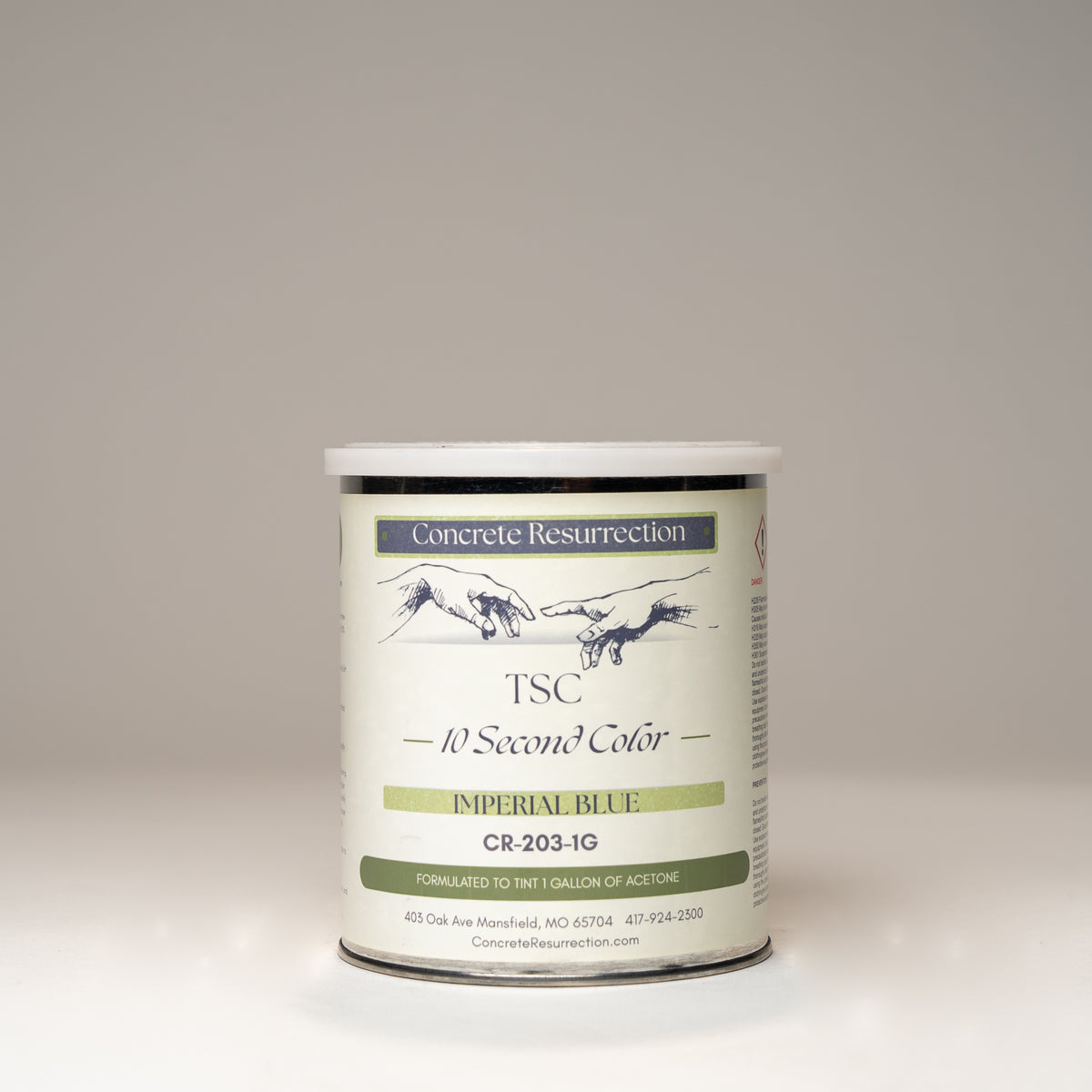
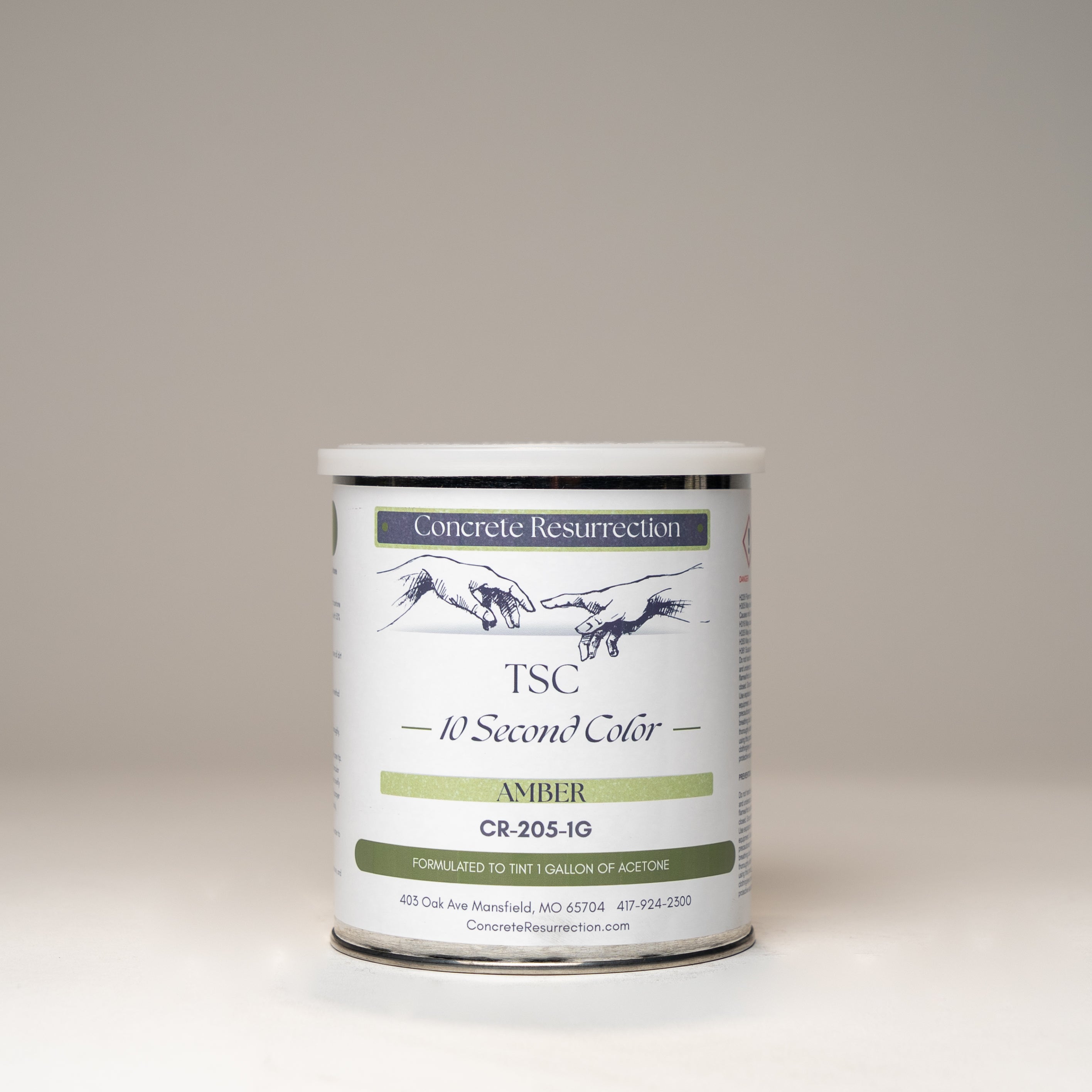
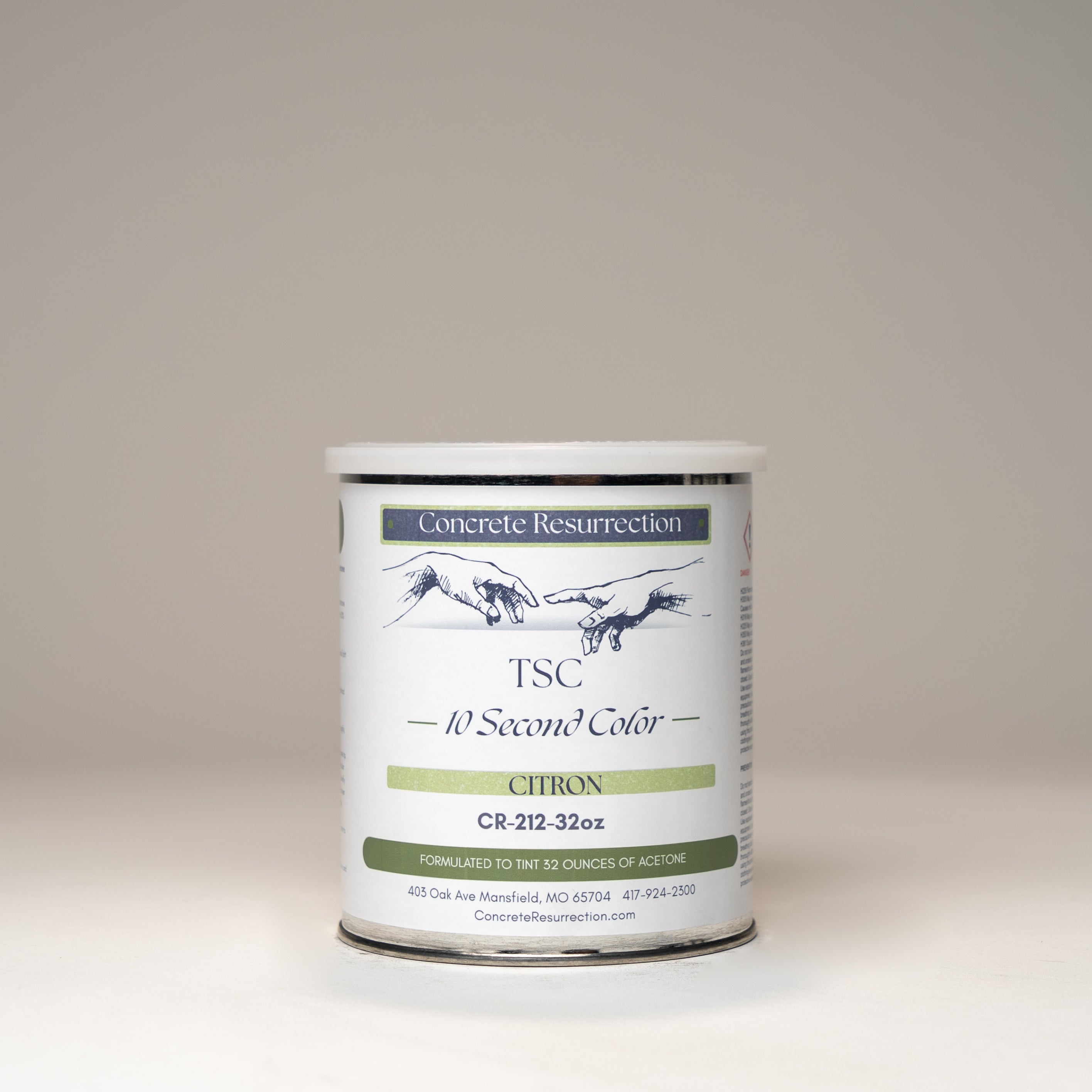
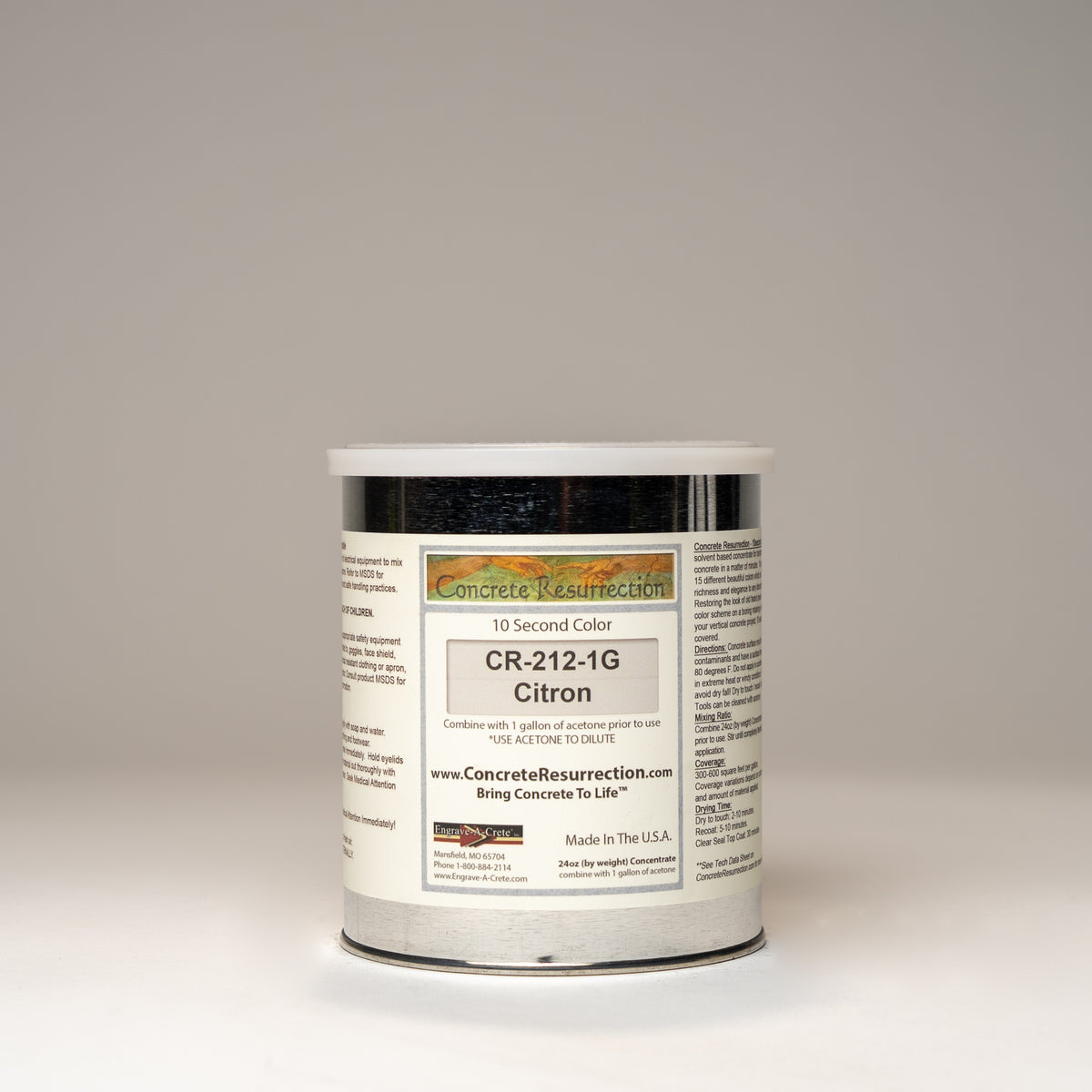
TSC is supplied as concentrated pigment and MUST be mixed with acetone before application.
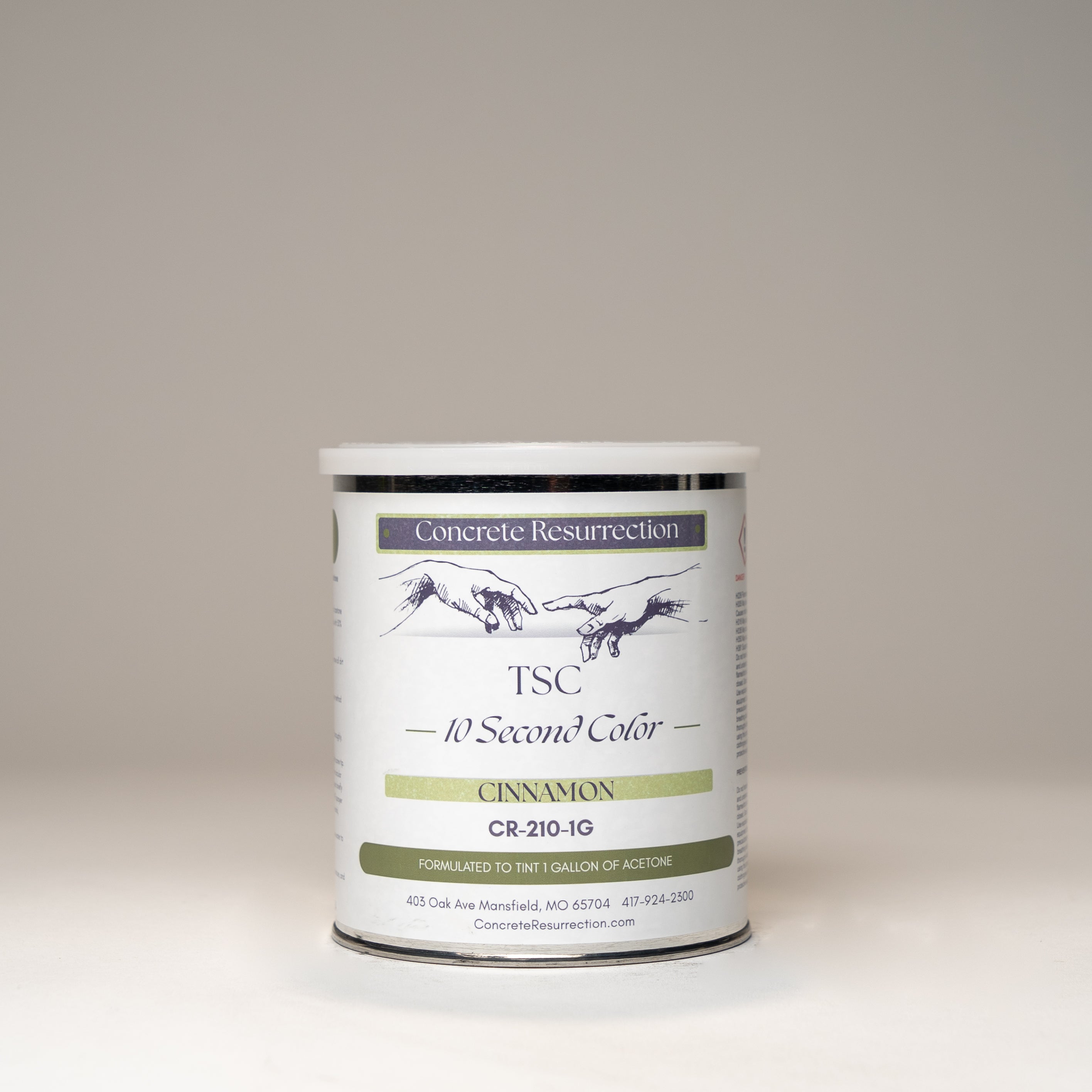
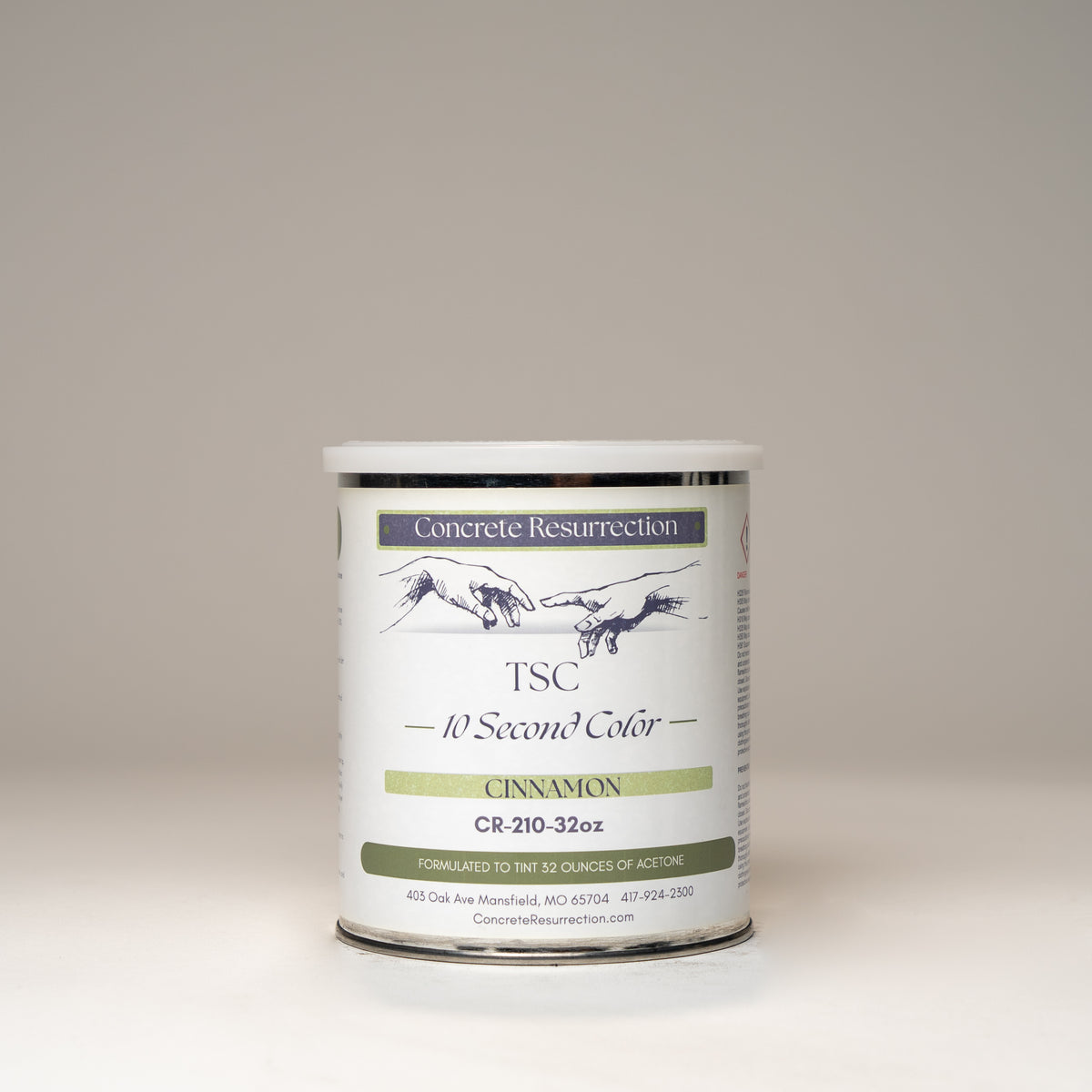
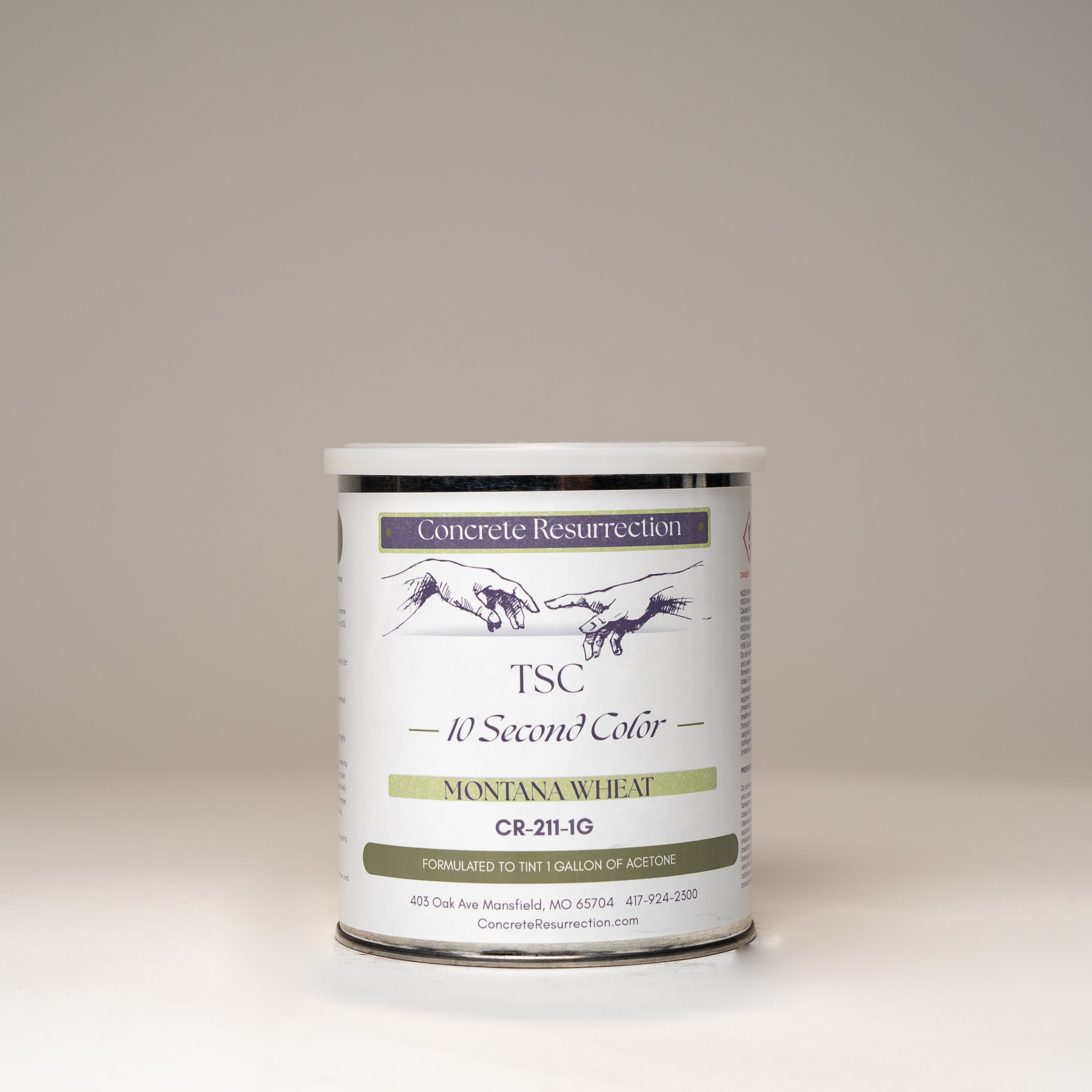
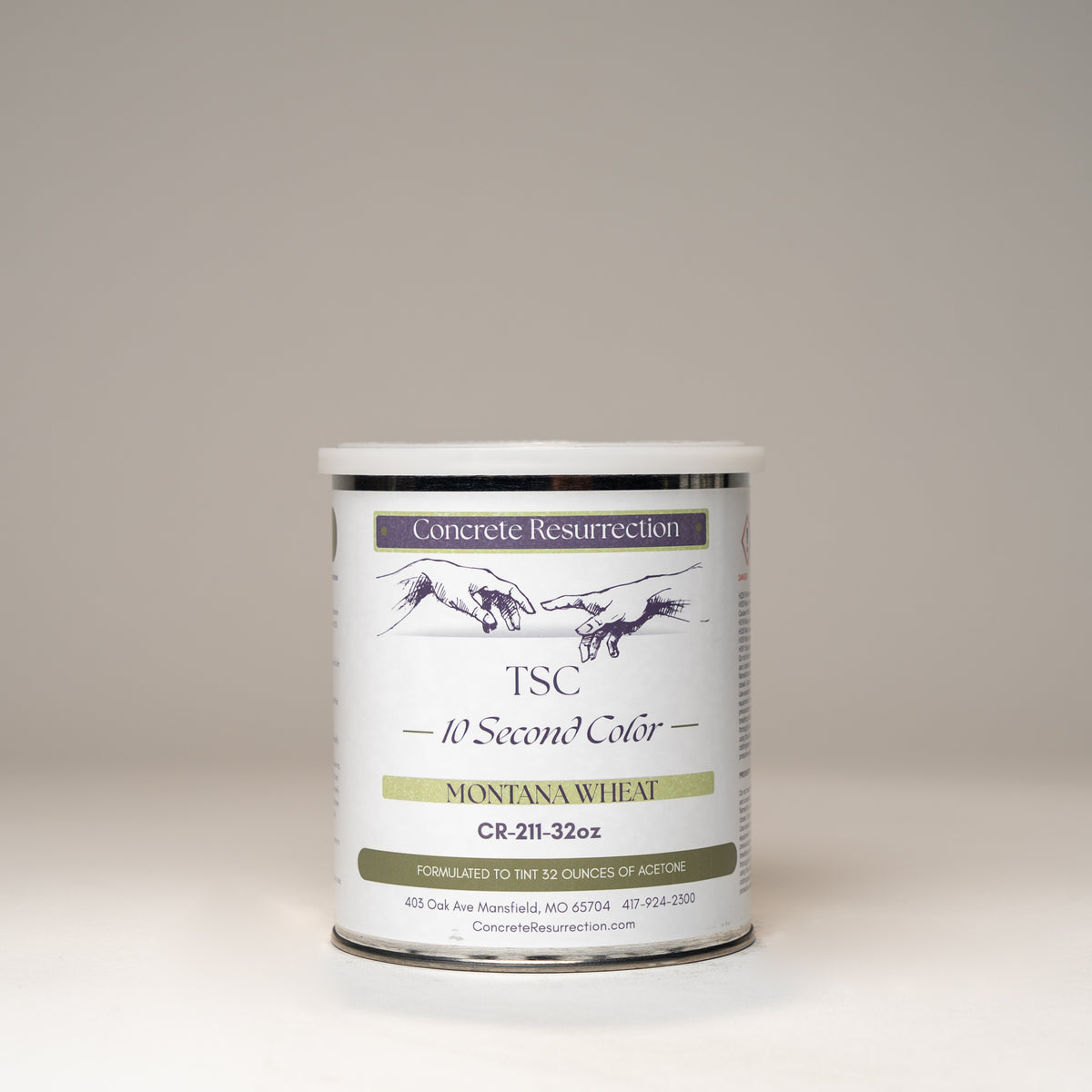
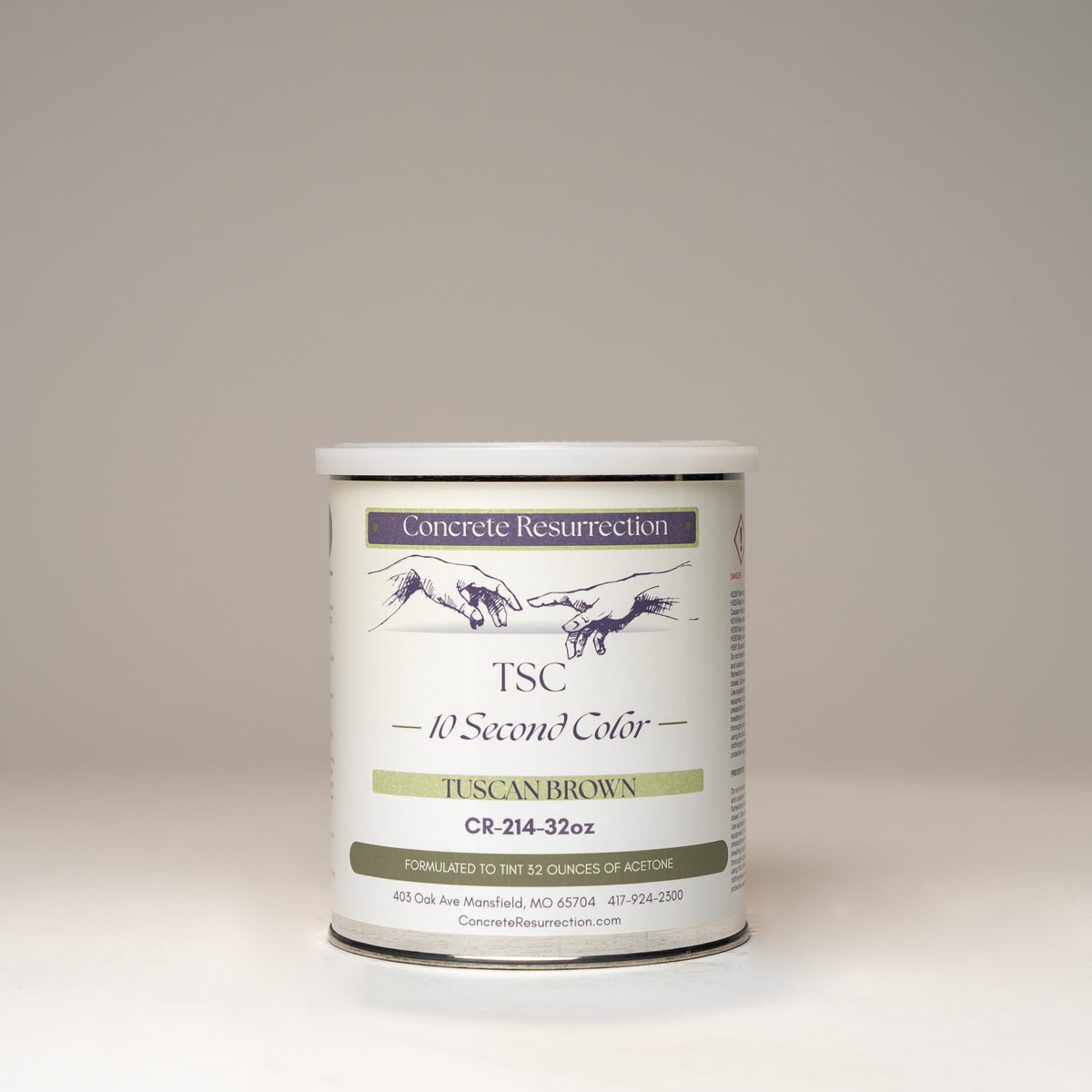
32 oz size: Add 32 oz of acetone
Makes approximately 2 quarts of ready-to-apply stain
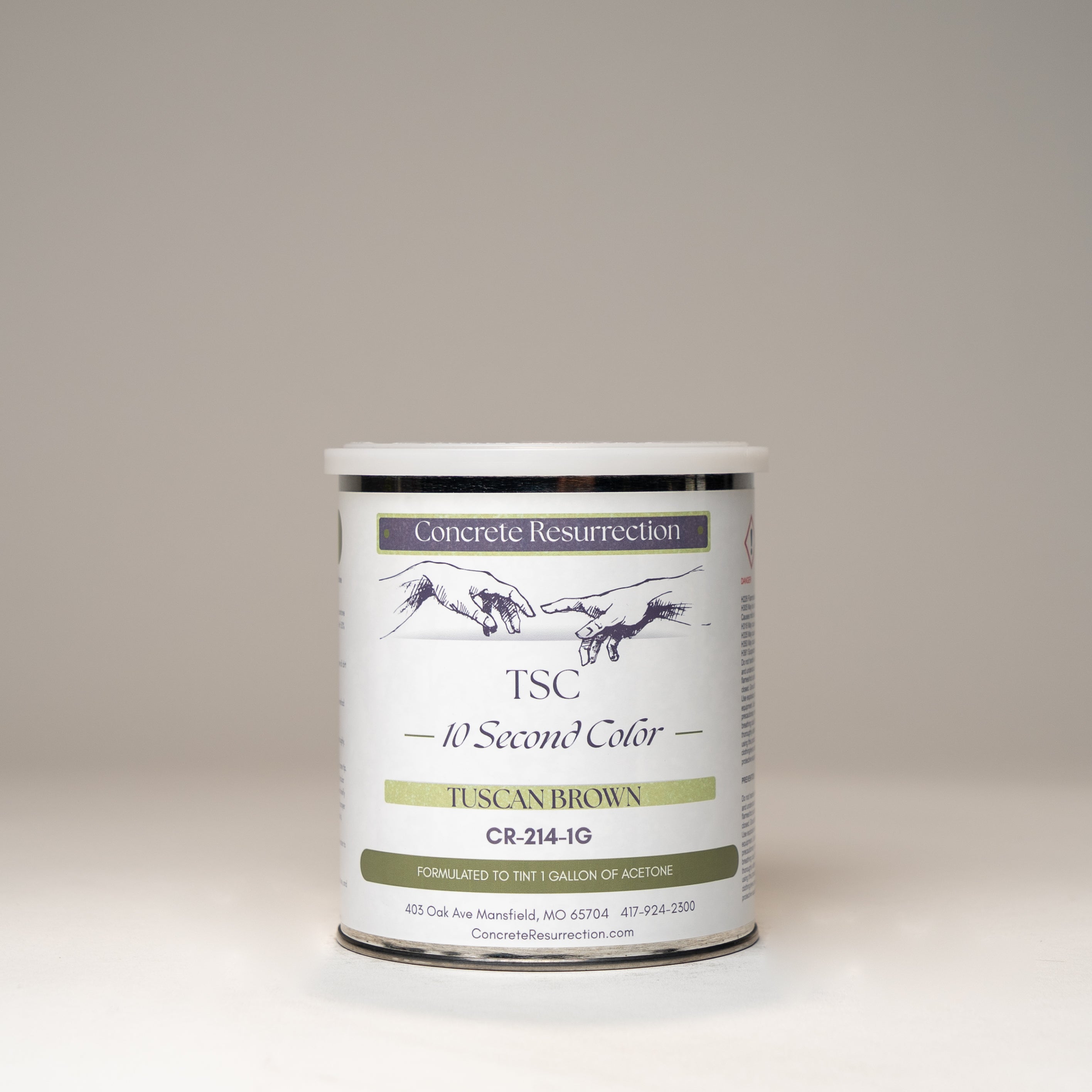
1 gallon size: Add 1 gallon of acetone to the pre-measured pigment
Makes approximately 1 gallon of ready-to-apply stain
Acetone is not included and must be purchased locally.
Fast Color. Endless Possibilities.
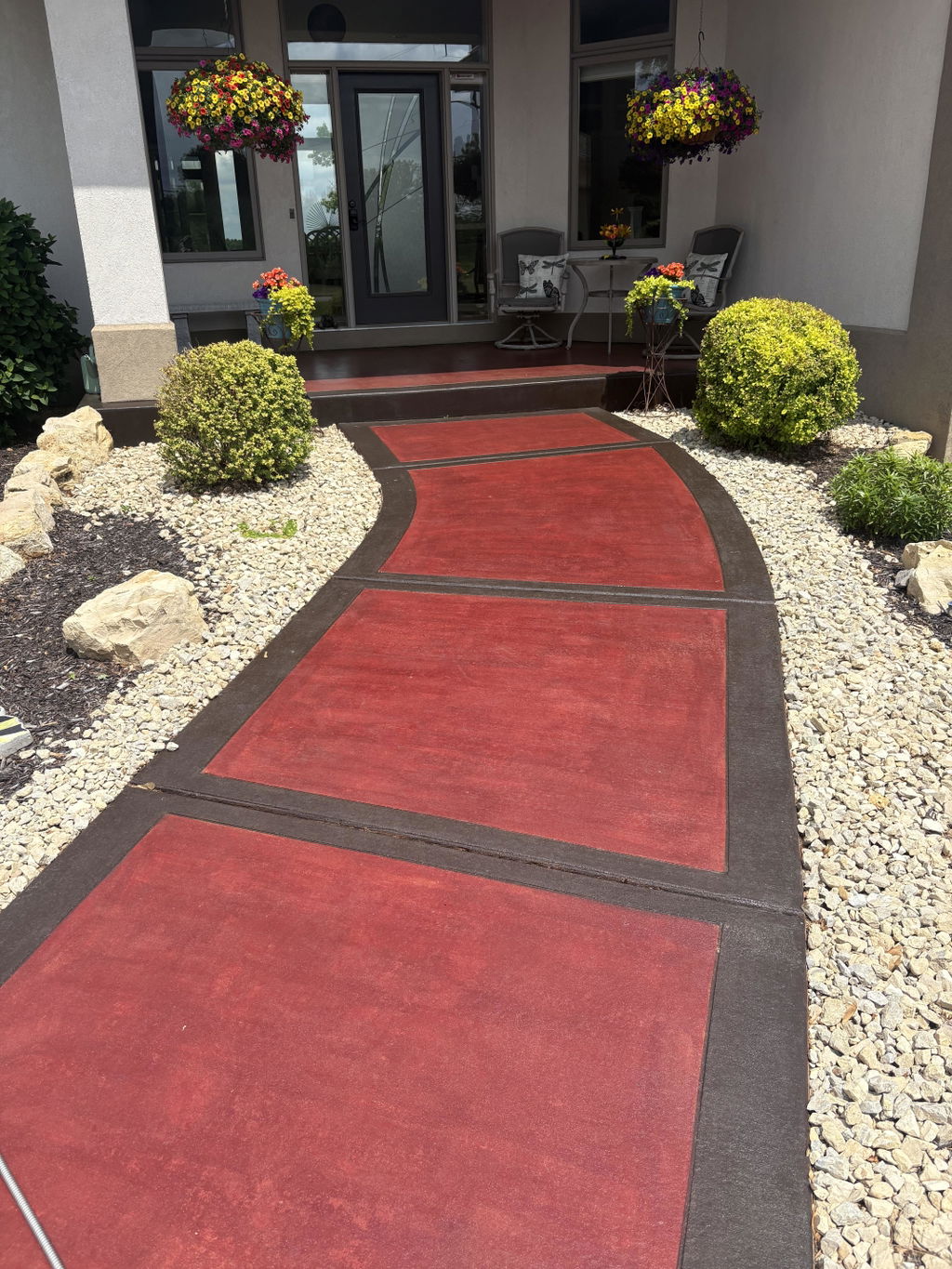
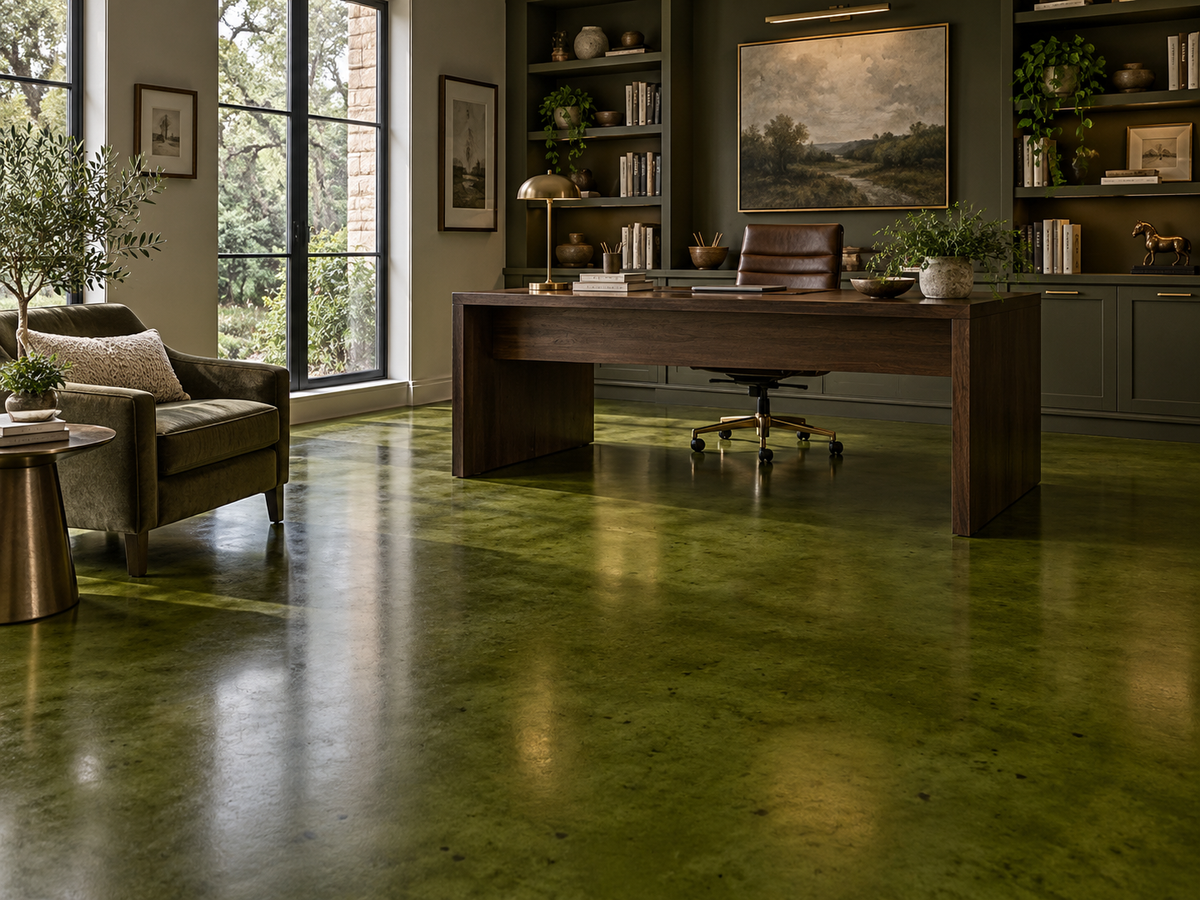
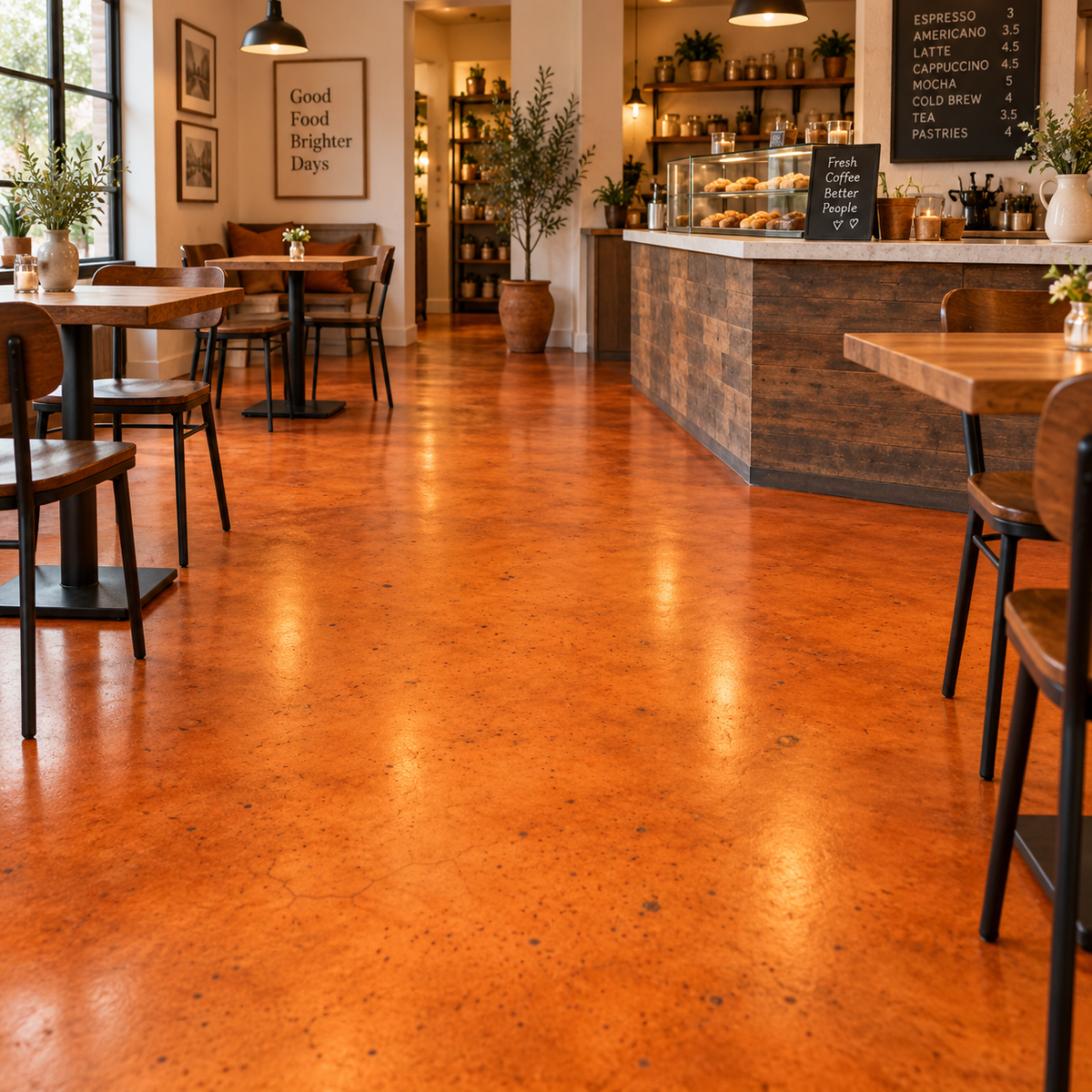
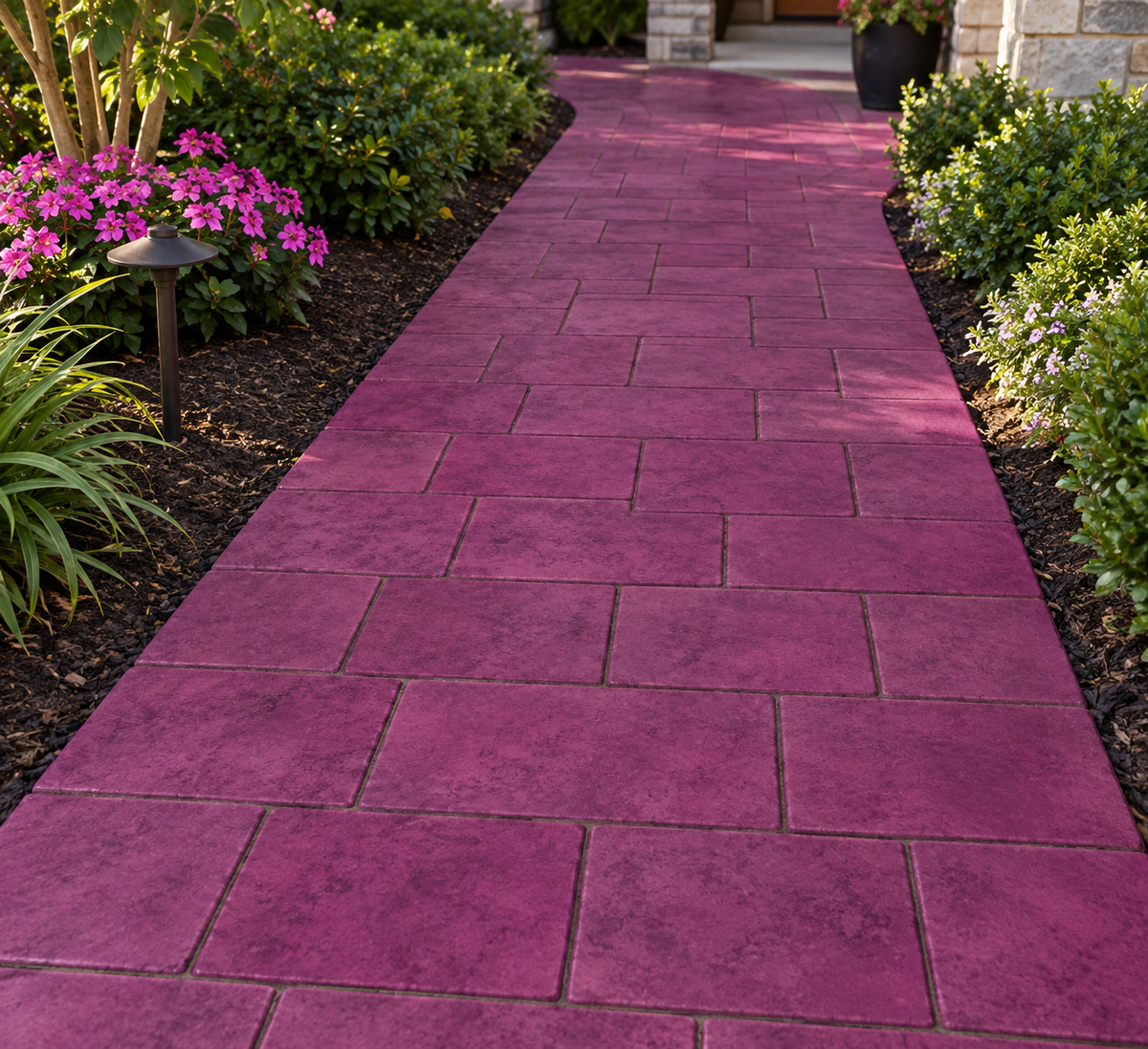
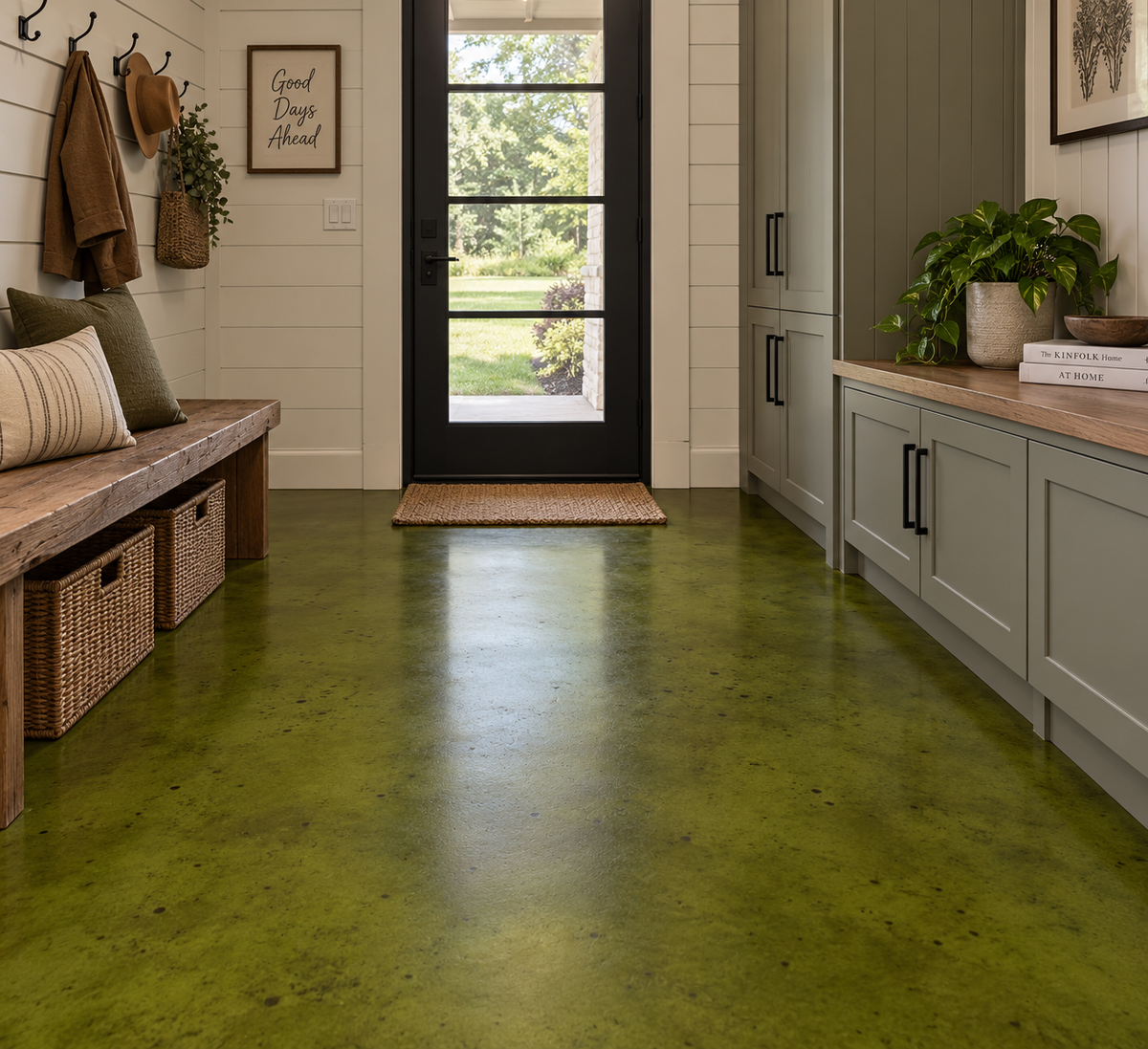
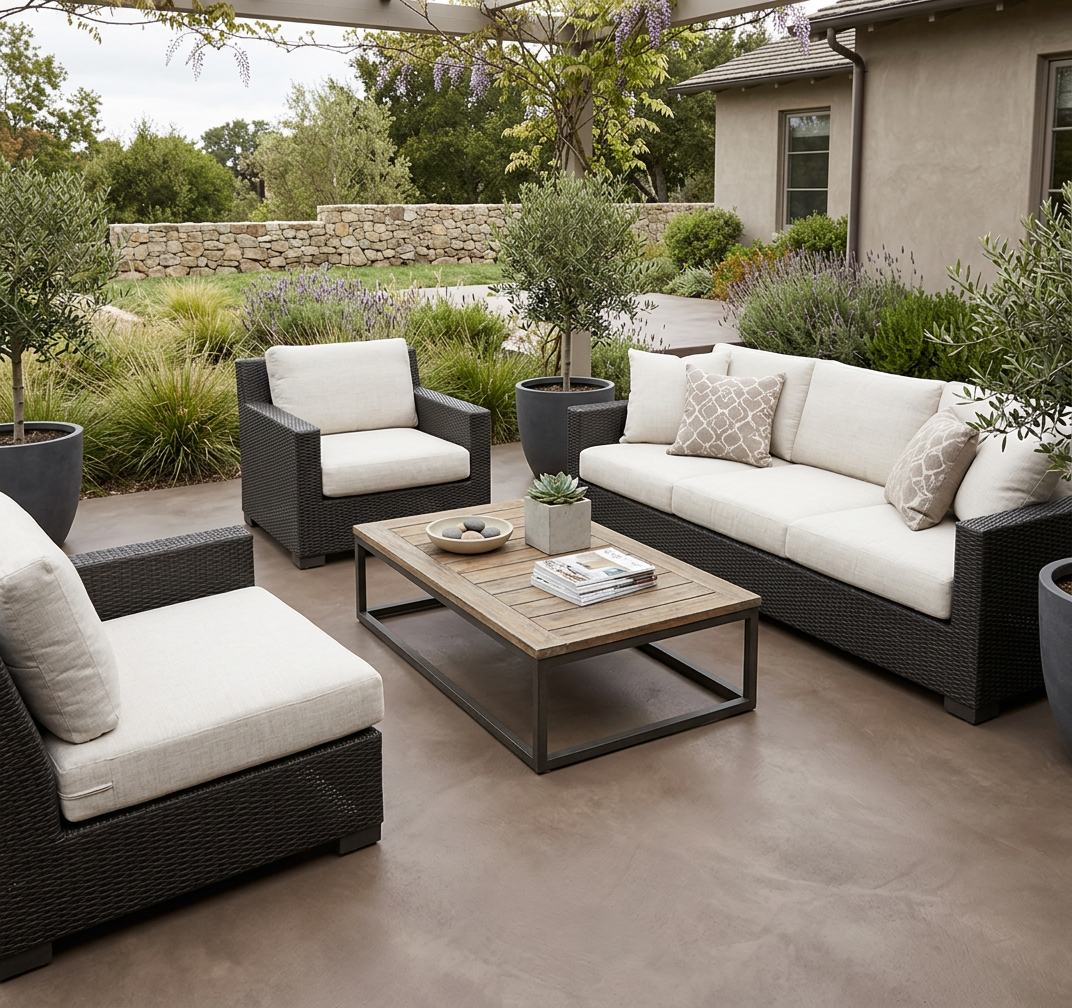
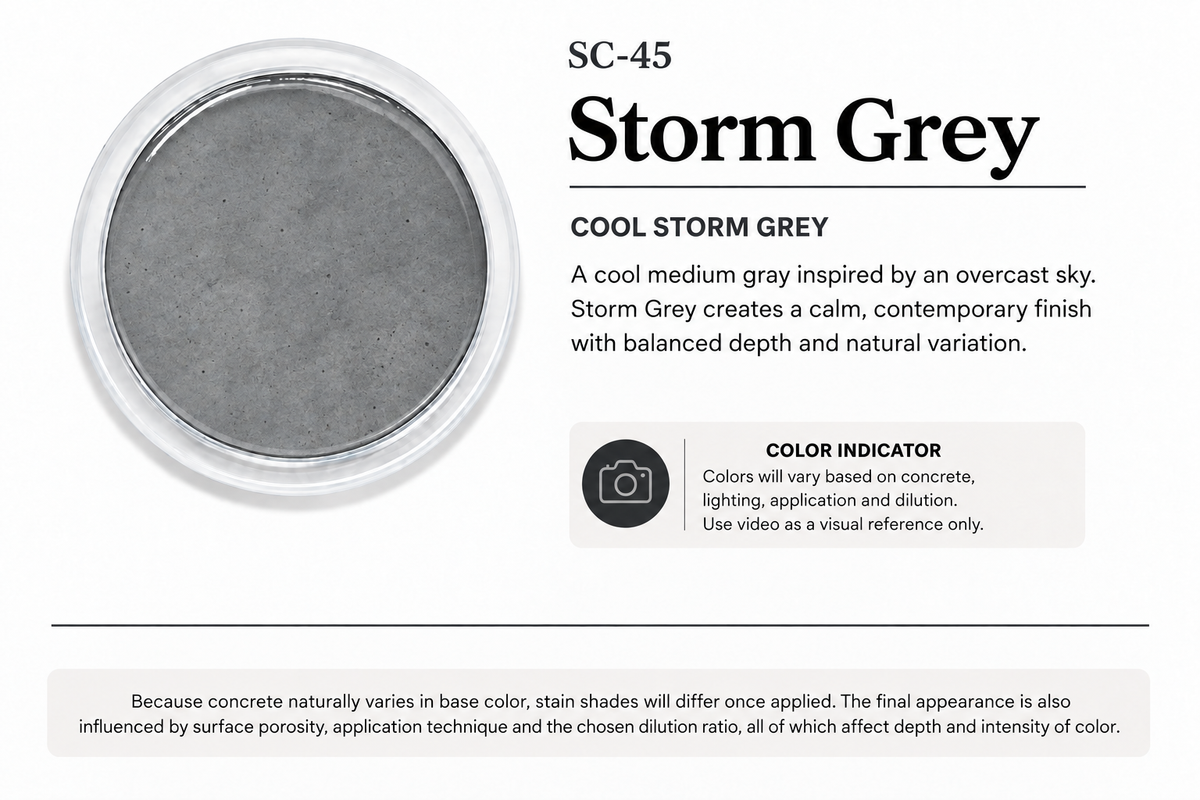
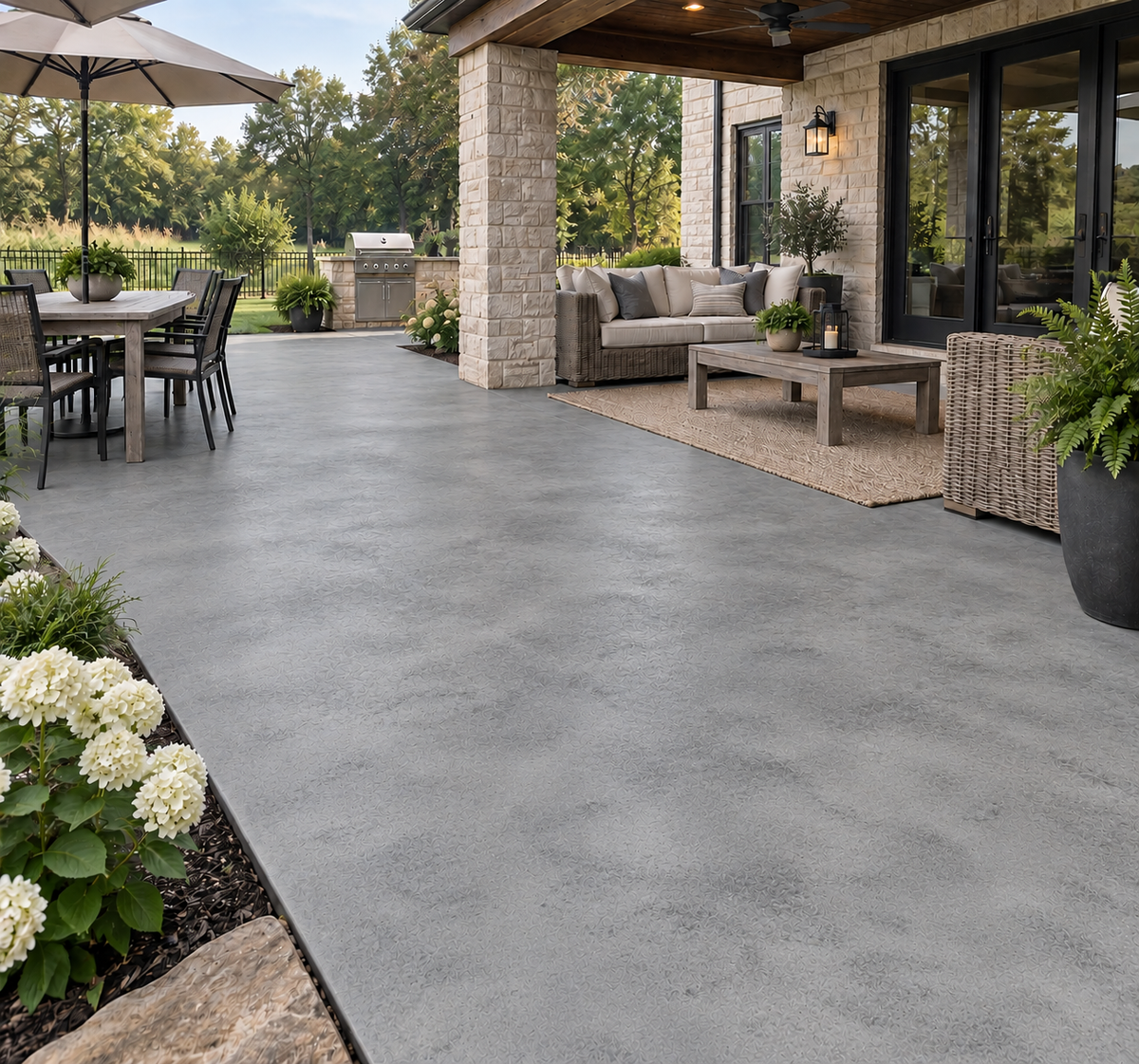
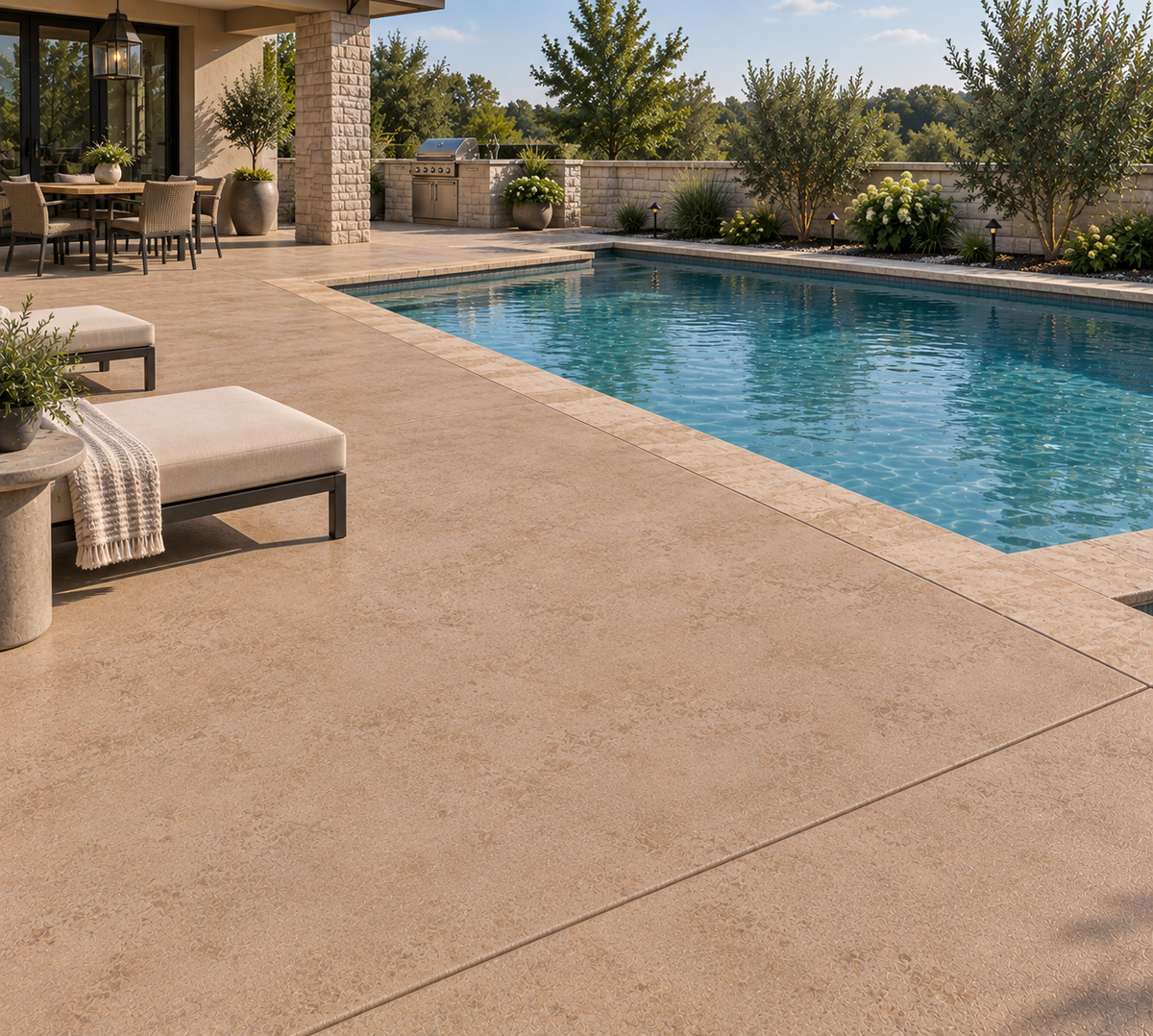
Use a single color for a clean, contemporary finish or layer multiple TSC colors to create marbled, variegated and custom decorative effects. Because TSC is translucent, the natural texture and variation of the concrete remain part of the finished look.
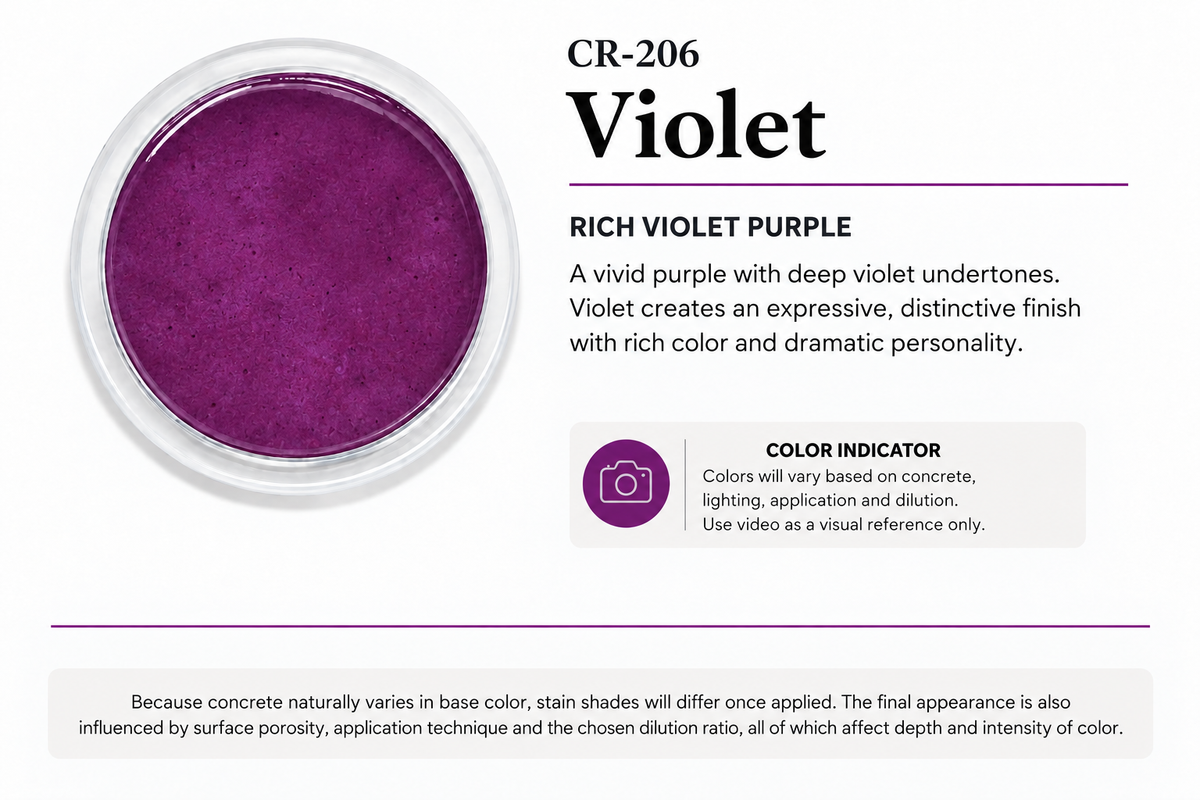
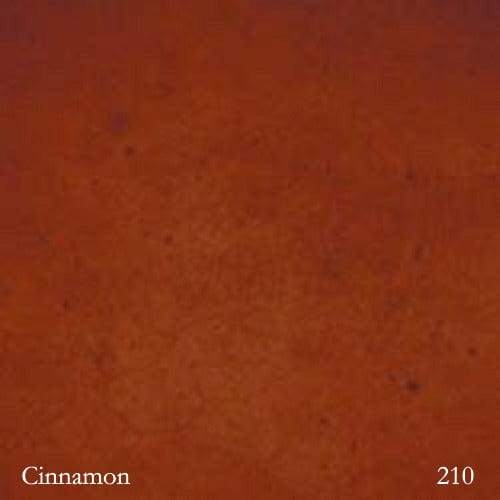
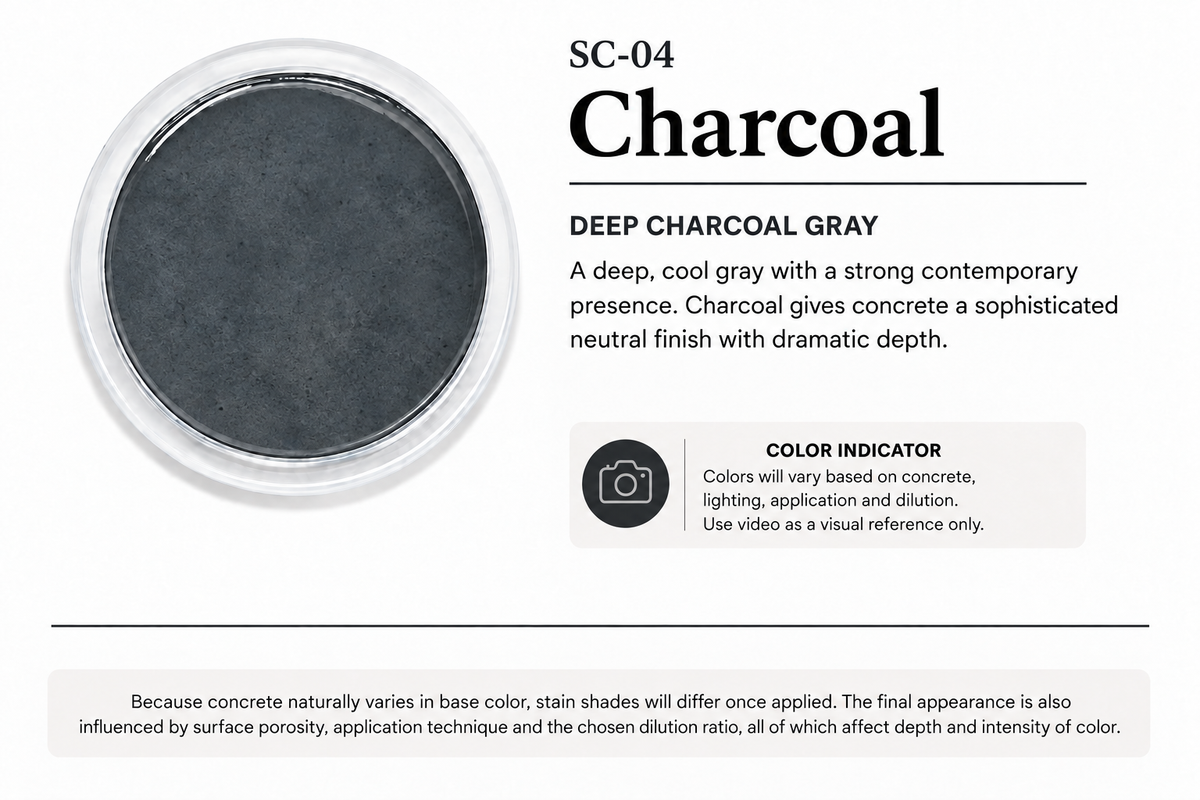
Always test your selected color on the actual concrete before completing the entire project. Concrete condition, porosity, preparation and application technique can affect the final appearance.
For surface preparation, mixing, application, safety and sealing instructions, see the FAQ below.
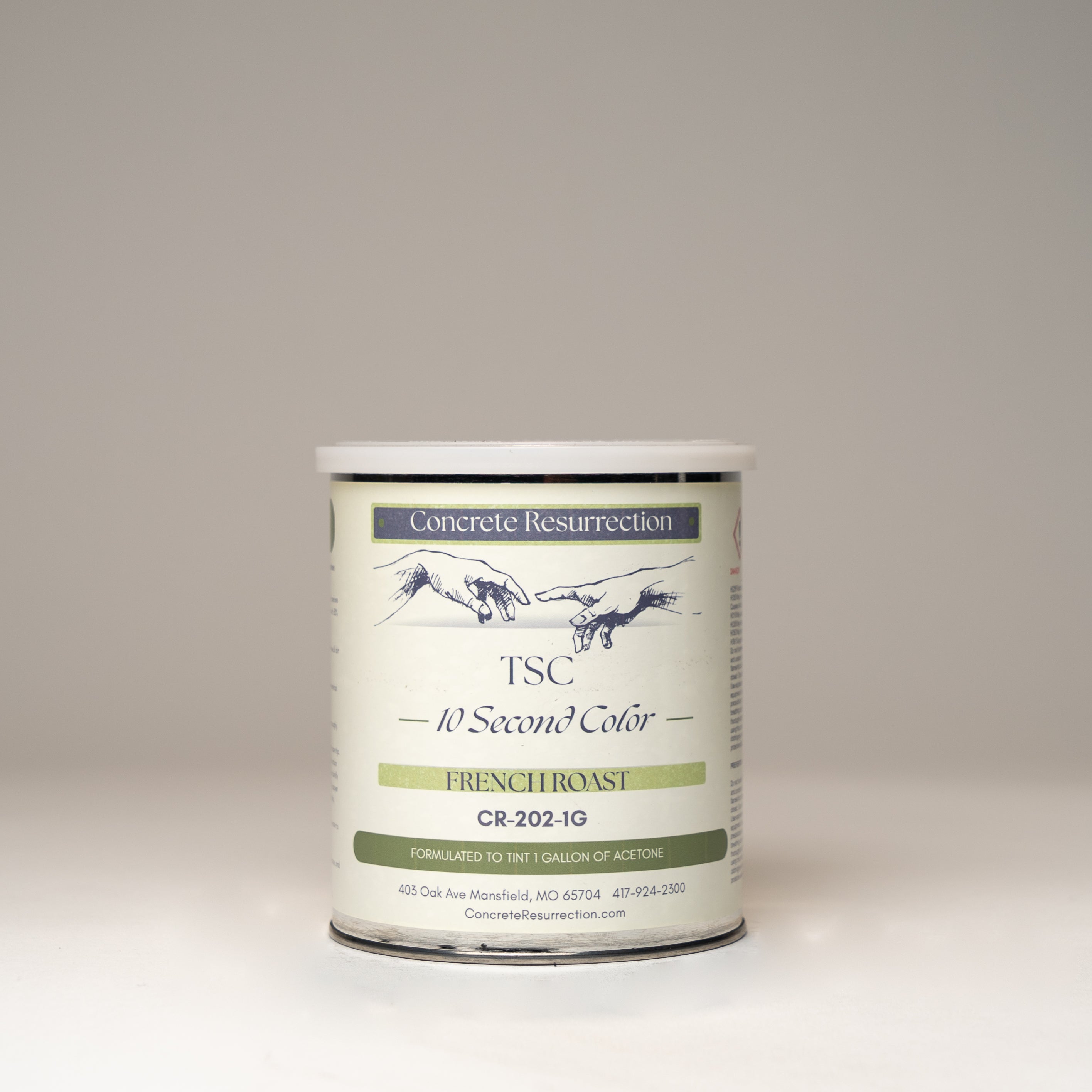
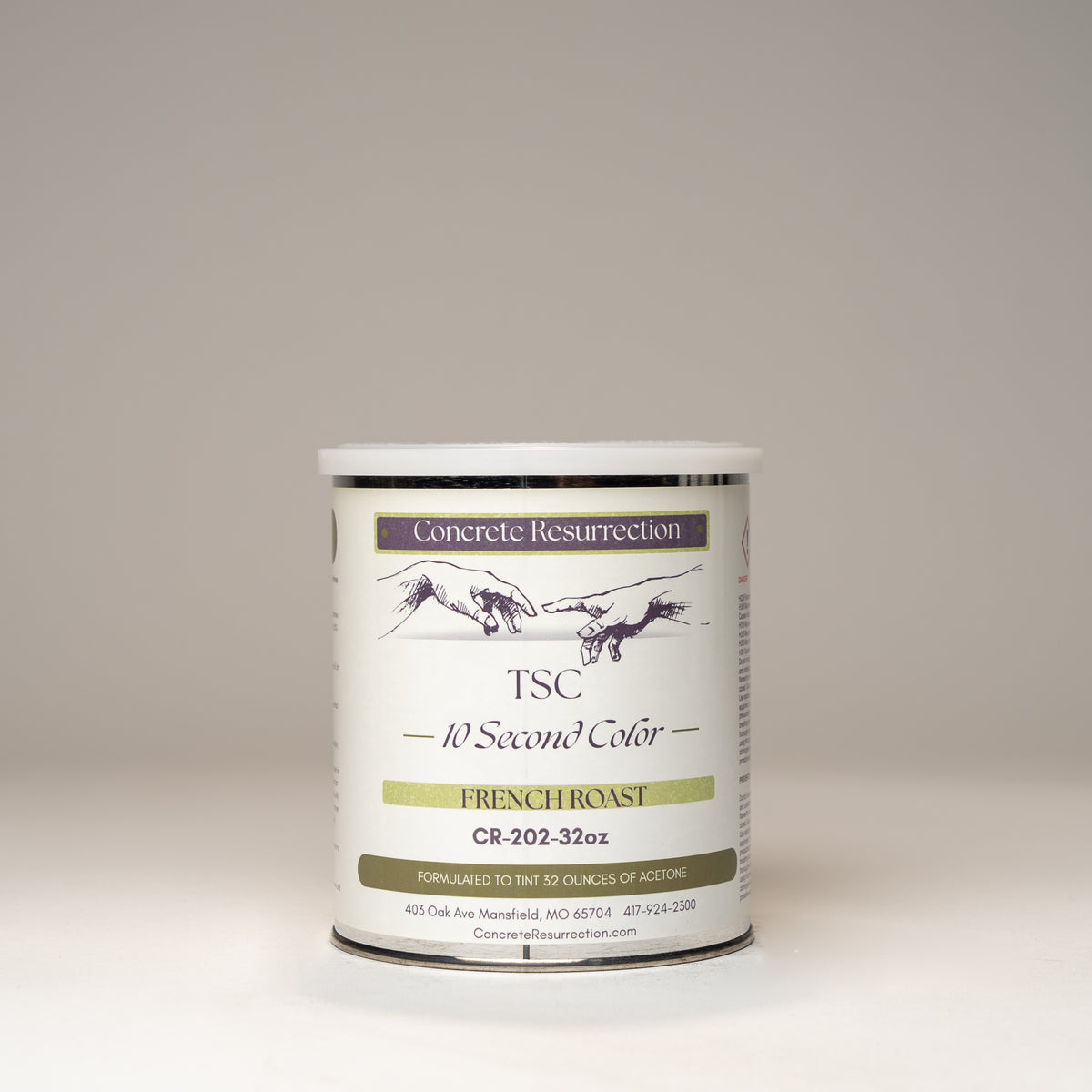
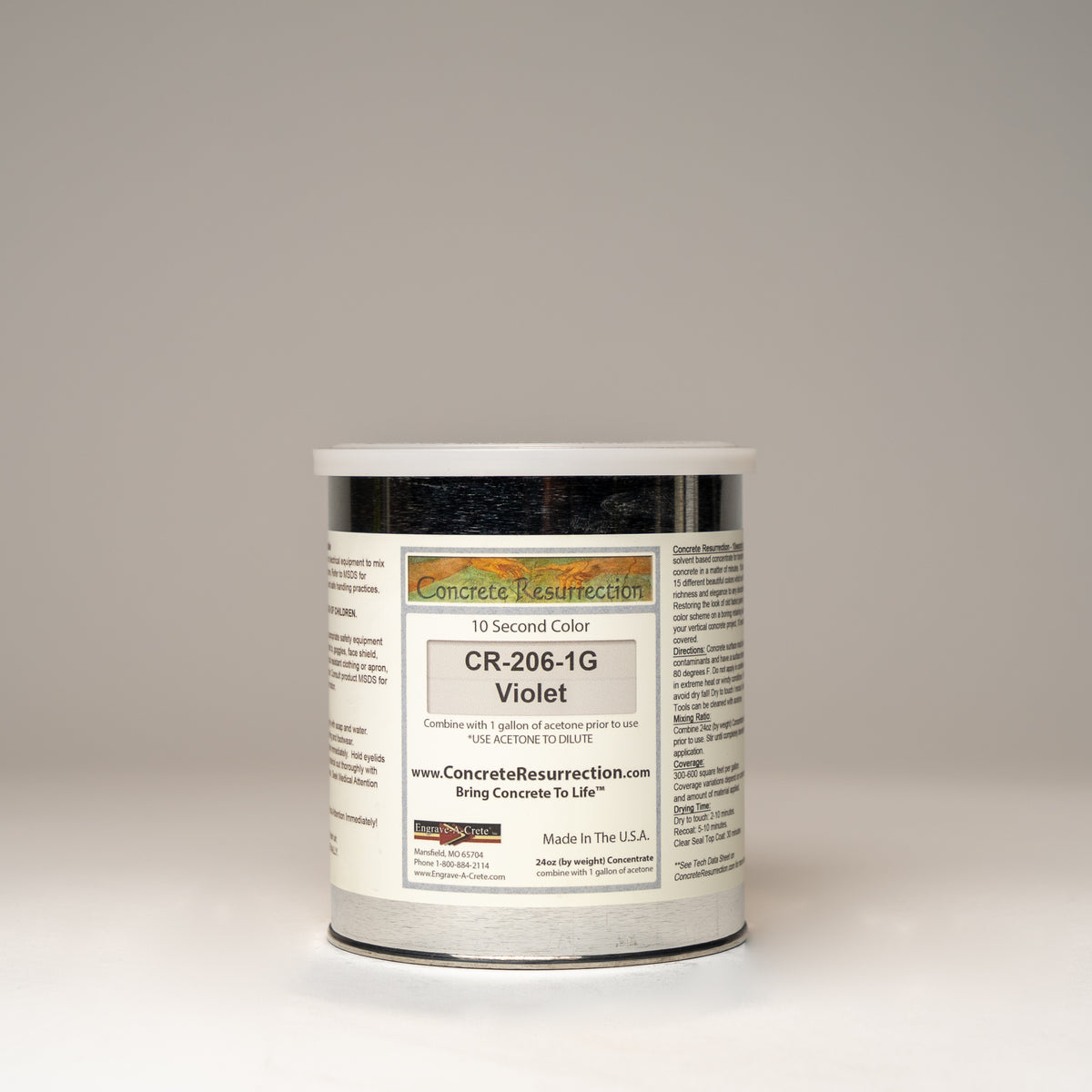
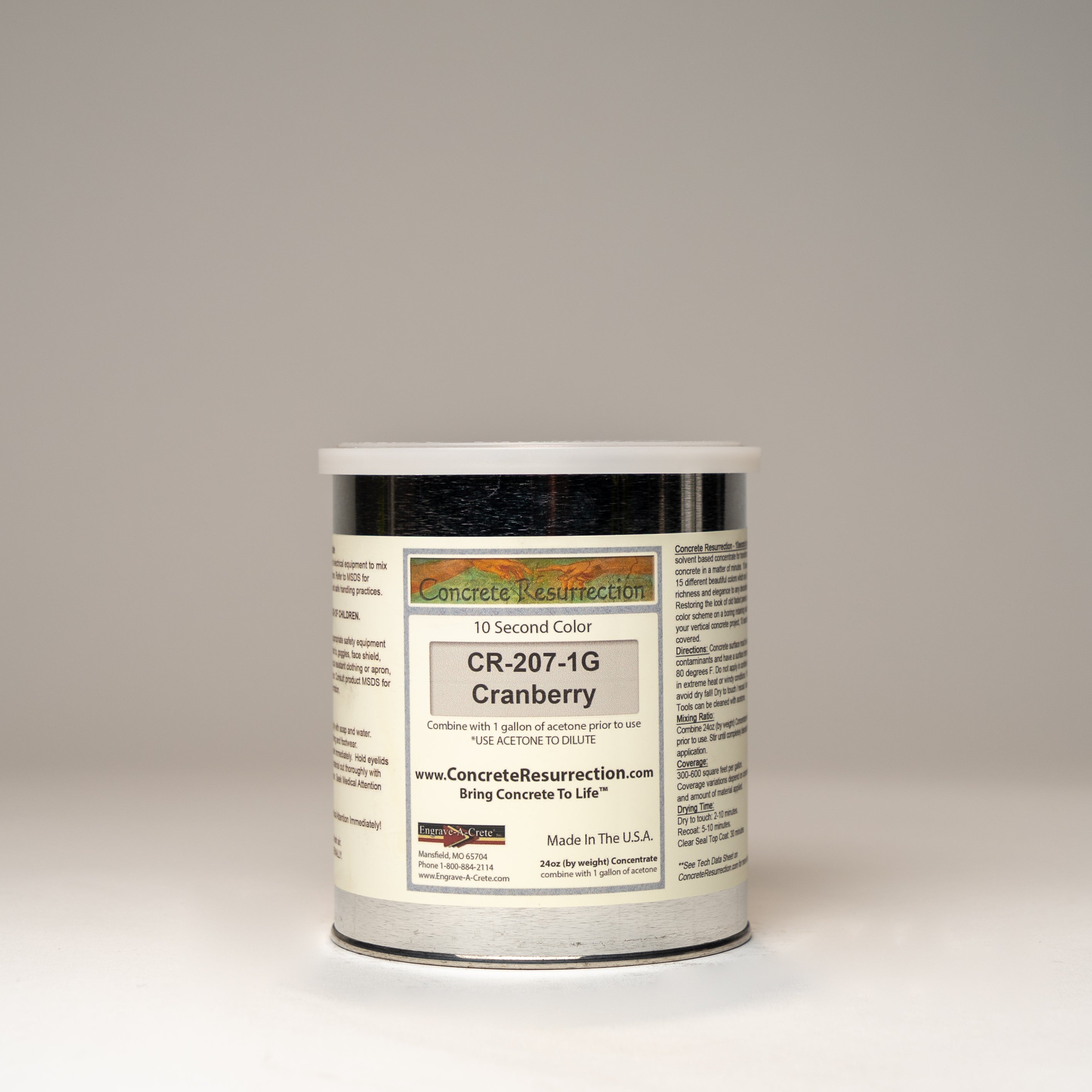
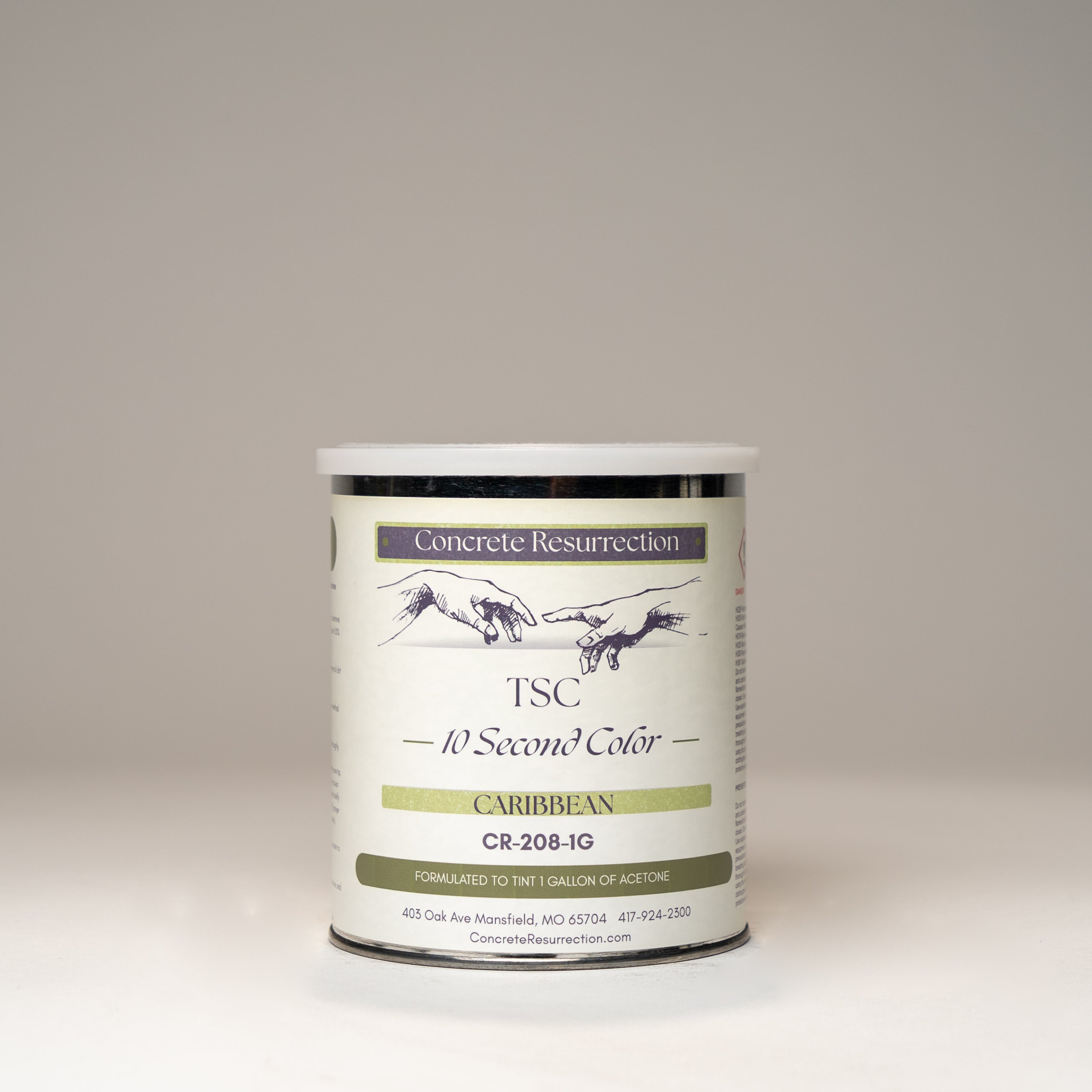
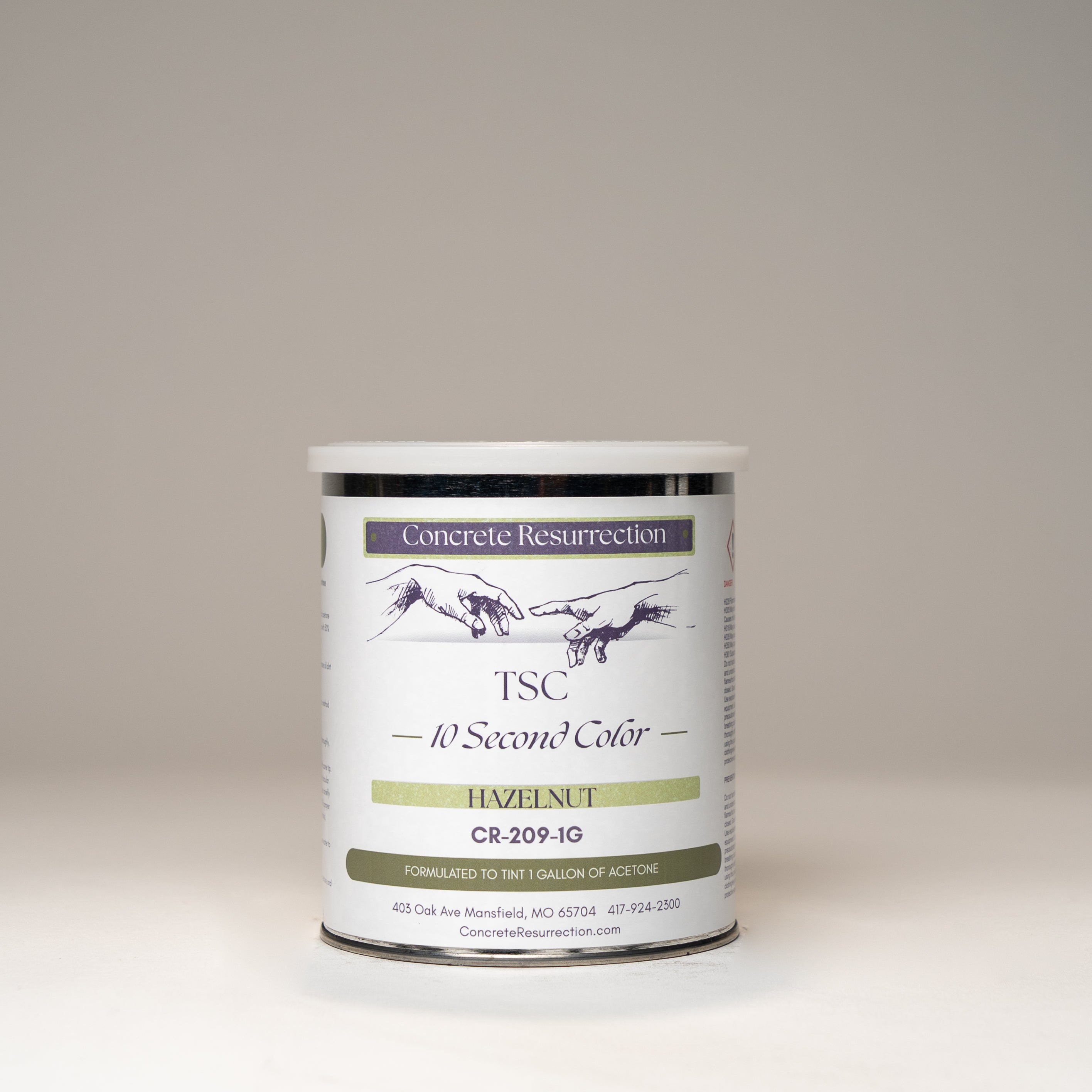
MUST ADD ACETONE! This is for the pigment to color the acetone. Acetone must be purchased locally. The one quart requires 32 ounces of Acetone - One gallon size is 24 ounces of pigment and requires 1 Gallon of acetone.
Choose options
Frequently Asked Questions
Concrete Resurrection Ten Second Color (TSC) is a fast-drying, acetone-based penetrating concrete stain. It creates translucent, mottled color similar to the look of acid stain, but without waiting for a chemical reaction to develop.
TSC dries in seconds and colors can be used individually, layered, or blended to create custom decorative effects.
Yes. TSC must be mixed with acetone before application. Acetone is not included and should be purchased locally.
32 oz size: Add 32 oz of acetone to the pre-measured TSC pigment.
1 gallon size: Add 1 gallon of acetone to the pre-measured TSC pigment.
Mix thoroughly before applying.
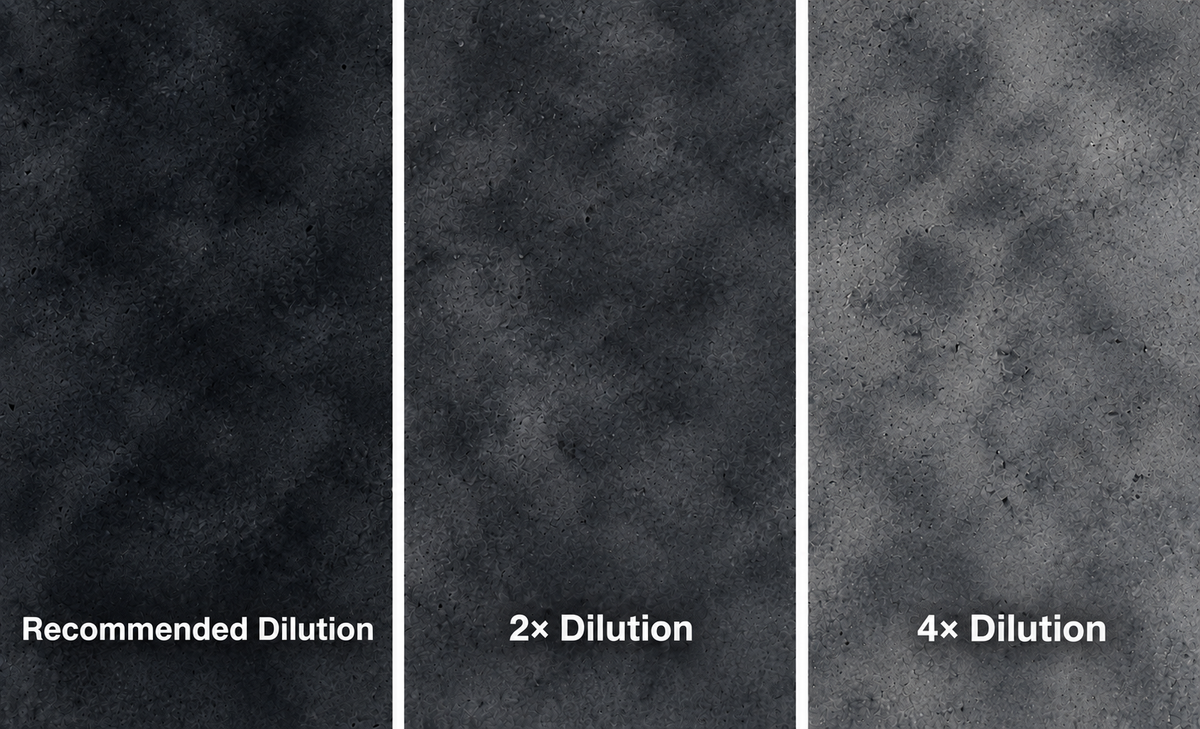
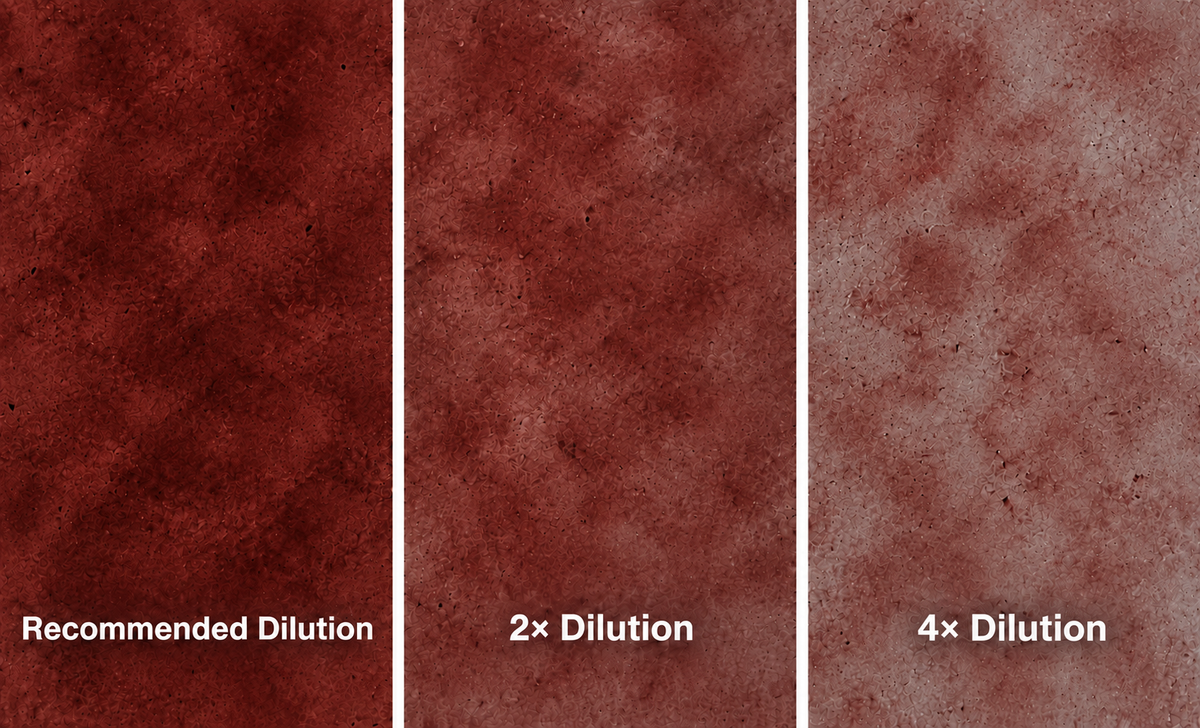
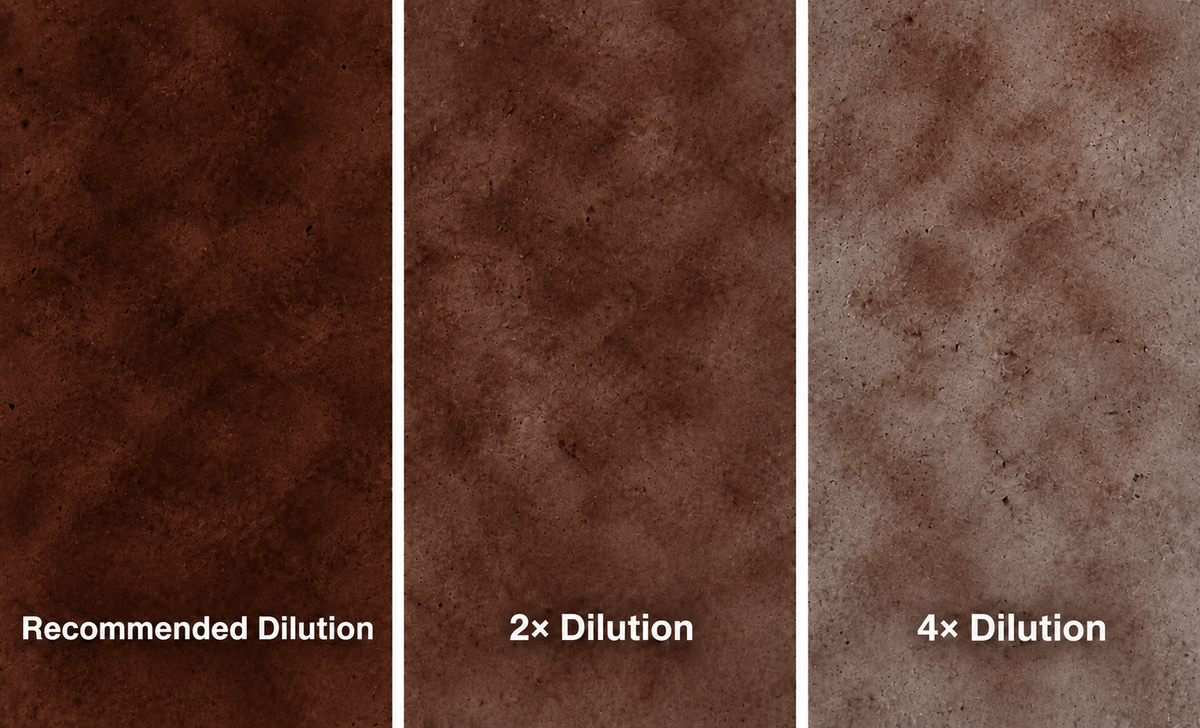
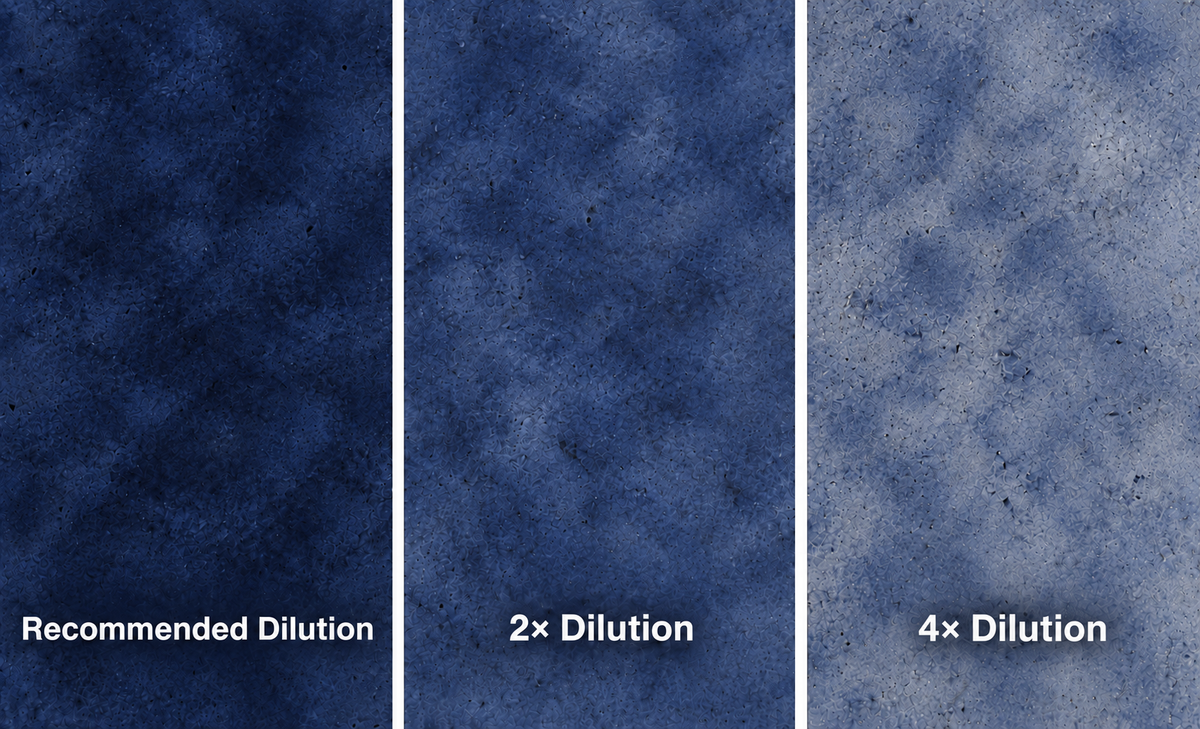
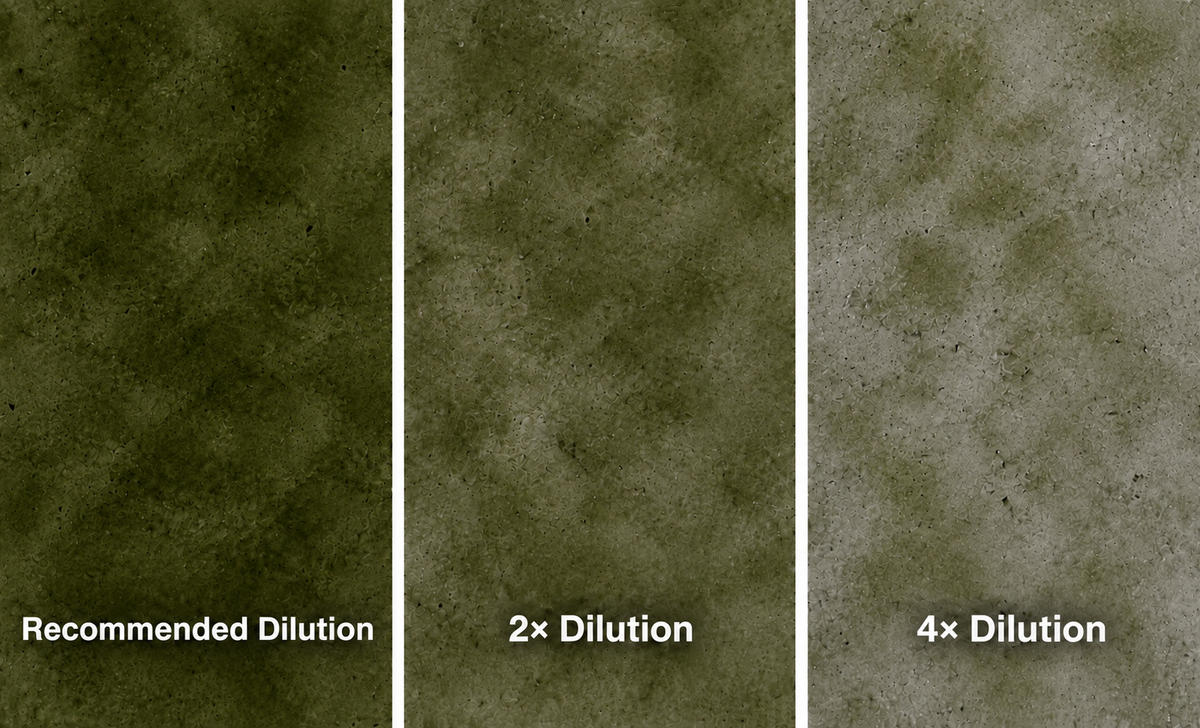
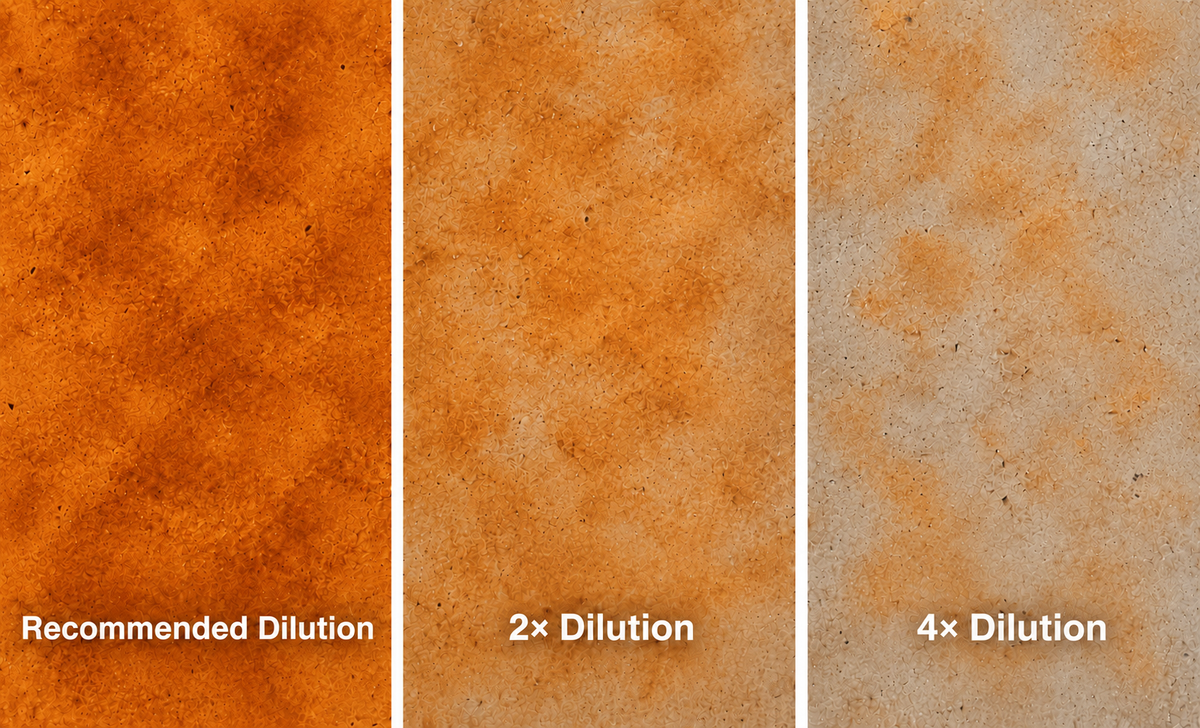
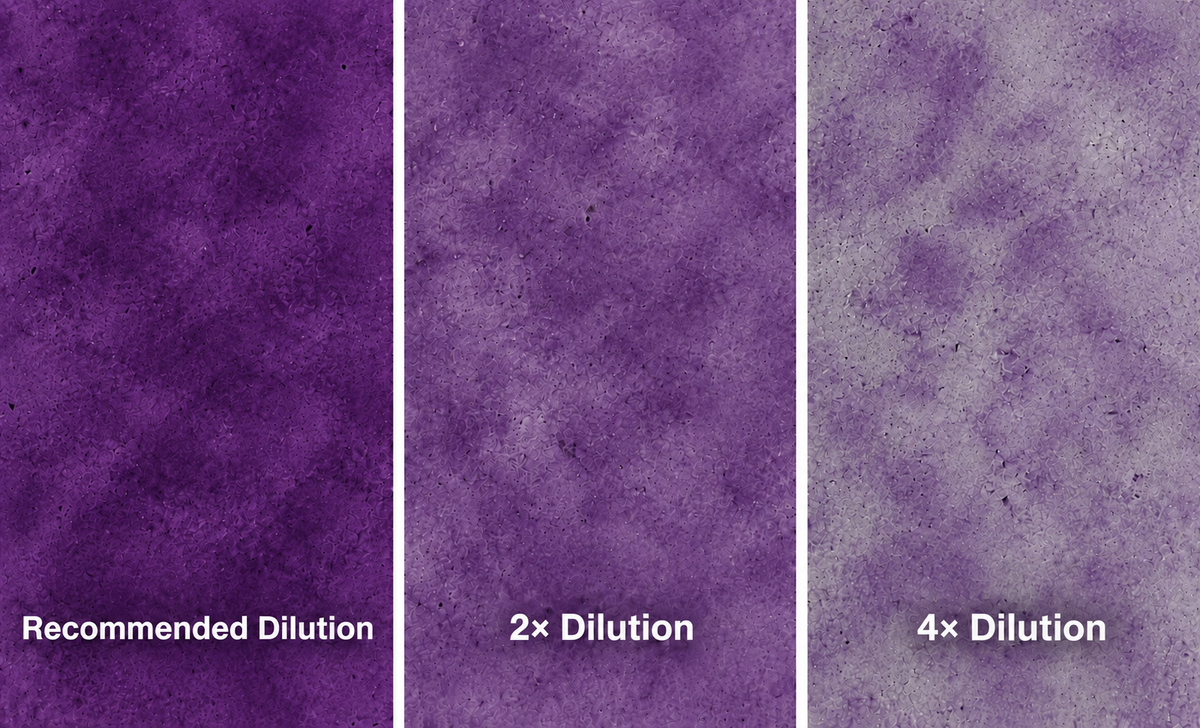
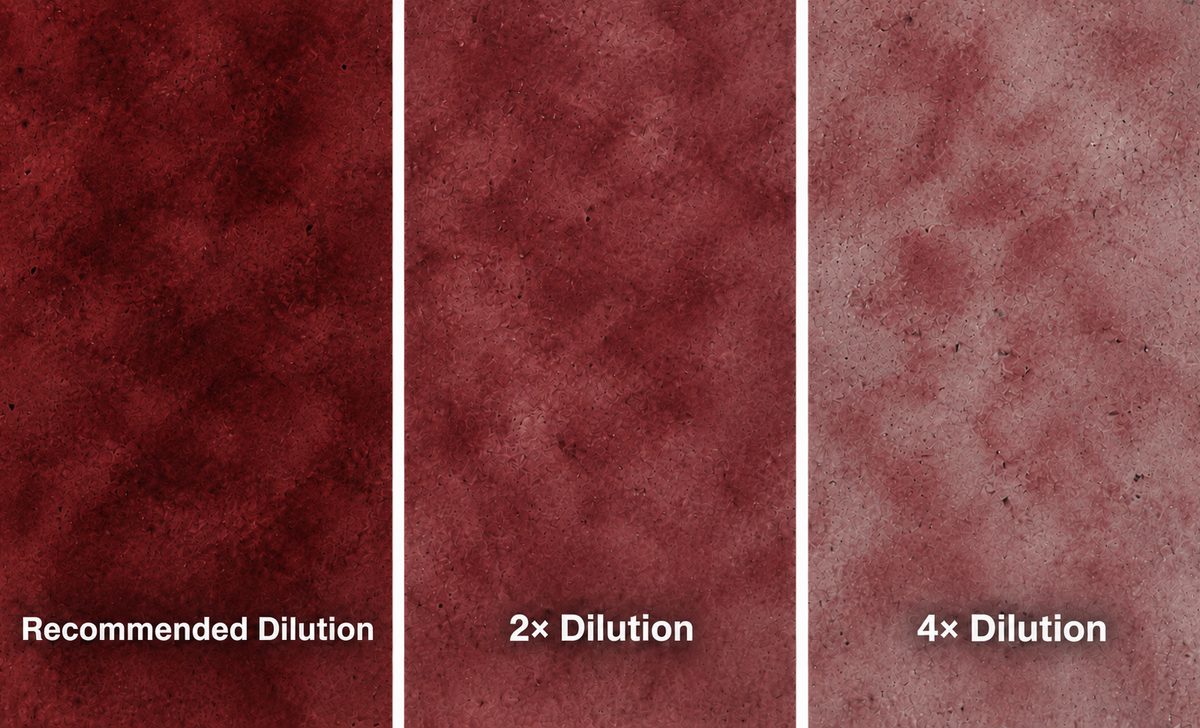
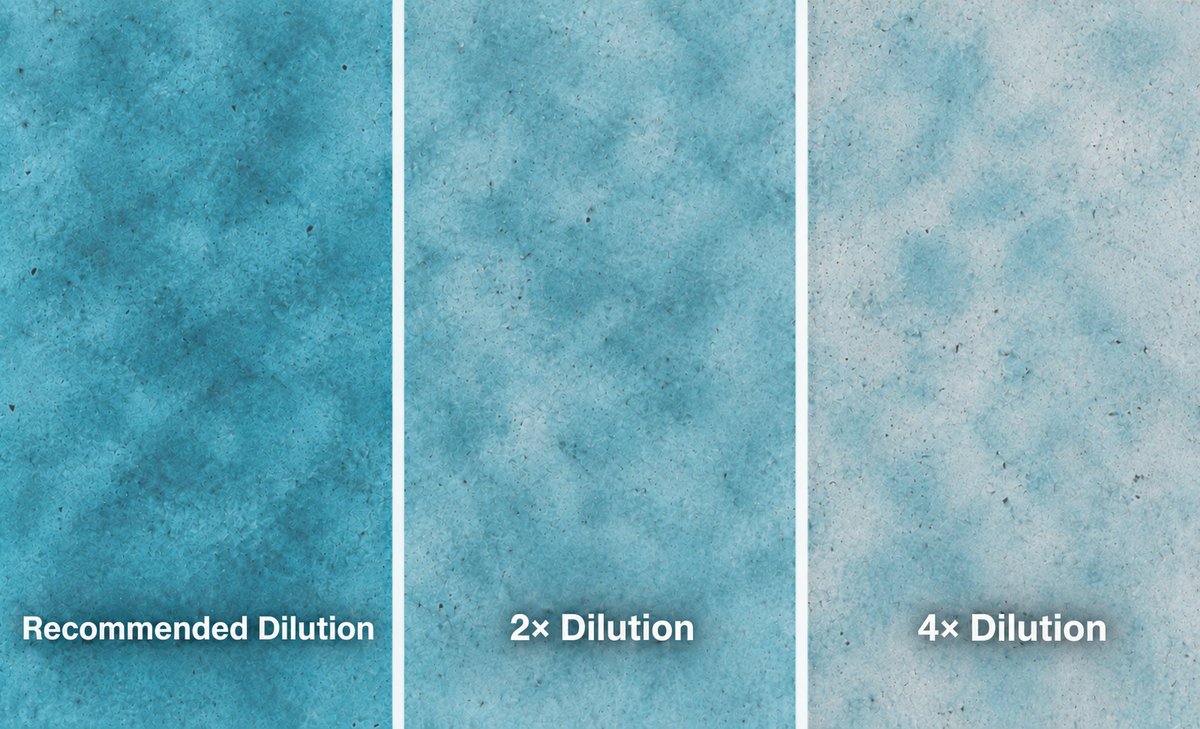
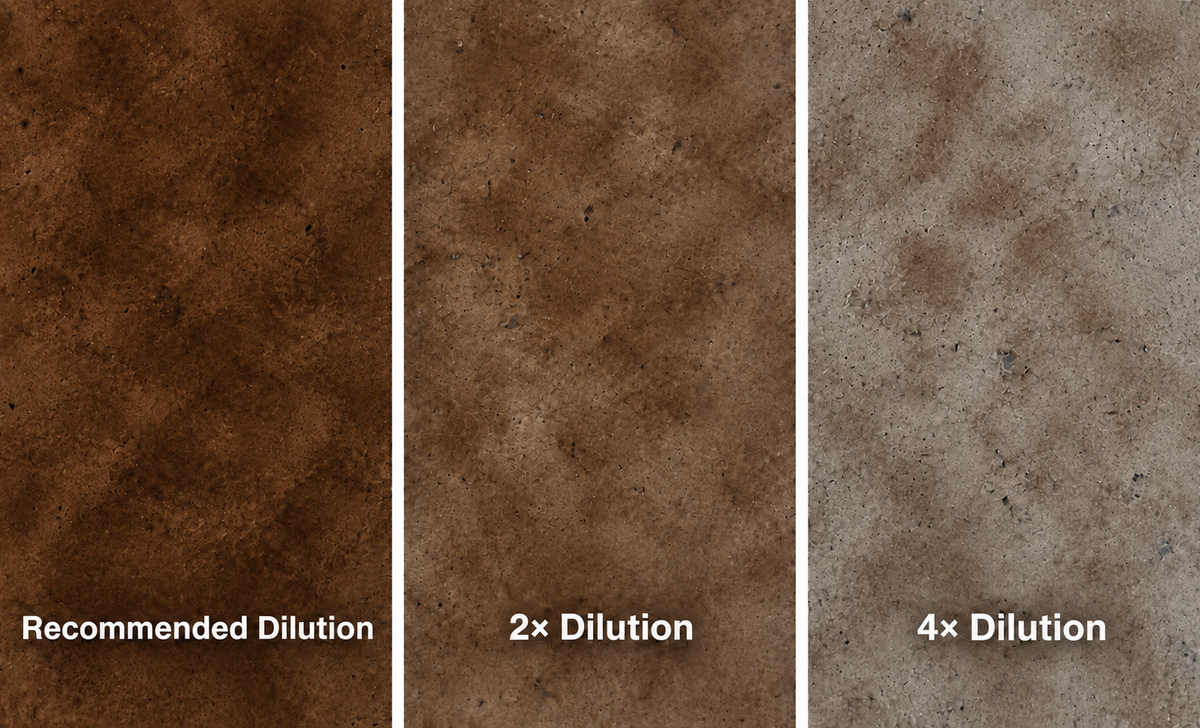
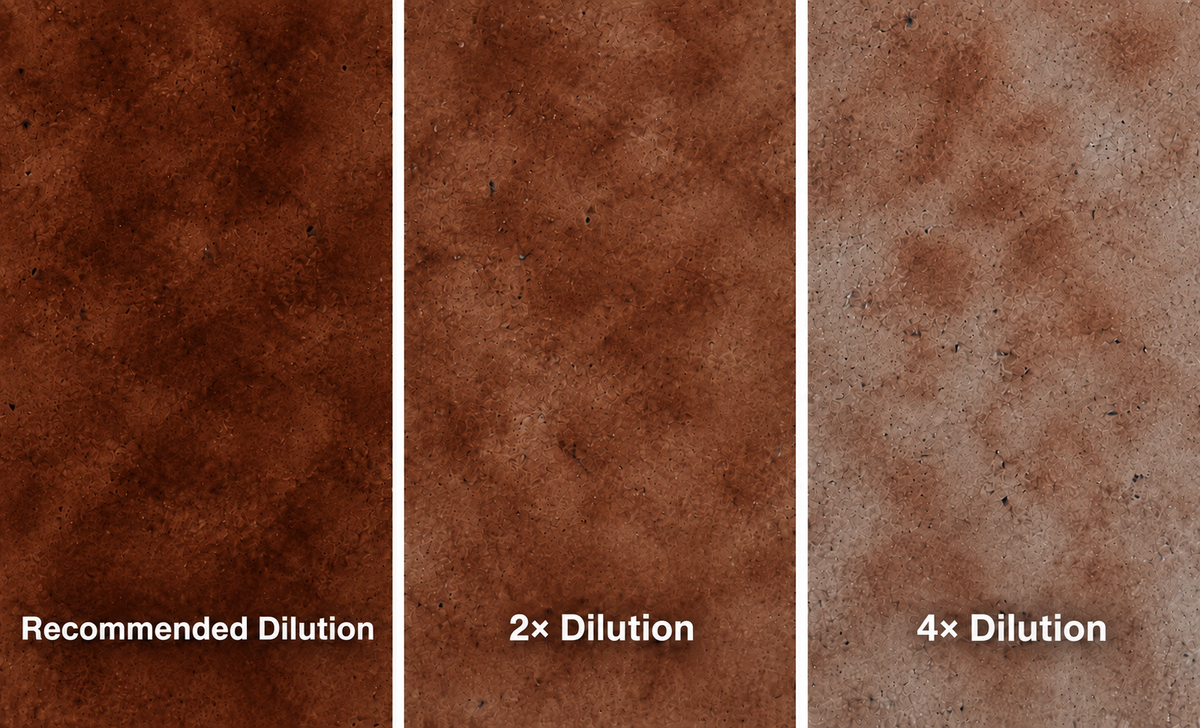
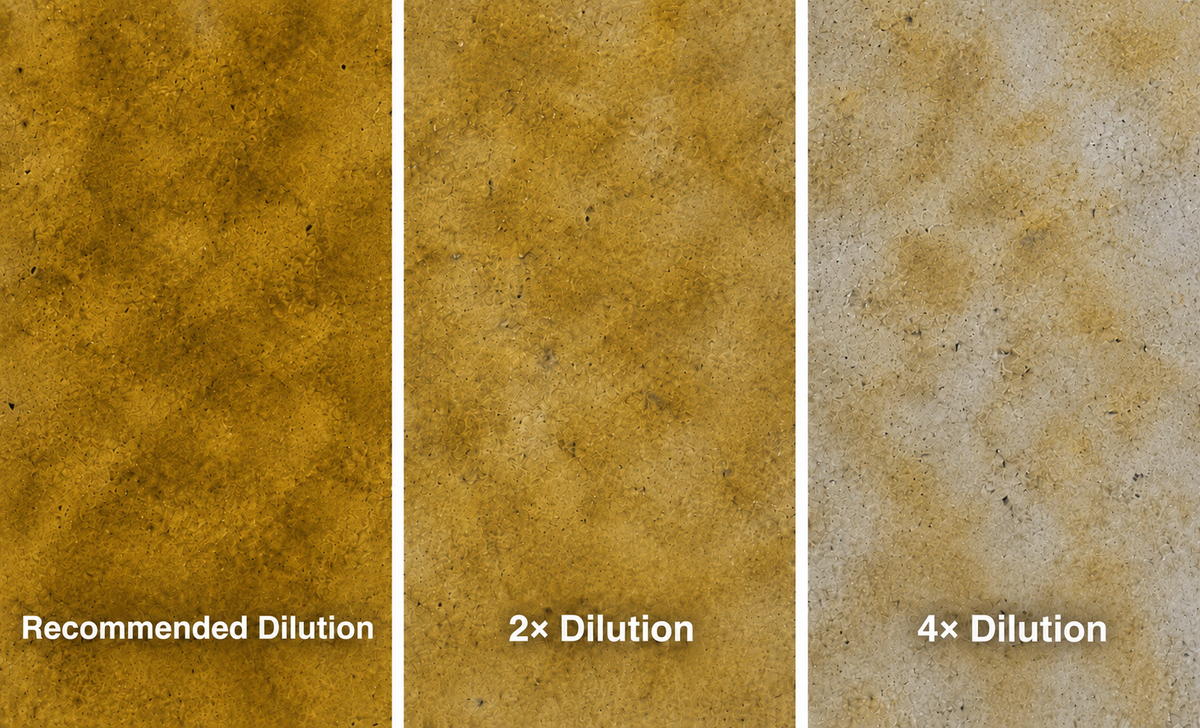
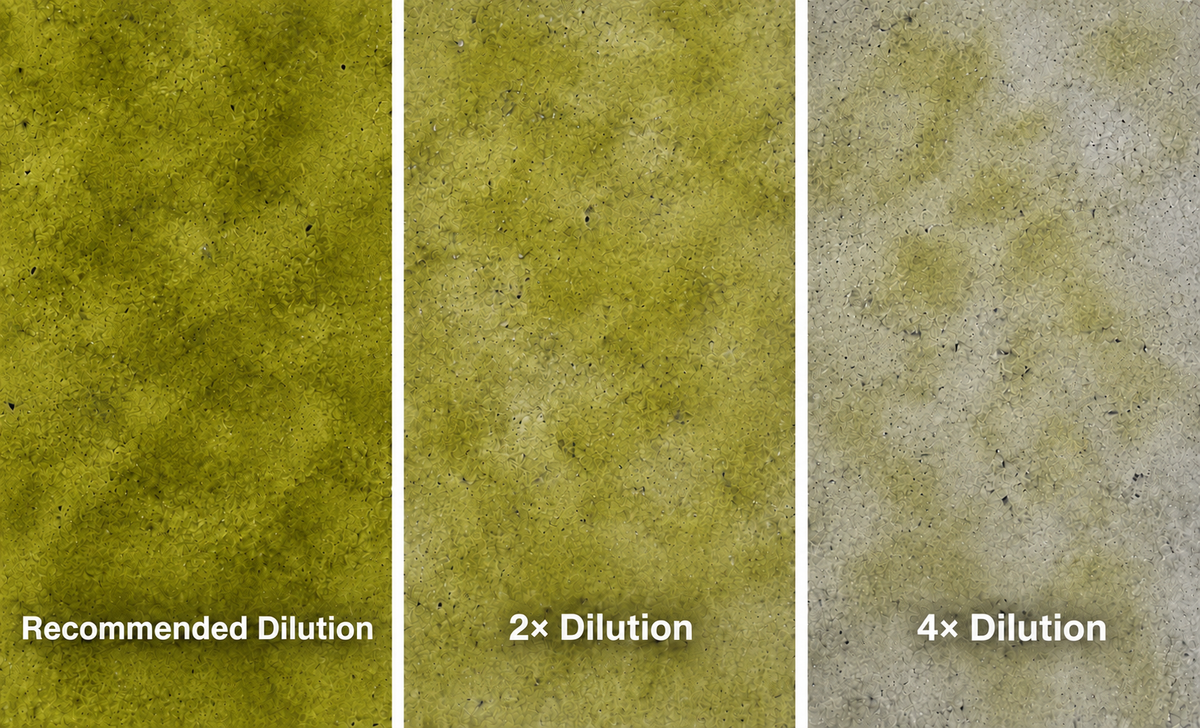
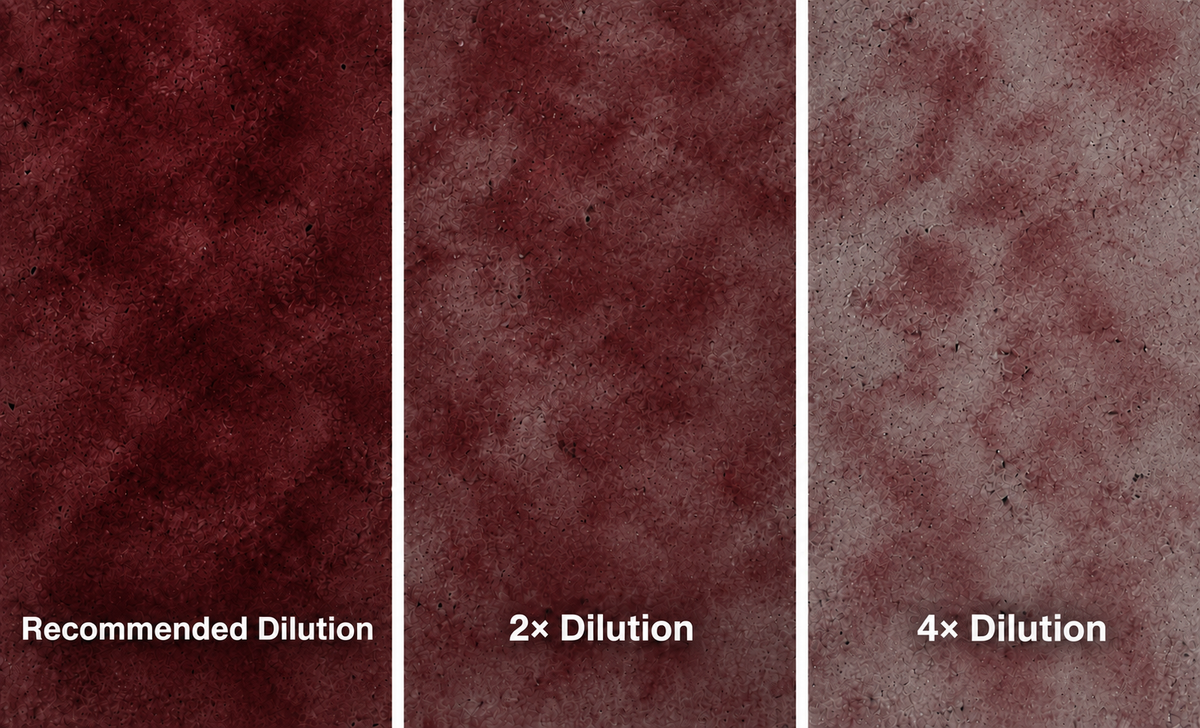
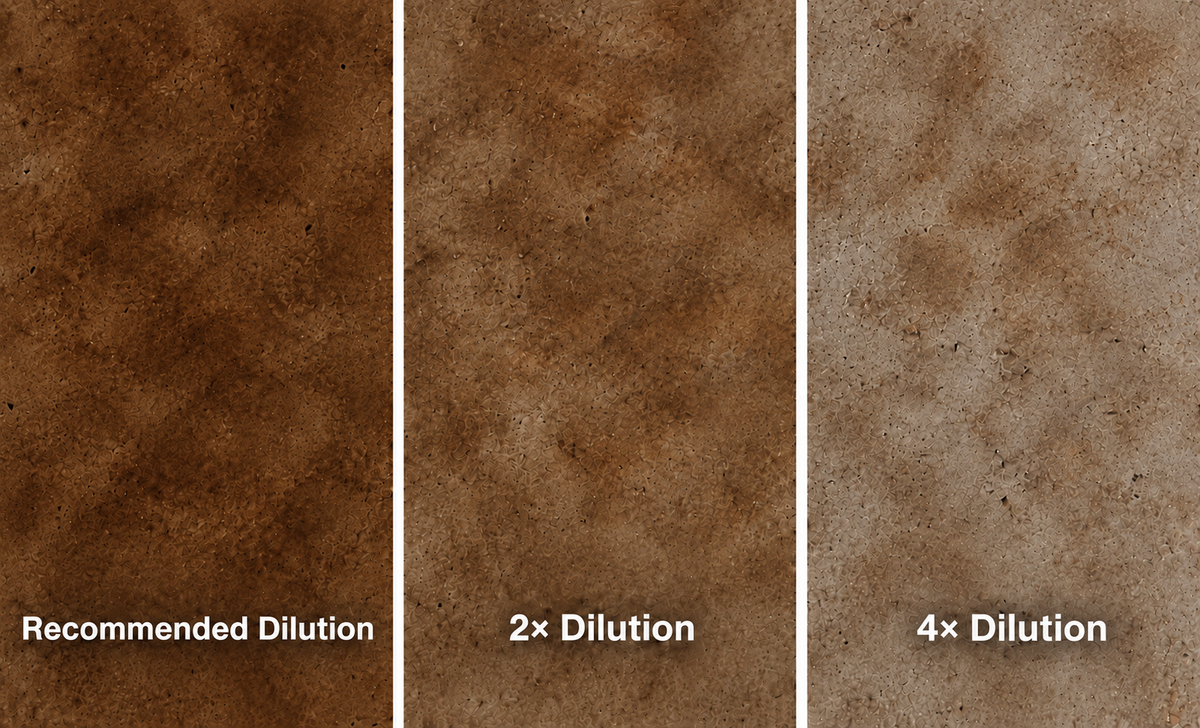
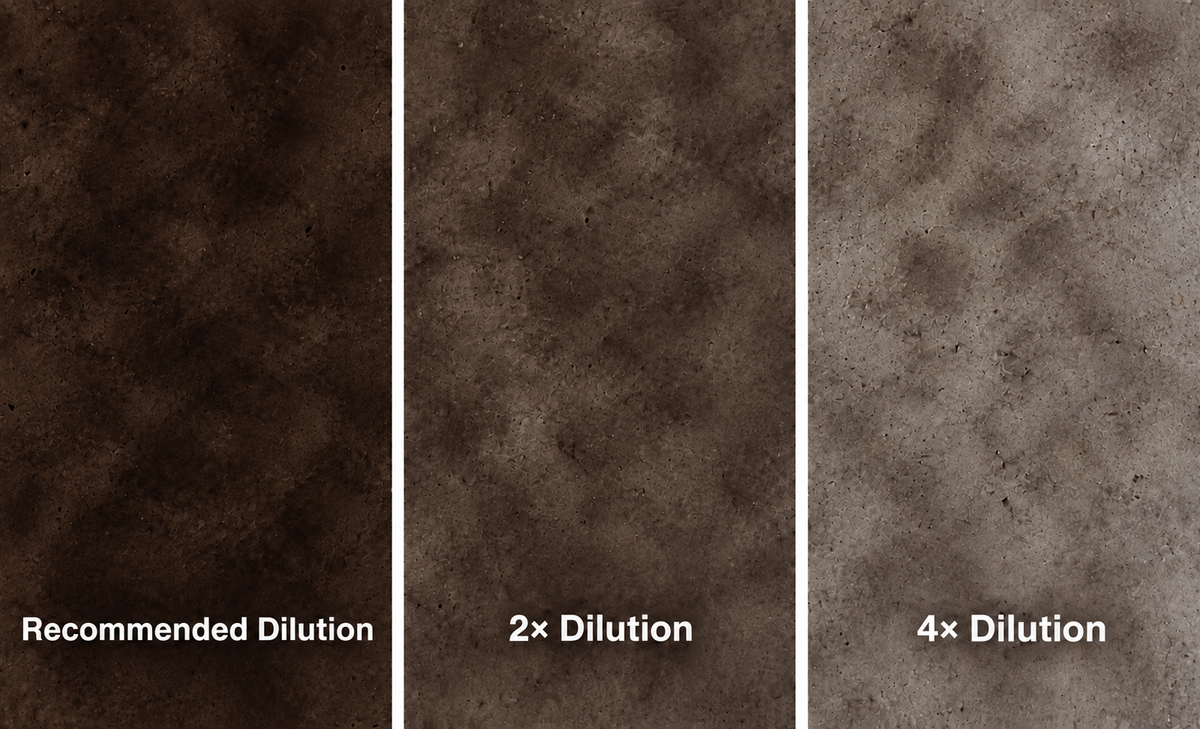
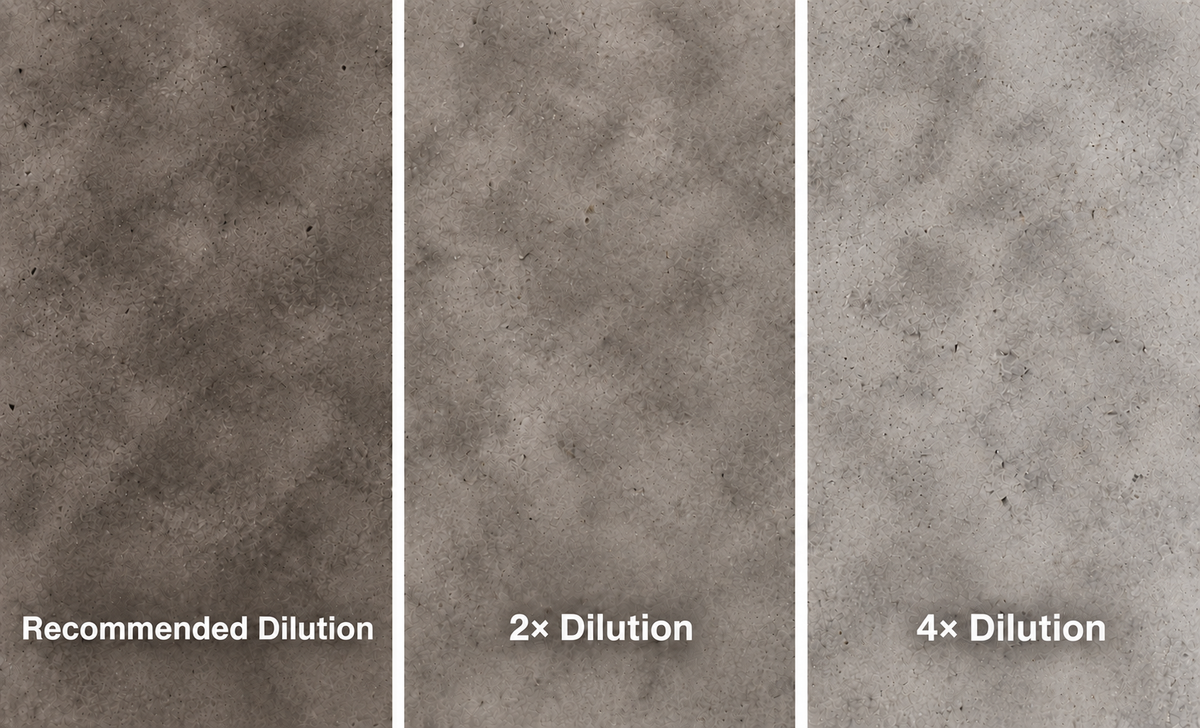
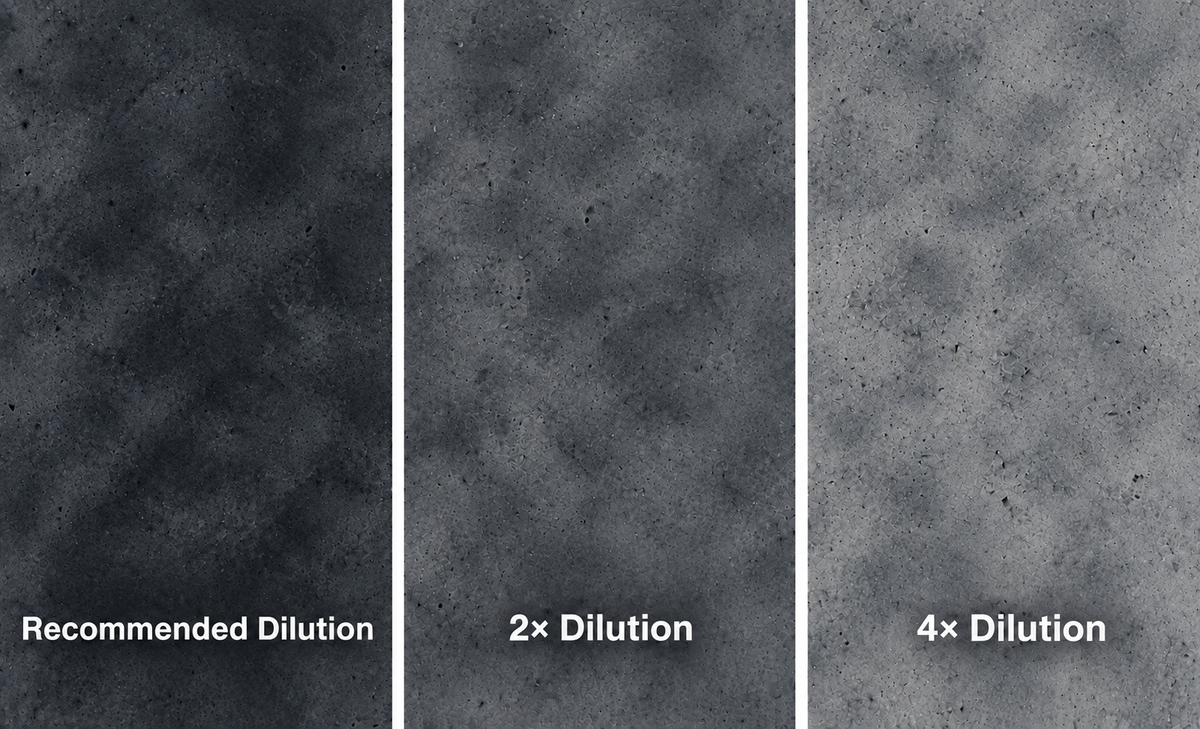
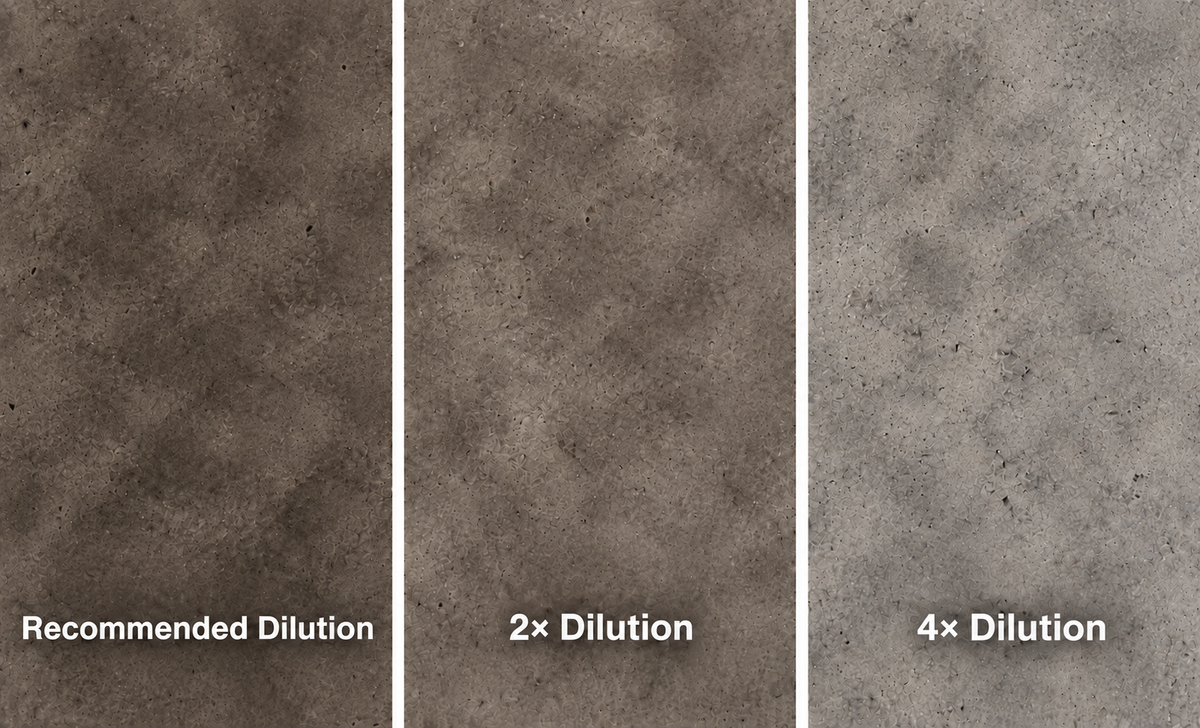
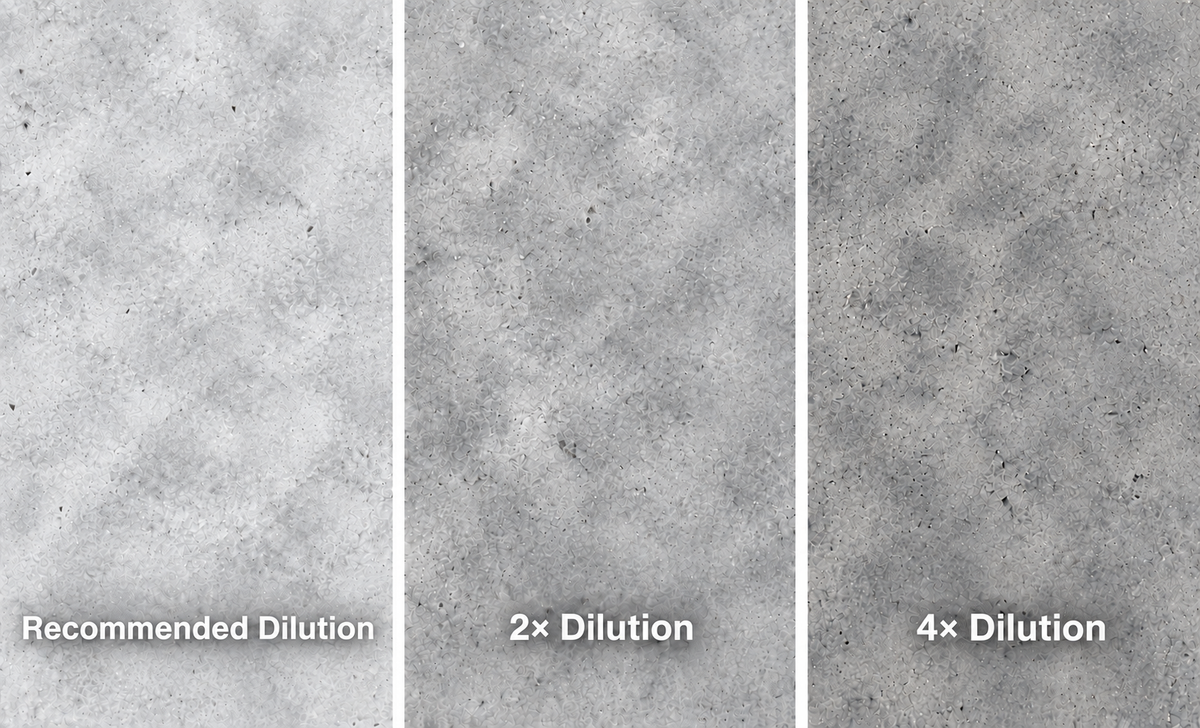
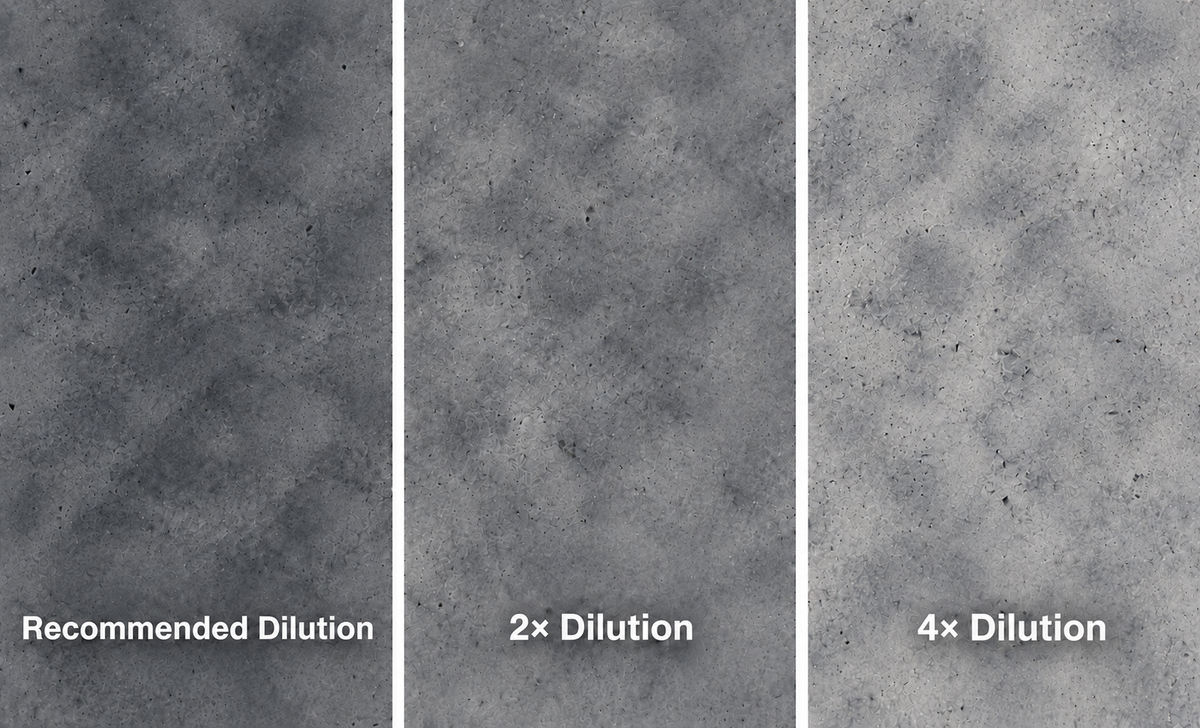
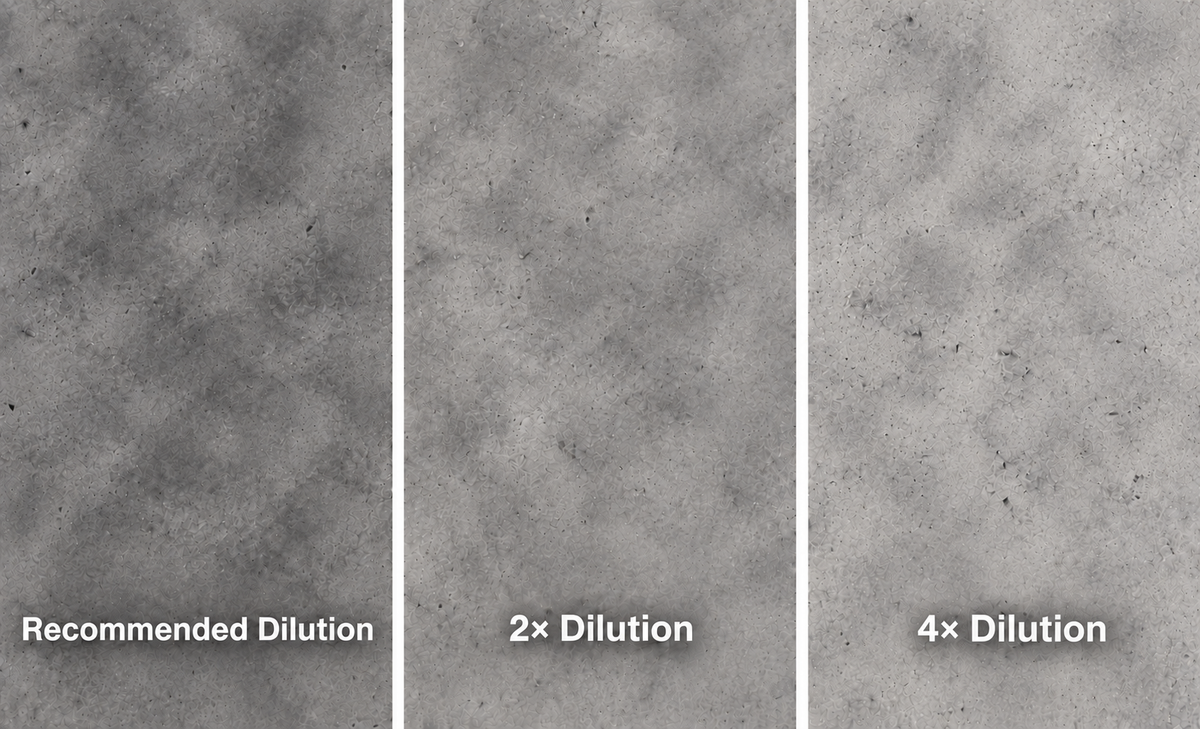
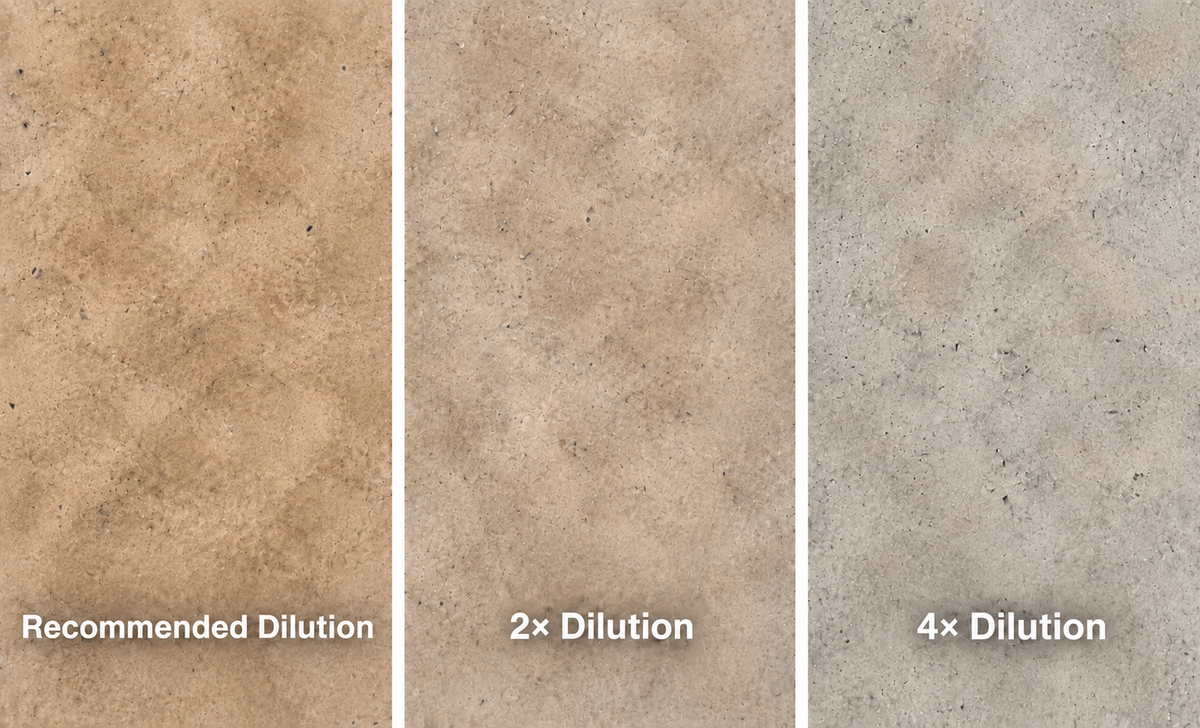
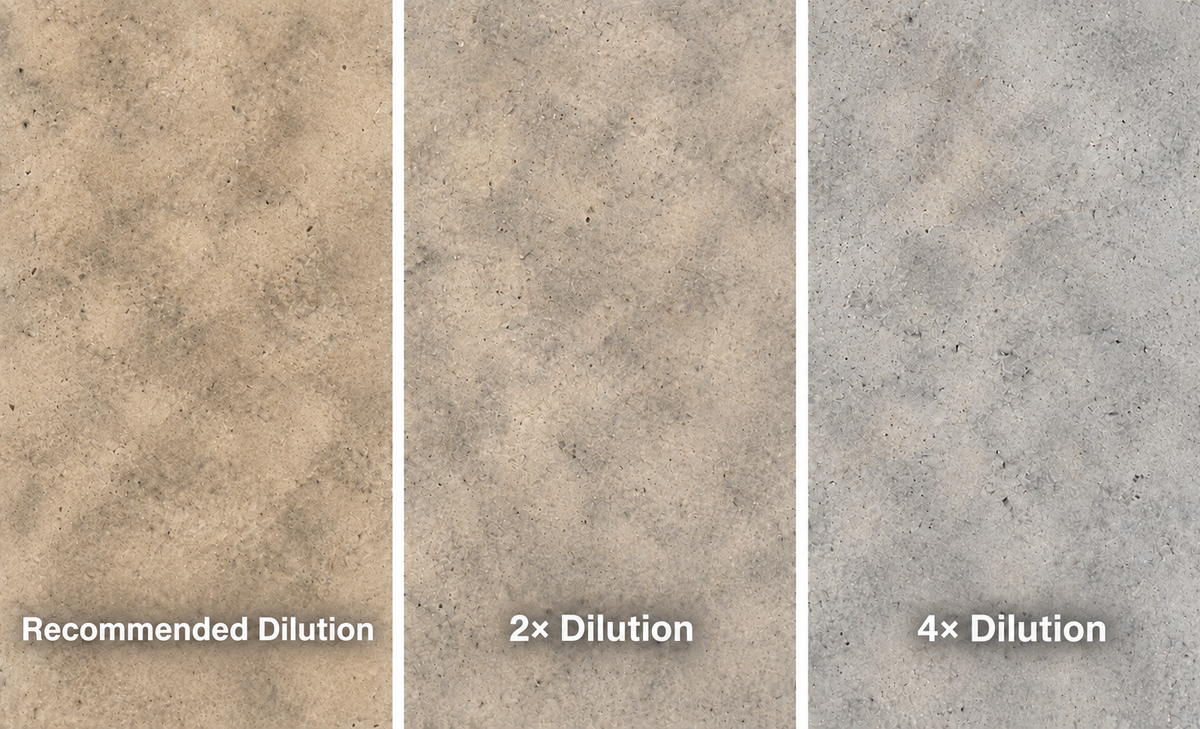
Concrete Resurrection TSC Ten Second Color can be diluted with additional acetone to create a lighter, softer, and more translucent color effect.
TSC can be diluted with up to 5 times the standard amount of acetone, giving you a lot of flexibility in how bold or subtle you want your finished concrete to look.
- Standard dilution: Produces stronger, more vibrant color.
- Additional acetone: Creates a lighter, more translucent appearance.
- Up to 5X acetone: Creates a very subtle wash of color that allows more of the natural concrete and its variations to show through.
DIY Tip: When you're looking for a subtle finish, start lighter and build your color with additional applications. It's much easier to add another light layer of TSC than to remove color that's too dark.
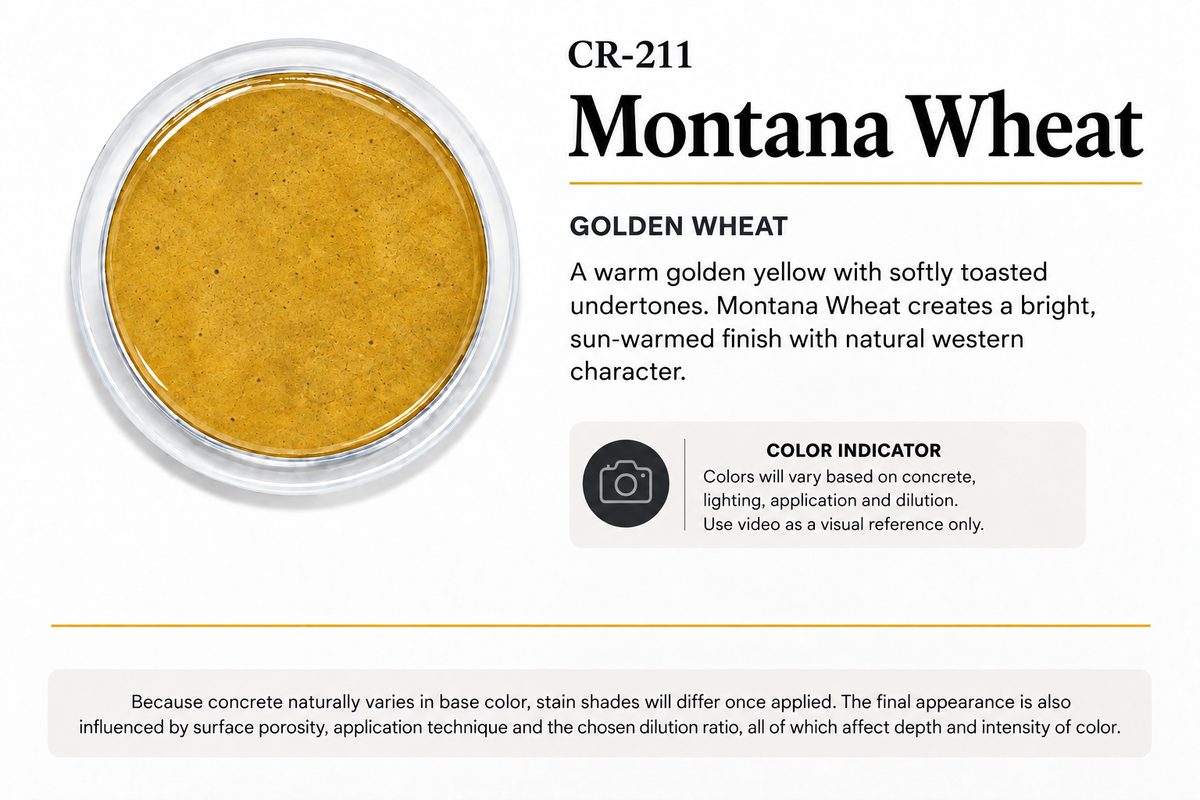
Always test your dilution on the actual concrete before staining the entire project. Concrete porosity, existing color, texture, and your final sealer can all affect how the finished color appears.
Want a custom look? Try layering different TSC colors at lighter dilutions to create natural-looking depth, movement, and variation.
Important: Acetone is extremely flammable. Follow all safety precautions on the acetone container and TSC product instructions.
Coverage will vary depending on the porosity of your concrete and how heavily the stain is applied.
As a general guideline:
- 32 oz size: Makes approximately 2 quarts of ready-to-apply stain
- Coverage: Approximately 100–150 sq. ft. per quart
- 1 gallon: Approximately 400–600 sq. ft.
Porous or textured concrete may require more material.
DIY Tip: When you're unsure, estimate toward the lower end of the coverage range so you don't run out in the middle of your project.
TSC needs clean, dry, porous concrete so the stain can properly penetrate the surface.
Remove paint, sealer, oil, grease, wax, curing compounds, and other contaminants.
The concrete must also be opened up using an appropriate preparation method. Depending on the project, this may include grinding, sanding, a coatings-removal pad, pressure washing for exterior concrete, or Concrete Resurrection CR-765 Surface Prep & Etch.
For interior concrete, a properly prepared surface should have a light texture similar to approximately 120-grit sandpaper.
If CR-765 Surface Prep & Etch is used, the concrete must then be neutralized with CR-585 Surface Neutralizer, thoroughly rinsed, and allowed to dry completely before staining.
Try a simple water test before staining.
Place a small amount of water on several areas of the concrete. The water should absorb into and darken the concrete rather than bead on top.
If it beads, there may still be sealer, coating, or another contaminant preventing the TSC from penetrating properly.
The concrete must be completely dry before TSC is applied.
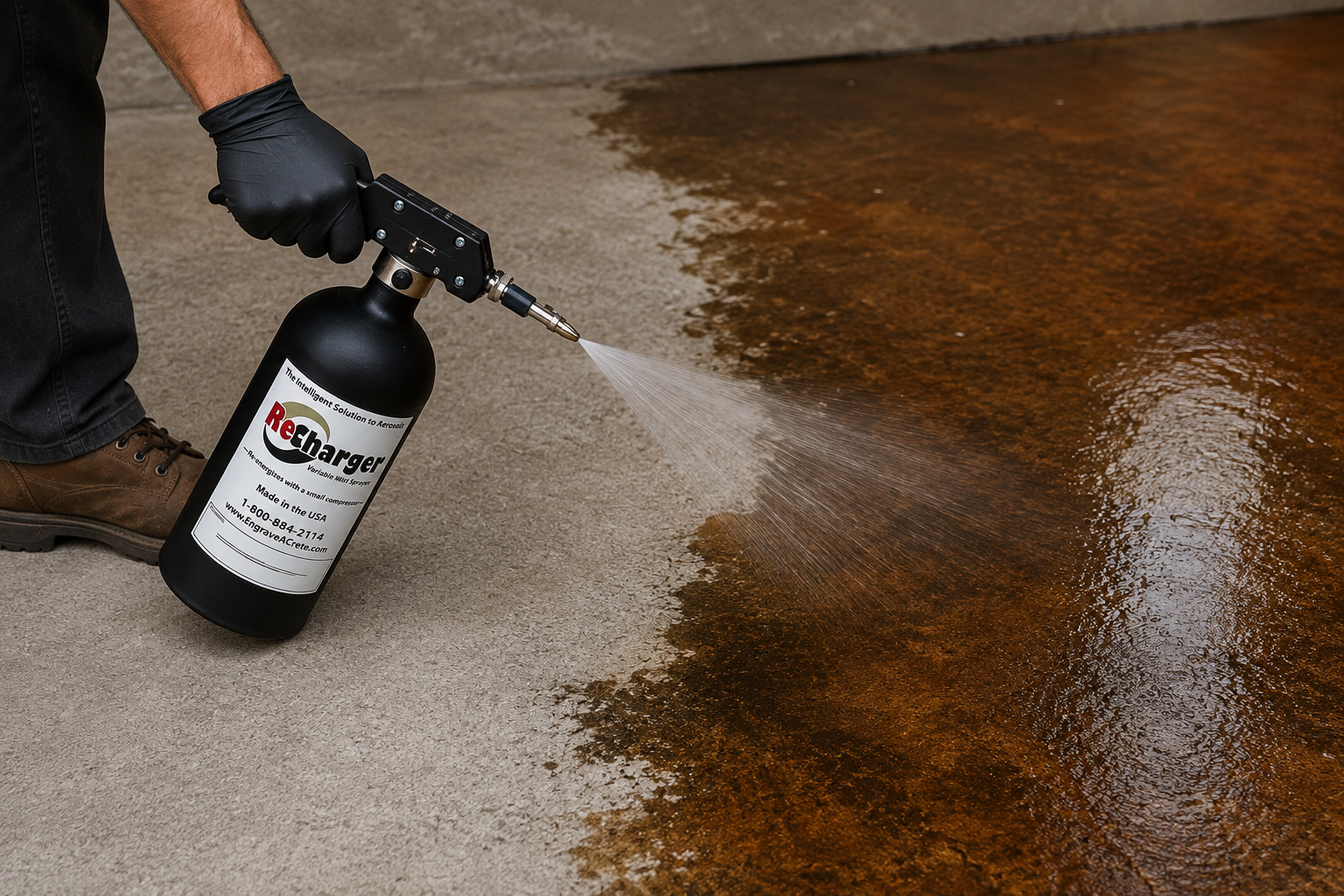
For most projects, we recommend an acetone-compatible pump-up sprayer with a cone tip.
Hold the sprayer approximately 24 inches above the concrete and apply the stain using a consistent circular motion.
Apply a light, even coat. When applied properly, the concrete should appear wet for only a few seconds.
What kind of sprayer should I use with TSC?
Use a sprayer specifically designed to handle acetone and solvent-based materials.
Concrete Resurrection's ReCharger Variable Mist Sprayer is an excellent choice for TSC application.
Do not assume a standard garden or household pump sprayer is acetone-compatible. Acetone can damage seals, hoses, and other components that are not designed for solvent use.
Do not allow TSC to puddle in low areas.
TSC can also be applied with a brush, roller, or appropriate HVLP spray equipment when the project or decorative technique calls for it.
Absolutely! Layering and blending colors is one of the best features of TSC.
You can use one color for a simple finish or layer multiple colors to create mottled, marbled, variegated, or faux-finished effects.
Allow each light application to dry before deciding whether additional color is needed.
DIY Tip: Start light. It is much easier to add another layer of color than to correct an area where too much stain was applied.
TSC is translucent, so the existing concrete remains part of the finished appearance.
Concrete color, age, porosity, texture, preparation, application technique, and the amount of stain applied can all influence the final result.
Always test your selected TSC color on the actual concrete before completing the entire project.
For the most accurate preview, take your test area through the complete process, including sealing.
No. TSC is an acetone-based stain and does not require neutralization or rinsing after application.
Neutralizer is only needed during the TSC process if an acidic preparation product, such as CR-765 Surface Prep & Etch, was used to prepare the concrete before staining.
No. Do not rinse TSC with water after application.
Some loose dye residue may remain on the surface after the stain dries. Vacuum the surface to remove loose residue before sealing.
Using water to clean loose TSC residue from the stained concrete is not recommended.
Yes. Applying a compatible clear sealer is strongly recommended to protect the stained surface and provide abrasion and UV resistance.
Choose a Concrete Resurrection sealer appropriate for your interior or exterior project.
When rolling sealer over TSC, avoid repeatedly working the roller over the same area. Some sealers can temporarily reactivate the dye and excessive rolling may disturb the finished color.
For exterior surfaces, consider adding an appropriate non-skid/skid-reducing additive to the sealer.
Yes. TSC can be used on properly prepared interior and exterior concrete and other suitable cementitious surfaces.
Always select a compatible Concrete Resurrection sealer designed for the location and conditions of your project.
No. TSC is a translucent penetrating stain, not an opaque paint.
Cracks, patches, repairs, aggregate, texture changes, and other characteristics of the concrete may remain visible and may accept the stain differently.
These natural variations are often what give a TSC floor its unique decorative appearance.
Every concrete slab is different. A test area allows you to see how the color, concrete, application technique, and sealer work together before committing to the entire project.
Apply the test using the same method you plan to use on the full floor.
For the best representation of your finished project, stain and seal the test area before making your final color decision.
TSC is mixed with acetone, which is highly flammable.
Keep the product away from flames, sparks, pilot lights, smoking, and other ignition sources. Provide plenty of ventilation and follow the safety and personal protective equipment recommendations provided with the products.
Do not use electrical mixing equipment to mix TSC pigment with acetone.
Protect walls and surrounding surfaces with masking paper or plastic before spraying because the fine spray can travel beyond your immediate work area.