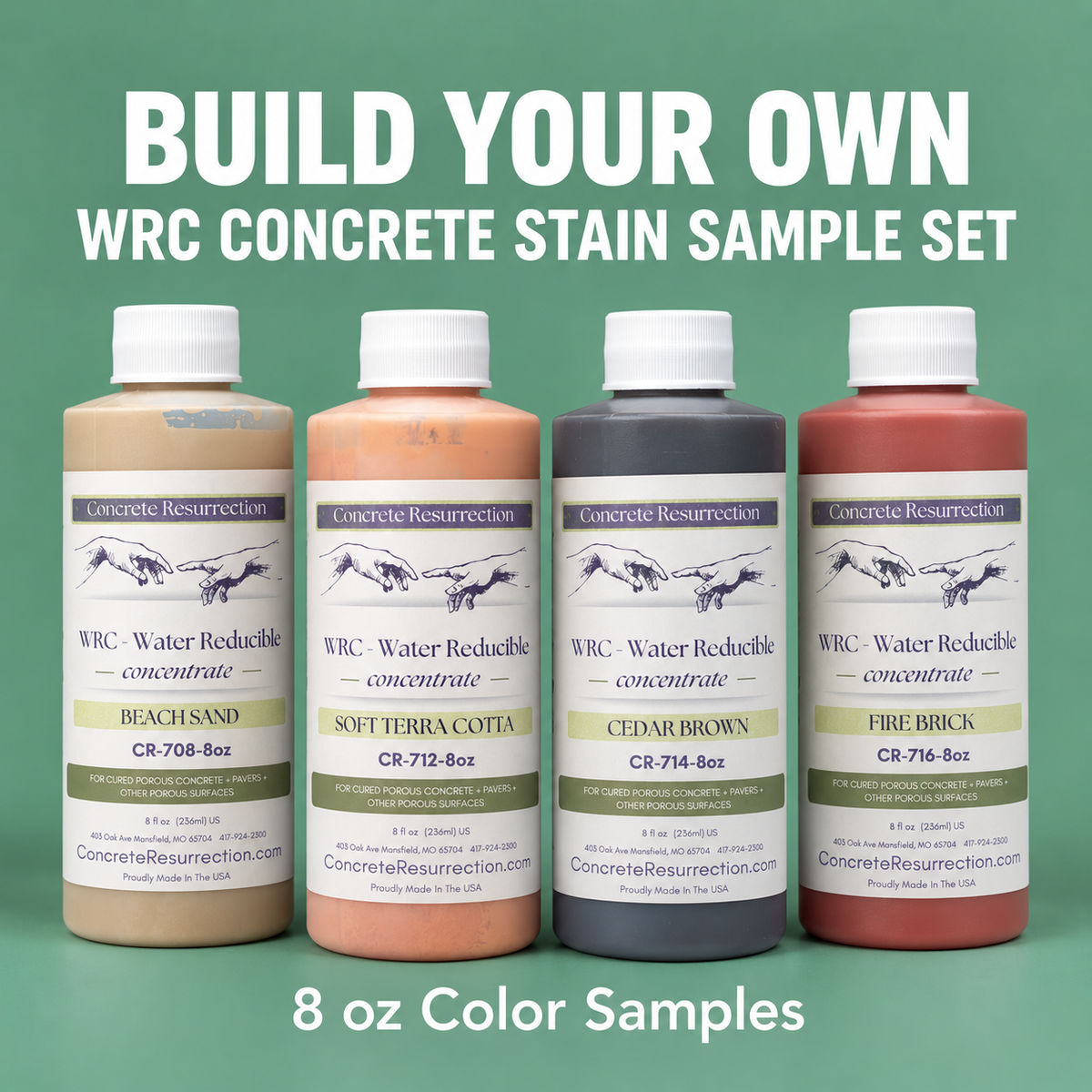

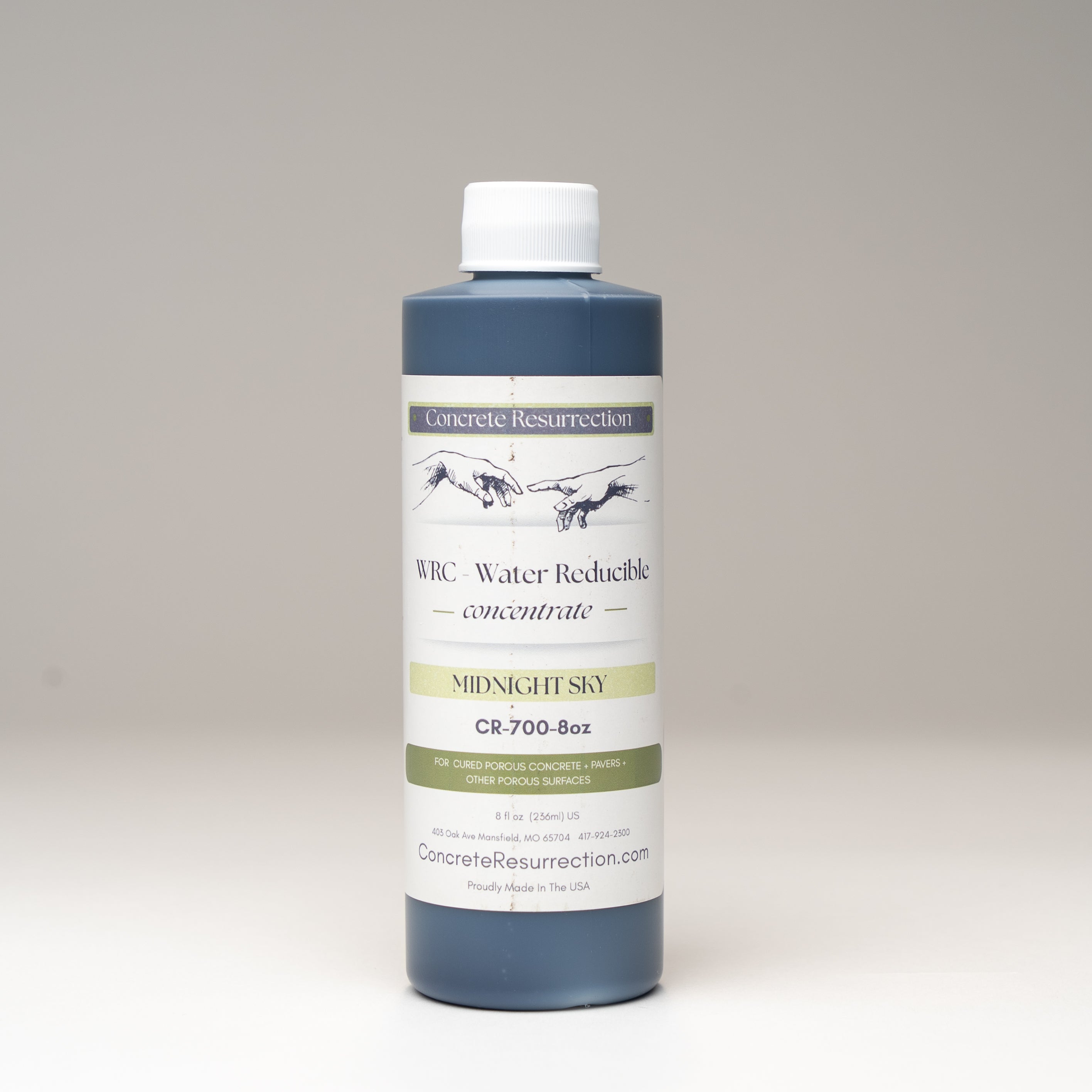
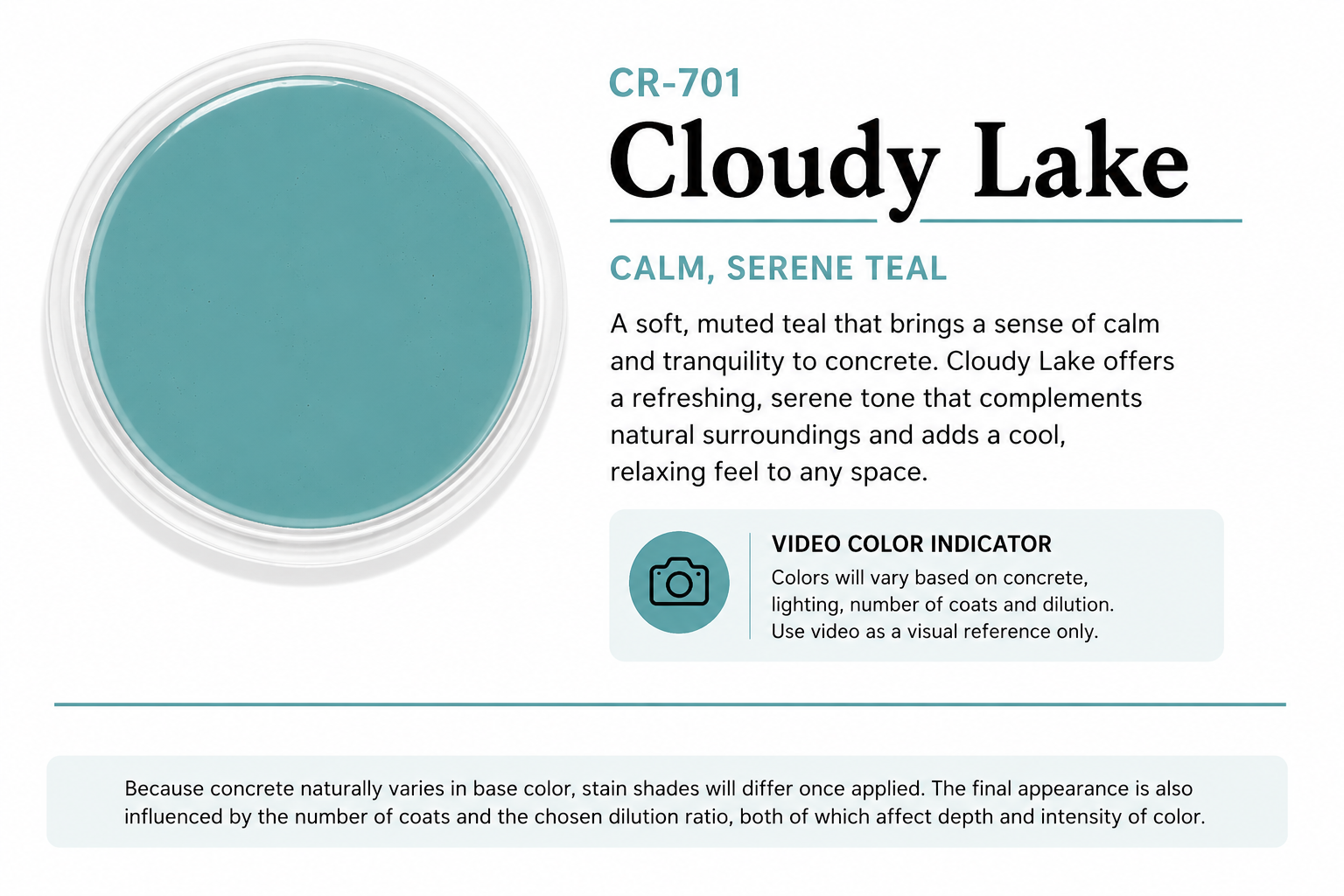
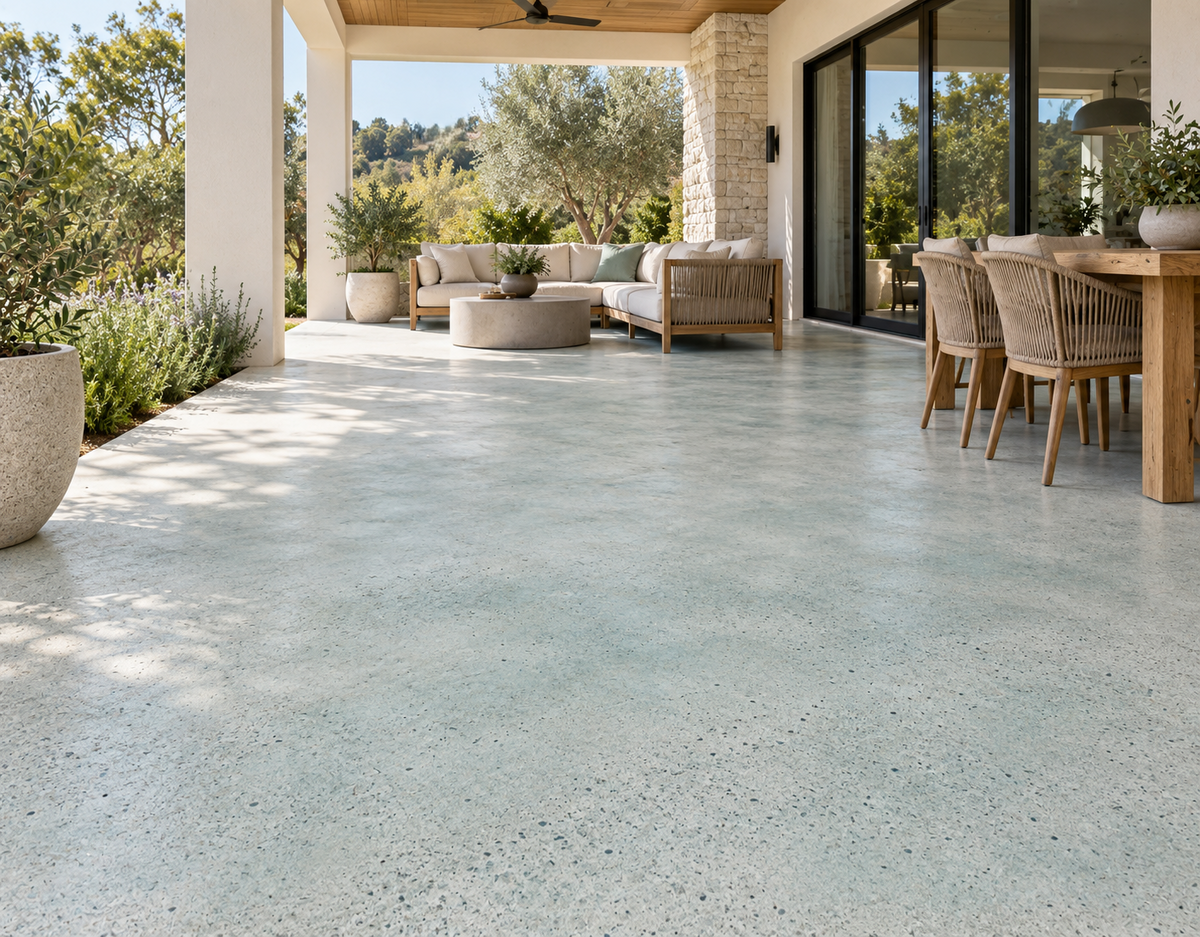
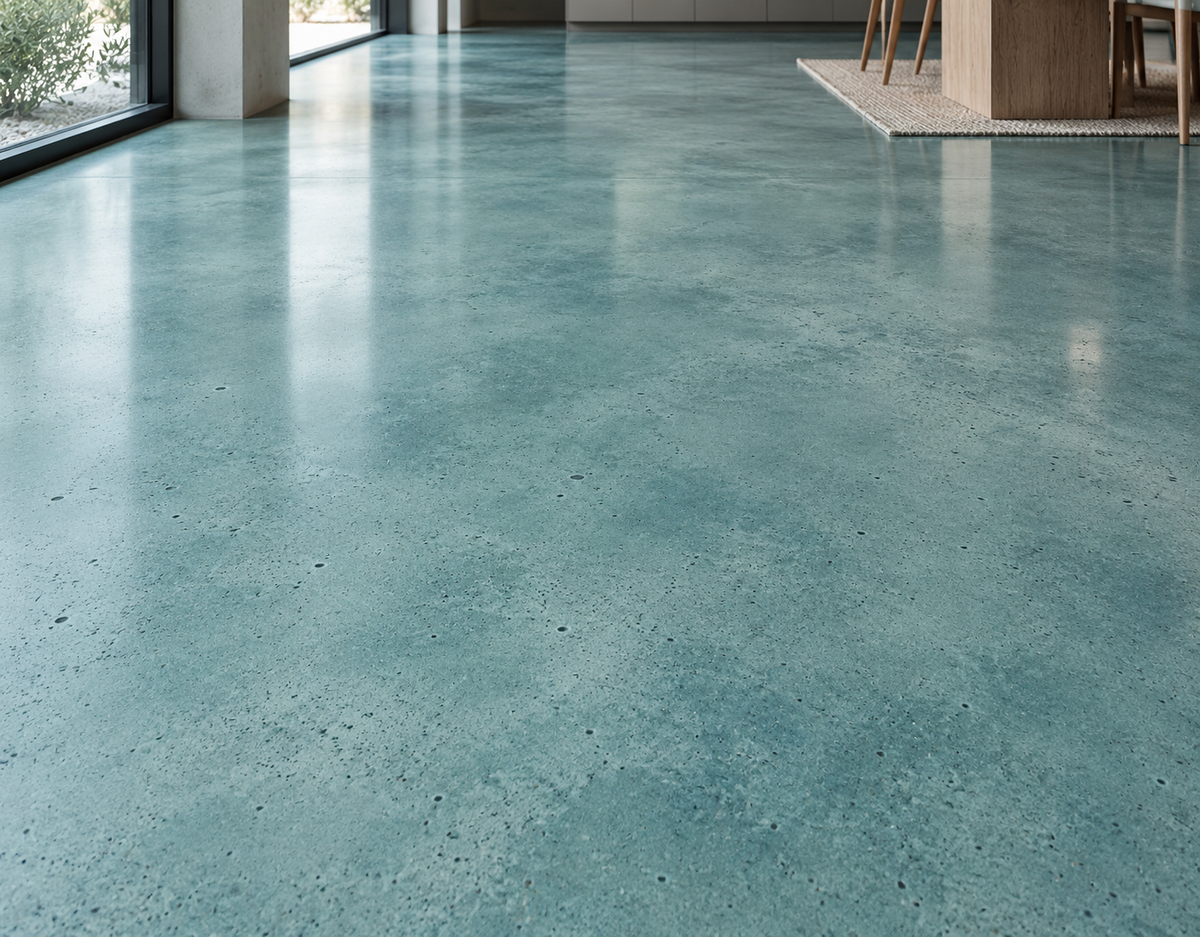

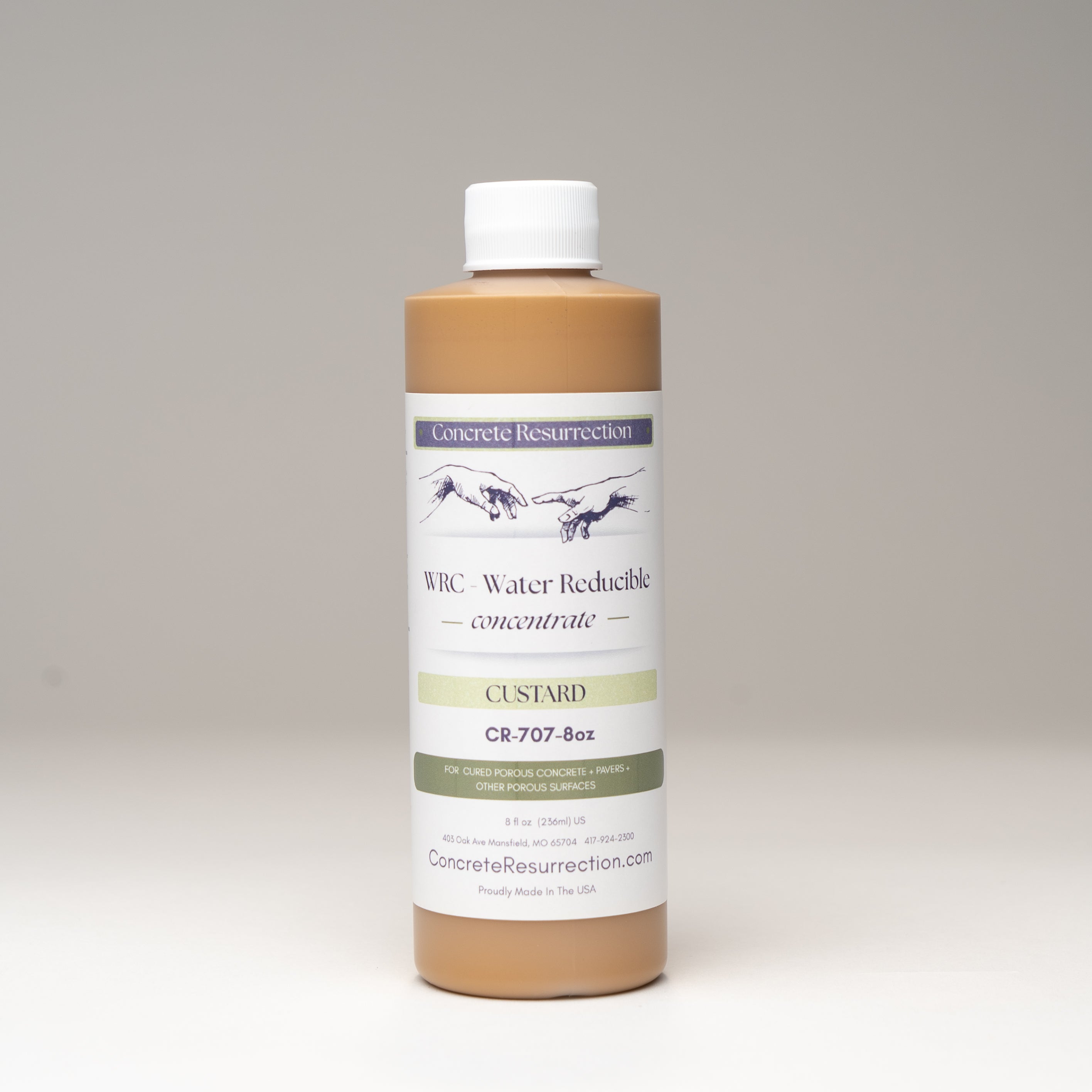
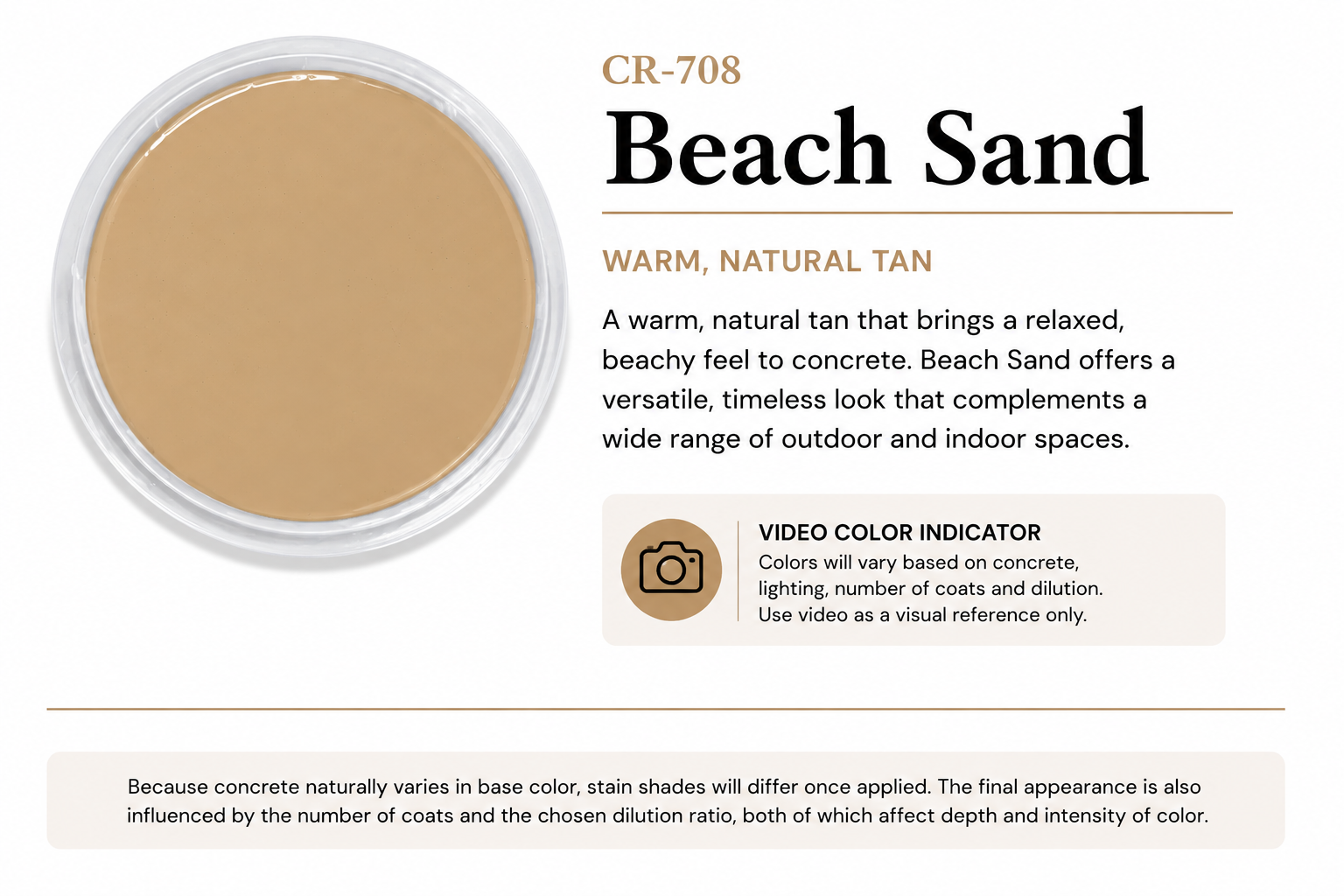
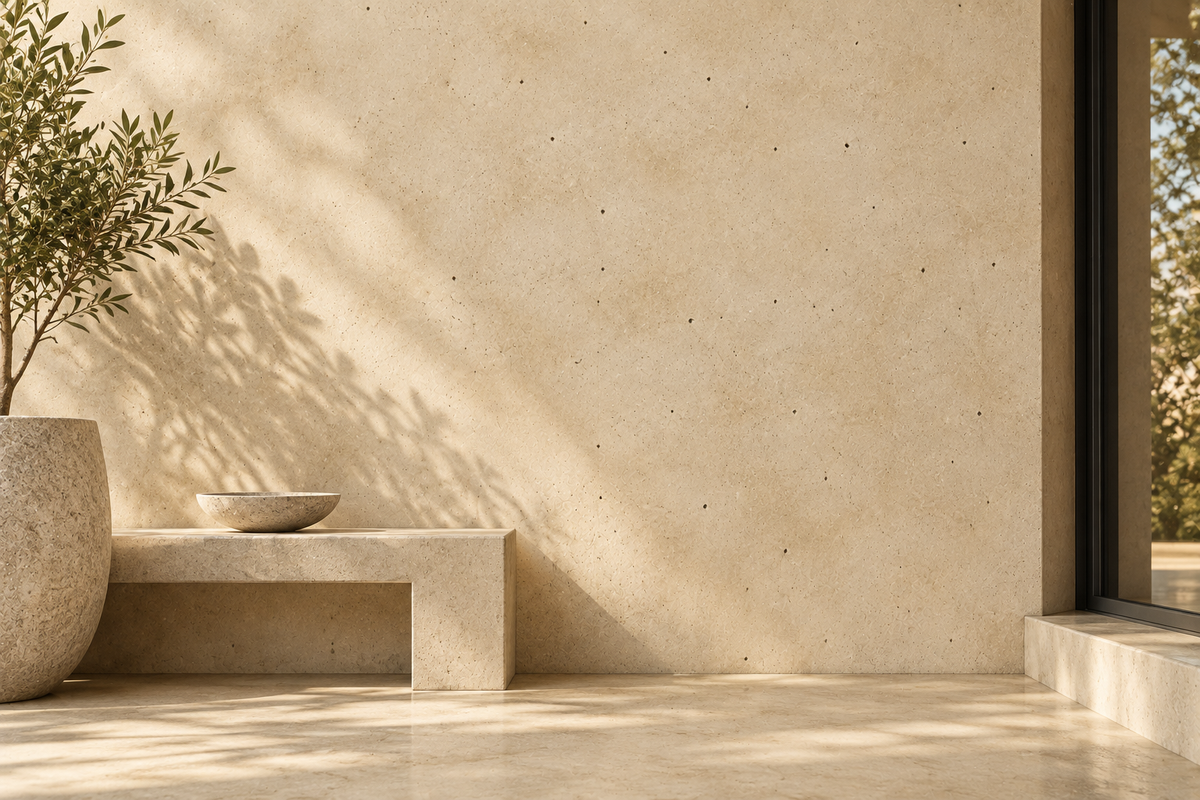
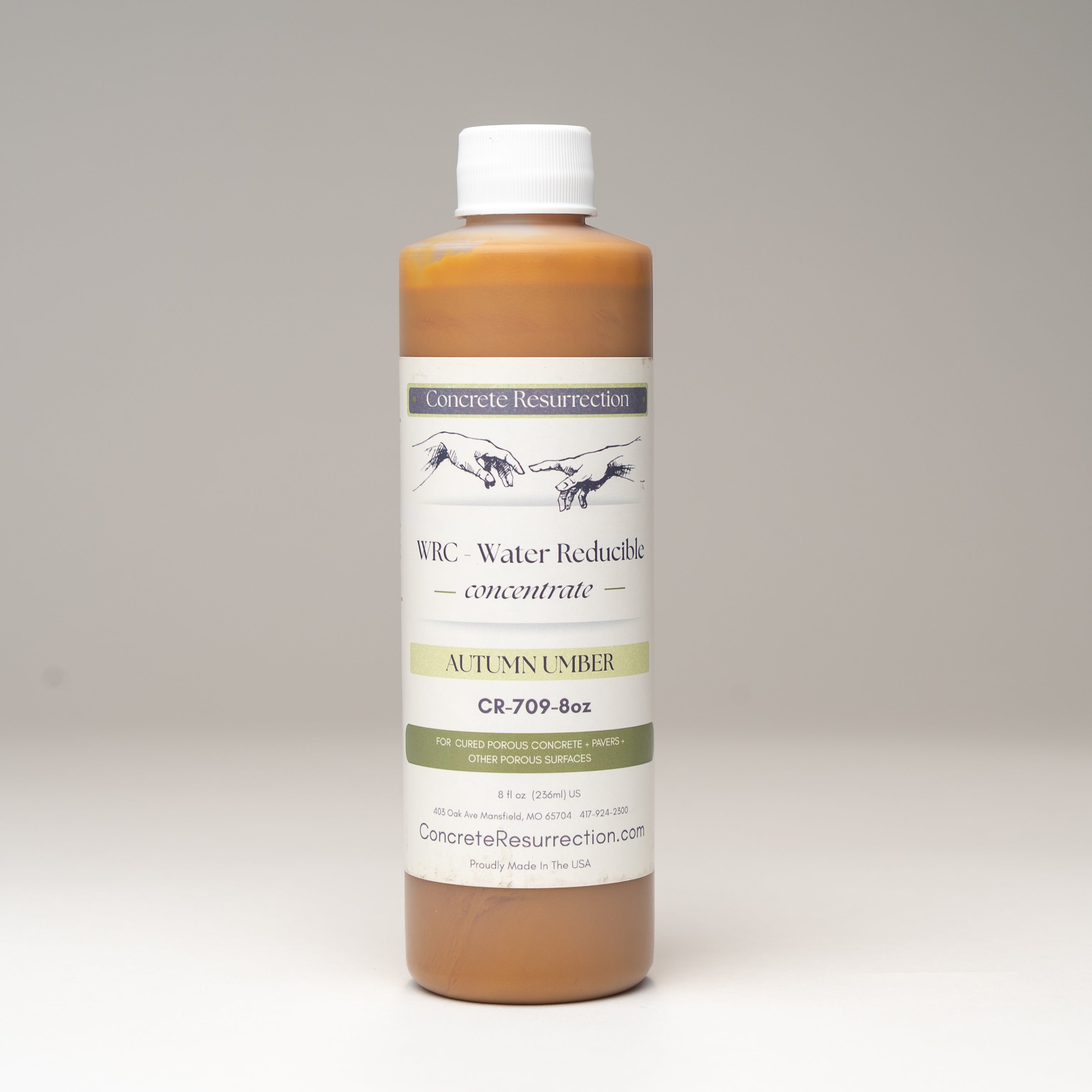
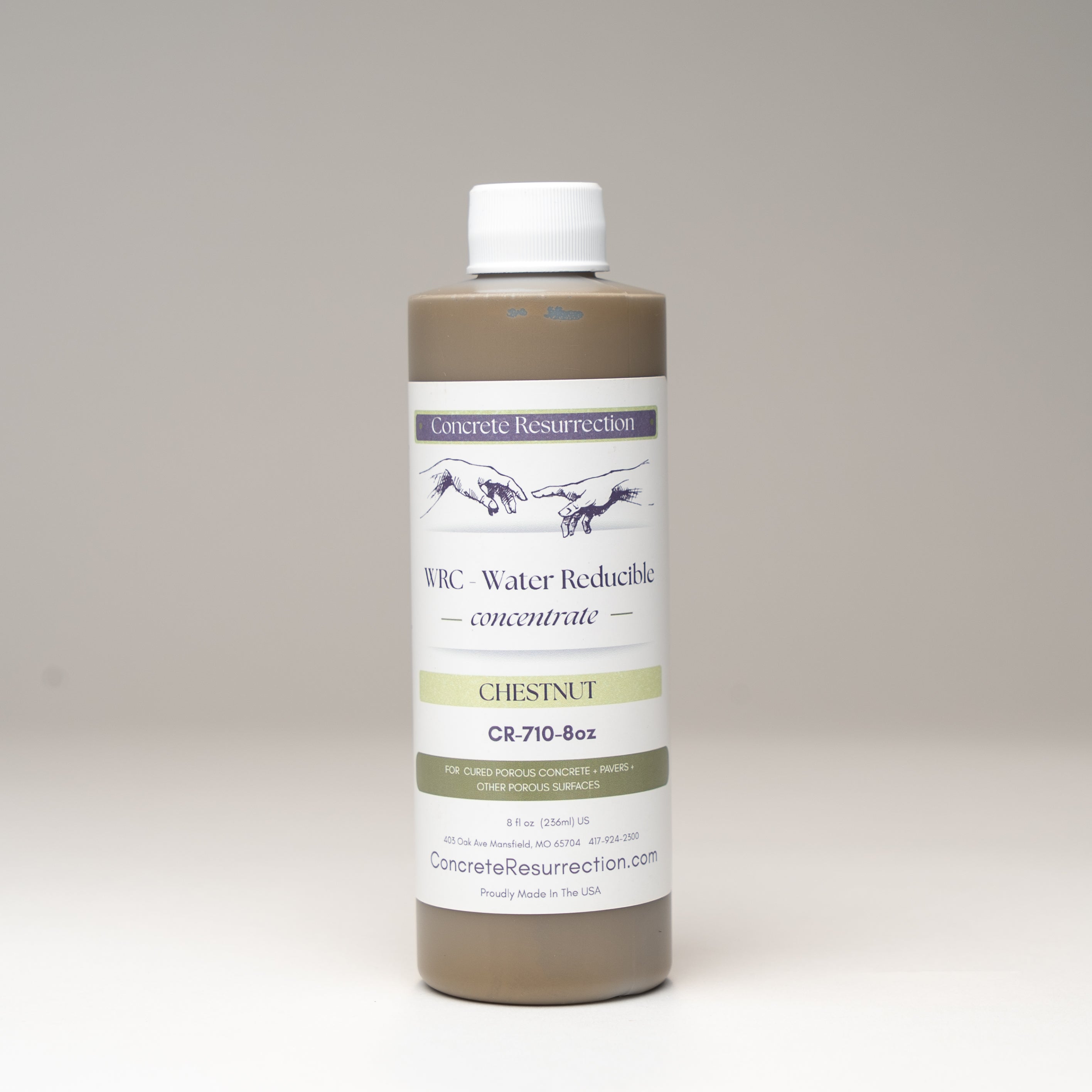
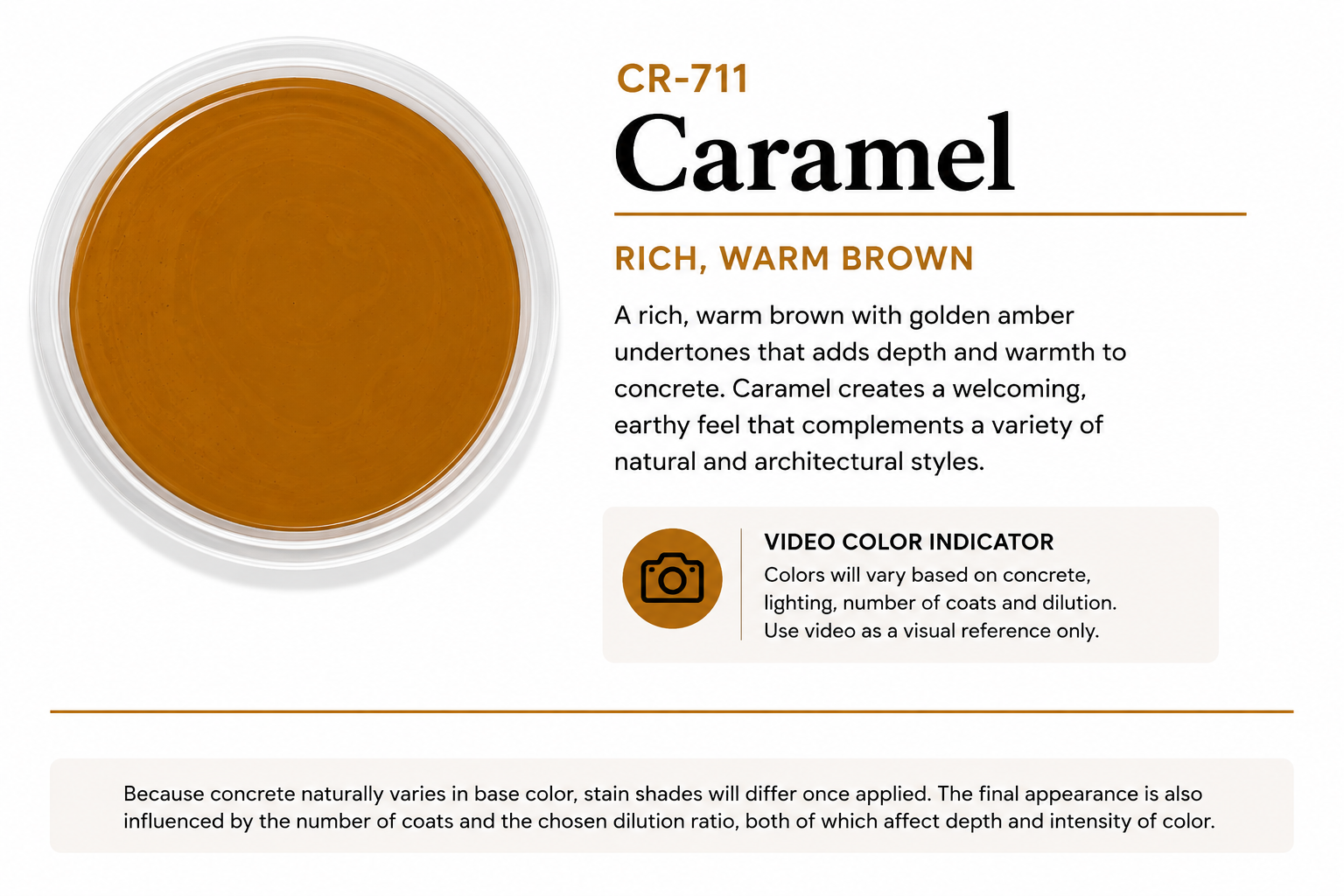

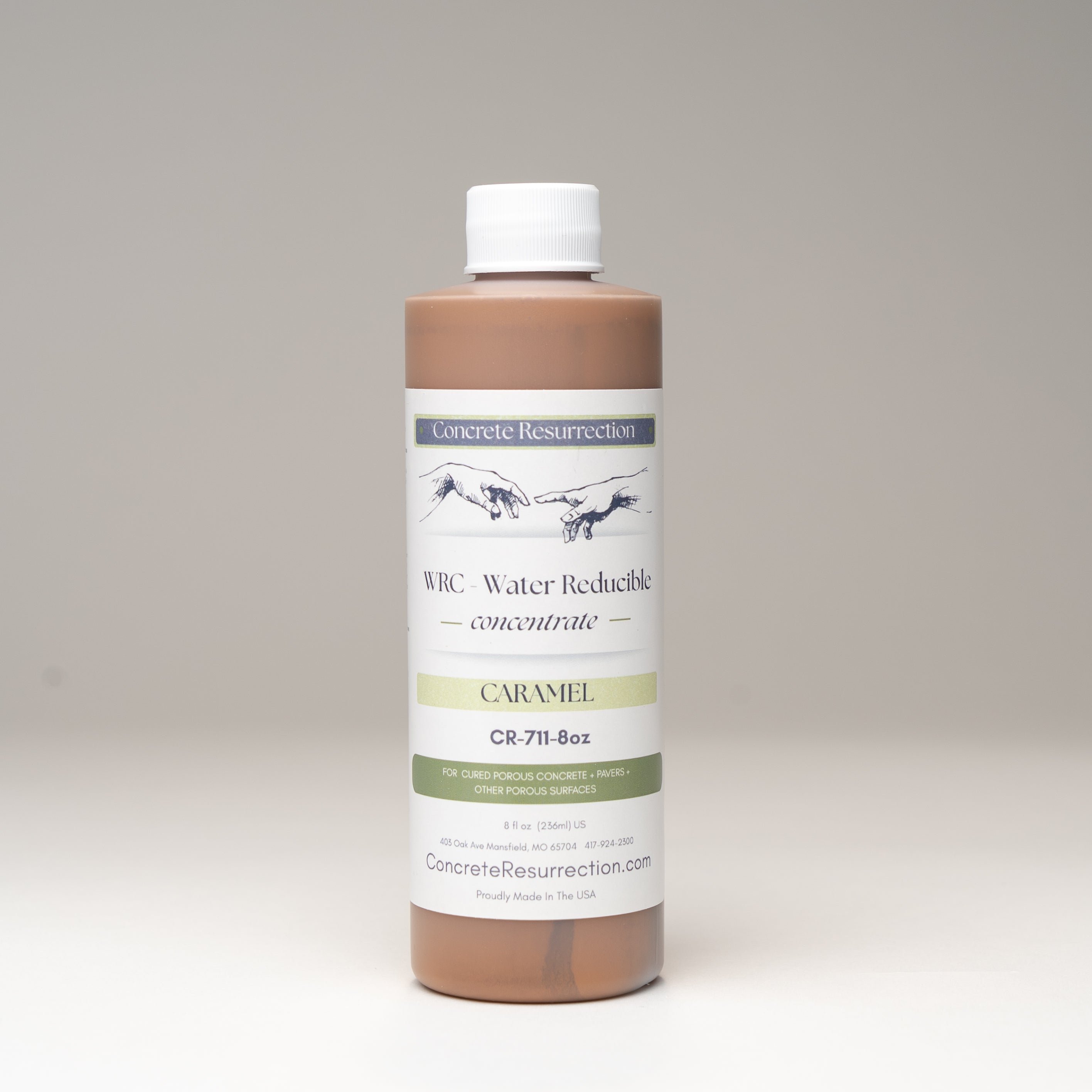
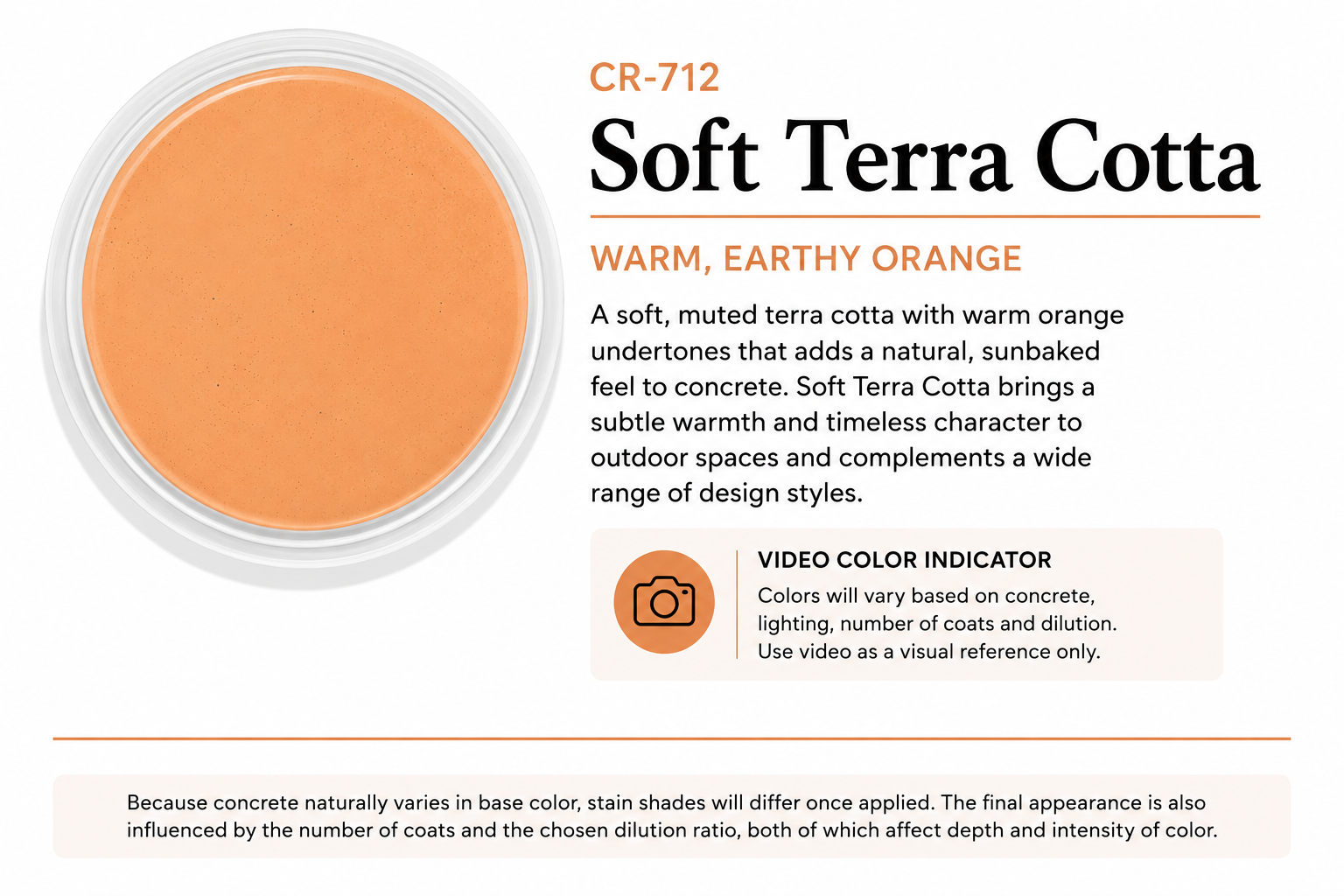

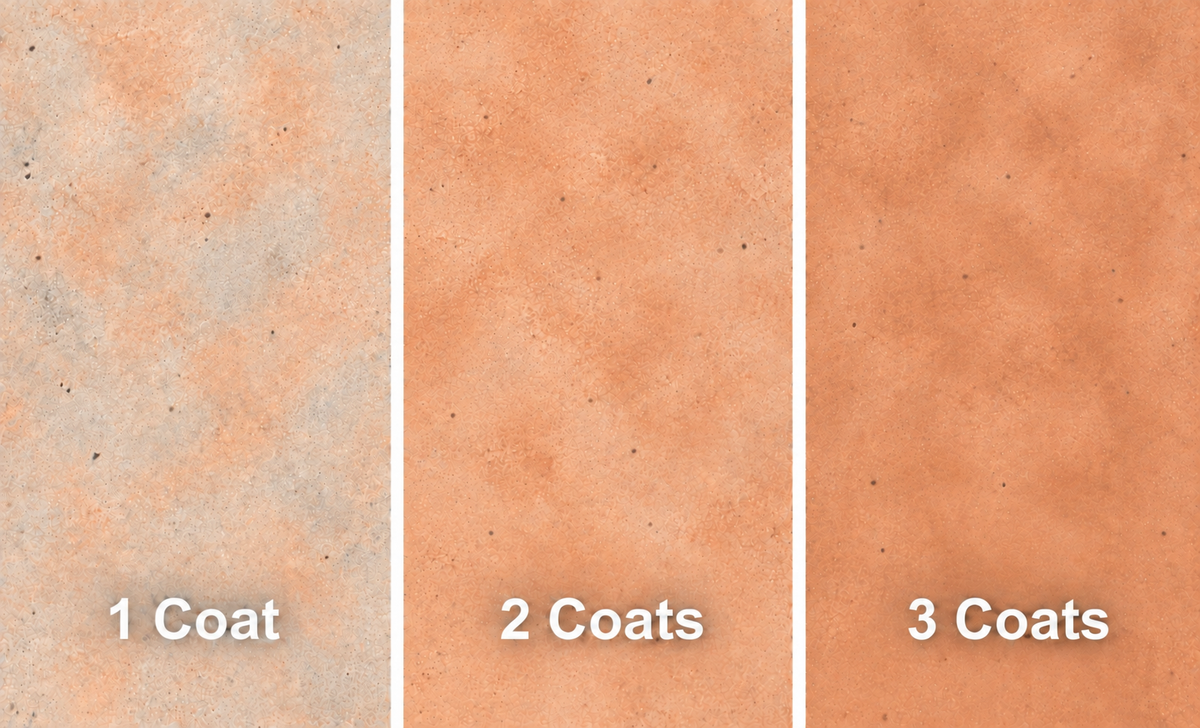
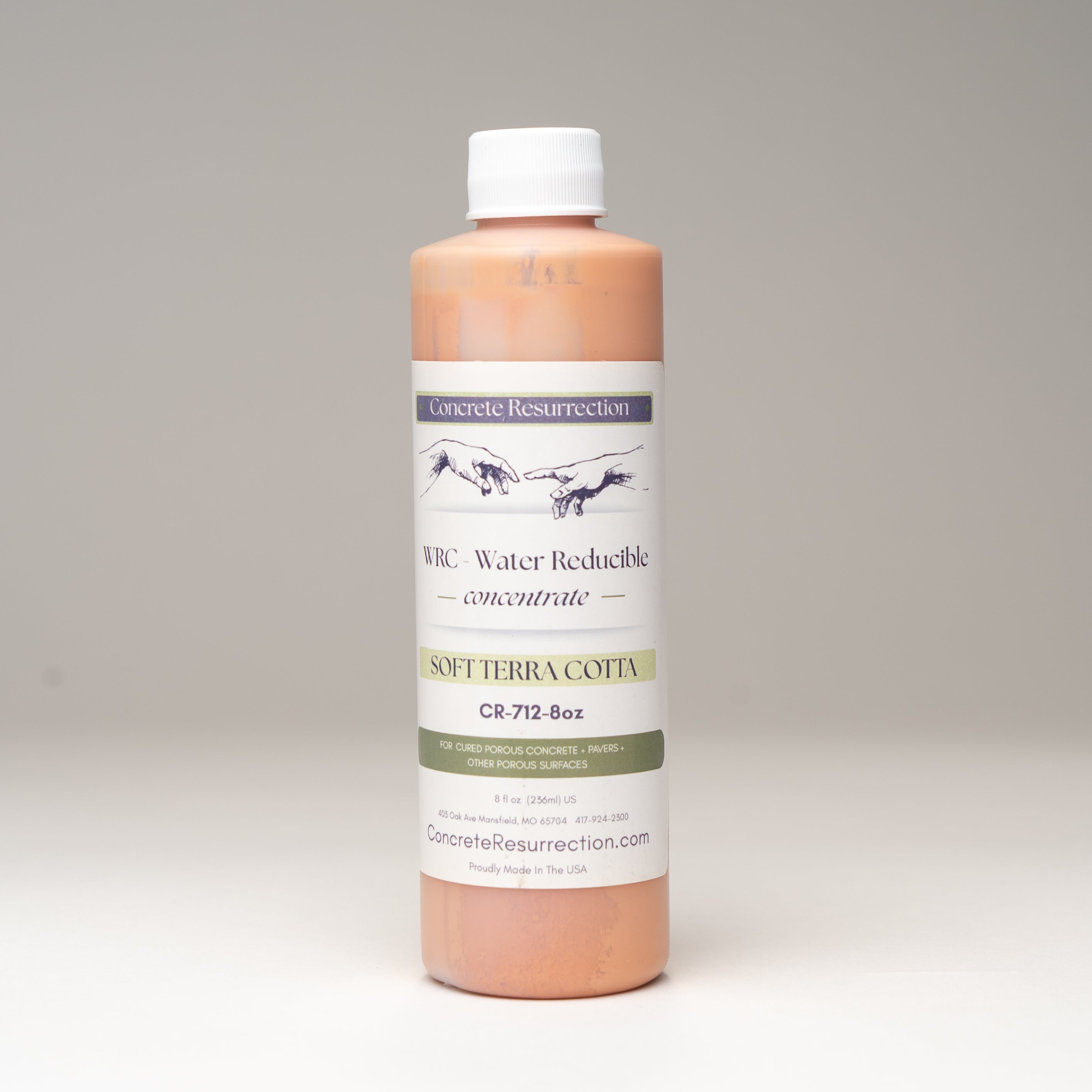
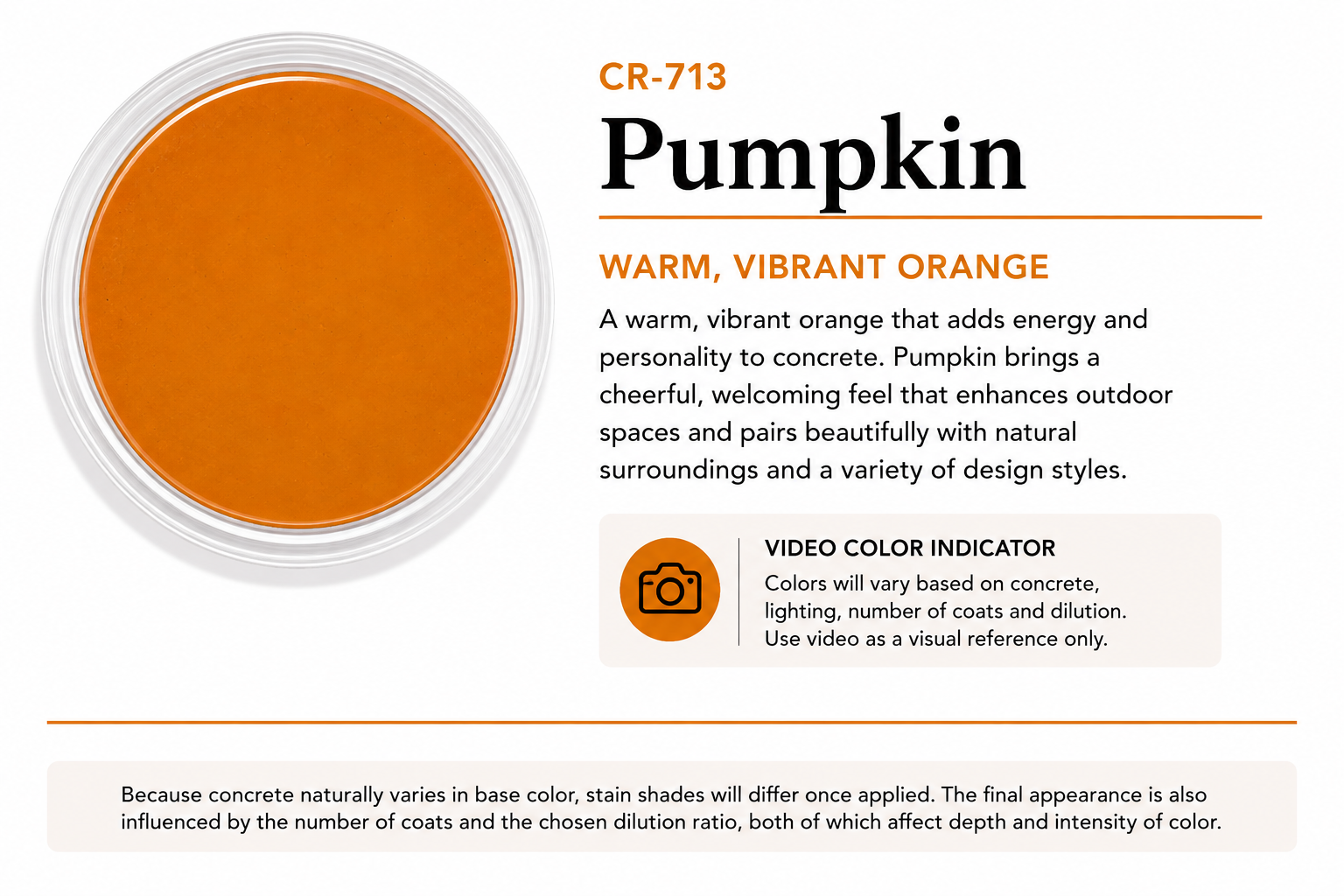
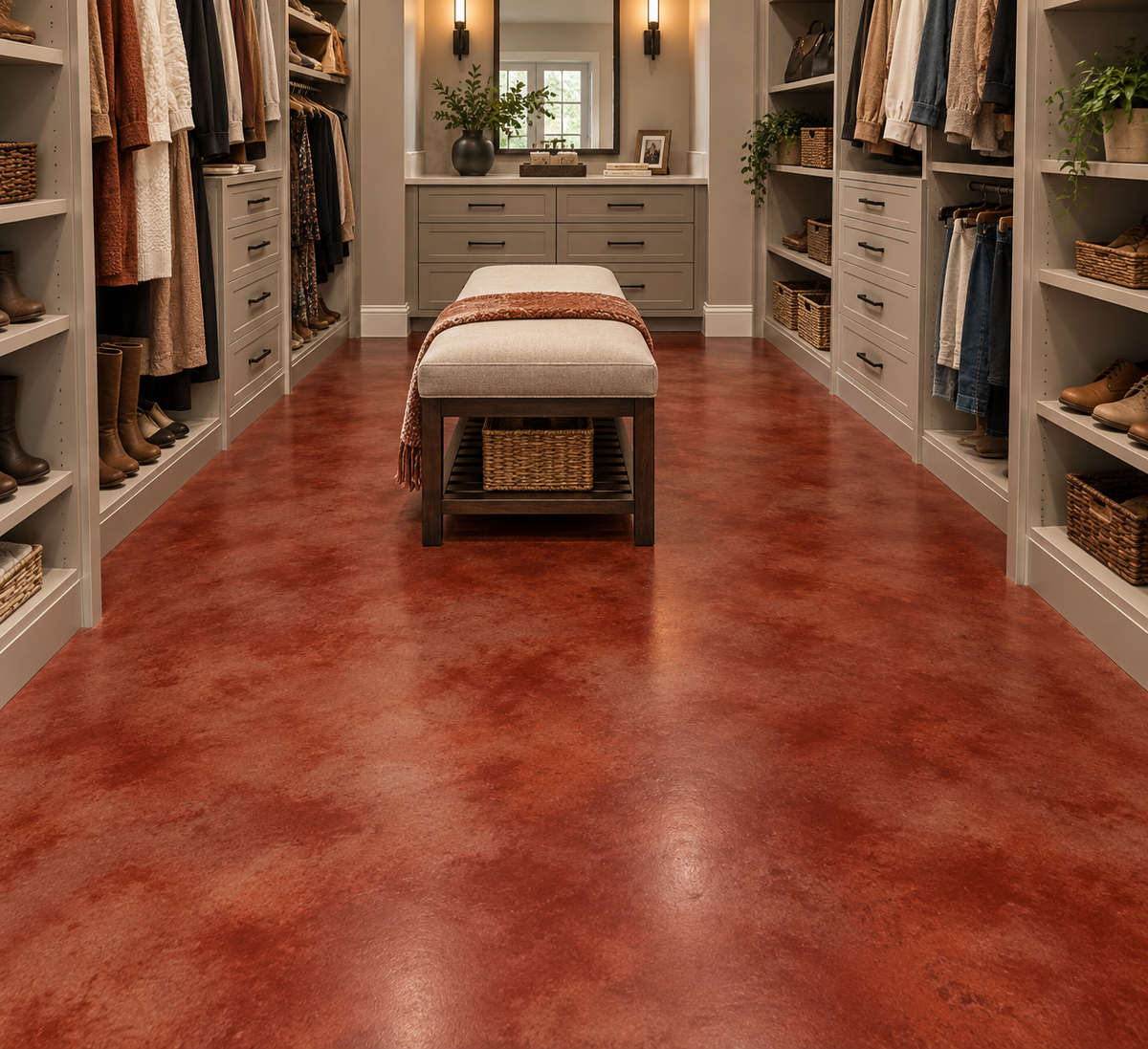
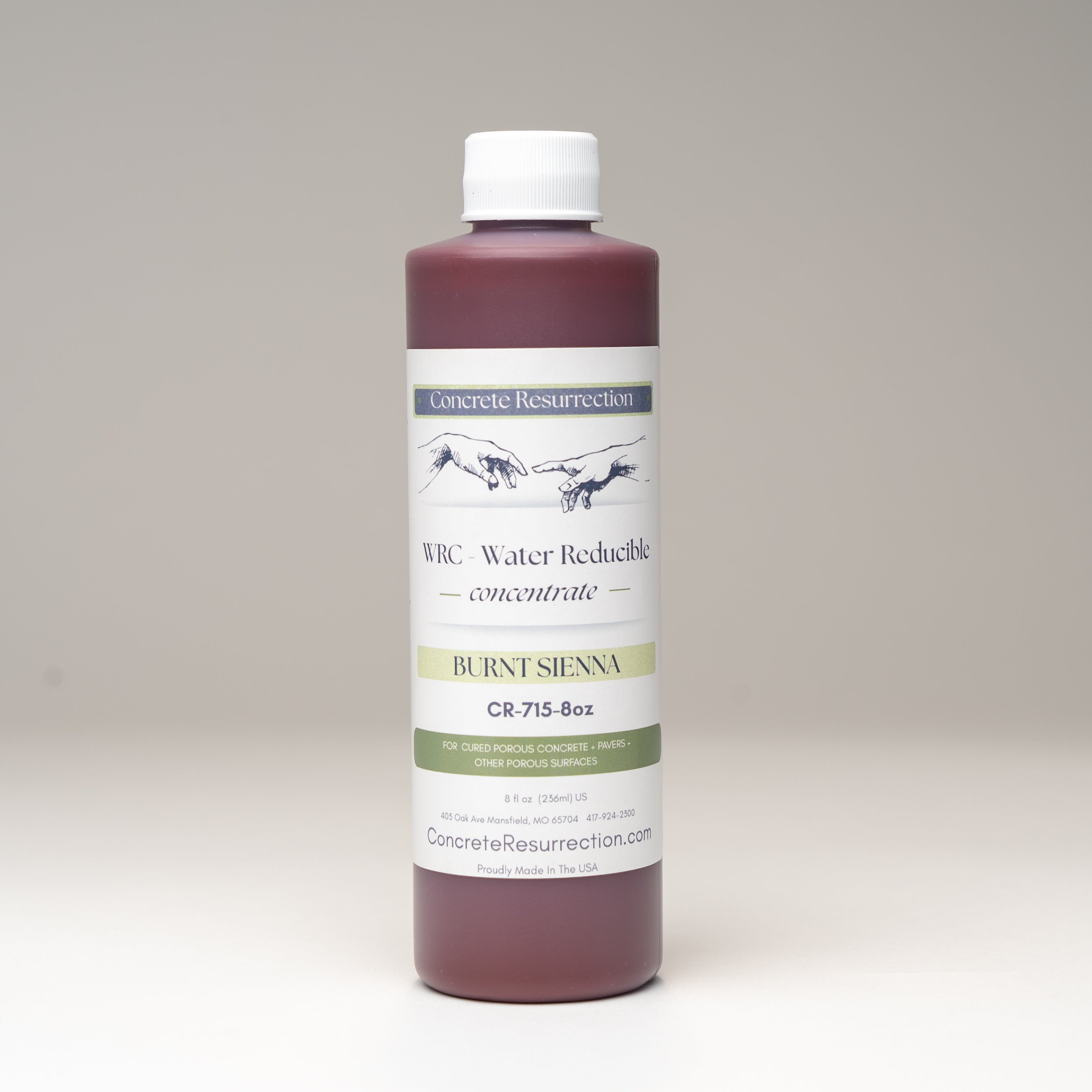


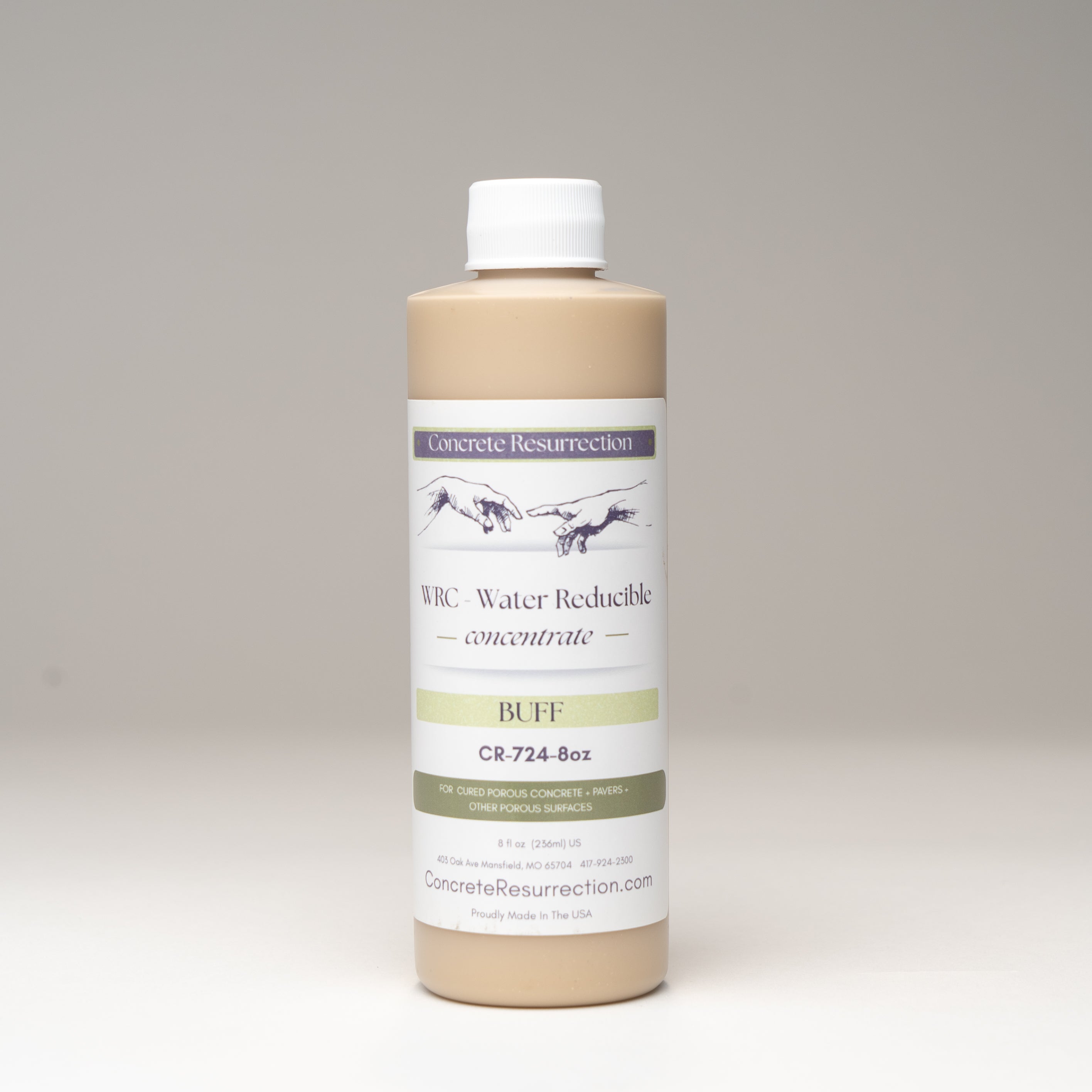
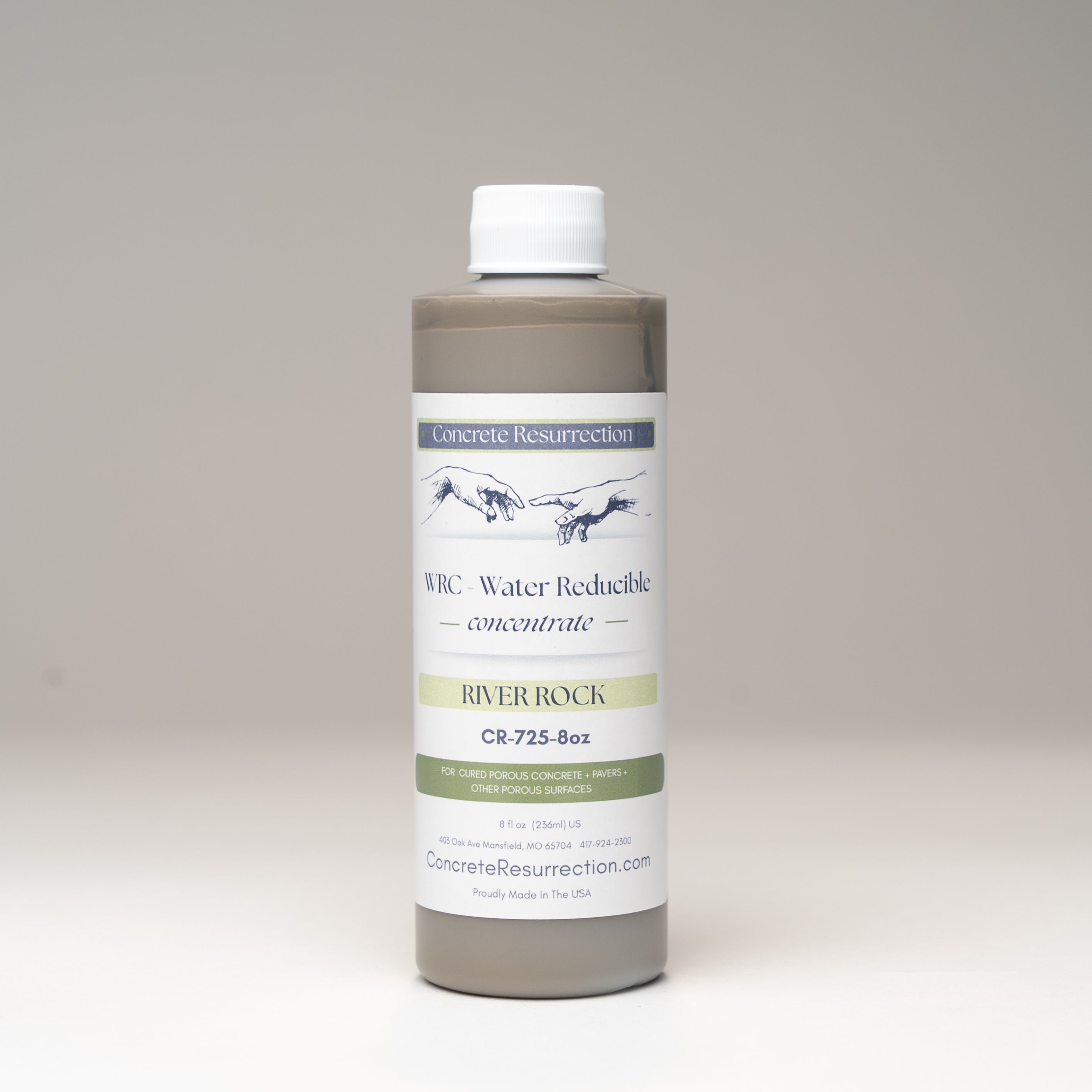
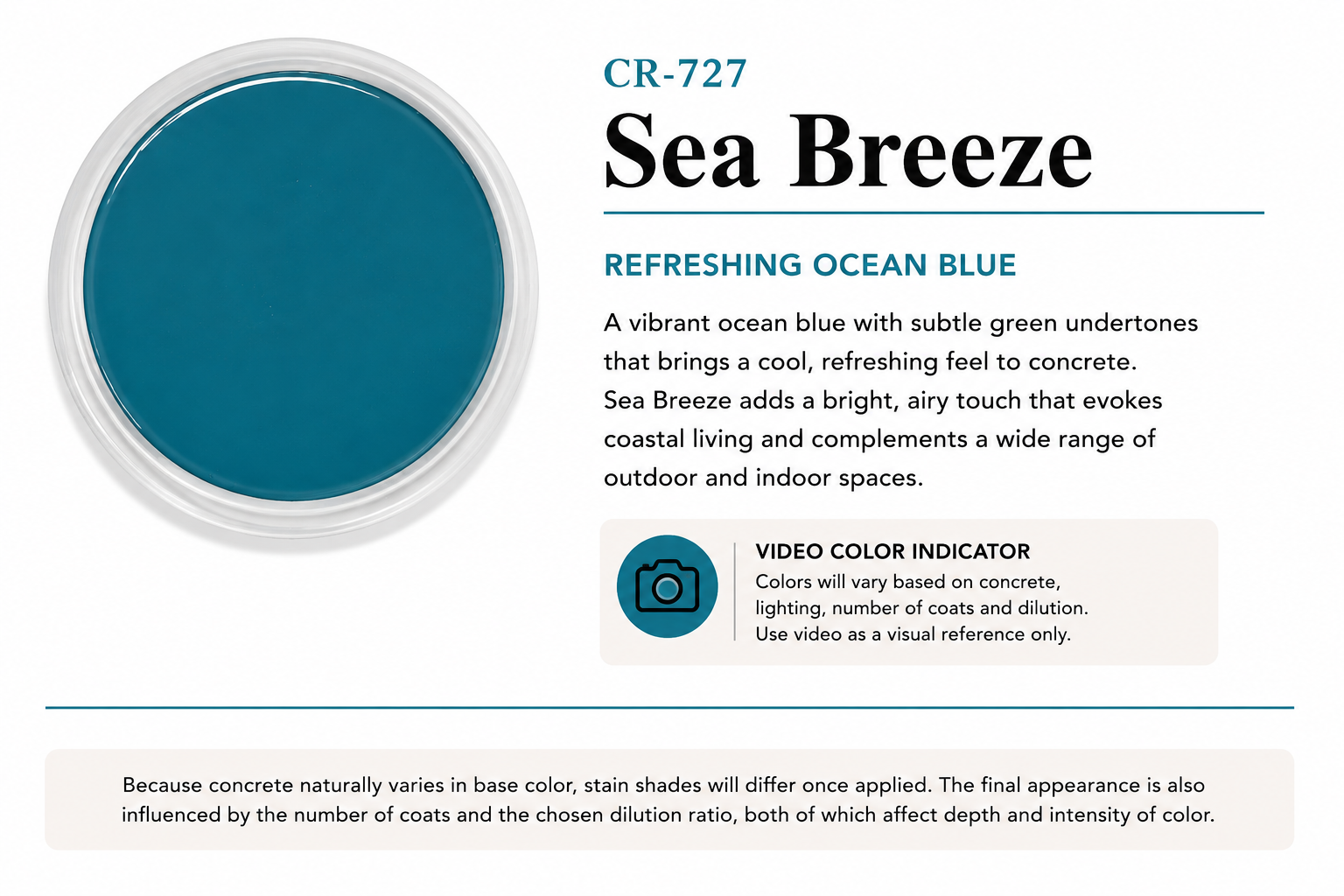
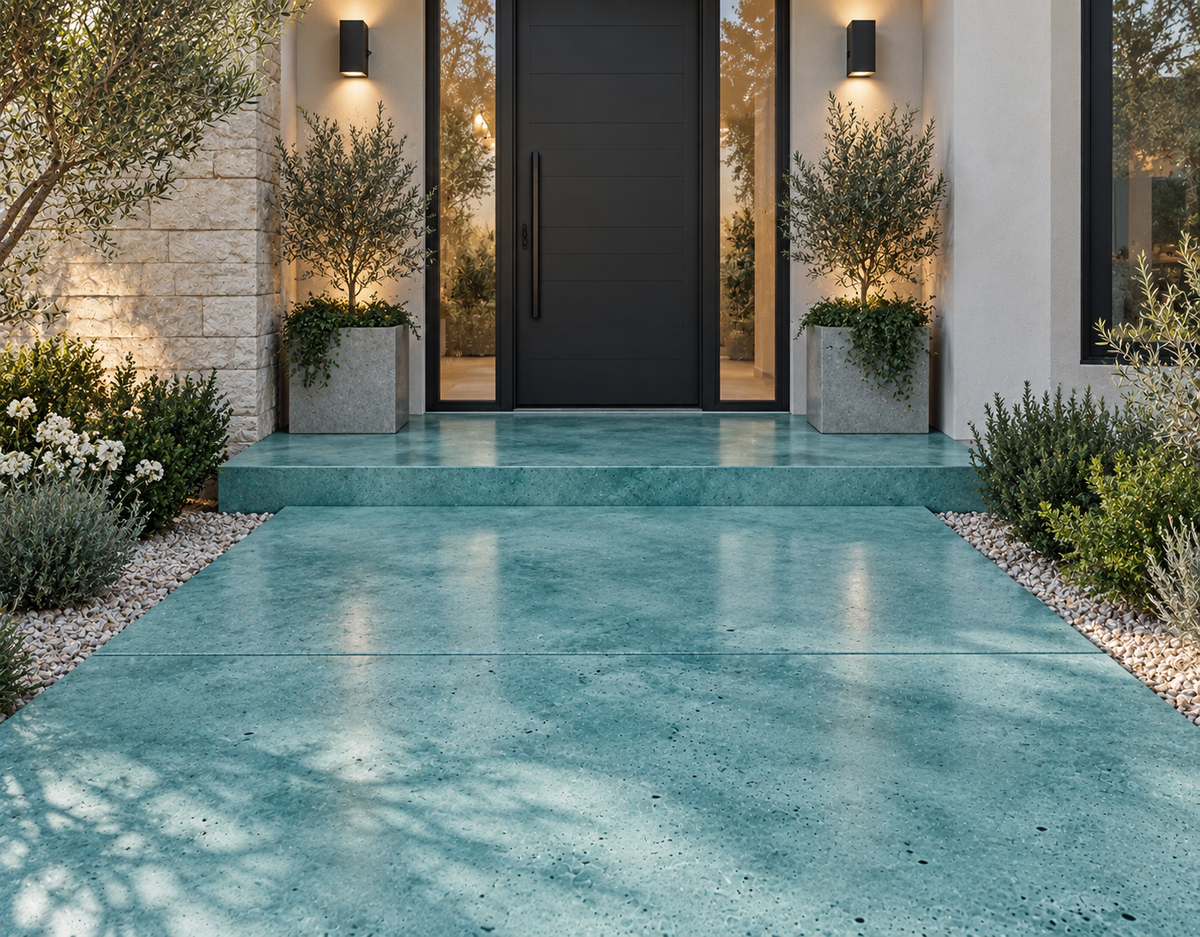
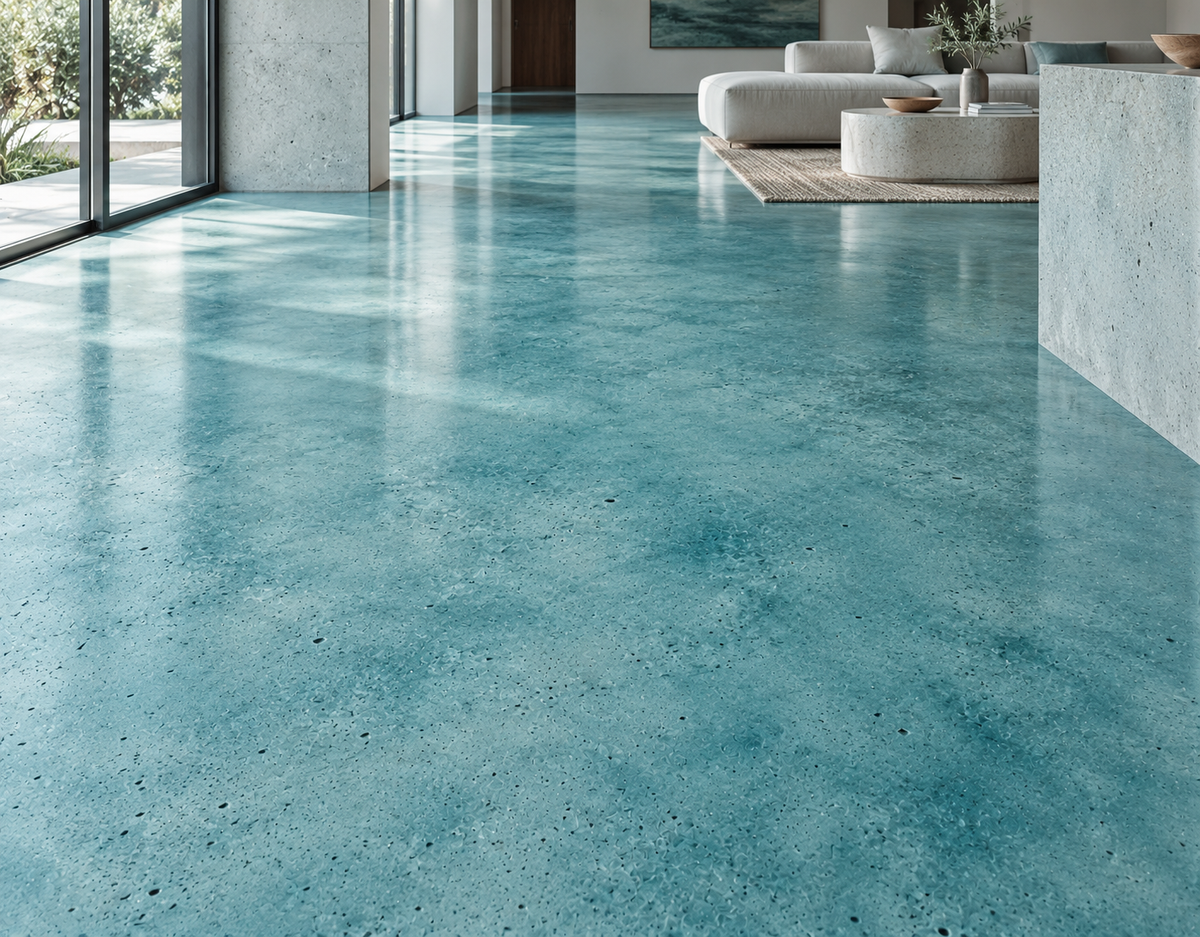


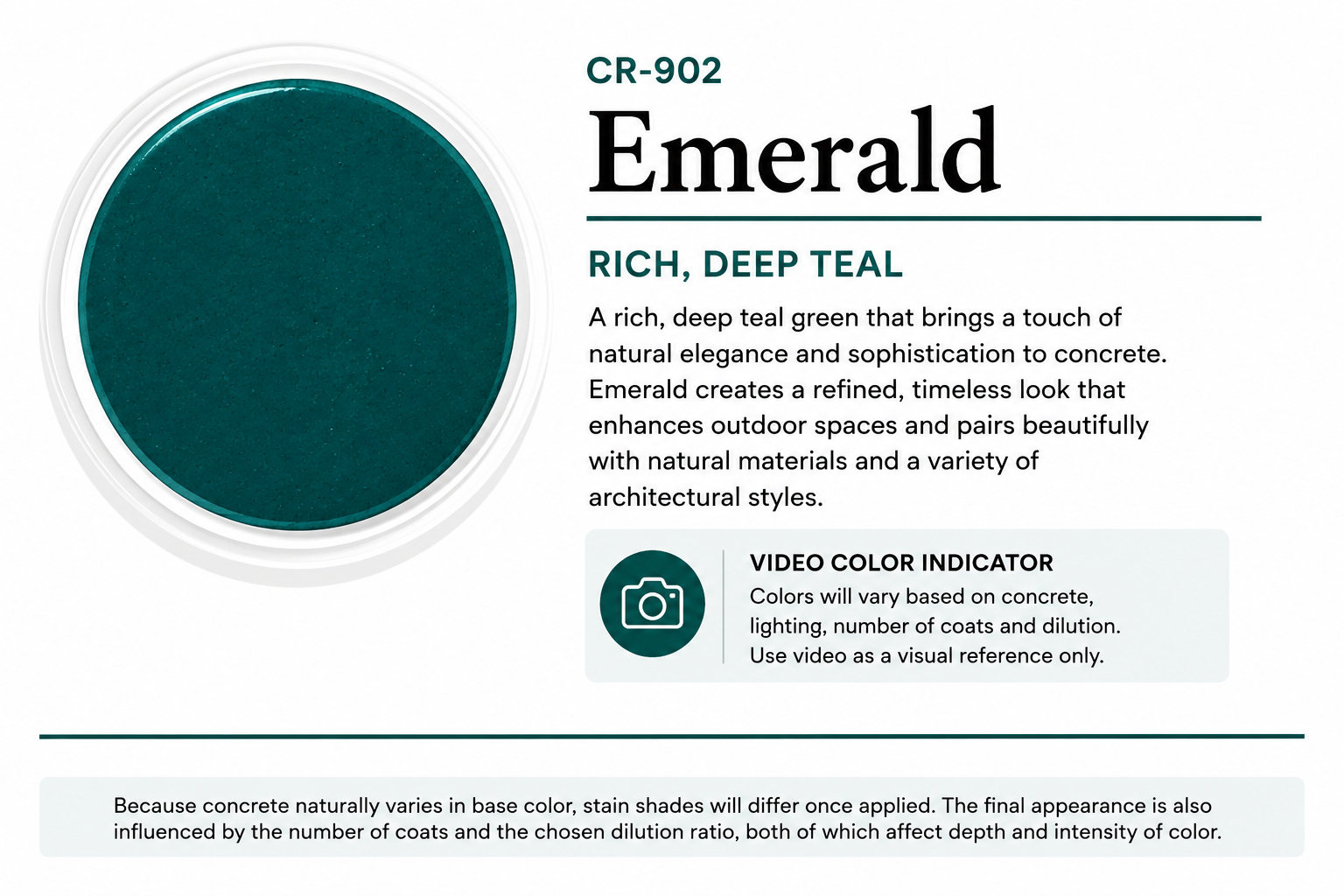
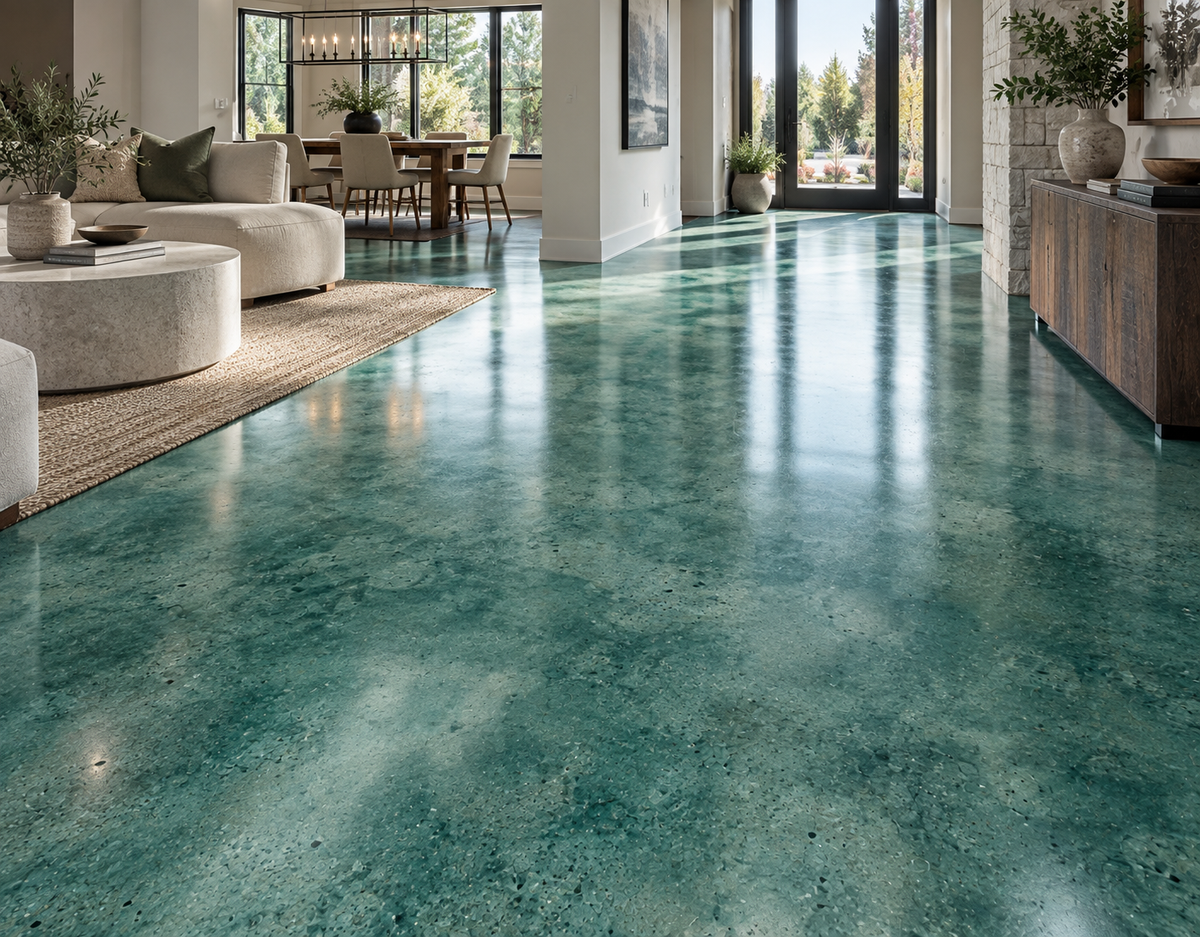
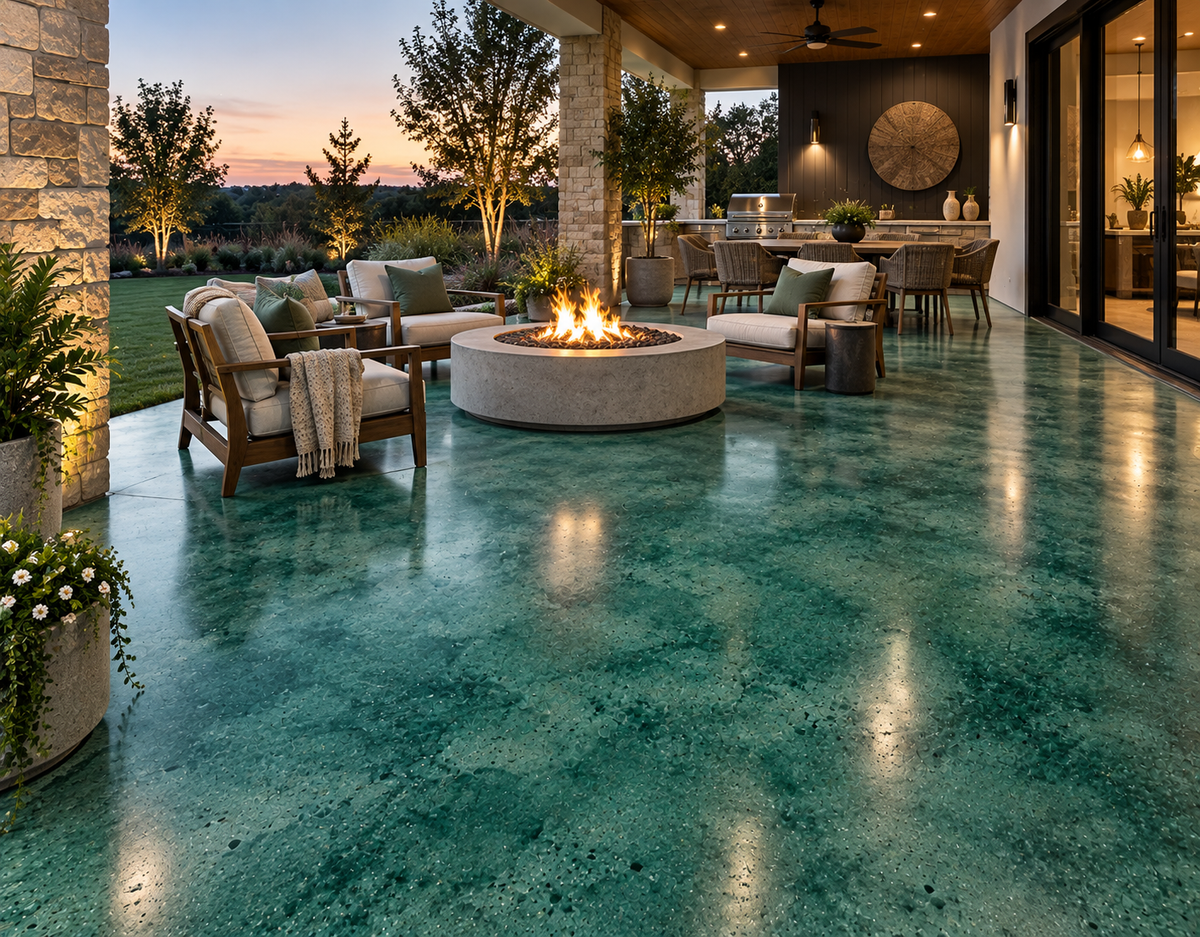
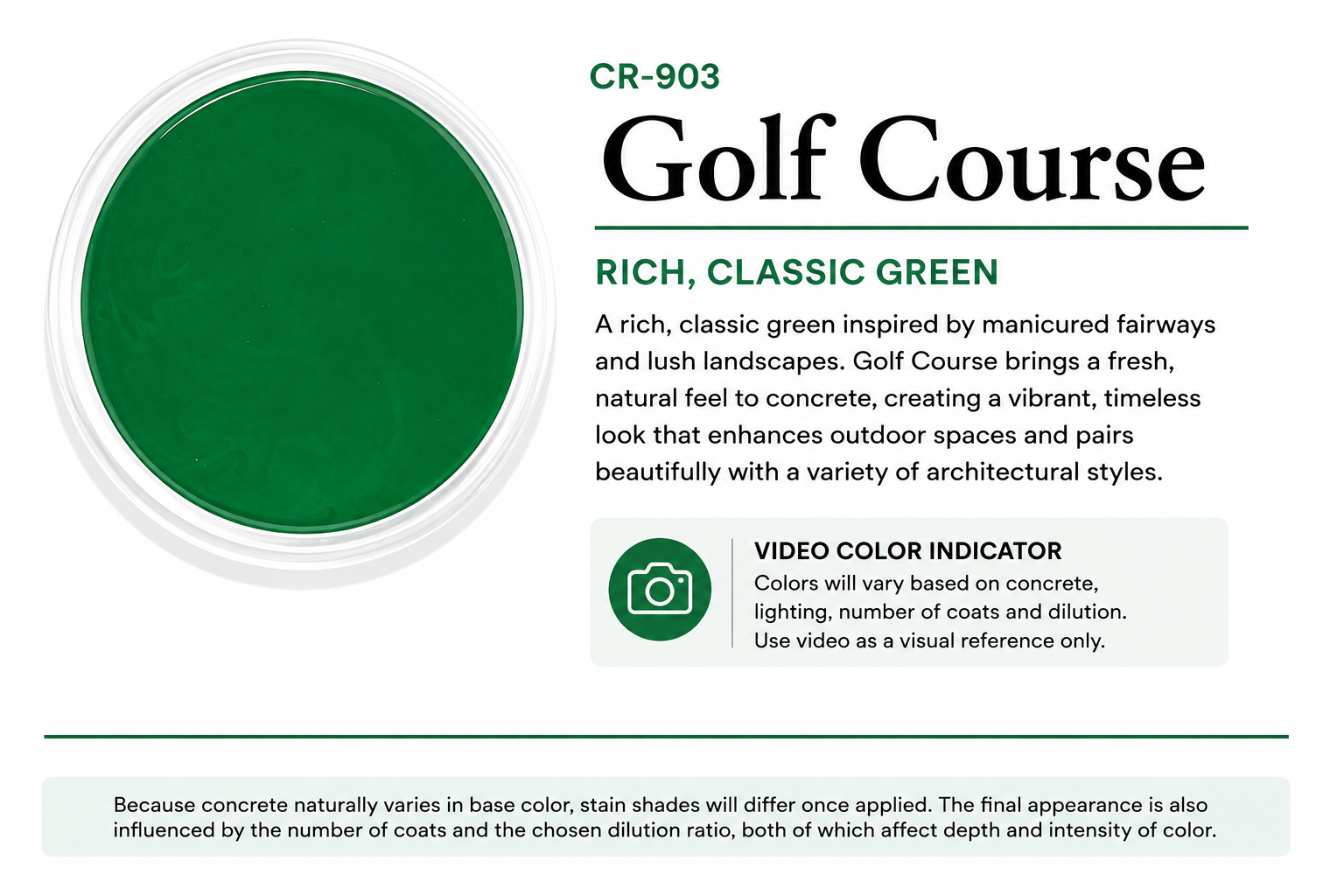
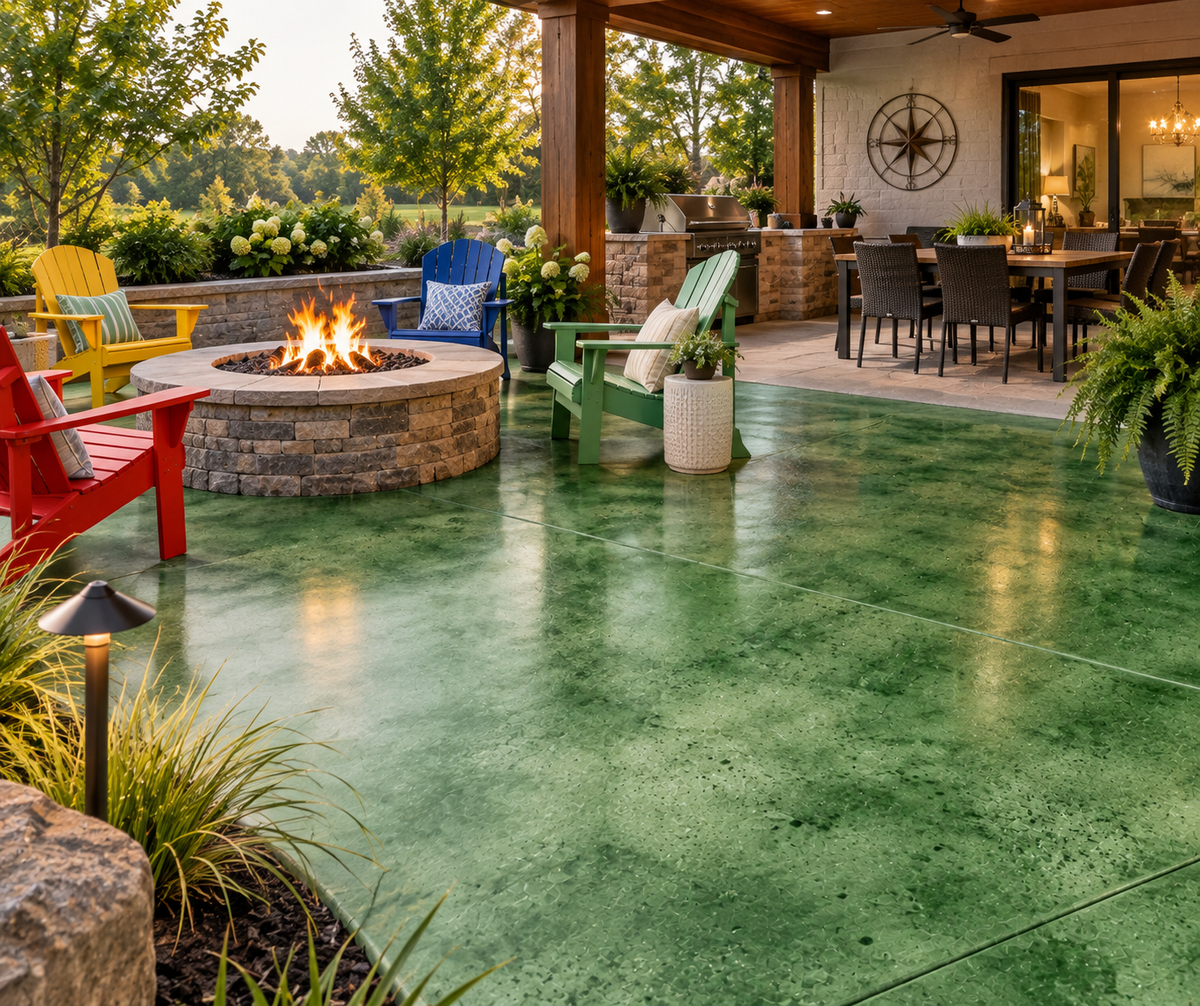
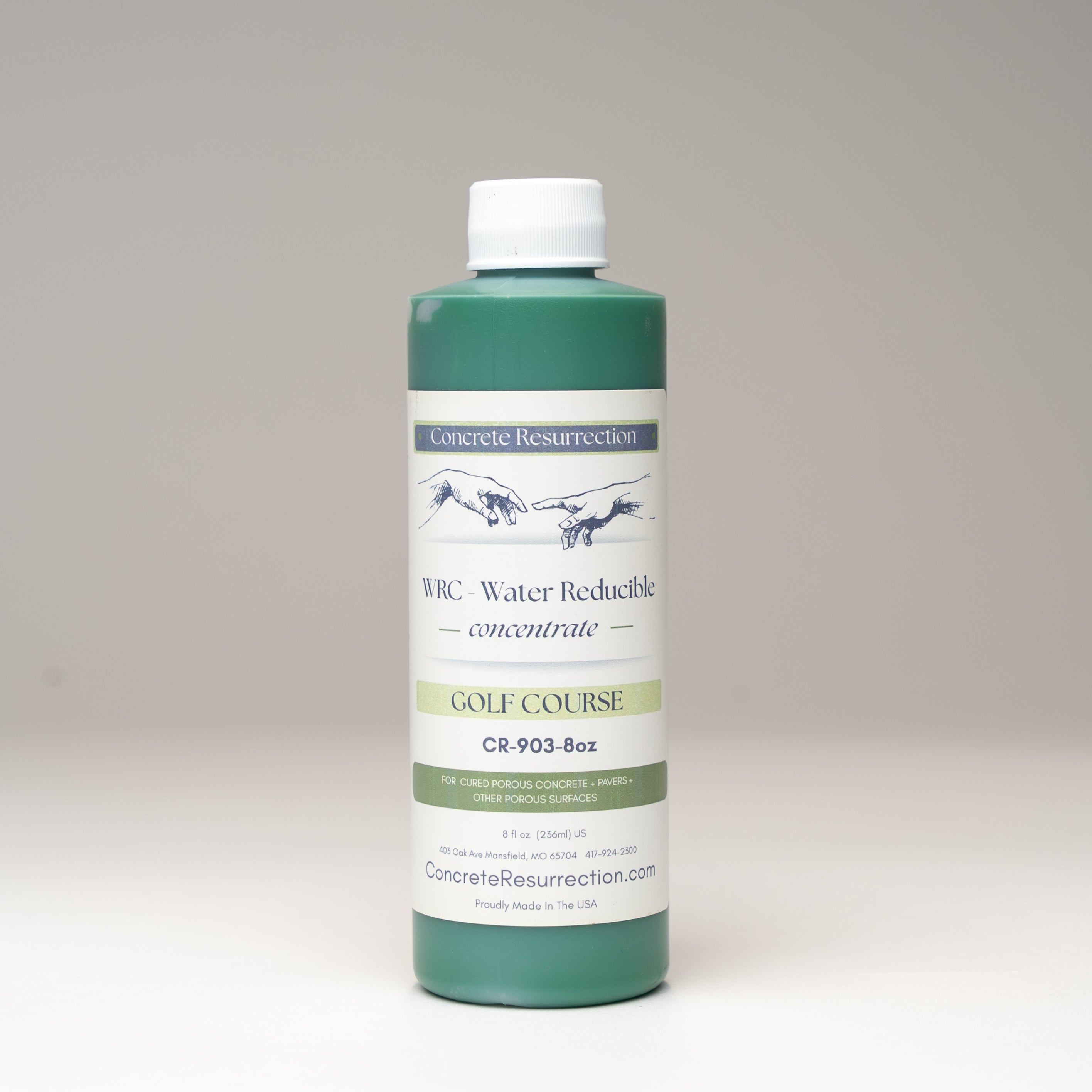
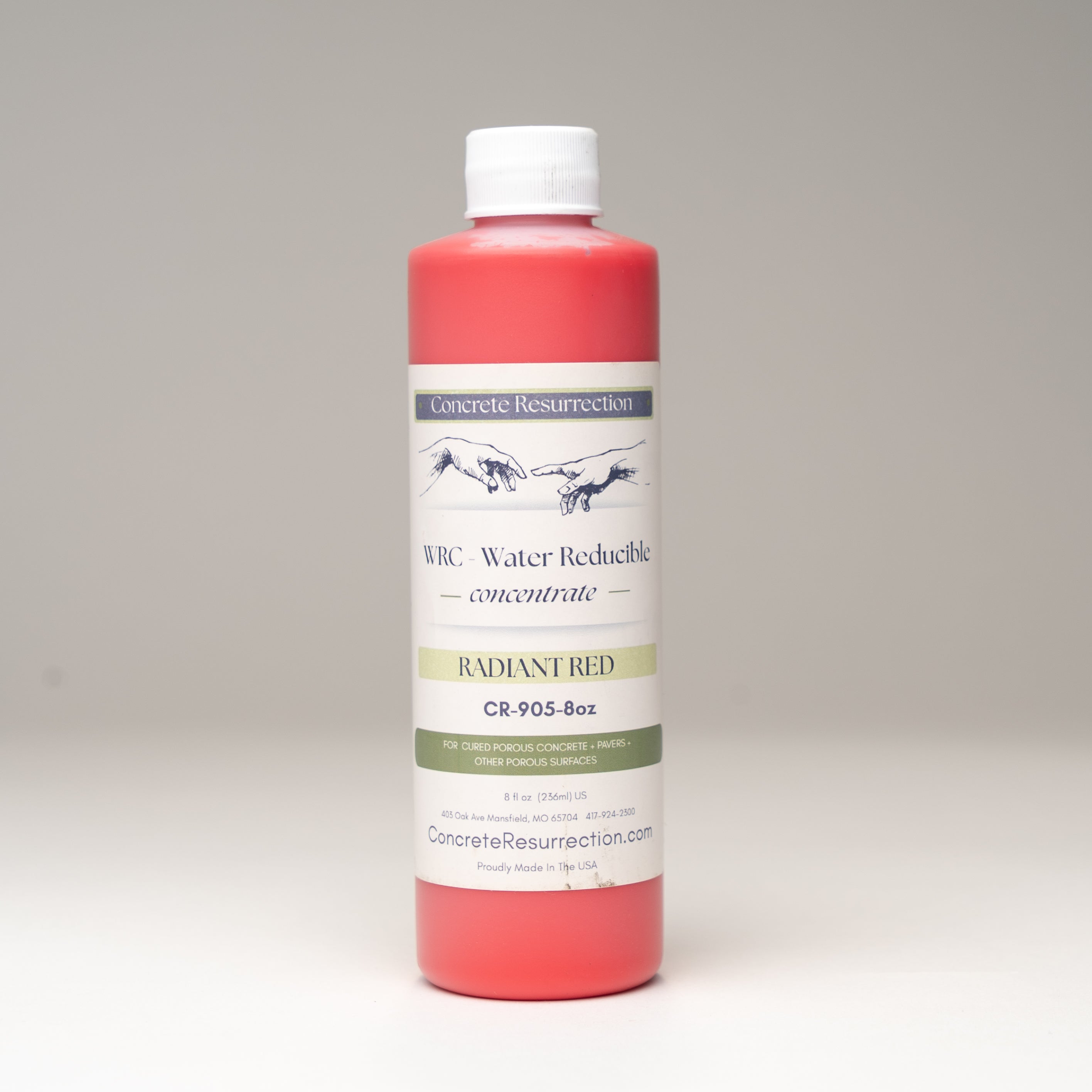
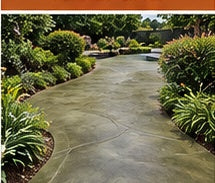
Build Your Own WRC Concrete Stain Sample Set (8oz bottles)
Build Your Own WRC Concrete Stain Sample Set
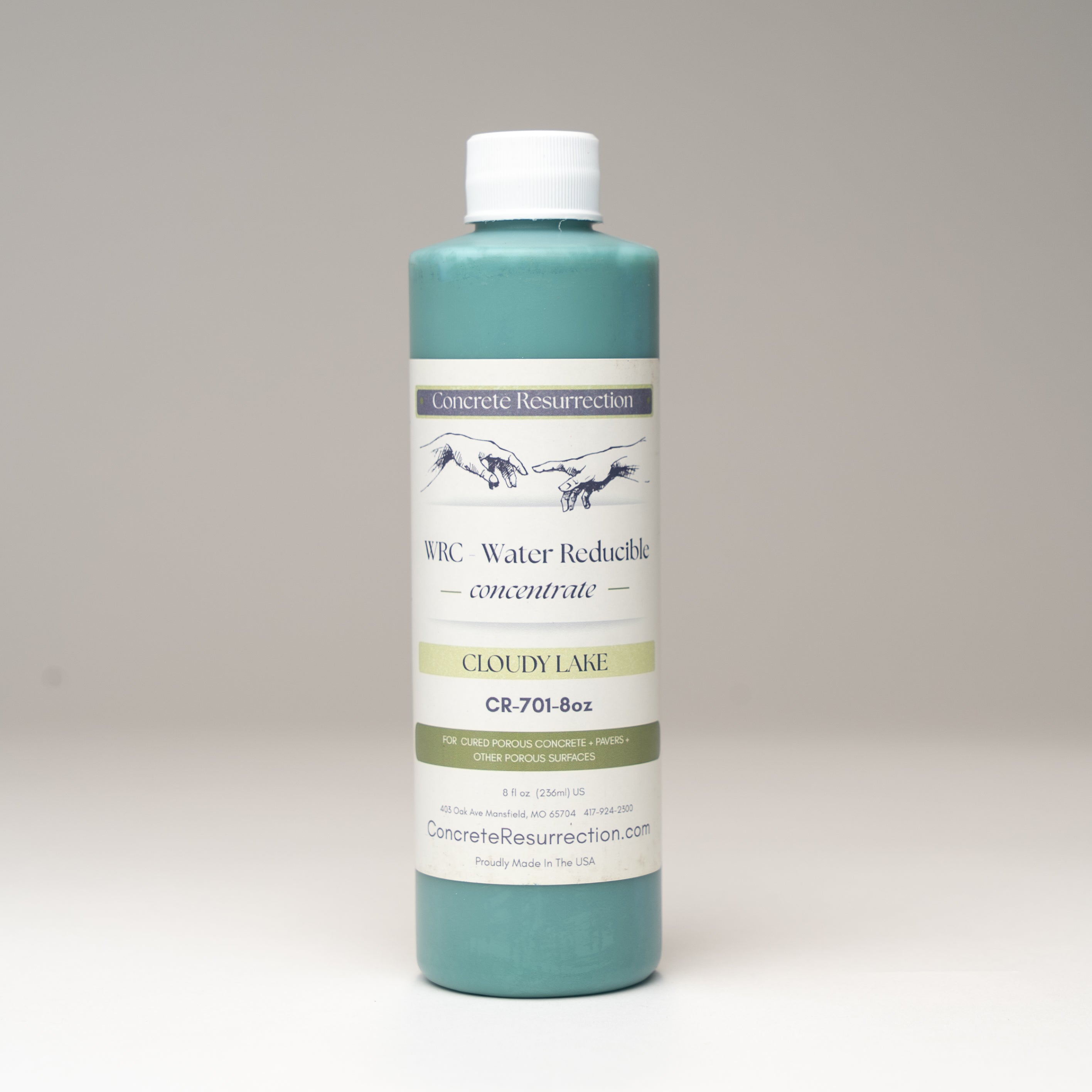
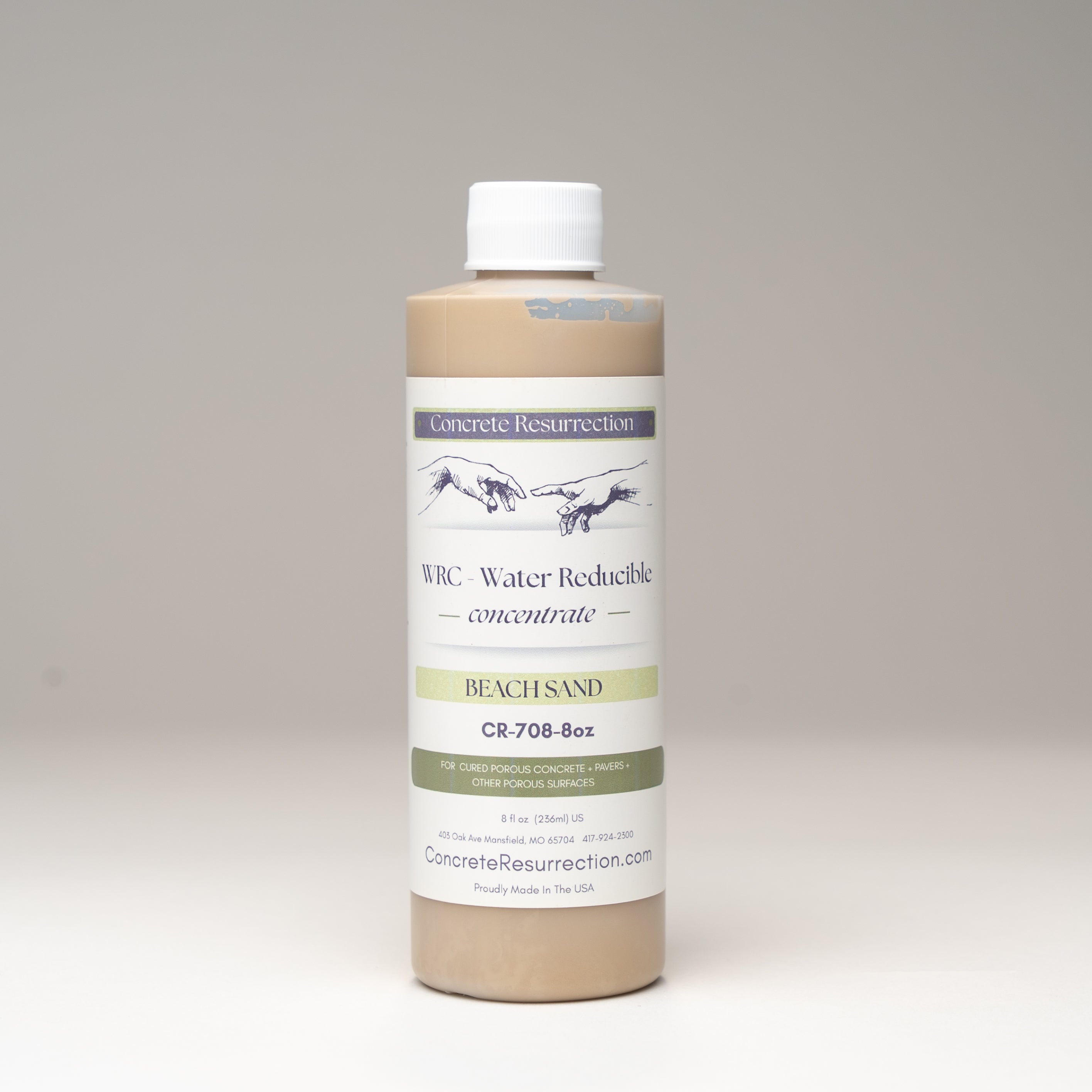
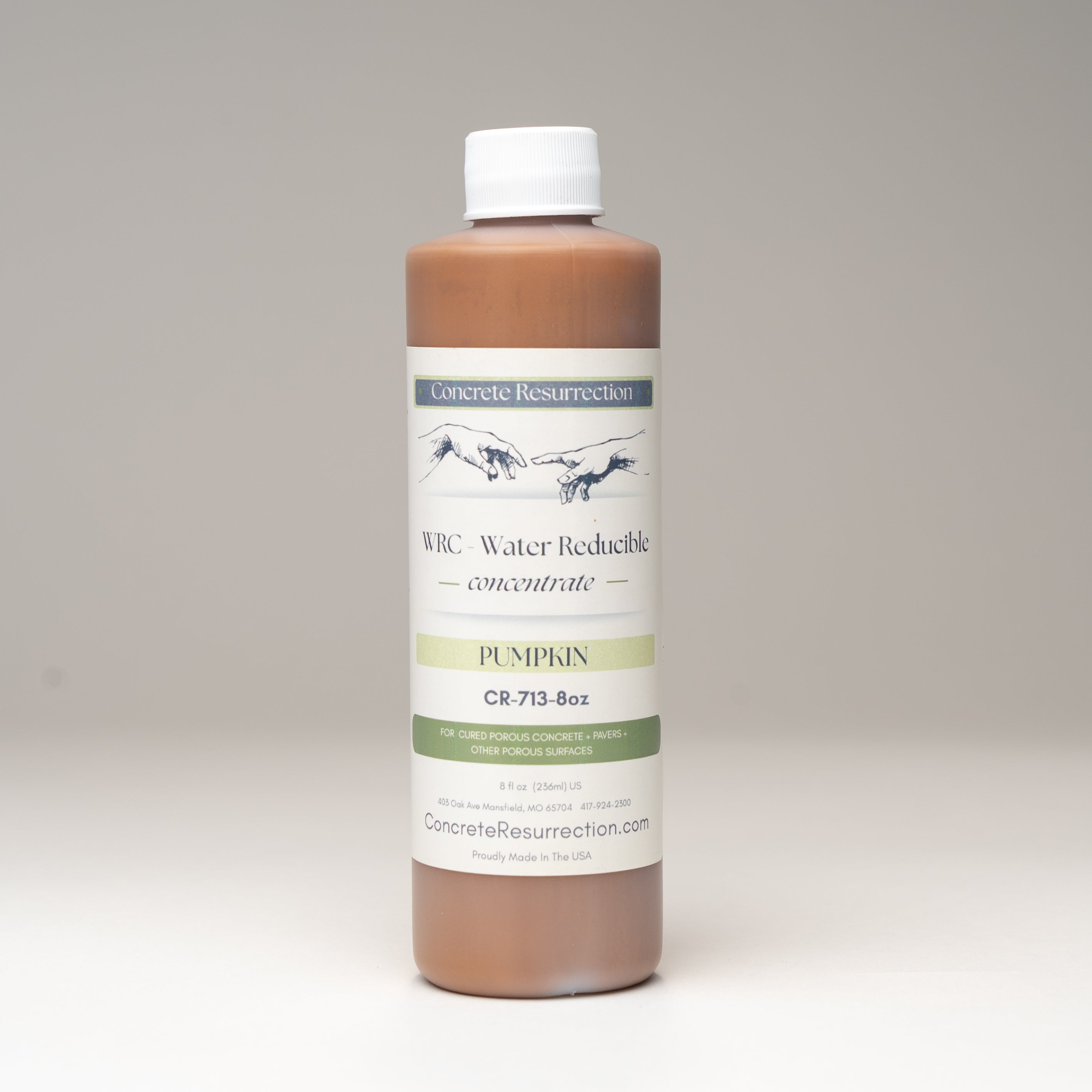
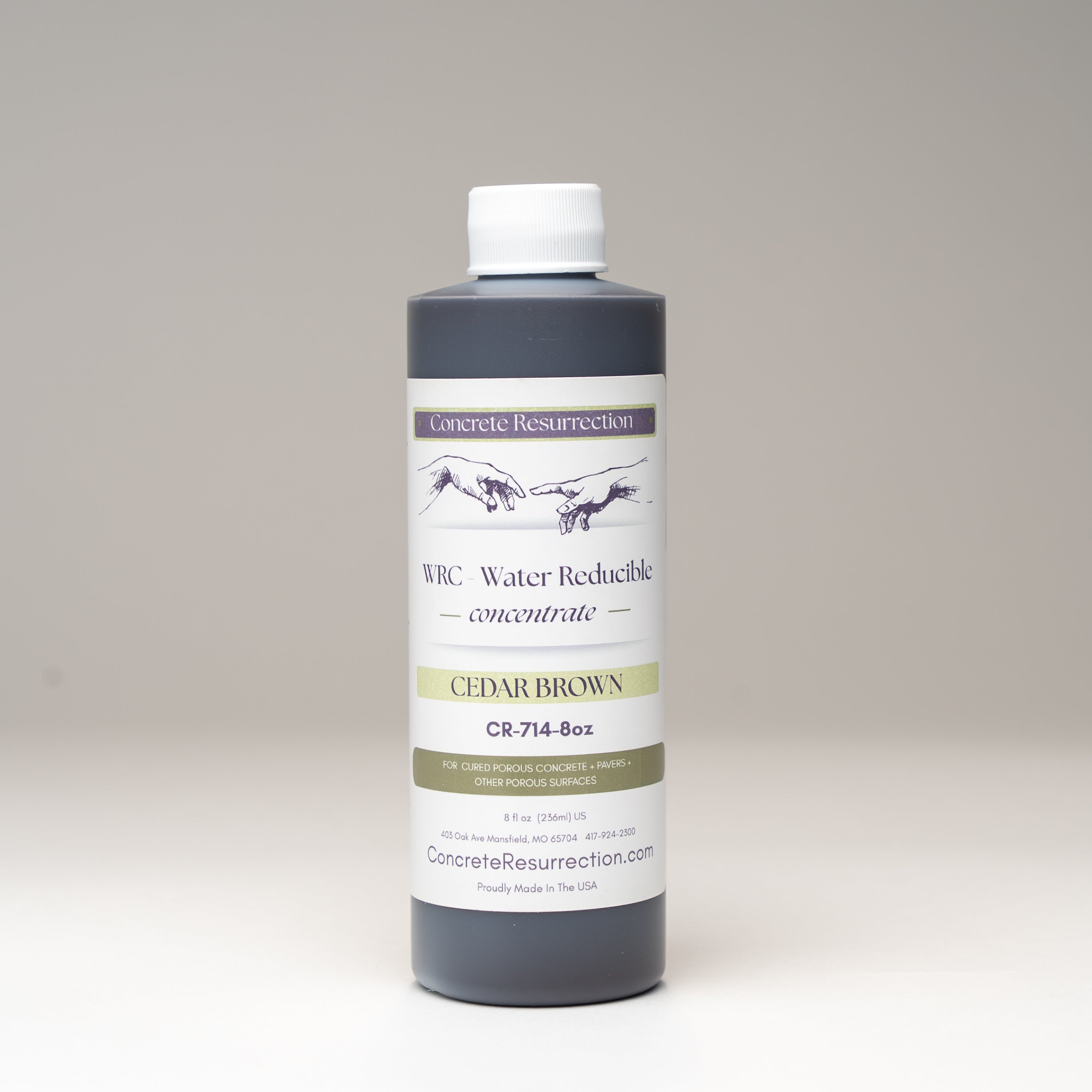
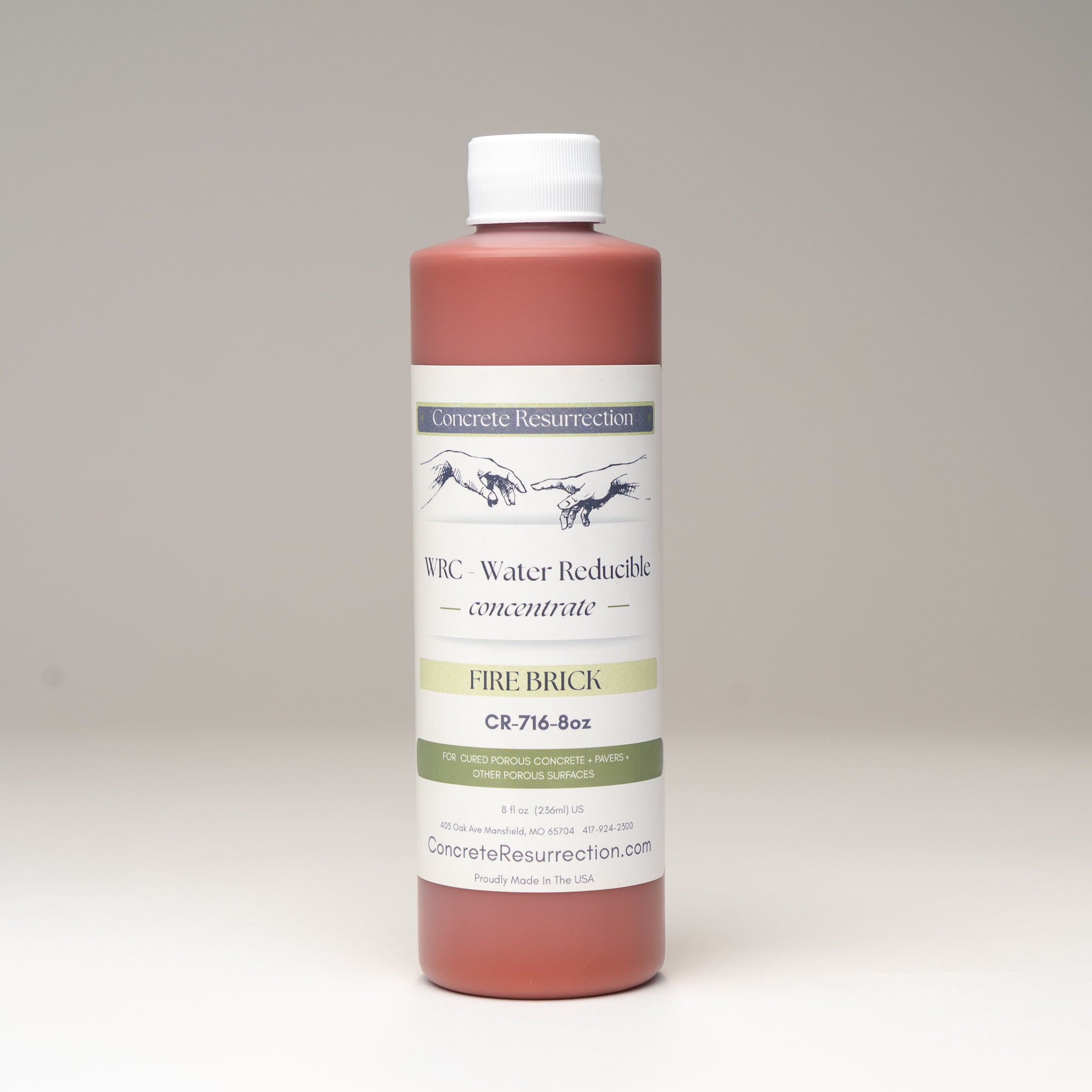
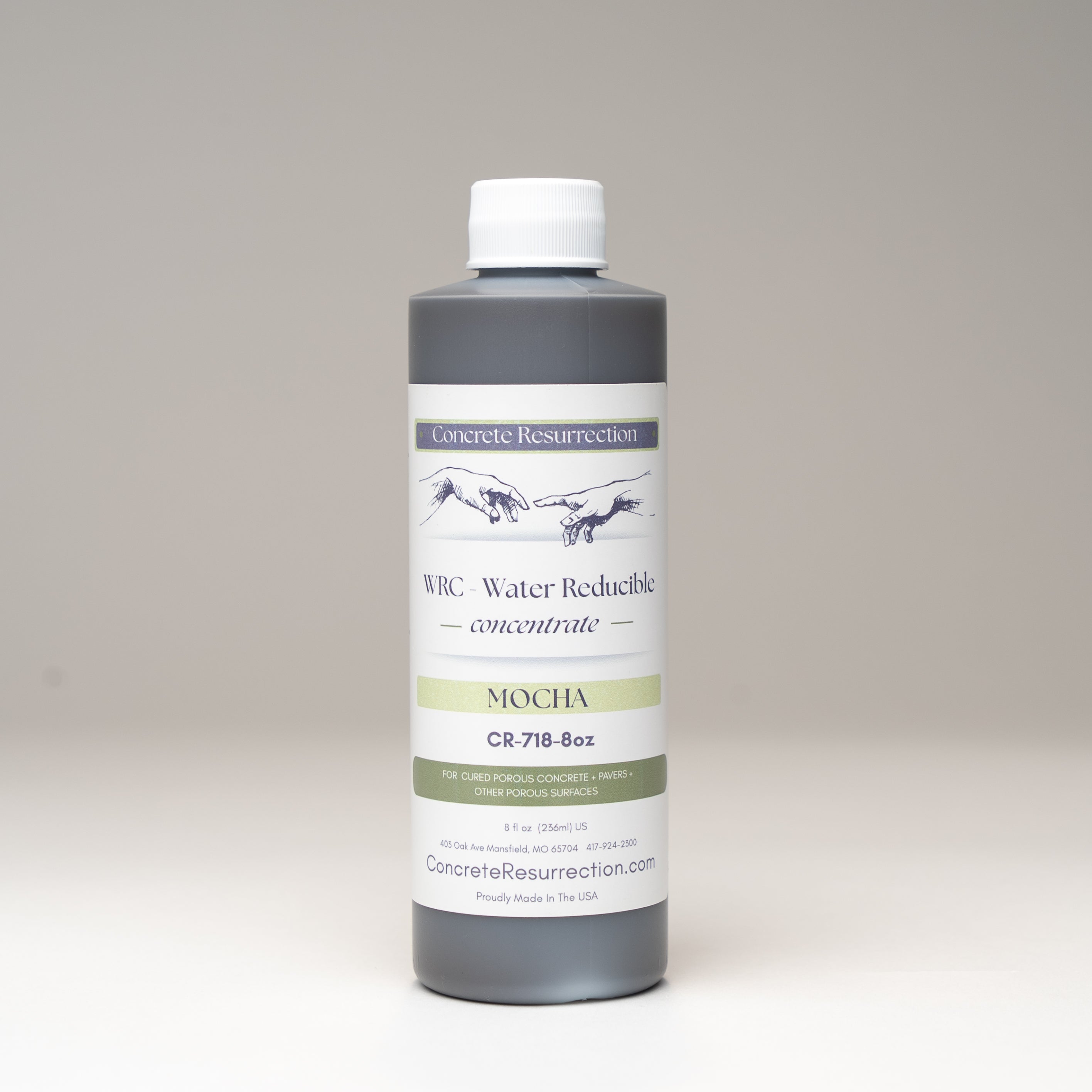
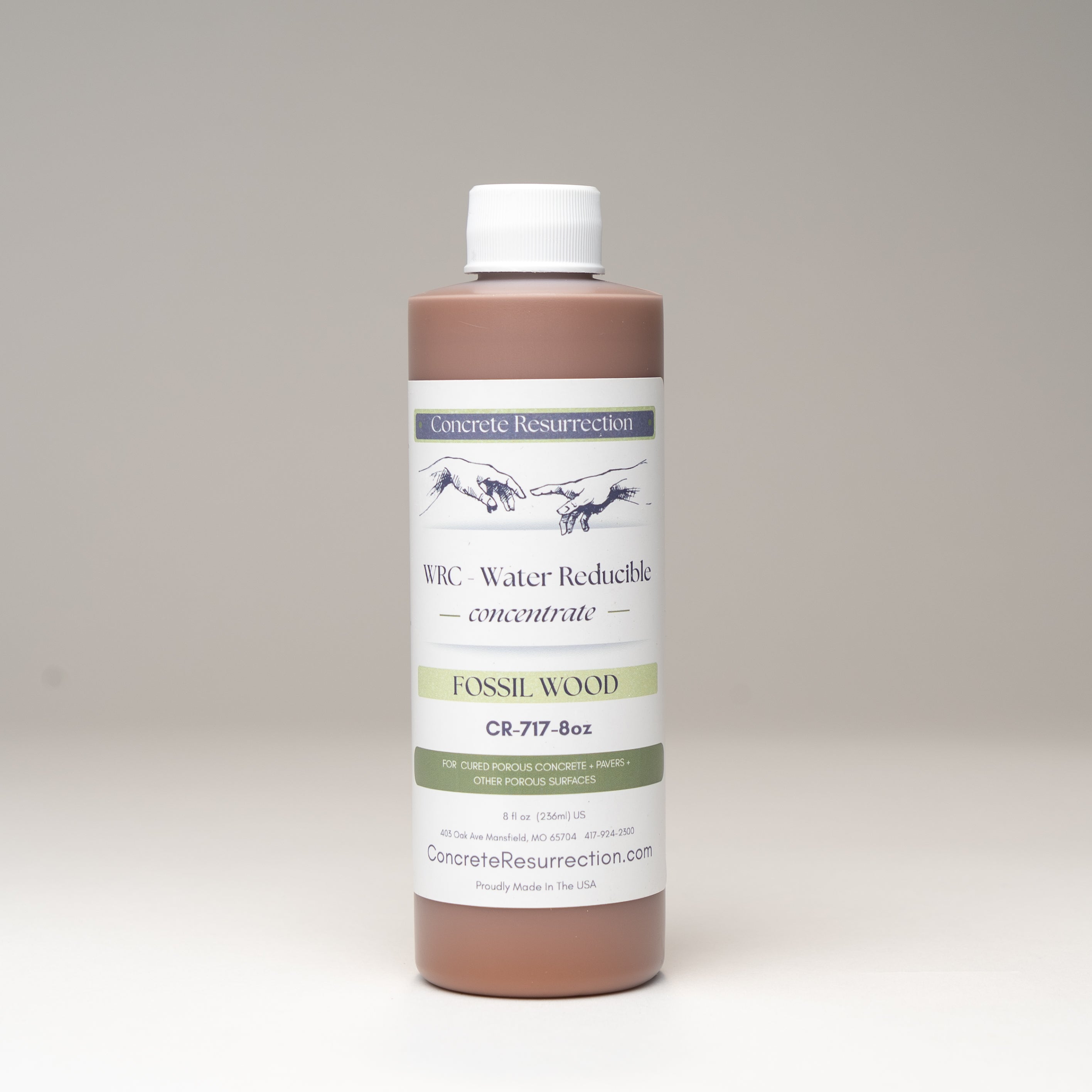
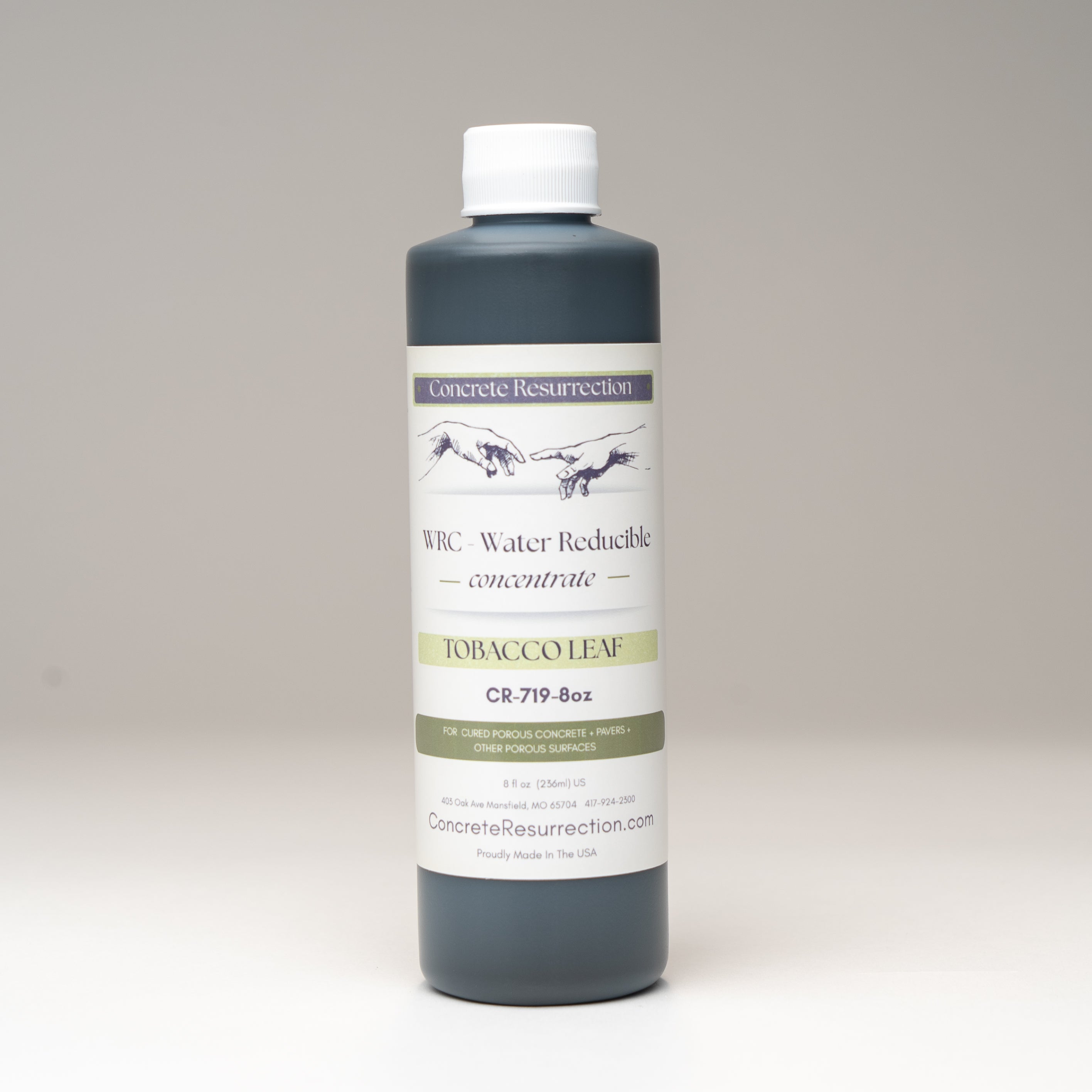
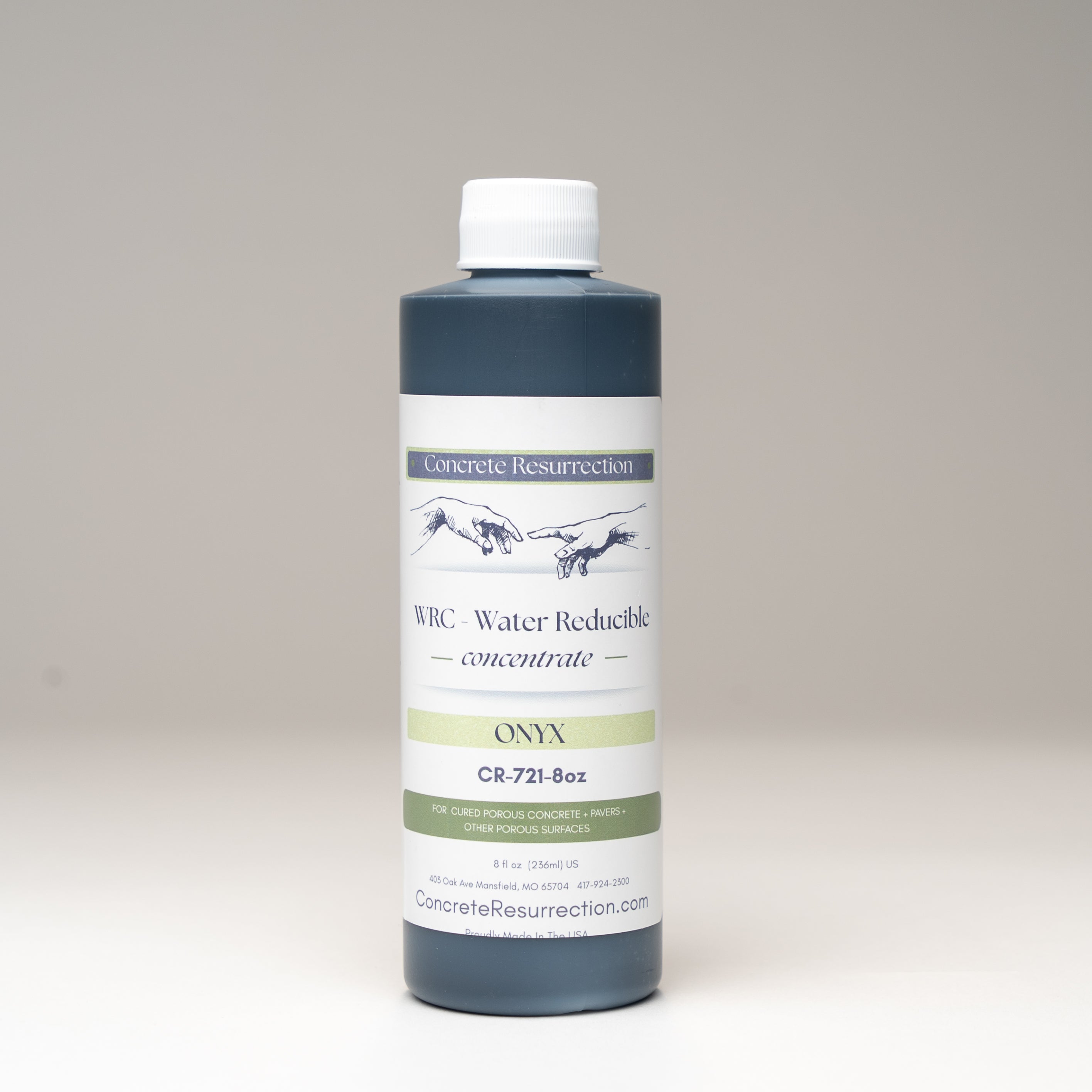
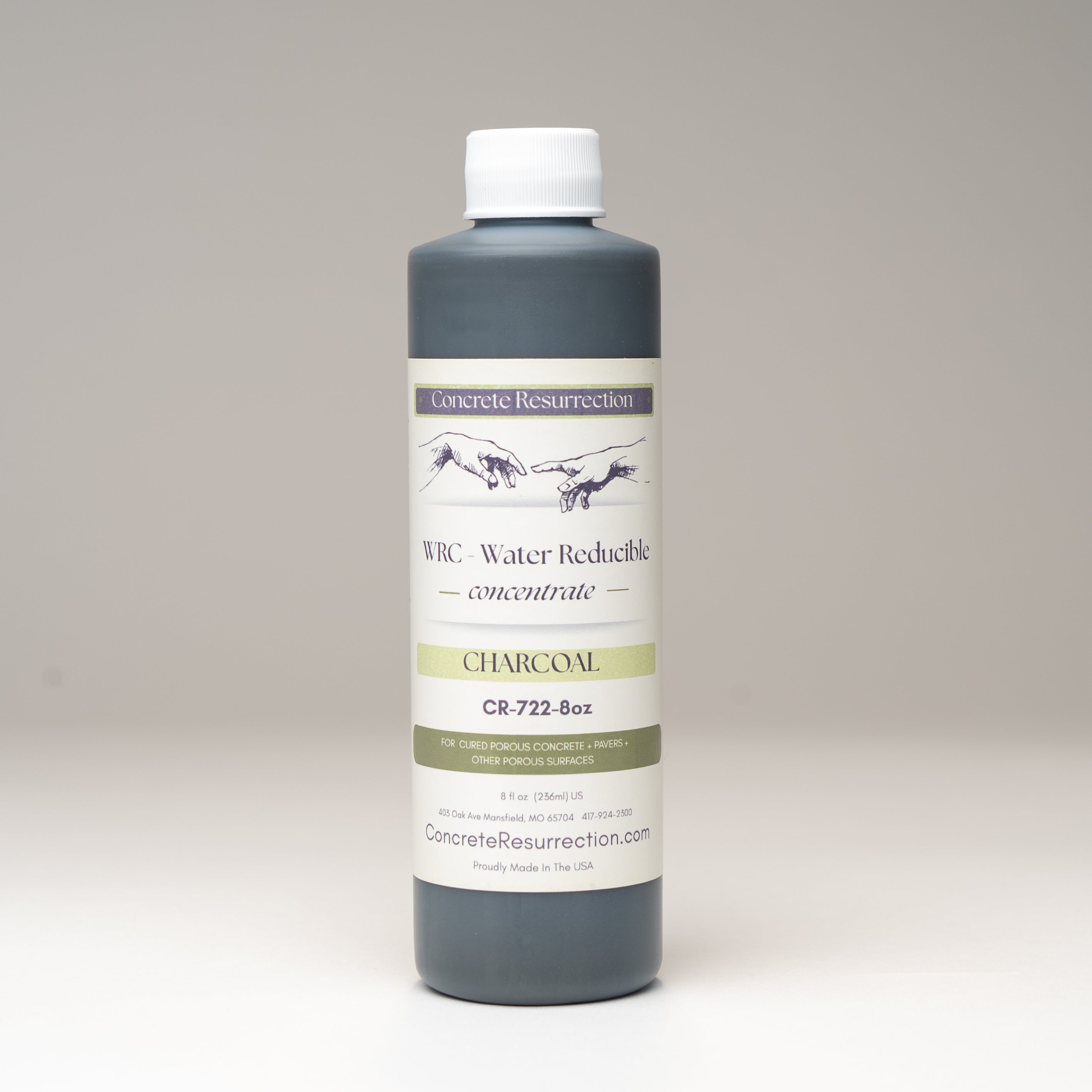
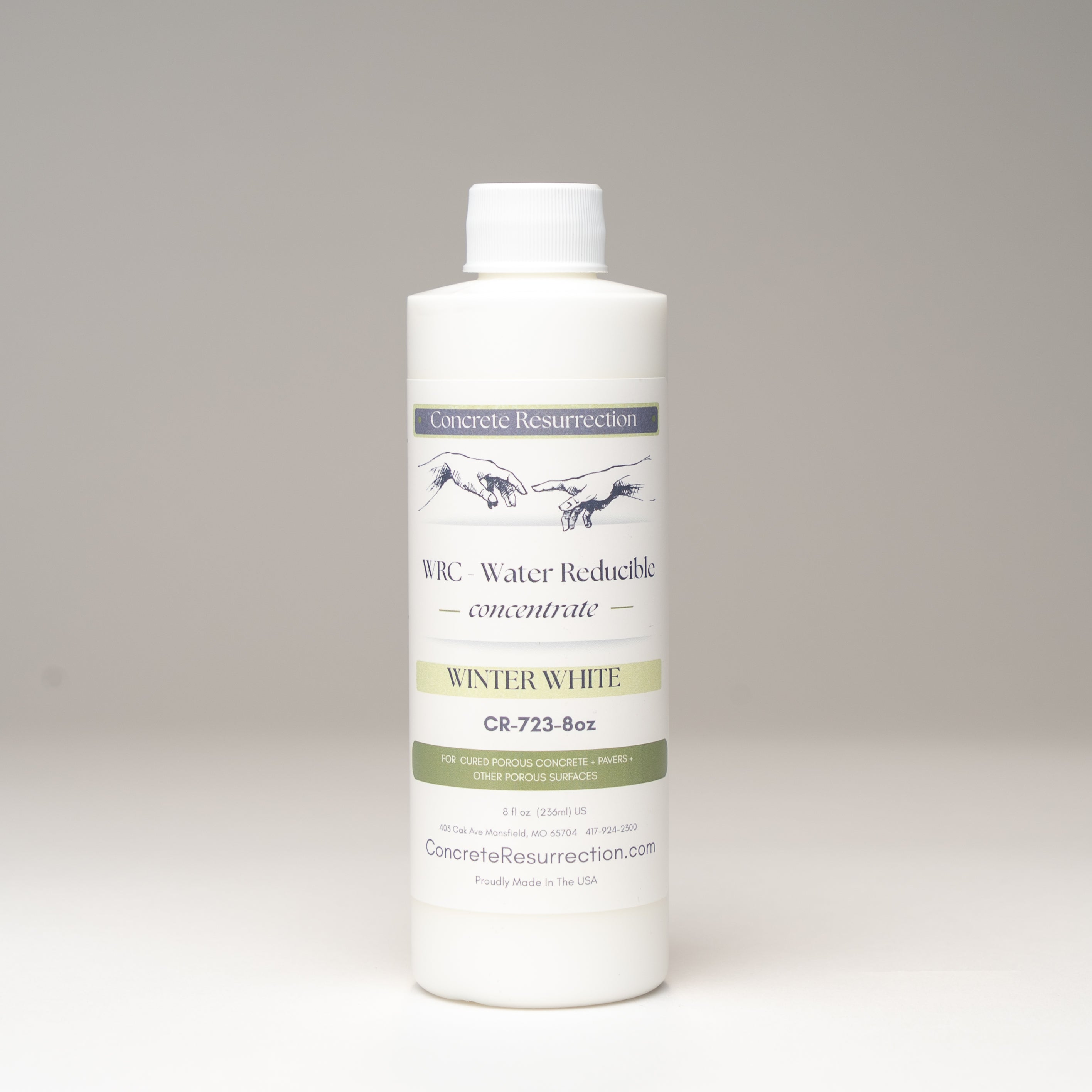
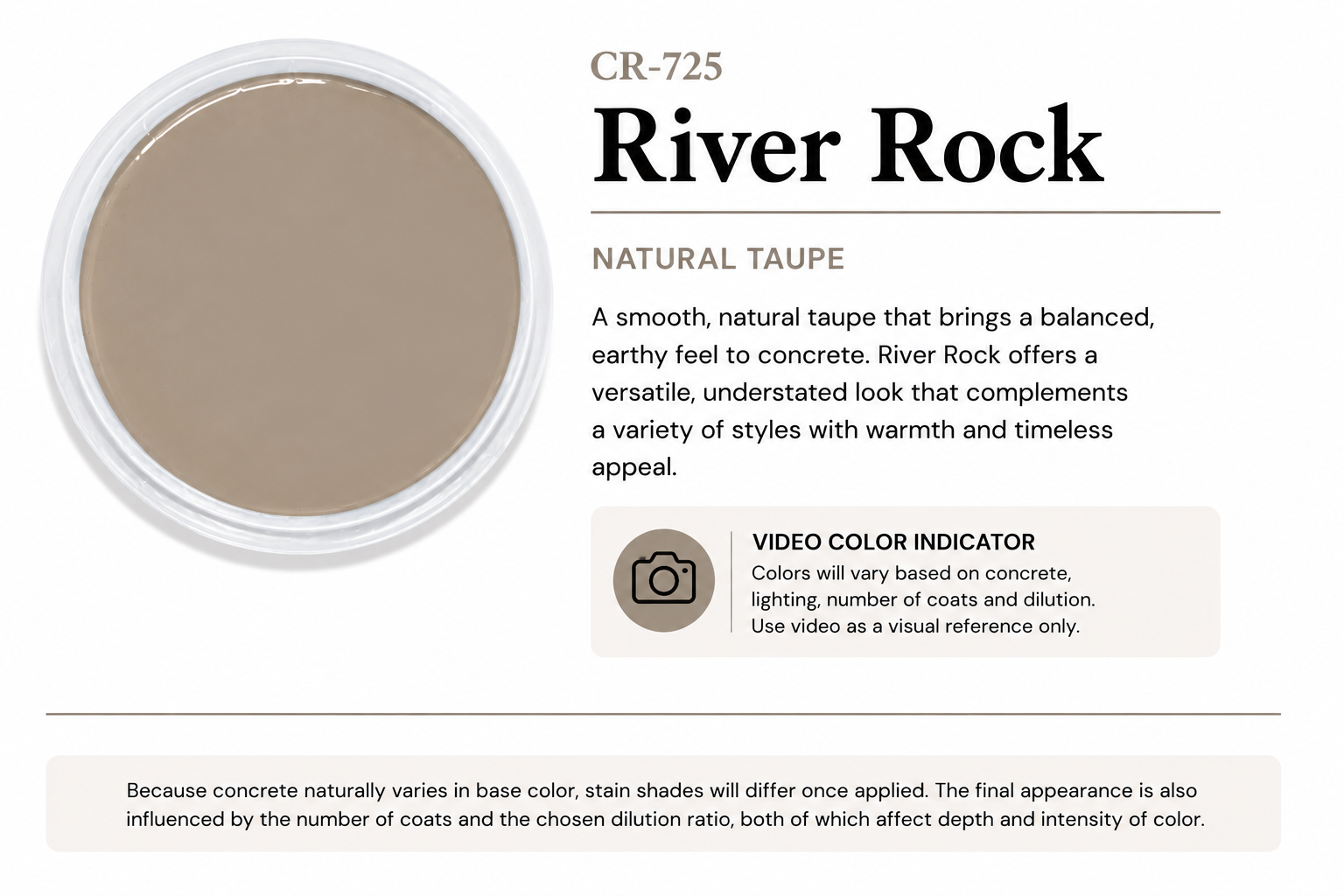
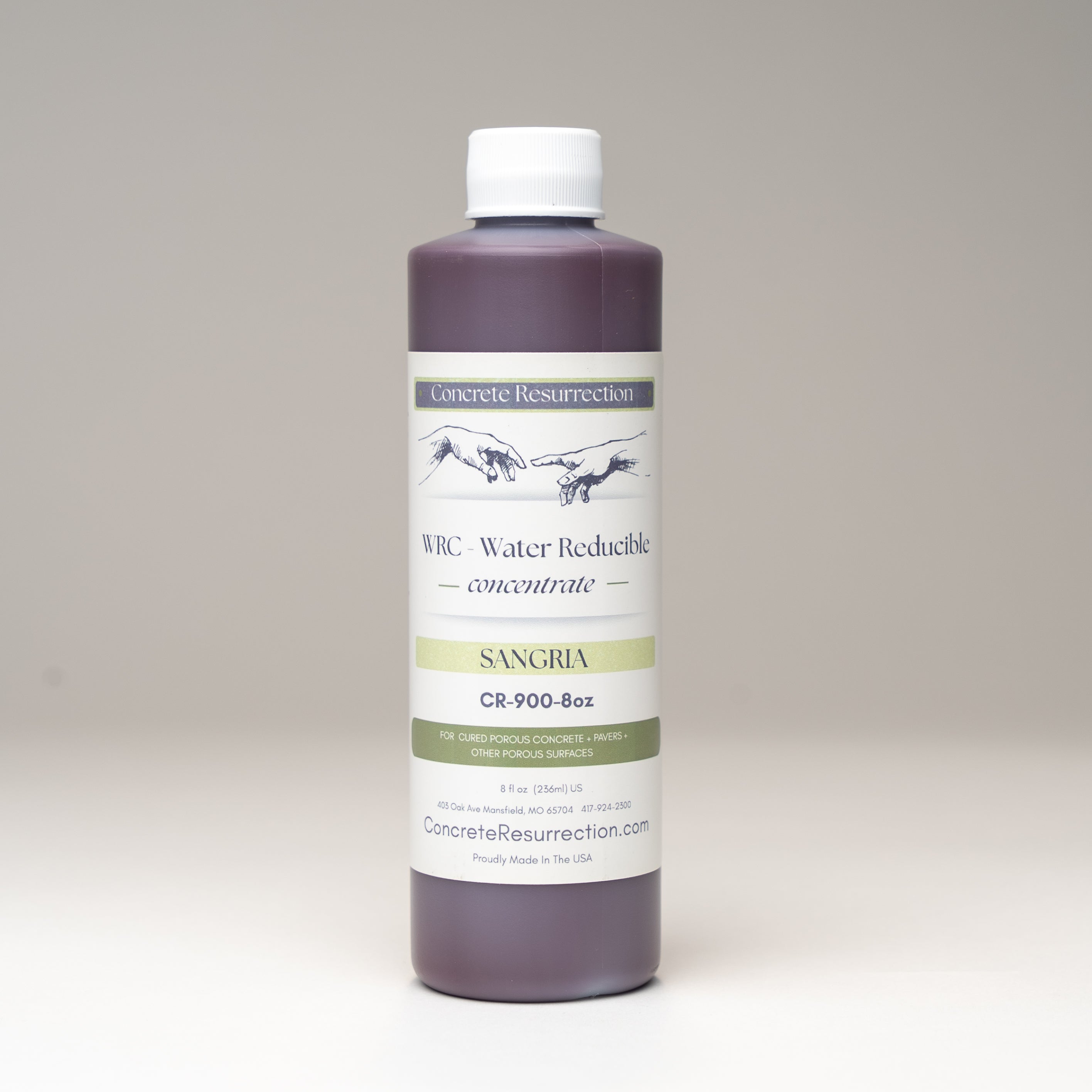
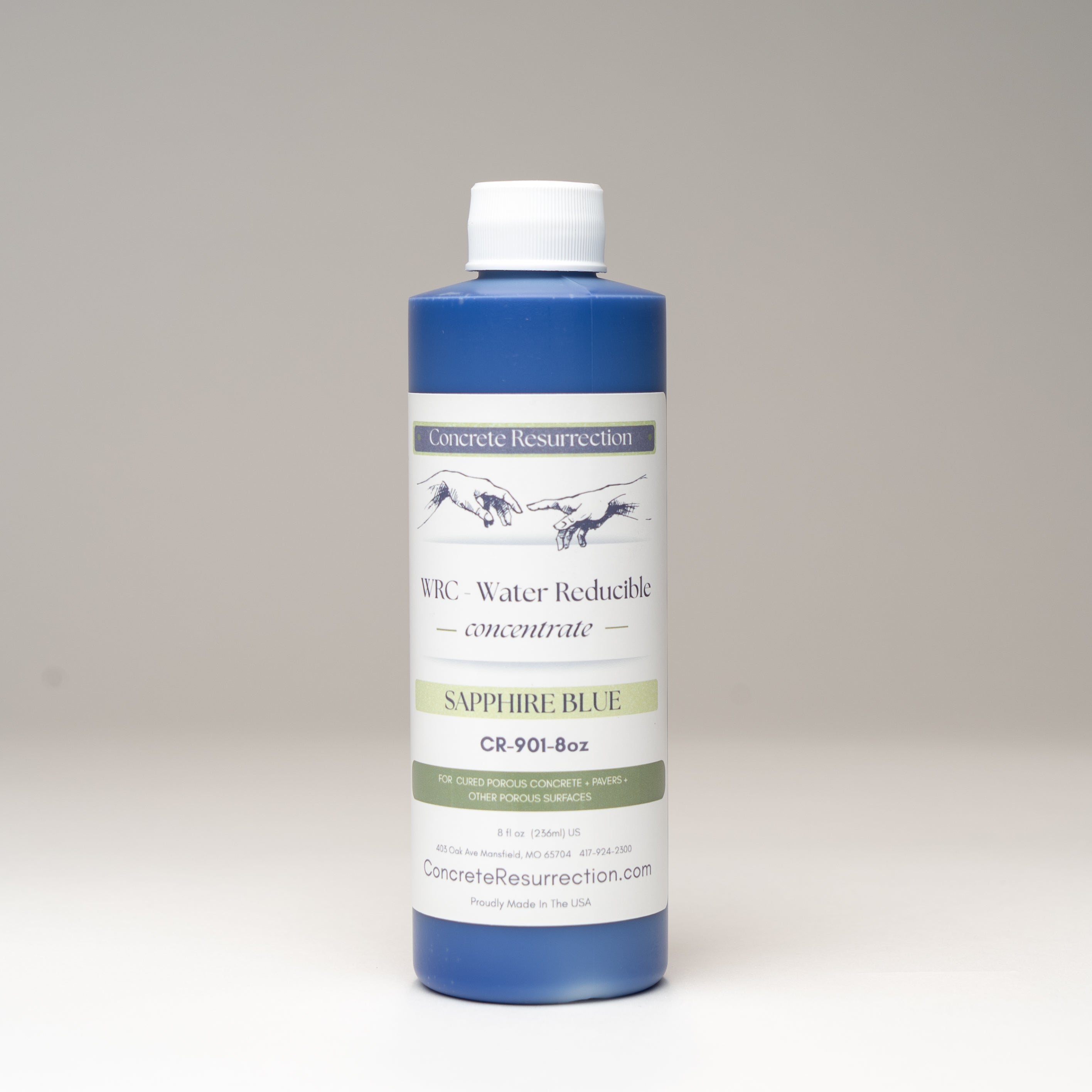
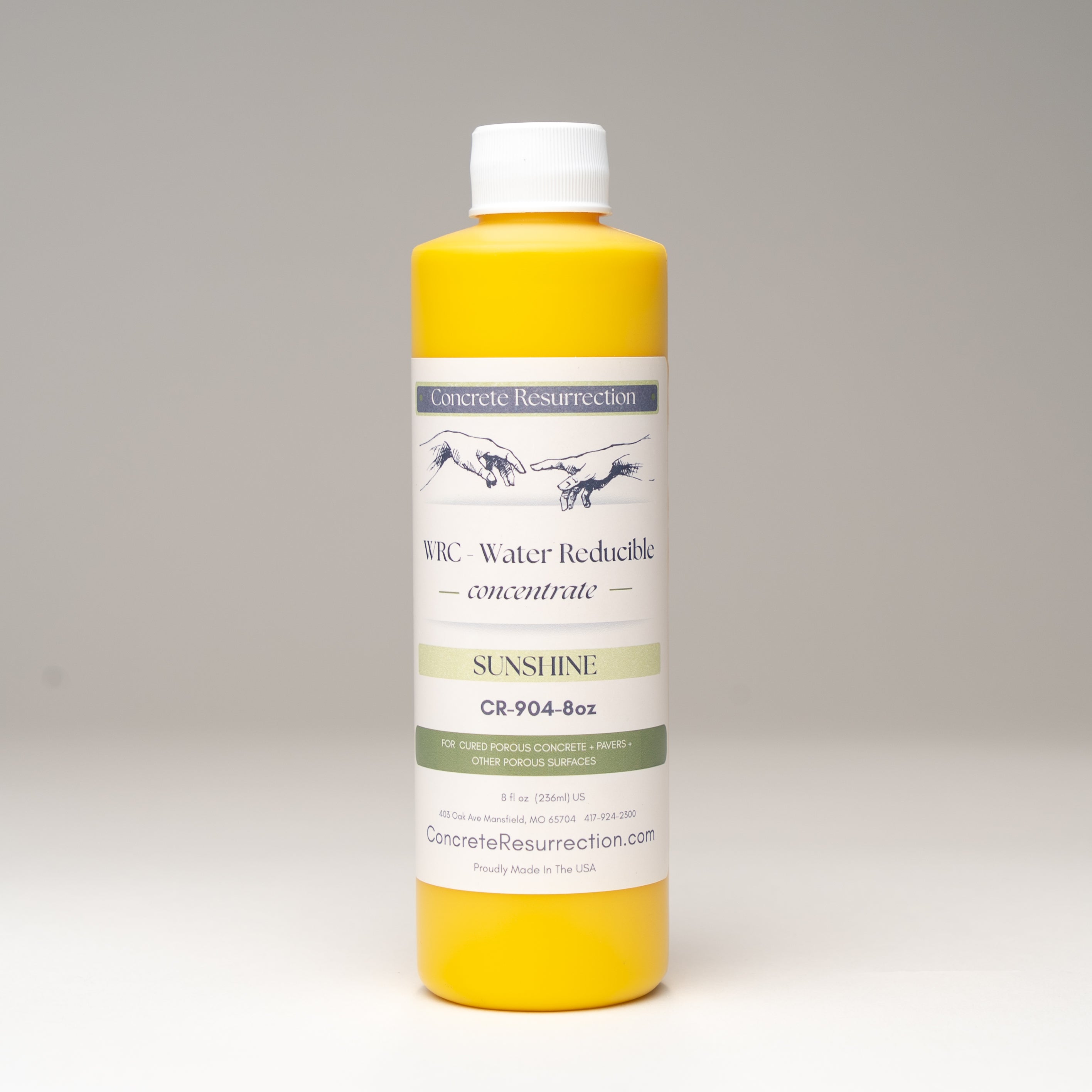
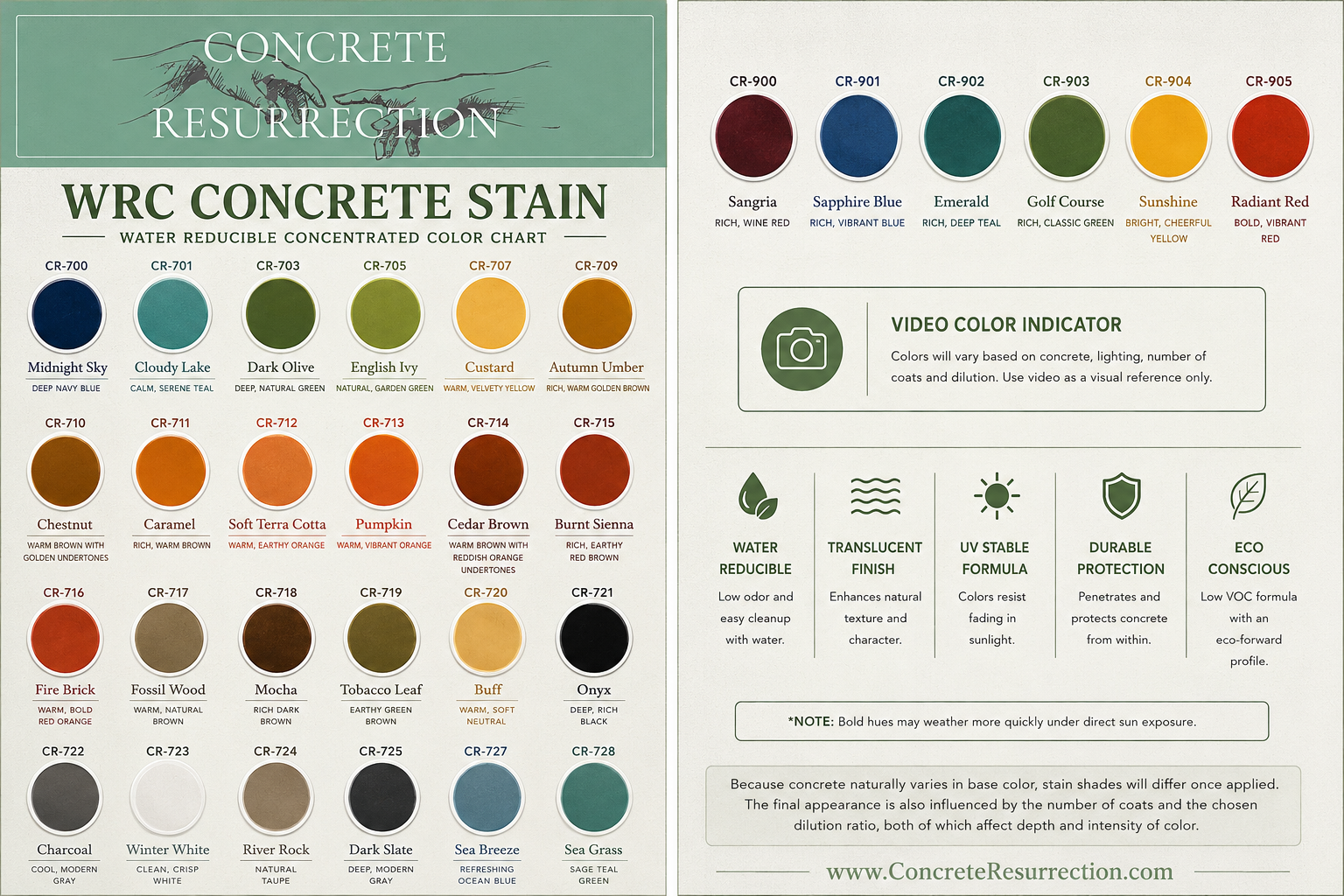
Explore your color options before committing to a larger project. Choose one, four, or six 8 oz bottles of Concrete Resurrection WRC Water Reducible Concentrated Concrete Stain and select the colors you want.
Each sample is the same professional-grade, water-based WRC concentrate used in our full-size bottles—just in a convenient size for test areas, sample boards, small accents, touch-ups, and trying color combinations.
Choose Your Pack
- Single: Choose one 8 oz color sample.
- Build Your Own 4-Pack: Select any four colors and save 40%.
- Build Your Own 6-Pack: Select any six colors and save 45%.
For multi-packs, choose a color for each bottle using the selectors shown after you select your pack size. You may choose all different colors or repeat a favorite color.
Why Try WRC Samples?
- Test colors on your actual concrete before ordering project quantities
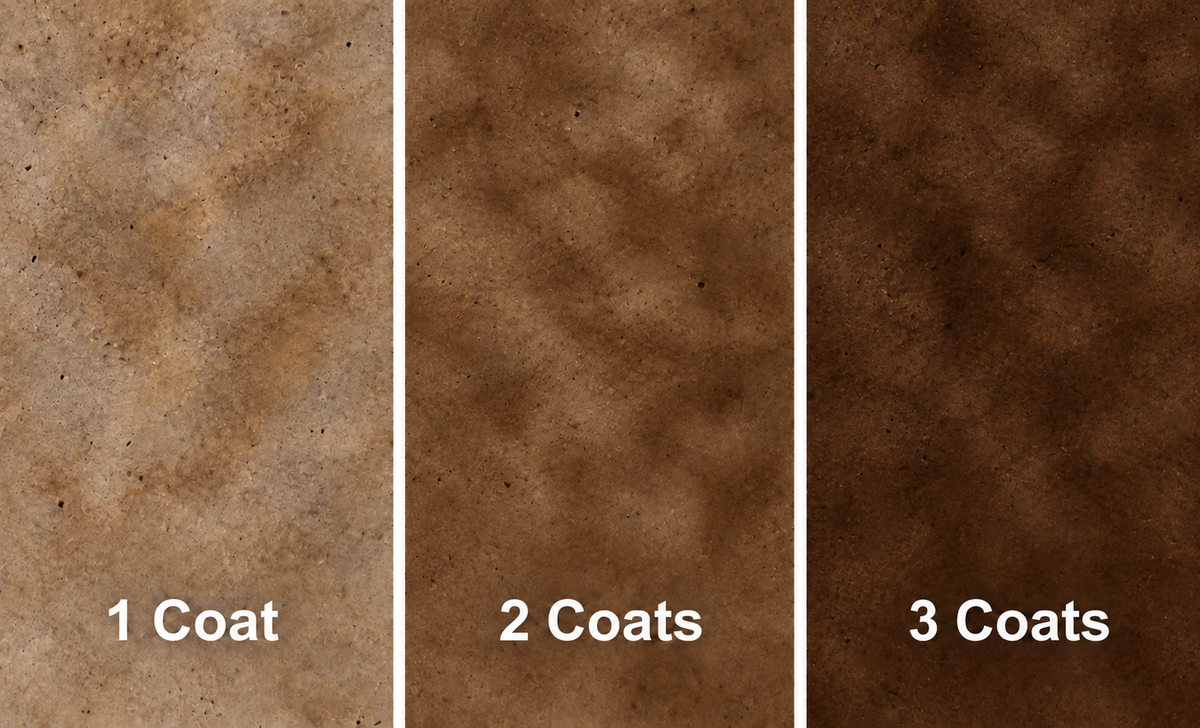
- Compare colors, blends, and layered effects
- Create sample boards for customers or project approval
- Use for small decorative details, repairs, or touch-ups
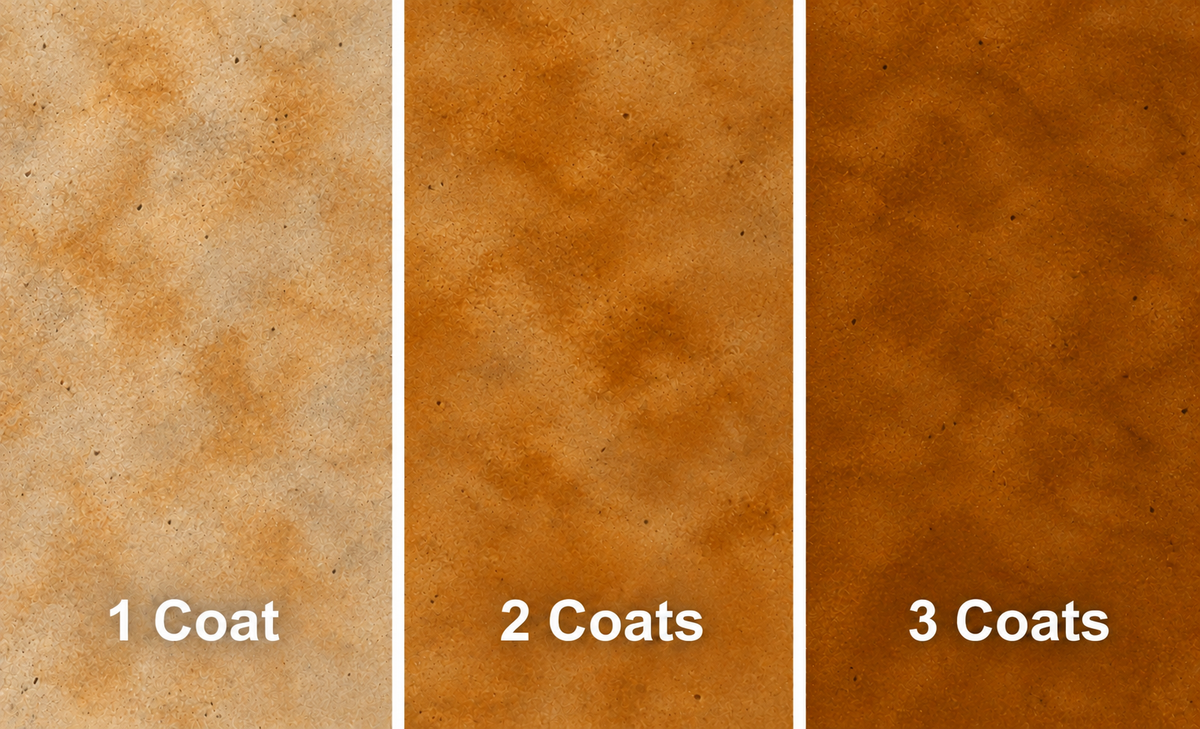
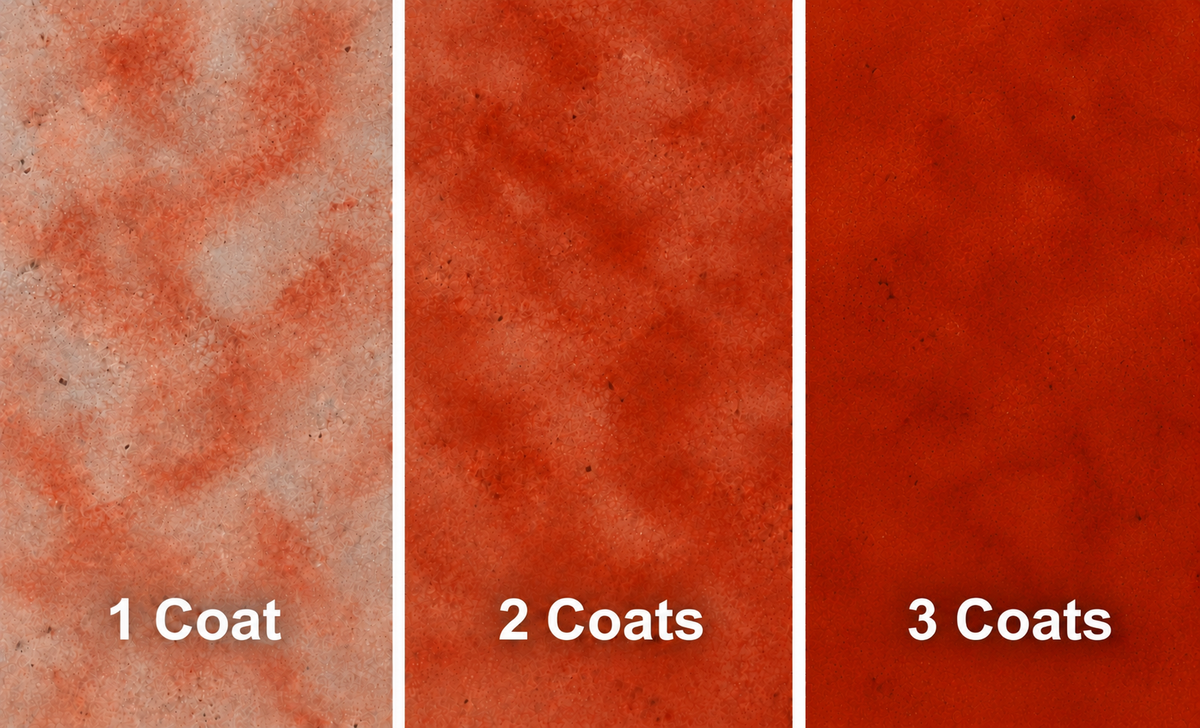
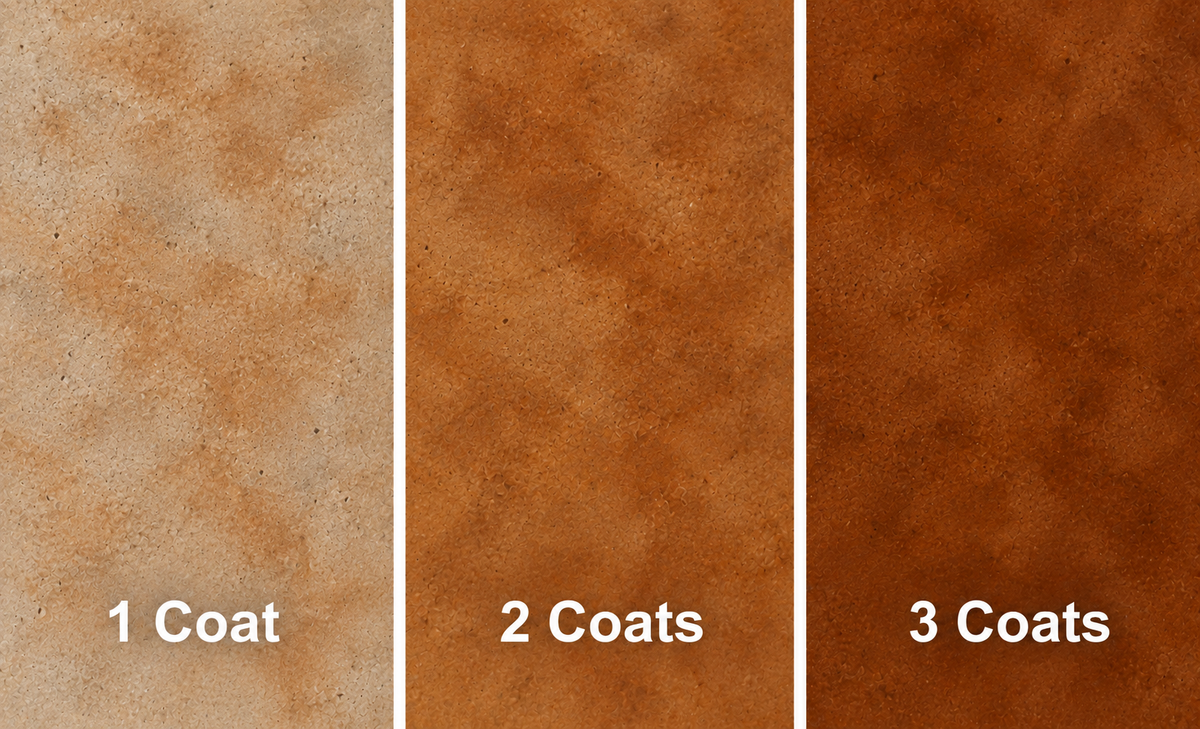
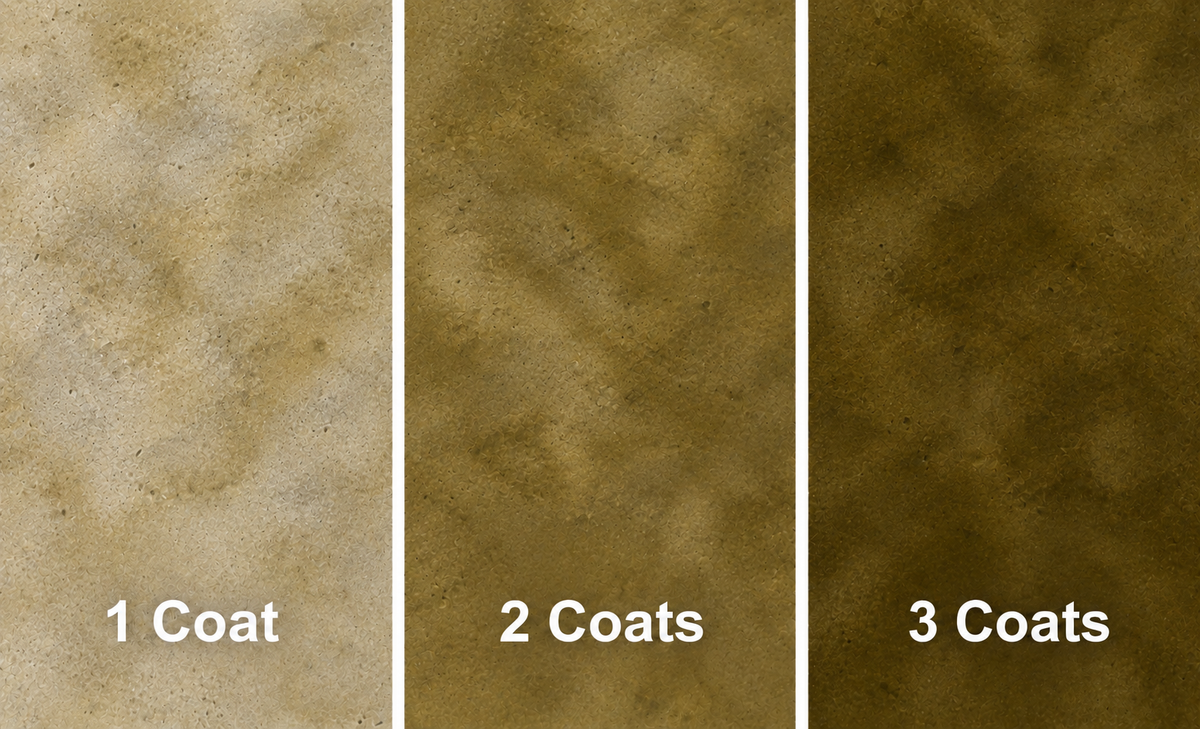
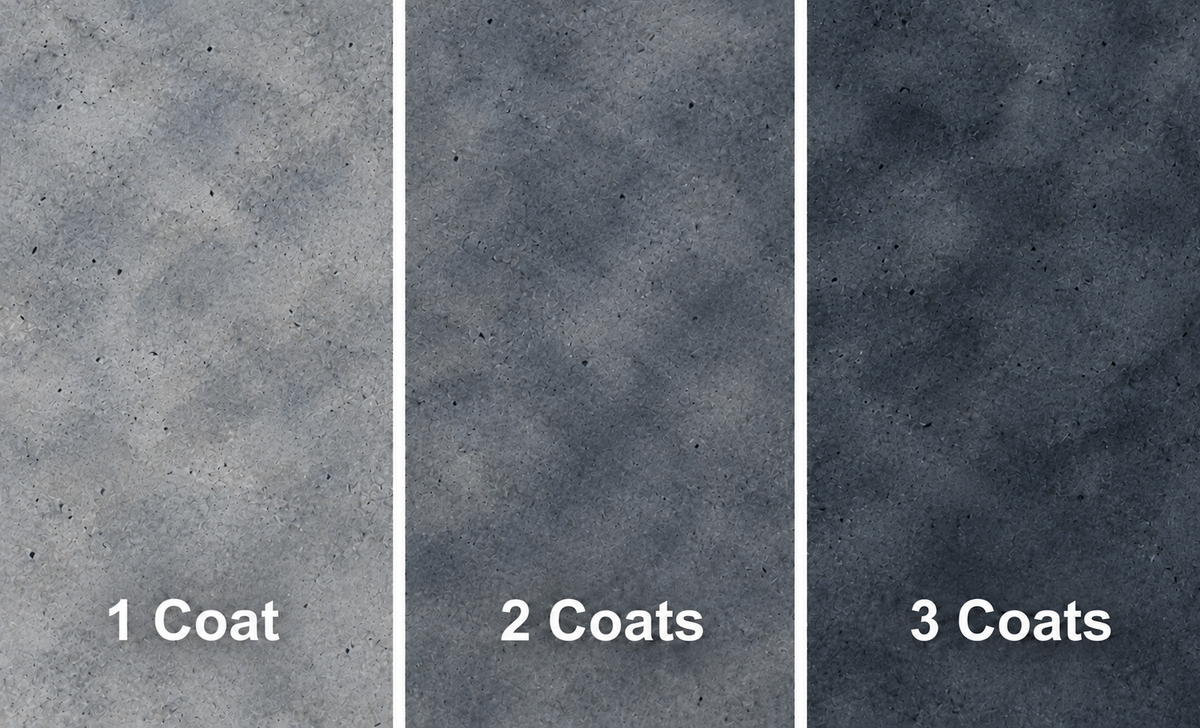
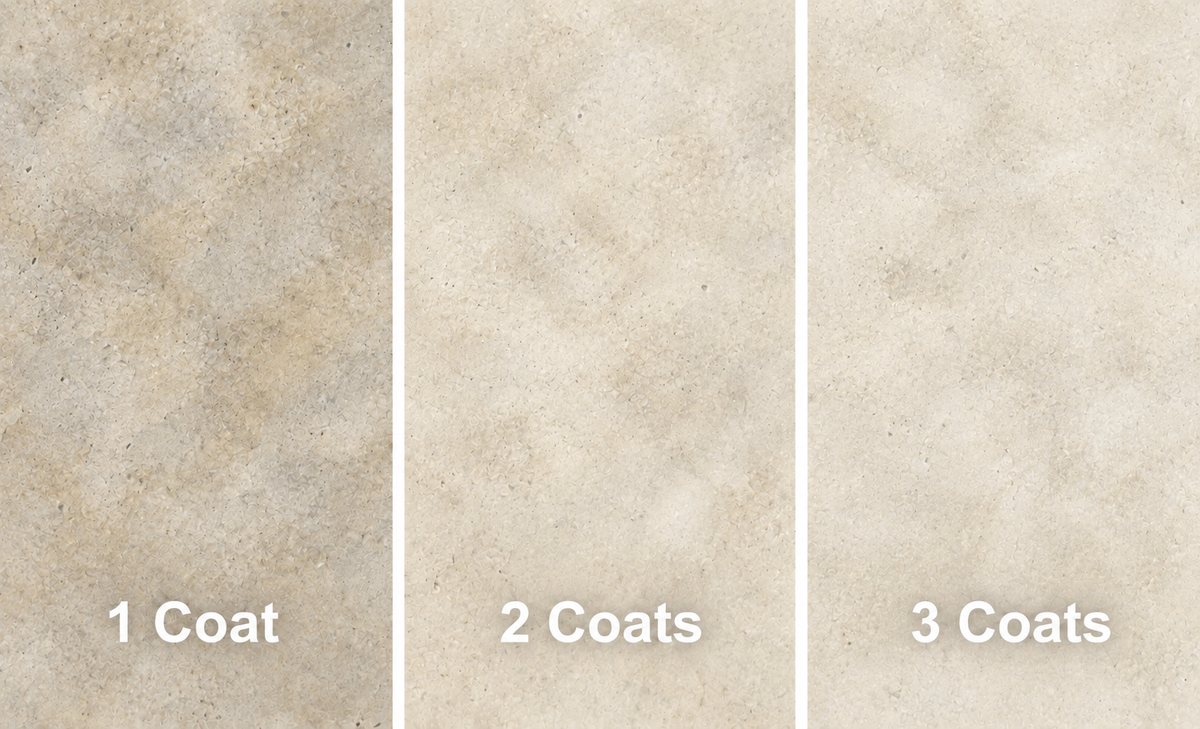
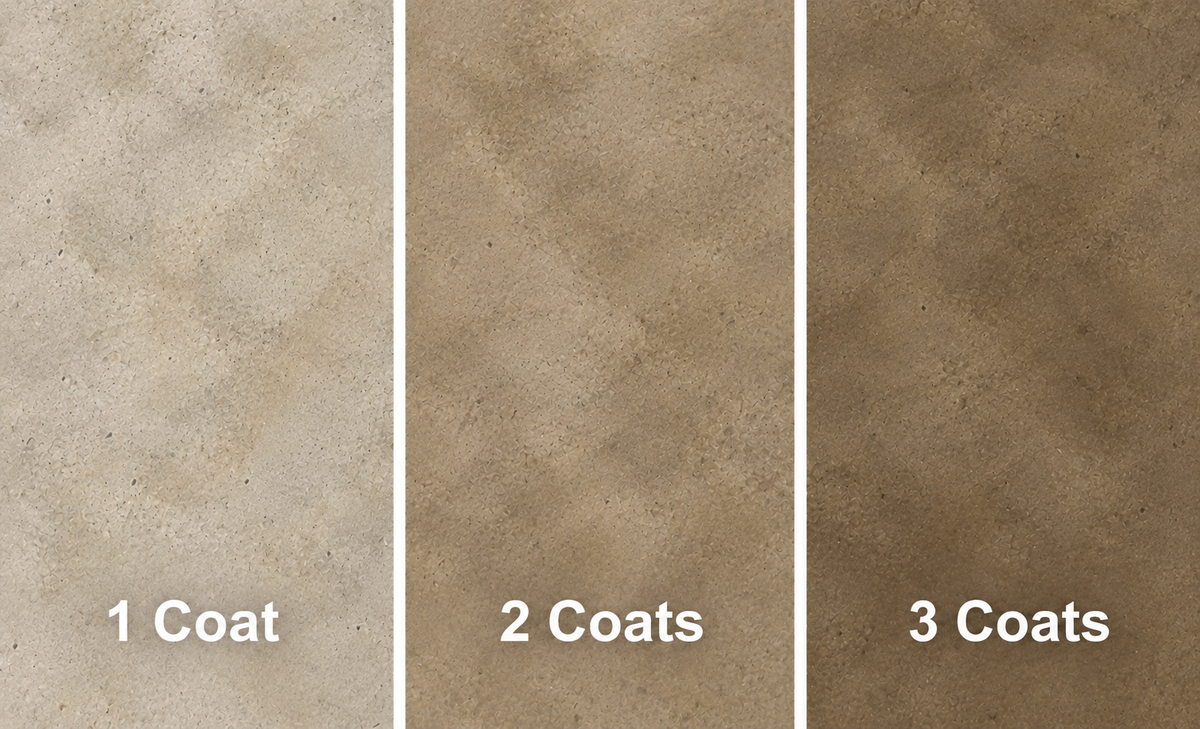
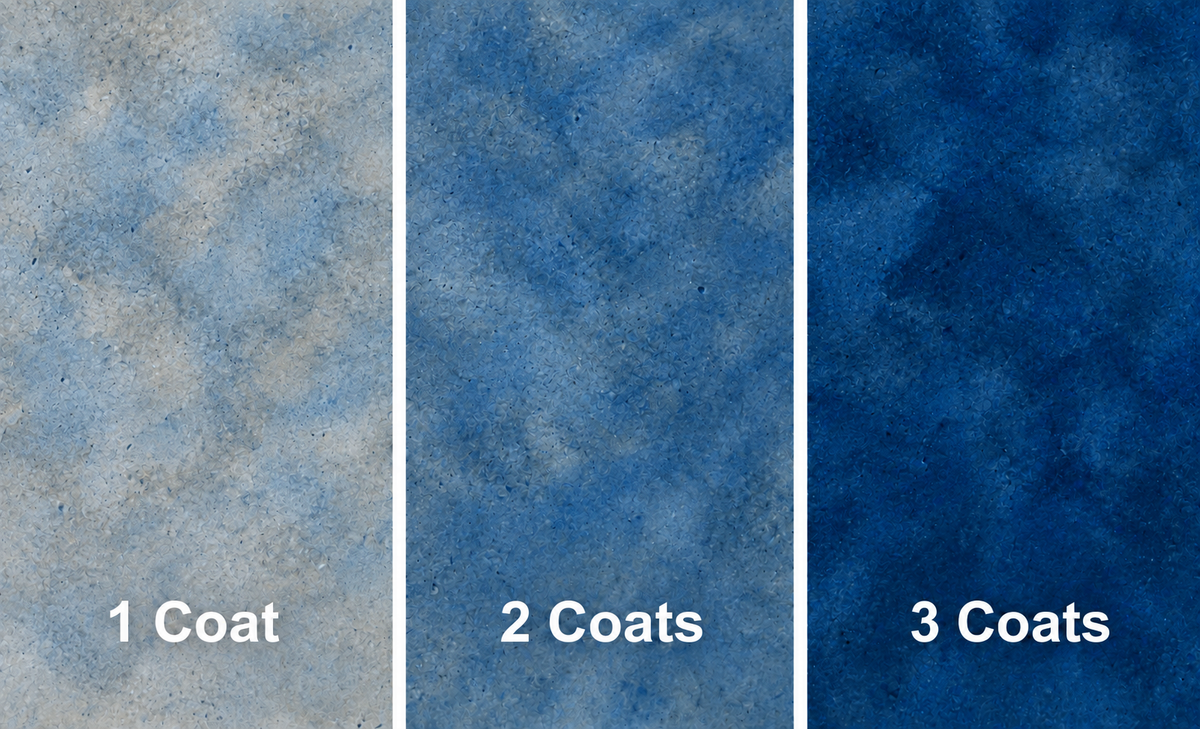
- Adjust color depth by changing the water dilution
About WRC Concrete Stain
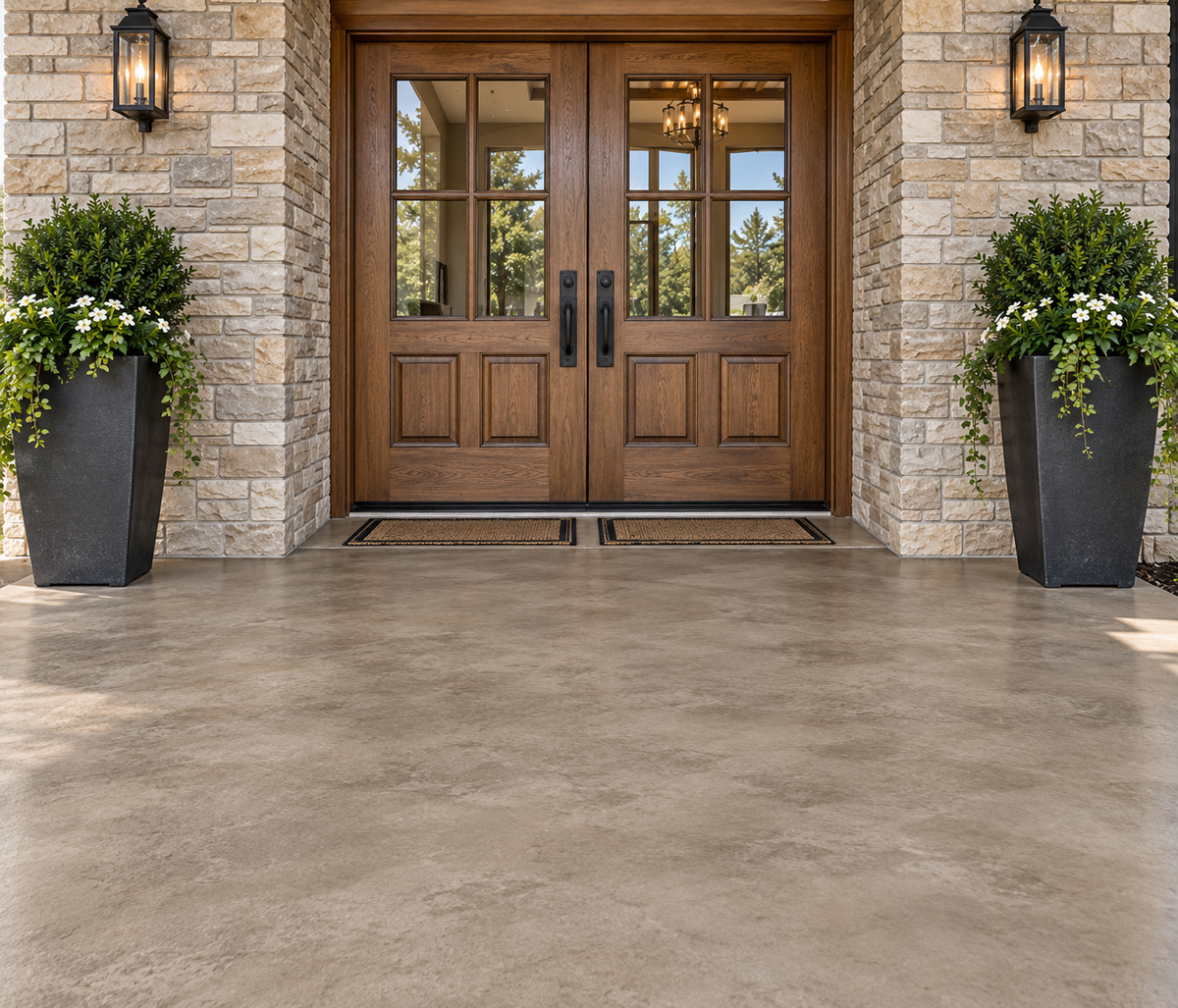
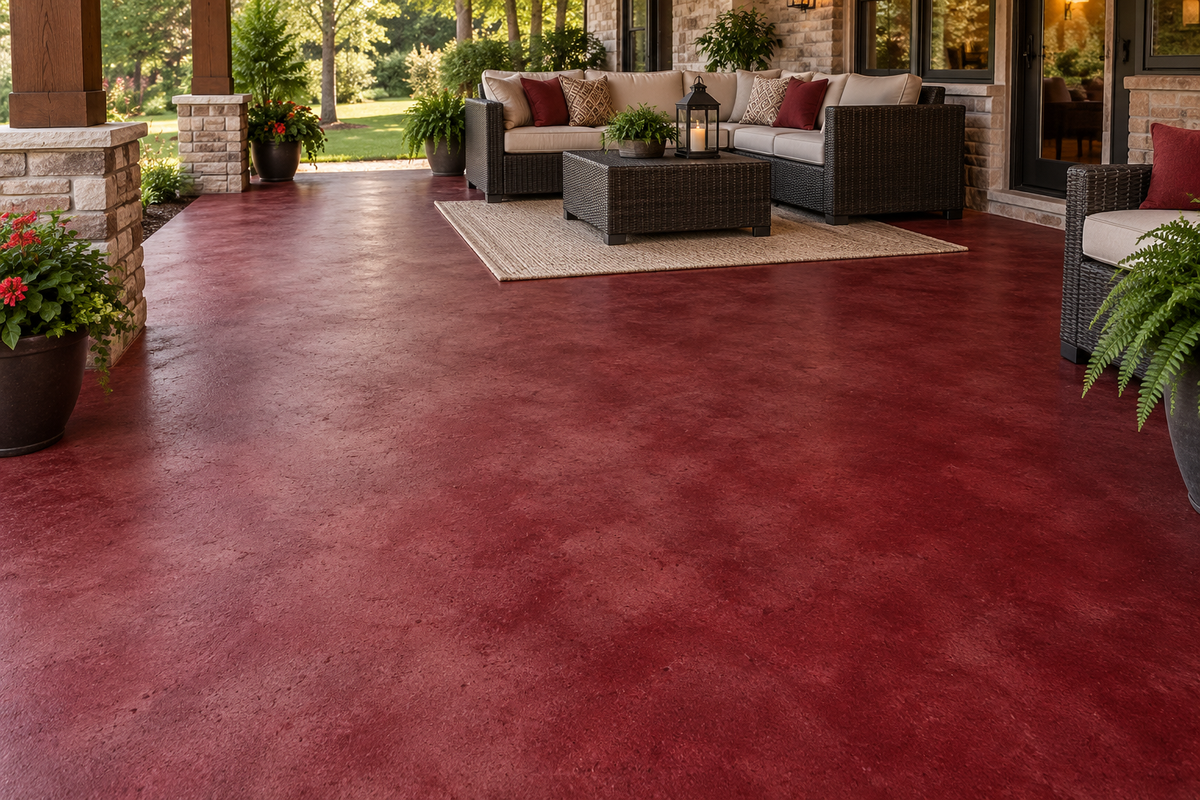
WRC is a low-odor, water-based concrete stain concentrate for properly prepared, porous interior or exterior concrete. Unlike paint, it creates semi-transparent color that allows the natural texture and variation of the concrete to remain visible.
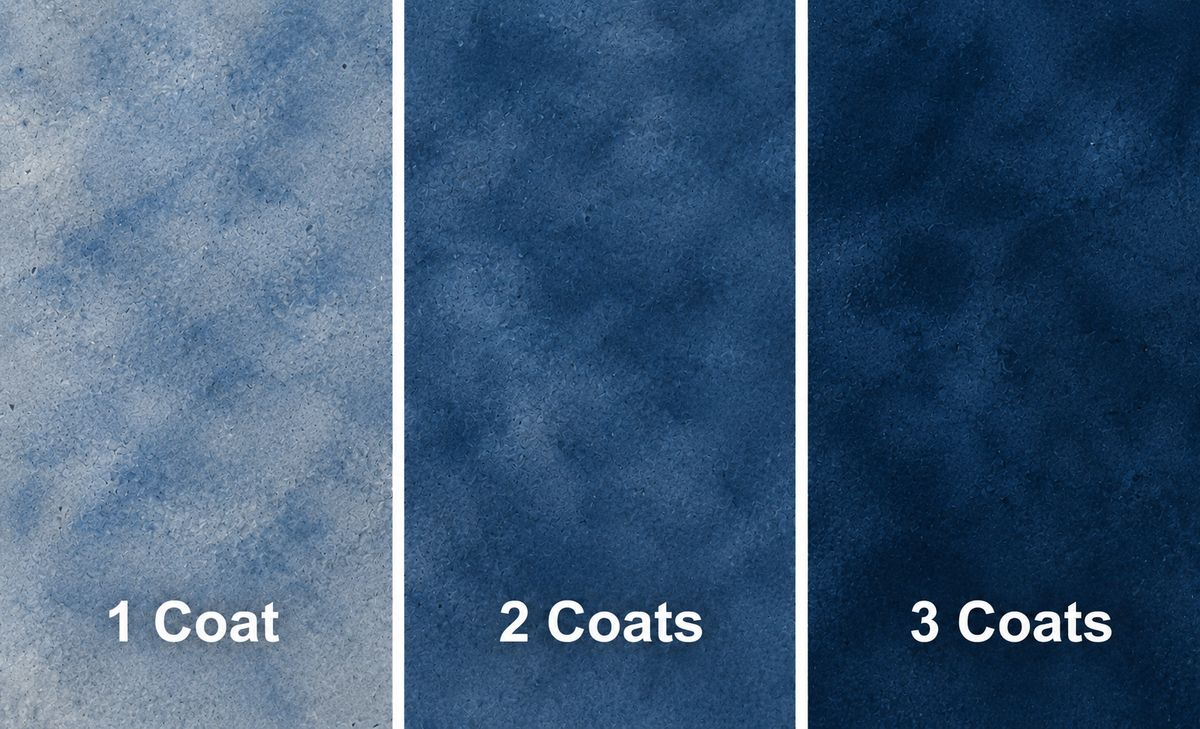
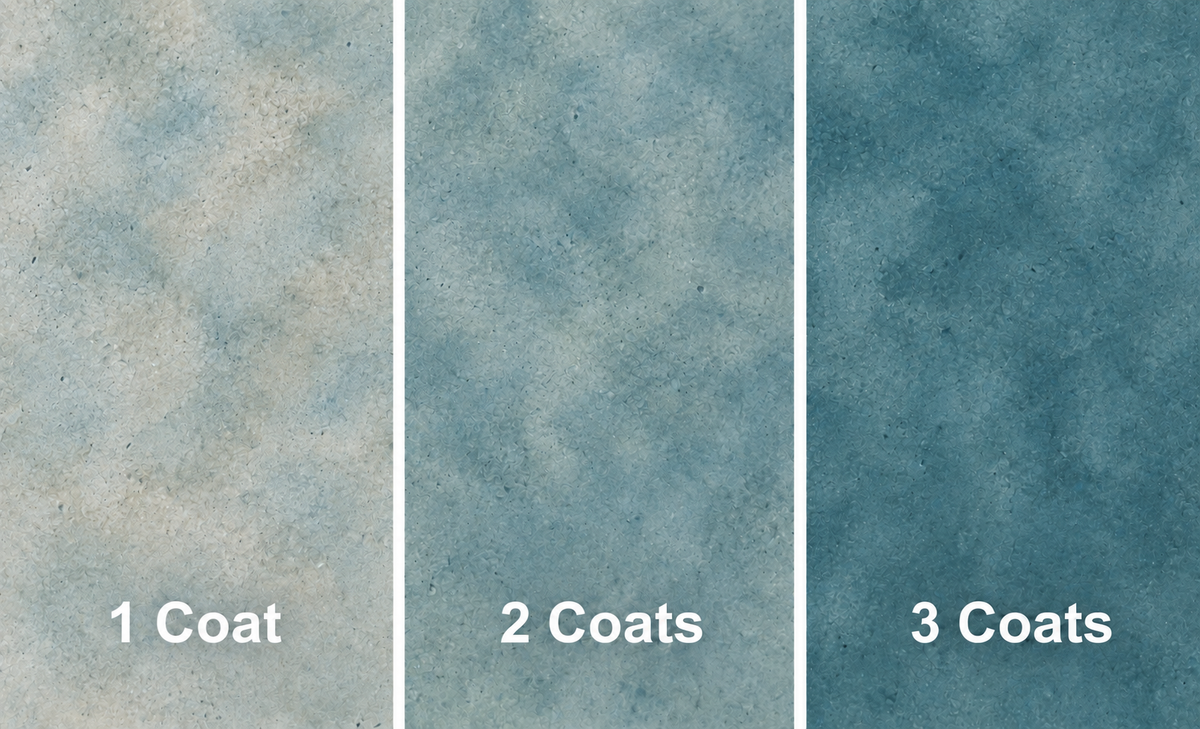
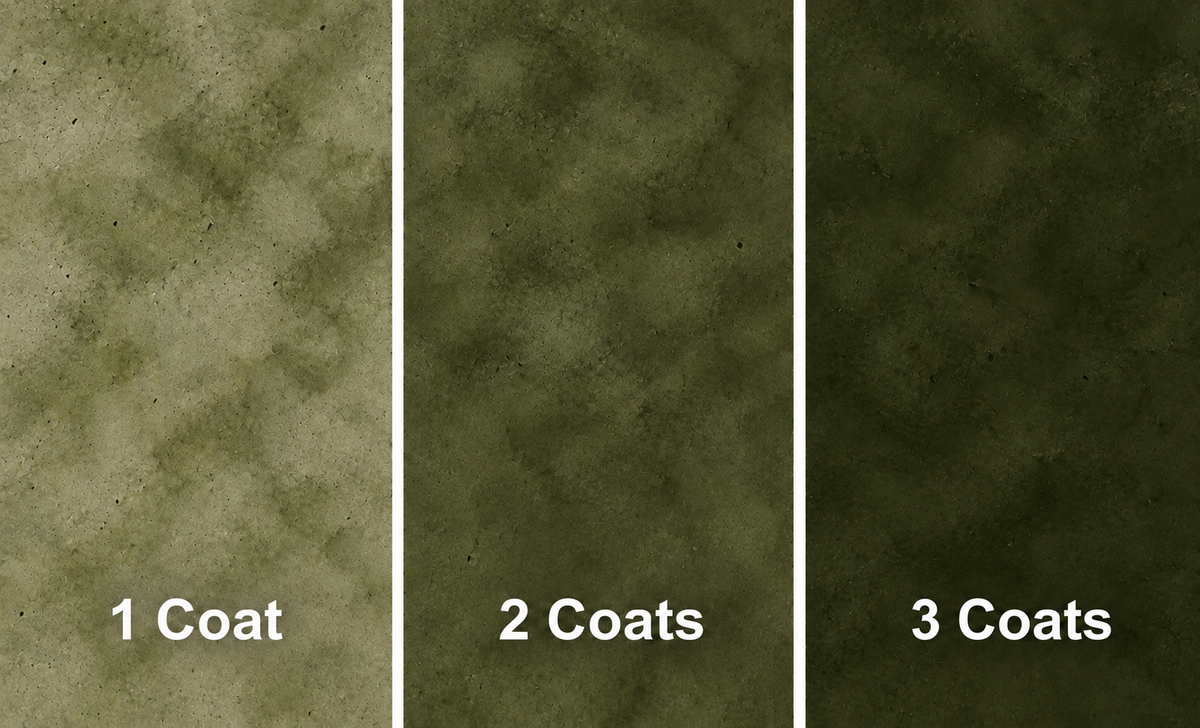
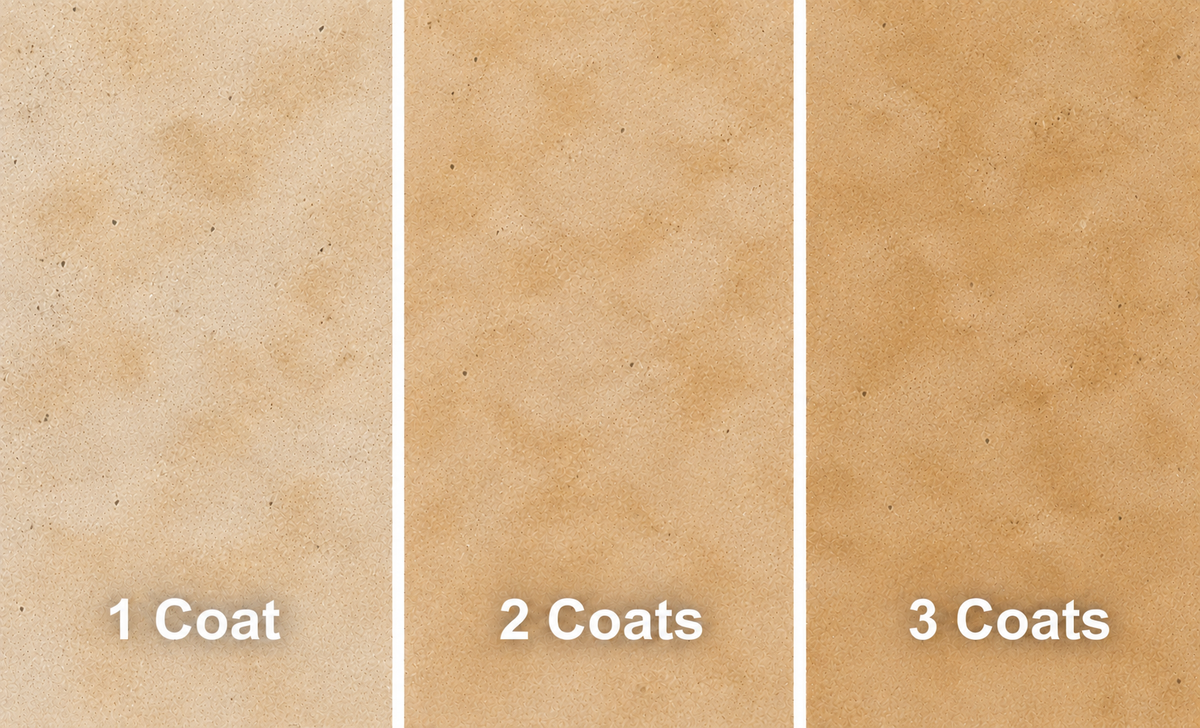
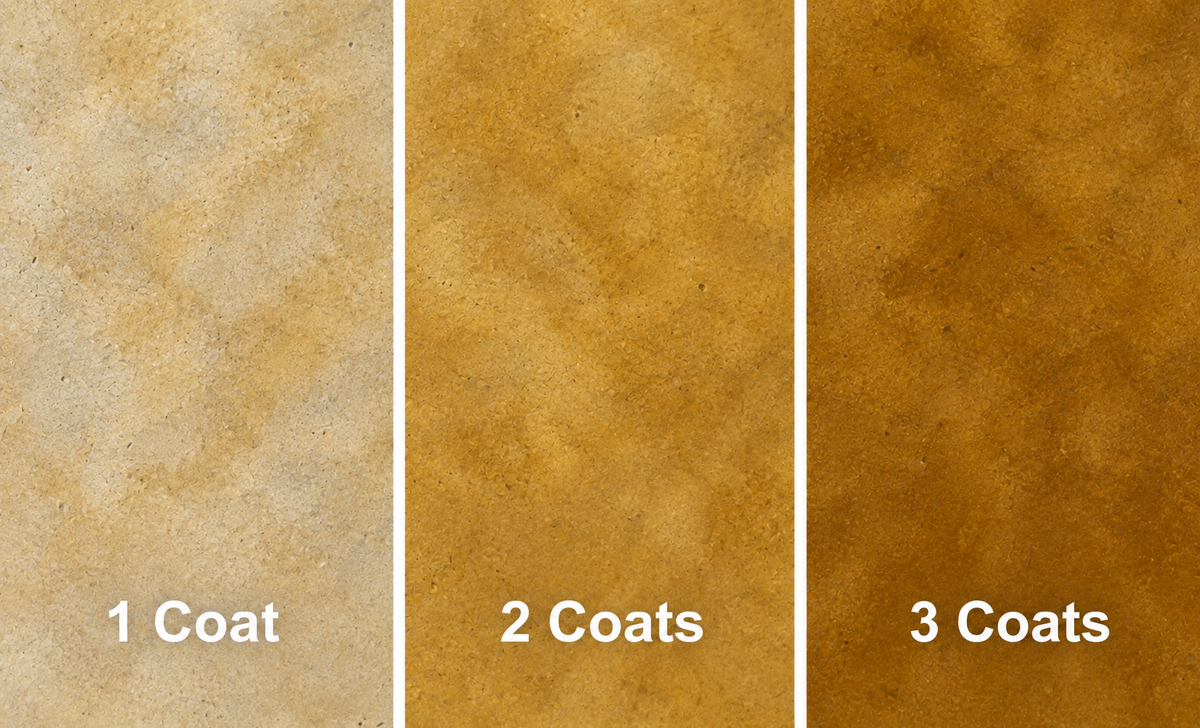
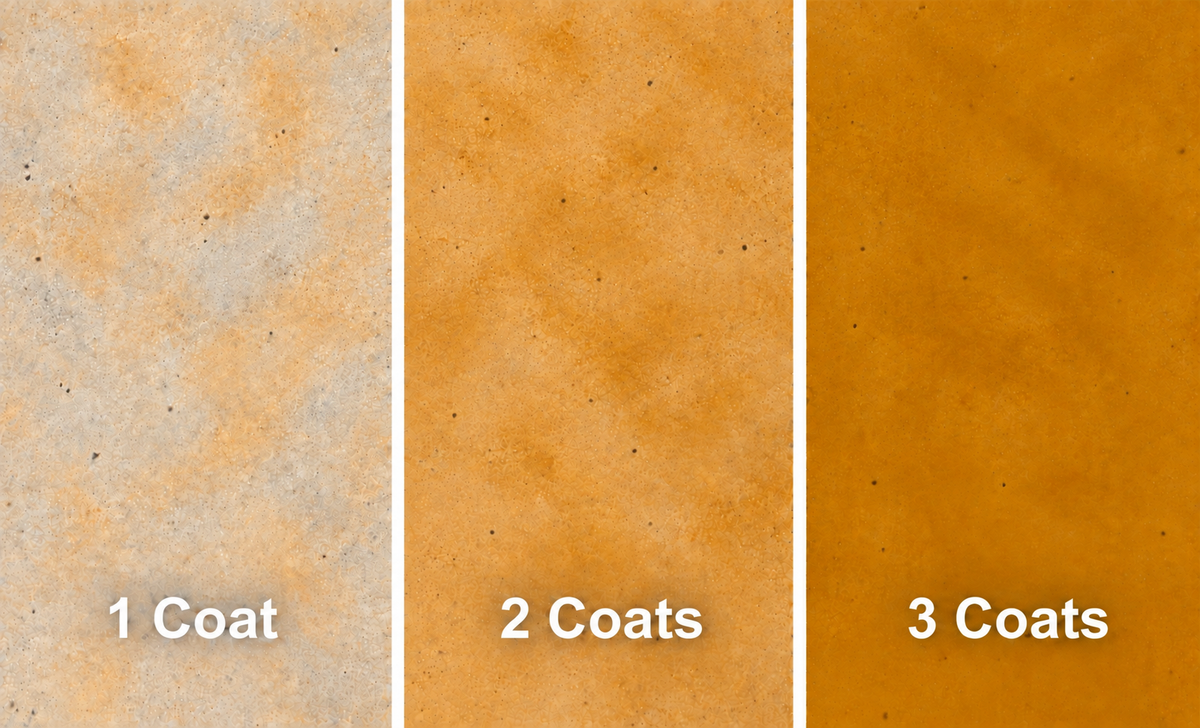
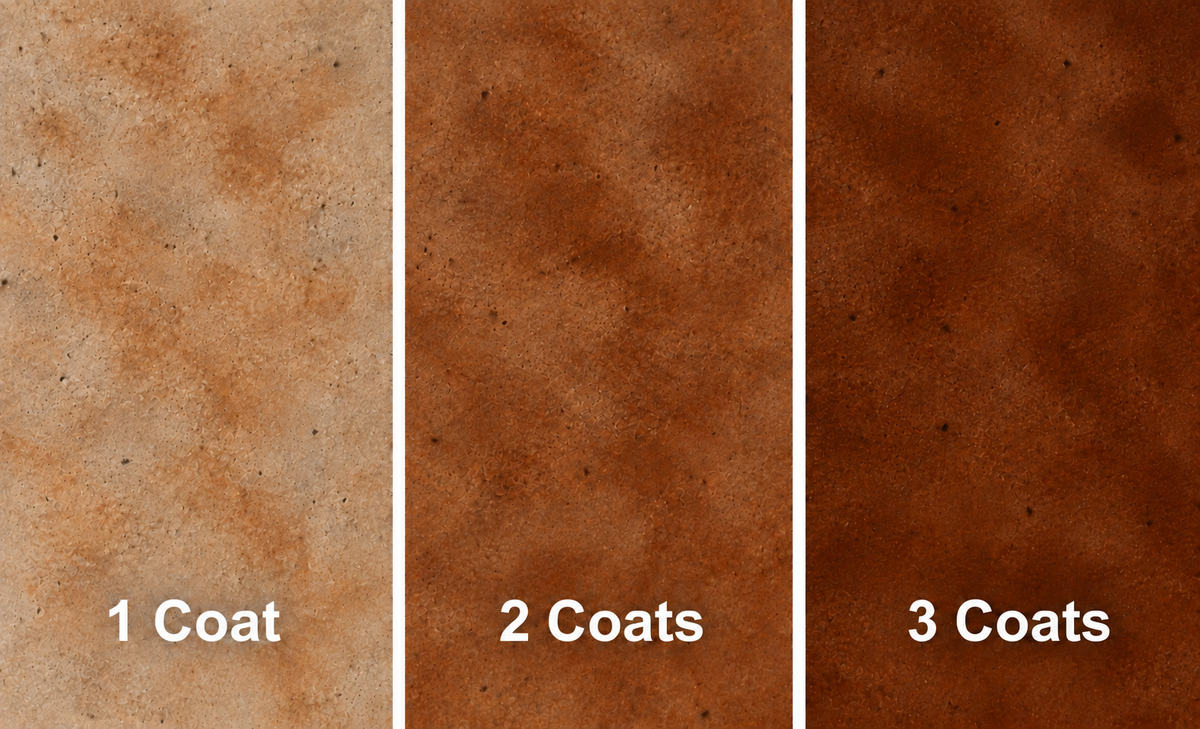
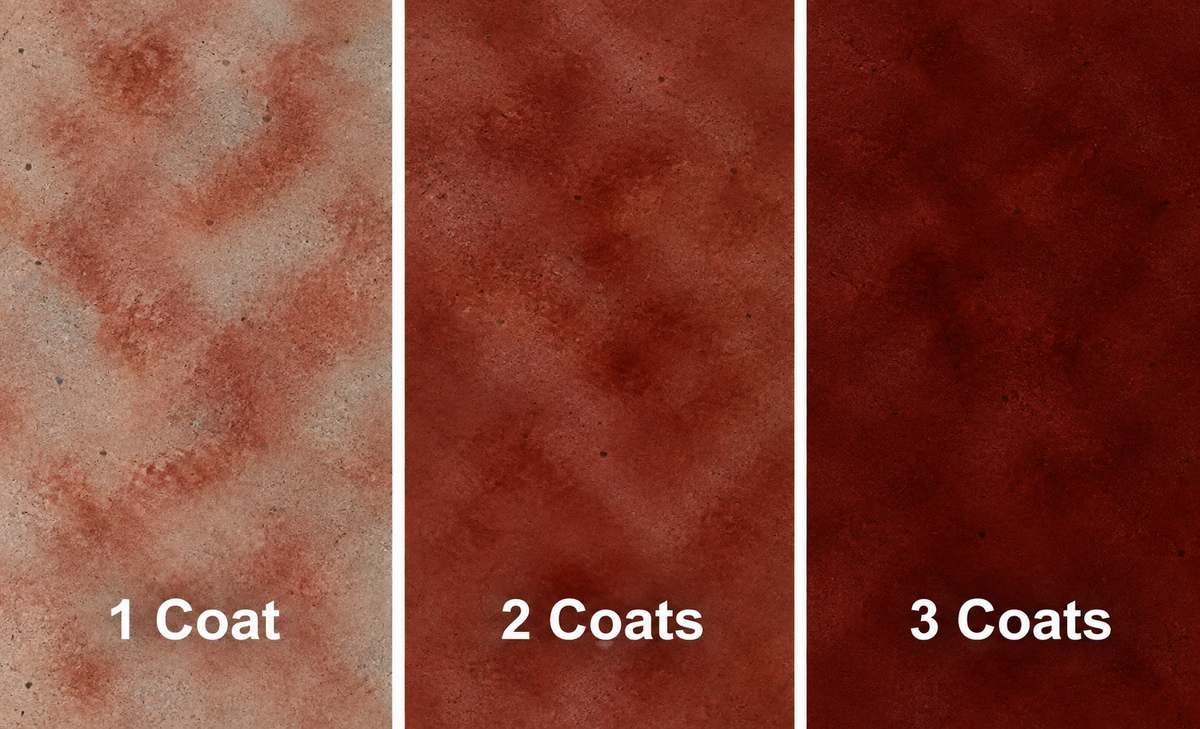
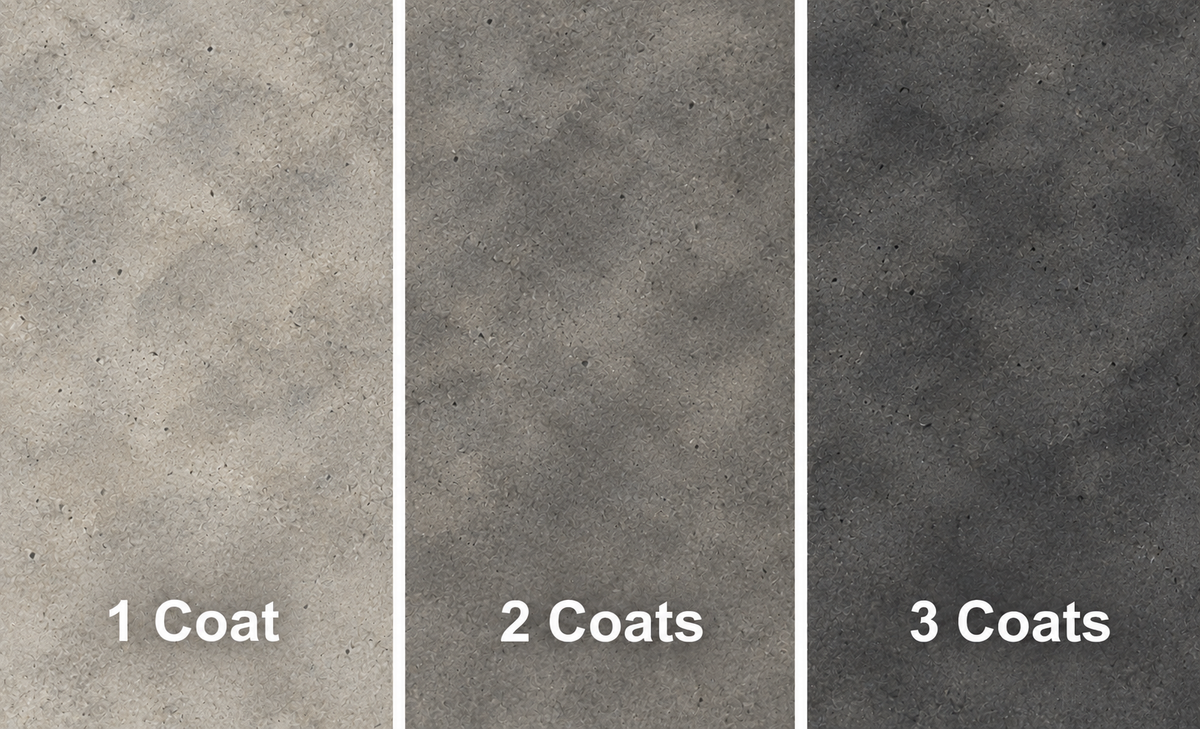
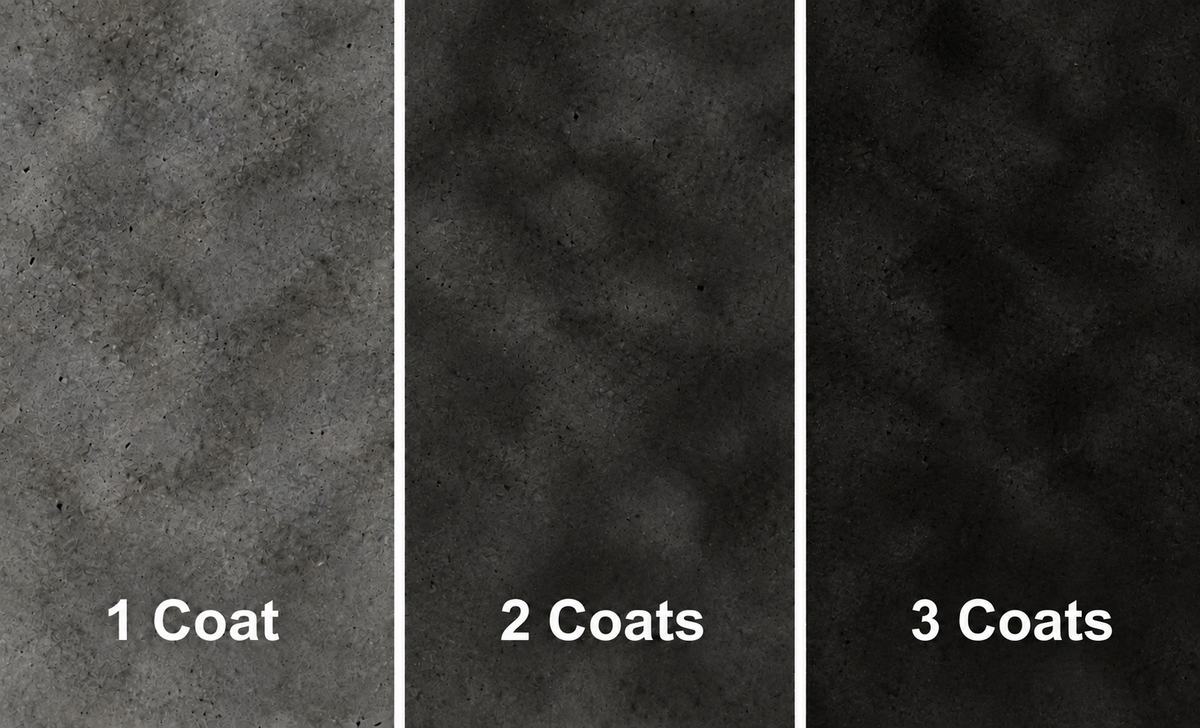
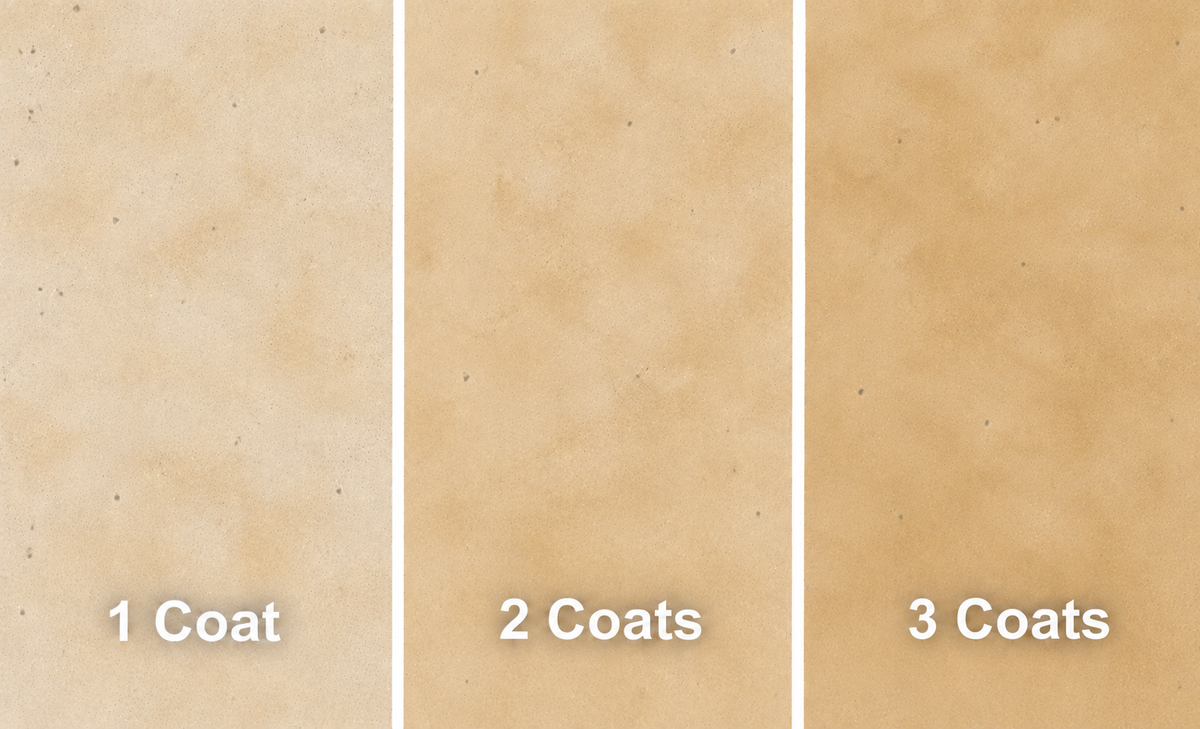
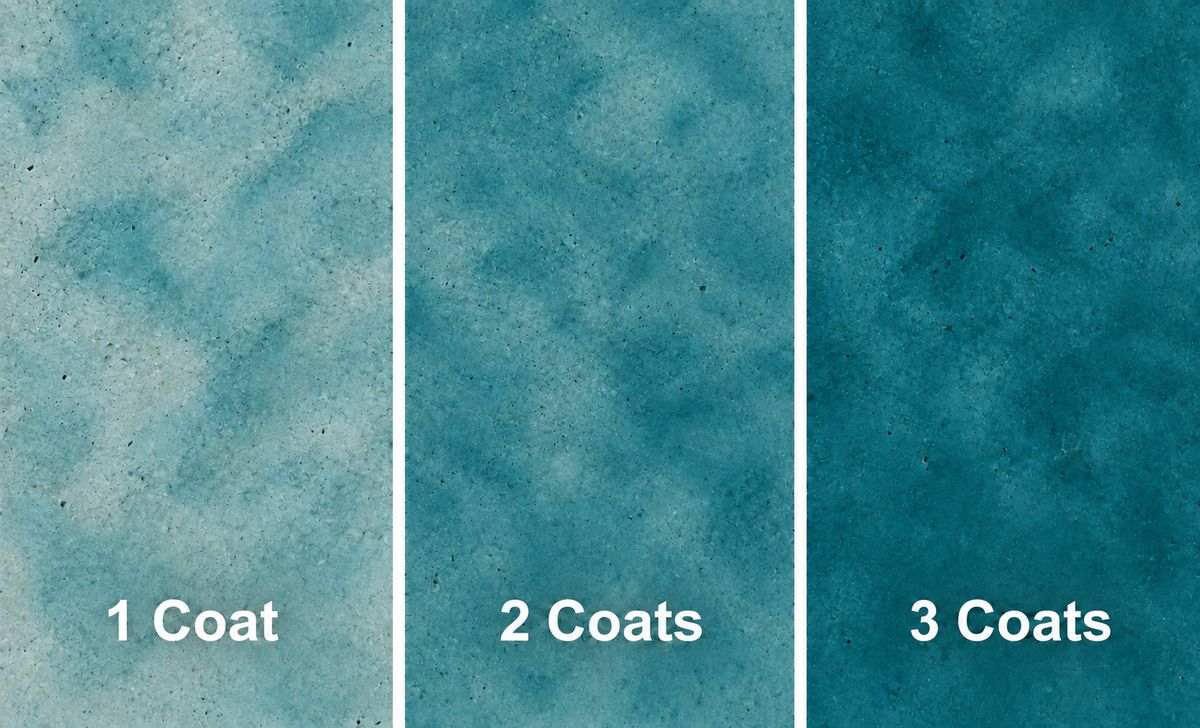
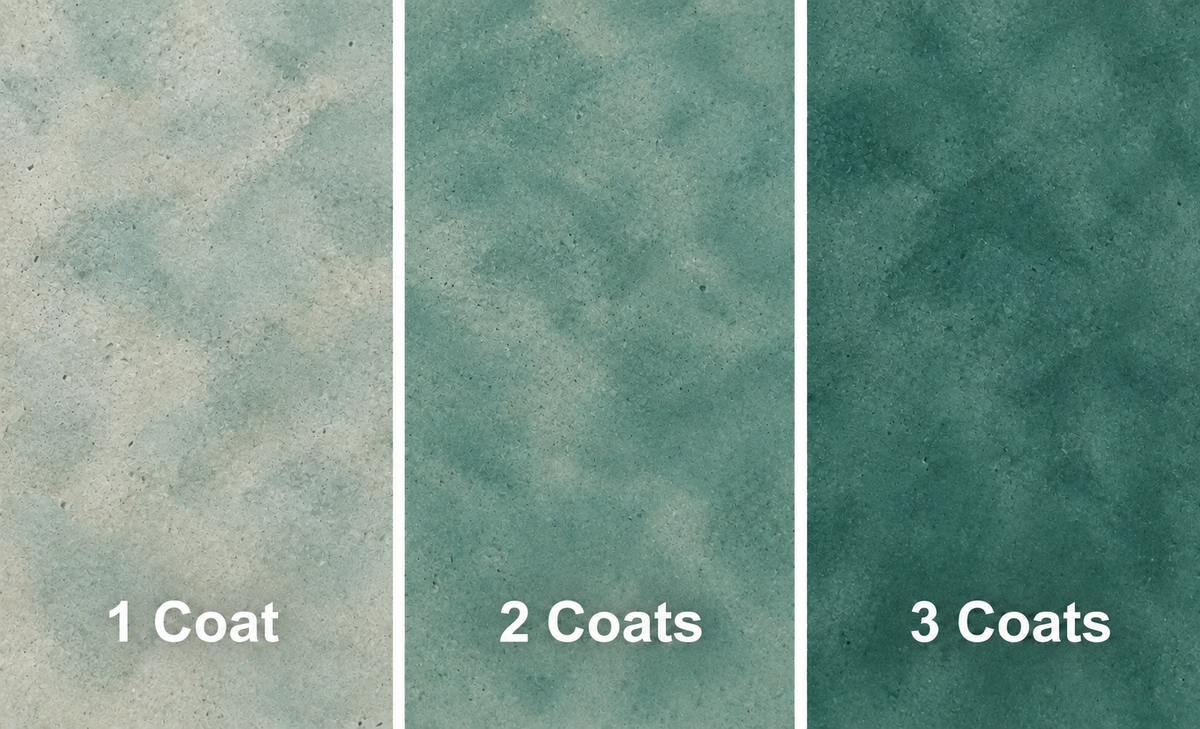
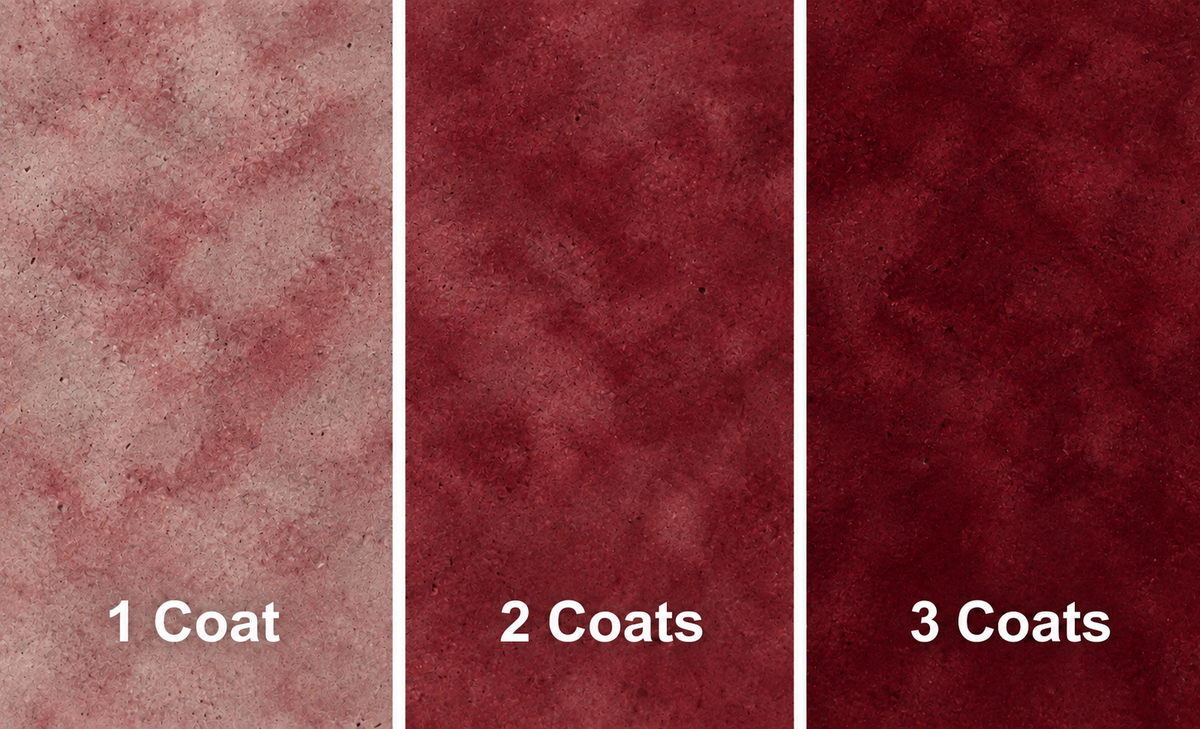
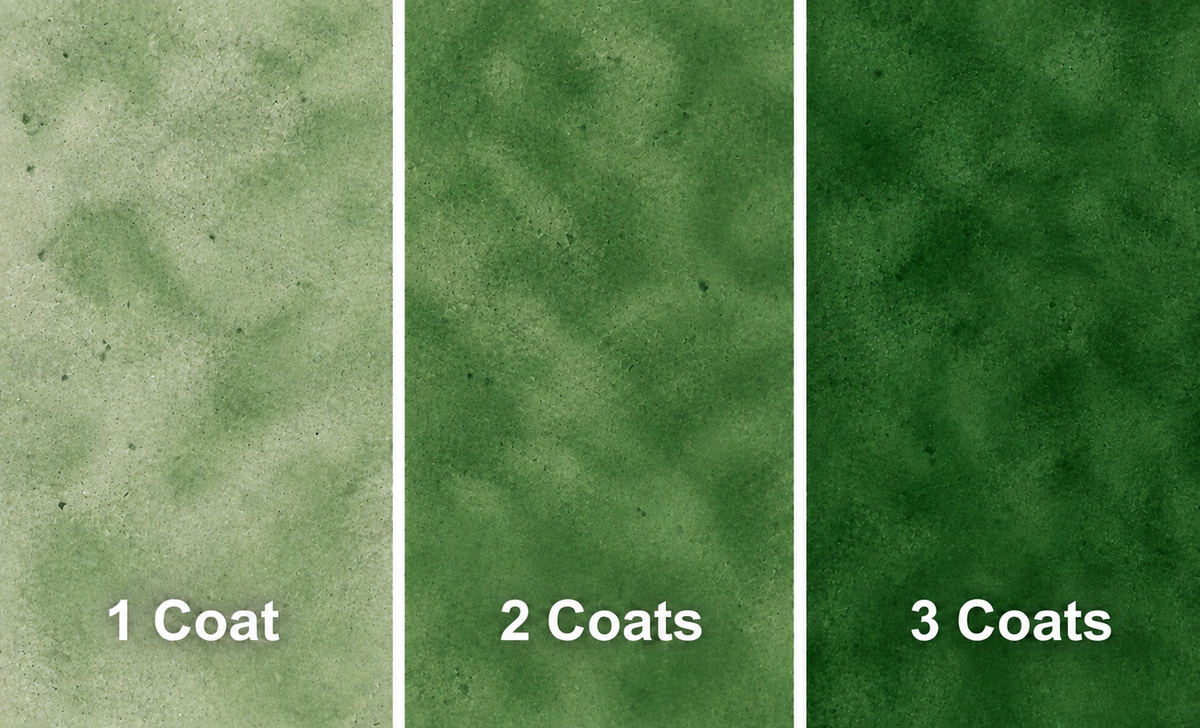
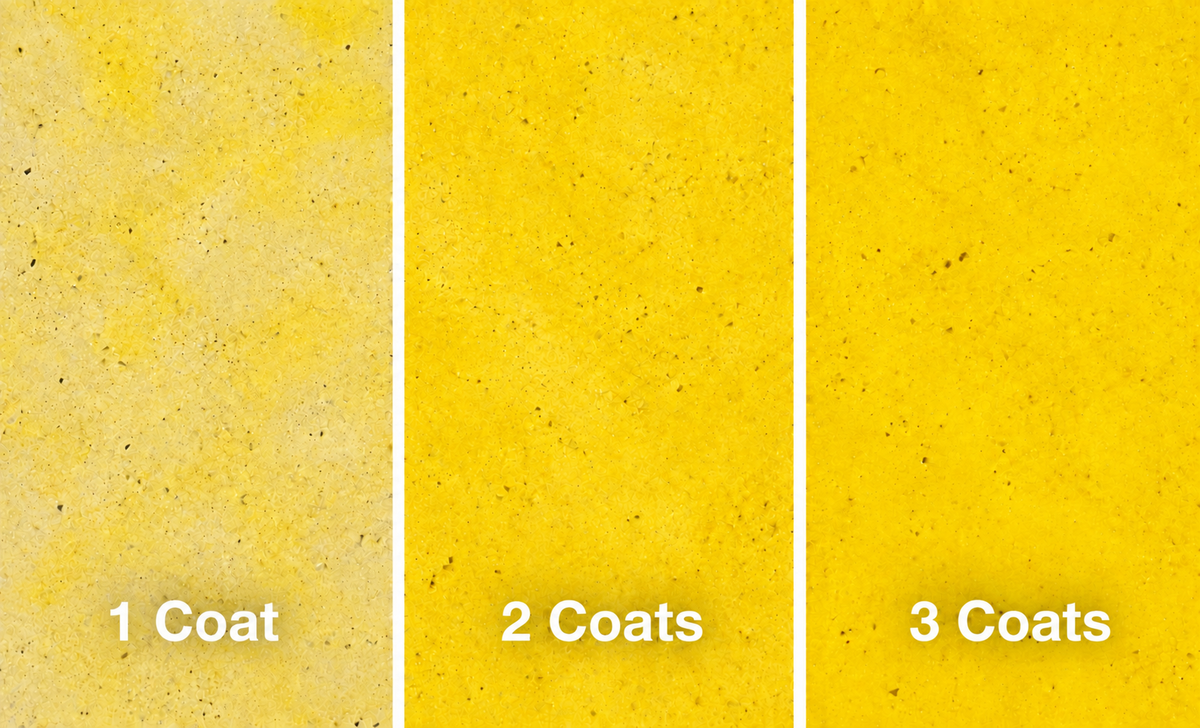
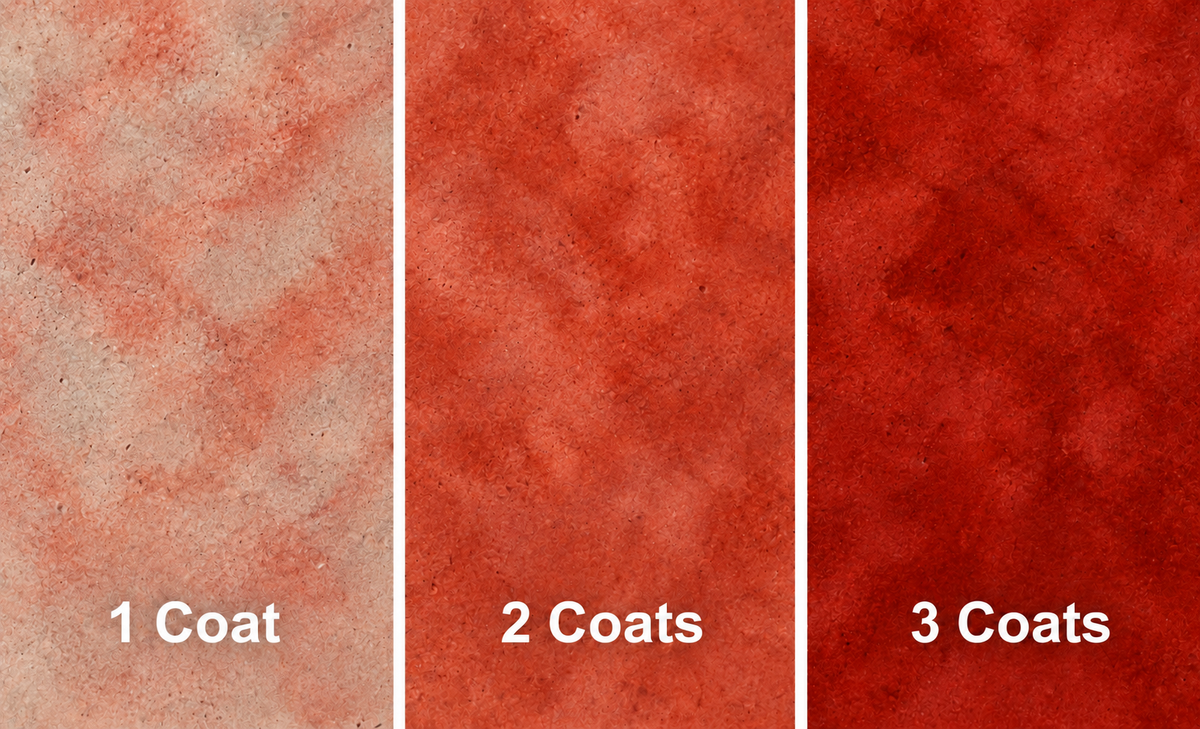
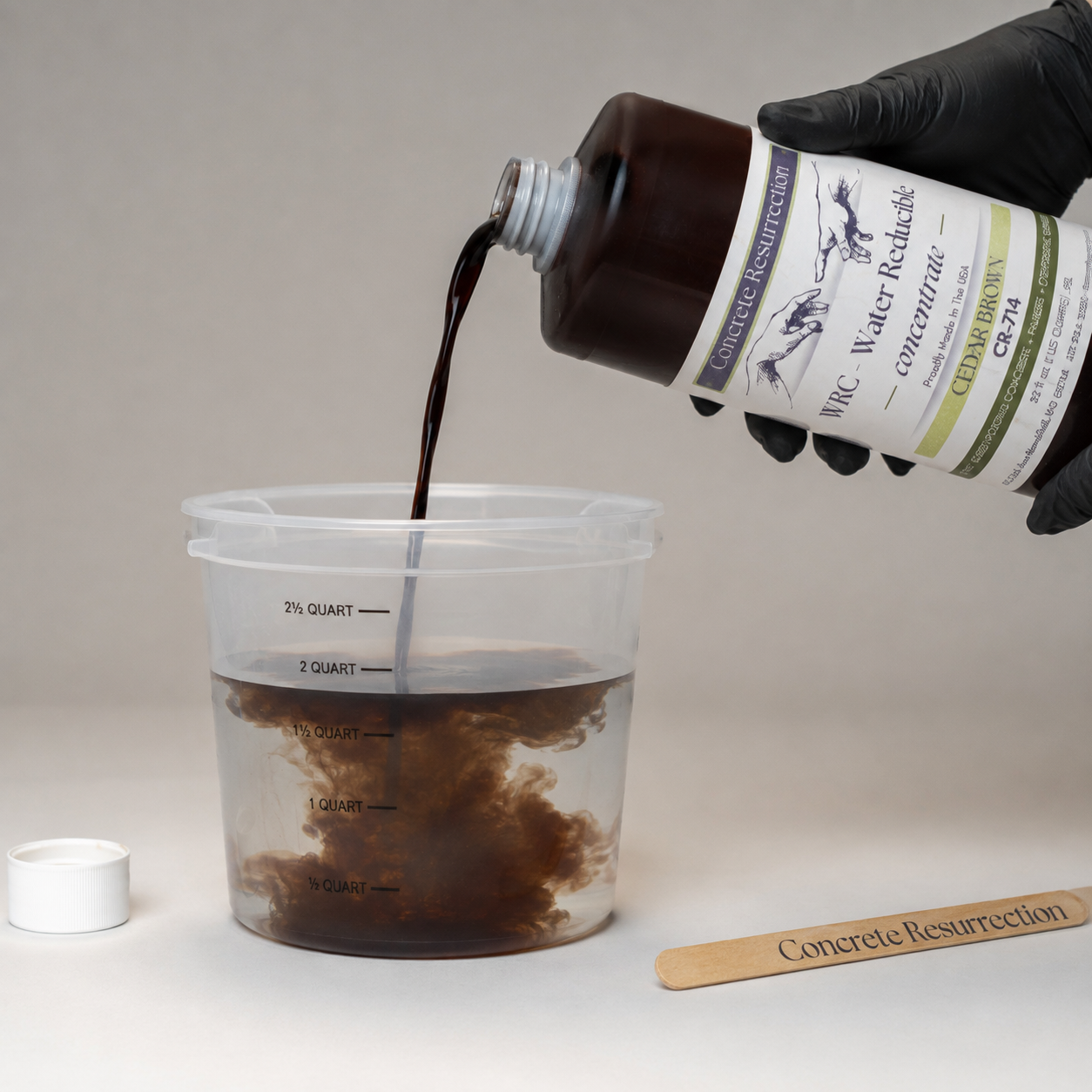
Dilute each 8 oz bottle with clean water at 4:1 to 8:1, depending on the color depth you want. A 4:1 dilution creates richer color, while an 8:1 dilution produces a lighter, more translucent effect. Multiple thin coats can be applied to build color.
Approximate Yield Per 8 oz Bottle
- 4:1 dilution: Makes approximately 1.25 quarts and covers up to 35–40 sq. ft.
- 8:1 dilution: Makes approximately 2.25 quarts and covers up to 70–75 sq. ft.
Coverage is approximate and varies with concrete porosity, surface condition, dilution, application method, and number of coats. Always test a small area first. For best results, seal stained concrete with the appropriate Concrete Resurrection sealer.
Choose options
Need help?
Frequently Asked Questions
Concrete Resurrection WRC Water Reducible Concentrated Concrete Stain is a concentrated water-based stain used to add color to properly prepared concrete.
WRC is available in a wide range of colors and can be diluted with water to create different color intensities. Colors can also be layered or combined to create unique decorative effects.
Unlike reactive acid stain, WRC does not rely on a chemical reaction with the concrete to develop its color, making the finished color easier to control.
Yes. WRC is a concentrated stain and must be diluted with water before application.
The amount of water you add will affect the strength and intensity of the finished color. Less dilution creates a stronger color, while additional dilution creates a lighter, more transparent appearance.
Always follow the dilution recommendations for your WRC stain and mix thoroughly before application.
DIY Tip: Start with a test area before staining the entire floor. You can always build additional color with another light application.
Yes! One of the advantages of WRC is the ability to adjust the color intensity.
For a lighter, more transparent appearance, use a more diluted mixture.
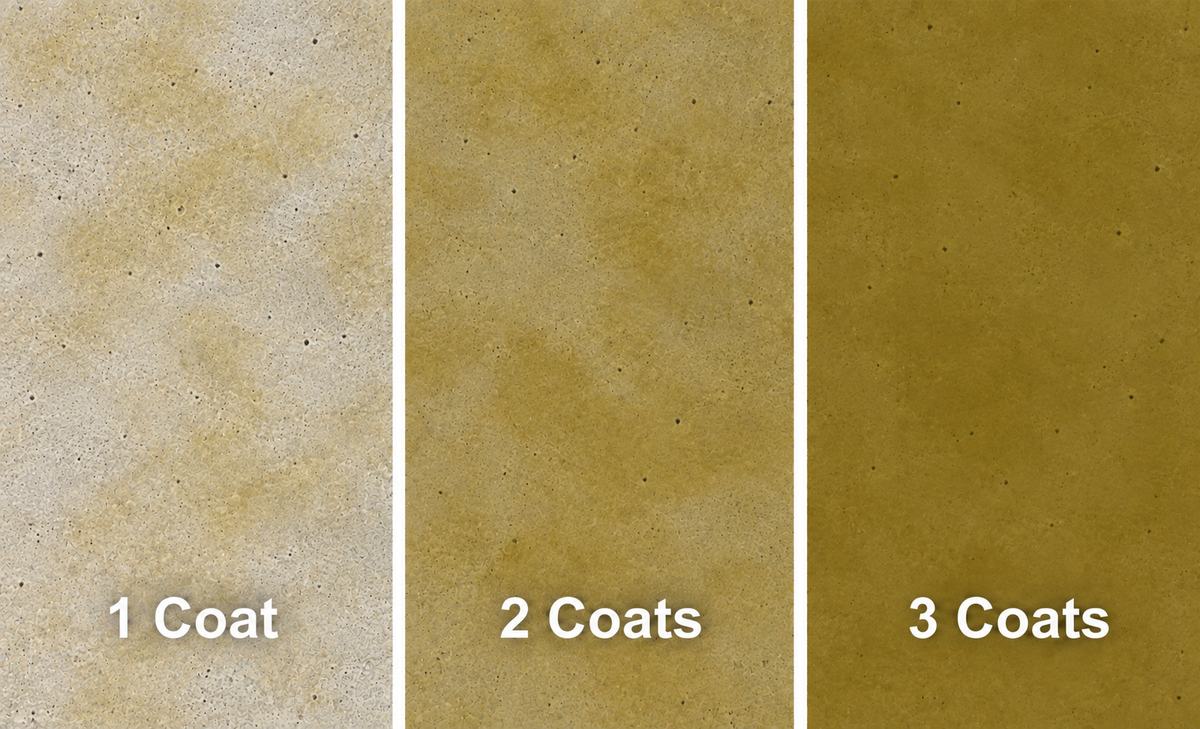
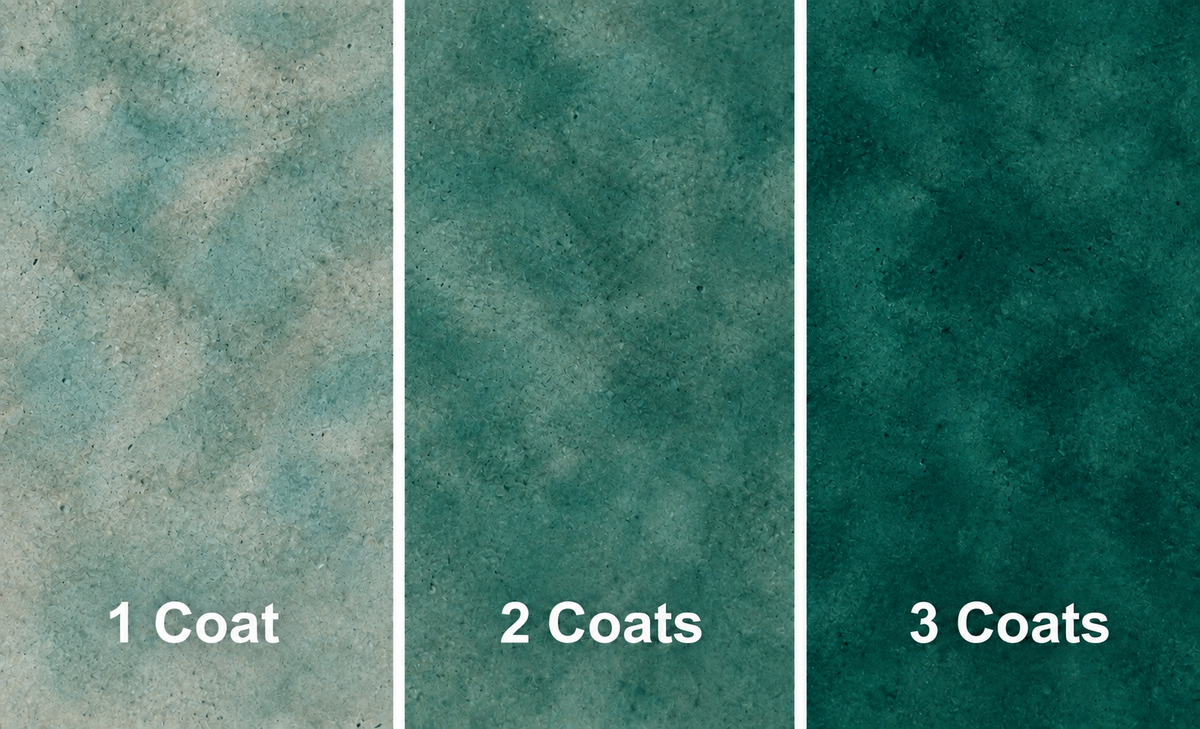
For a stronger or deeper color, use a more concentrated mixture or build the color with additional light applications.
You can also mix colors for custom colors.
Concrete itself will also influence the finished color, so always test your selected dilution on the actual surface.
WRC needs clean, porous concrete so the stain can properly penetrate and bond to the surface.
Remove dirt, dust, grease, oil, wax, curing compounds, paint, existing sealer, and other contaminants.
Before staining, perform a simple water test in several areas. Water should soak into and darken the concrete rather than bead on top.
If water beads, there may be a sealer, coating, or contaminant that needs to be removed before staining.
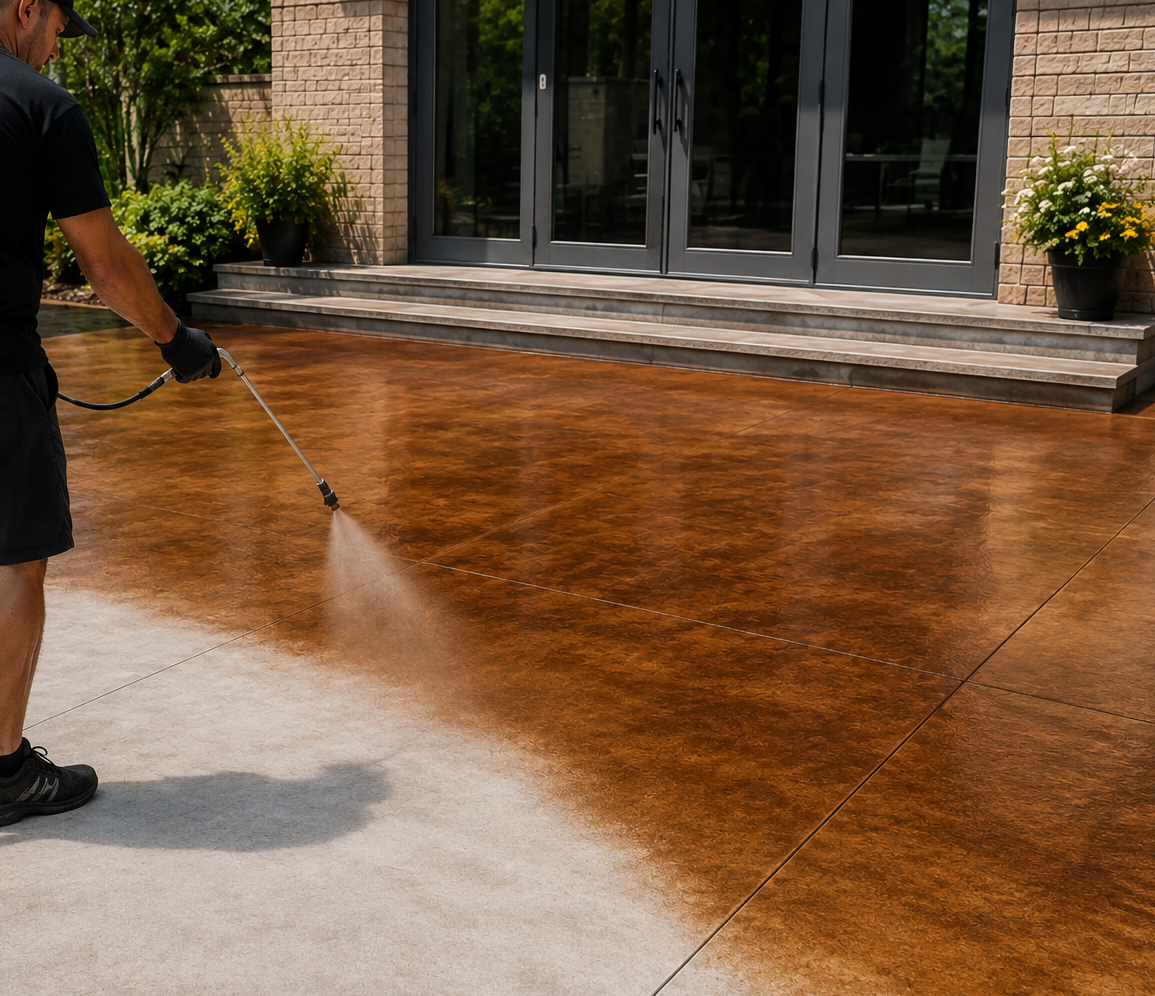
Once the concrete is properly prepared and dry, apply the diluted WRC using an appropriate pump-up sprayer.
Apply the stain in light, even applications. Avoid puddles, heavy spots, and excessive material.
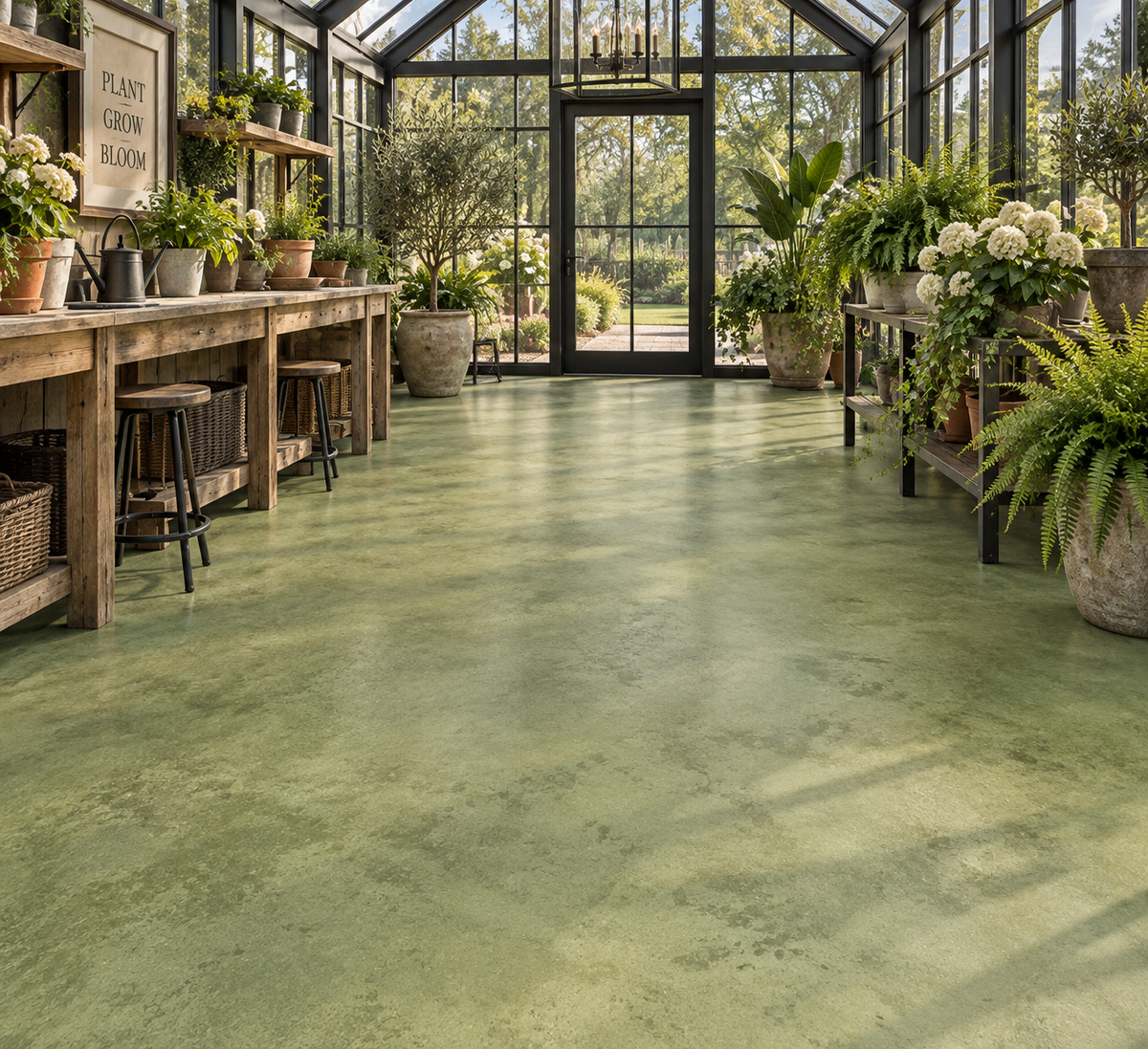
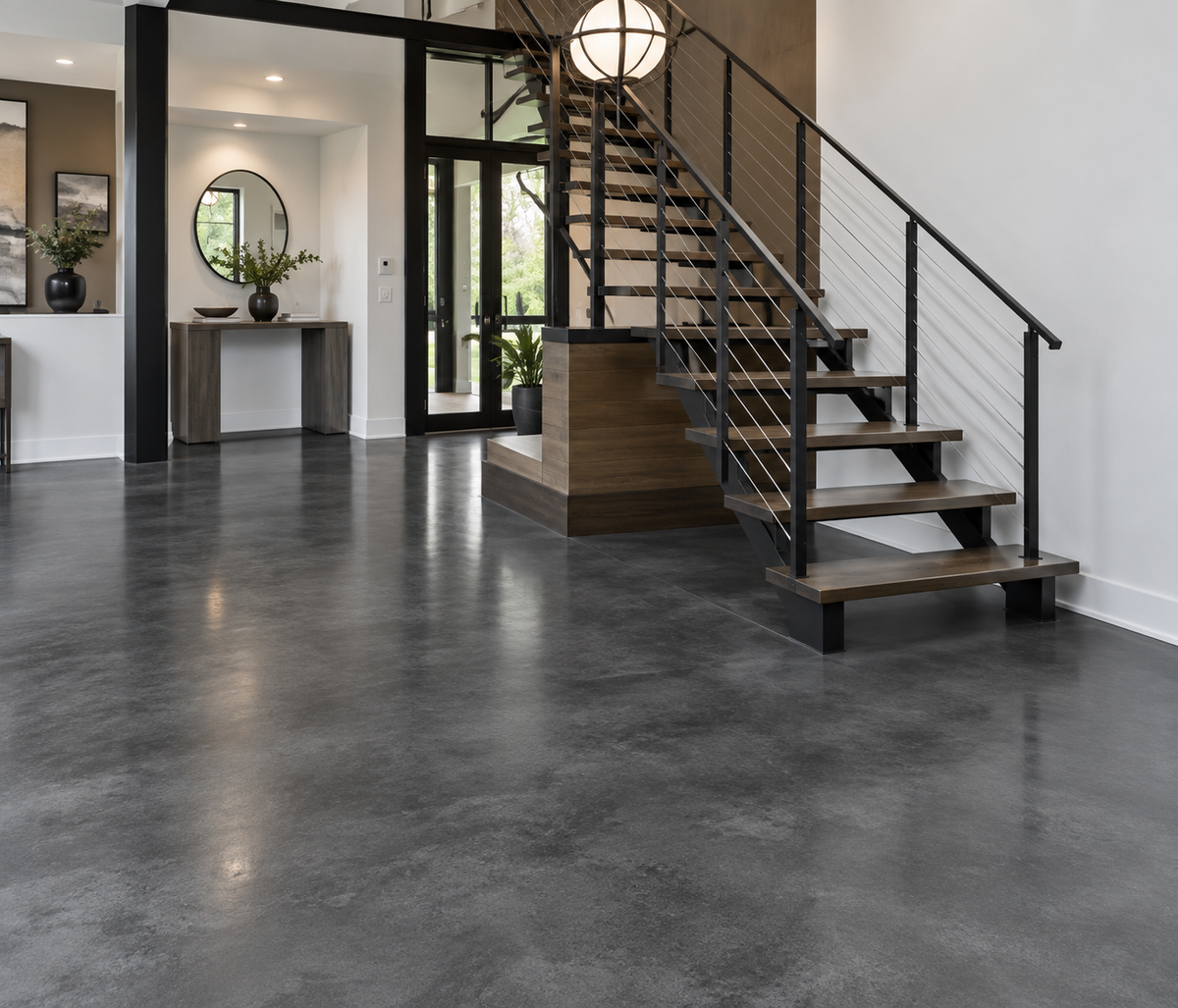
WRC can be applied uniformly or artistically depending on the look you want to achieve.
For decorative effects, you can vary your spray pattern, layer applications, or incorporate additional WRC colors.
DIY Tip: It's easier to build color than to remove too much color. Start light and add additional stain as needed.
Absolutely. WRC colors can be used individually or combined to create custom decorative effects.
Try layering complementary colors, lightly misting an accent color over your main color, or using different colors in selected areas.
When using multiple colors, test your combination first. Layering colors can create a different appearance than either color used by itself.
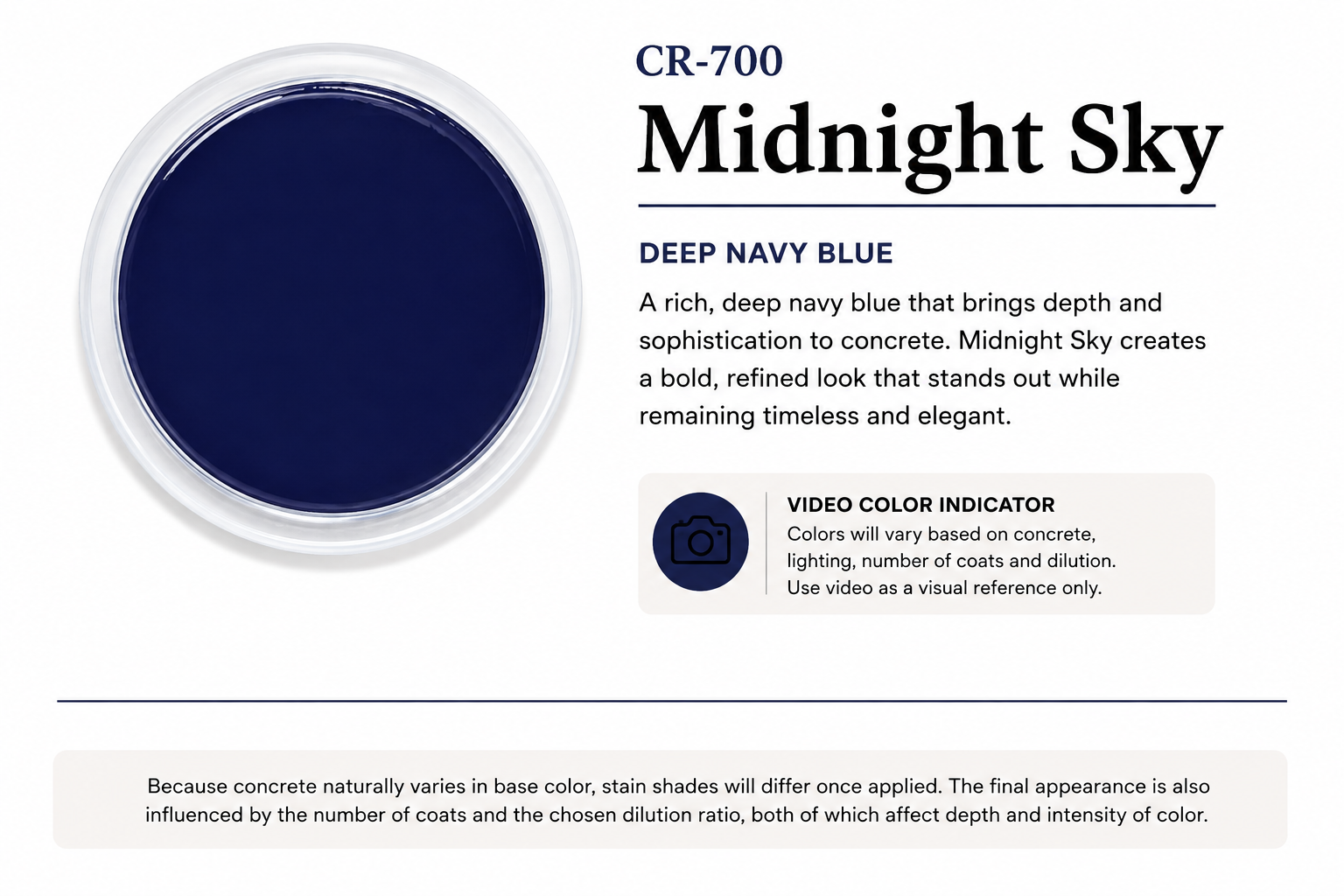
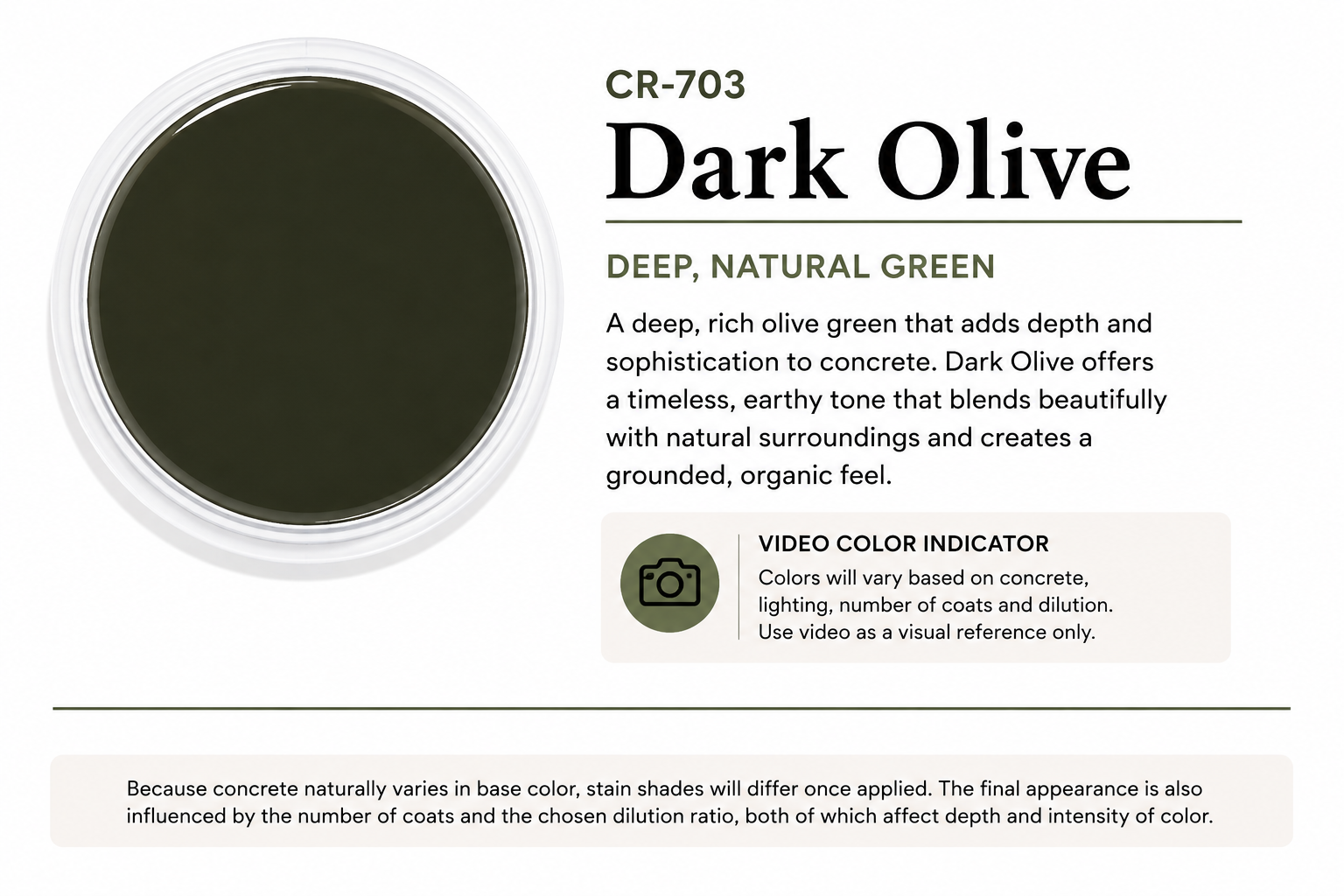
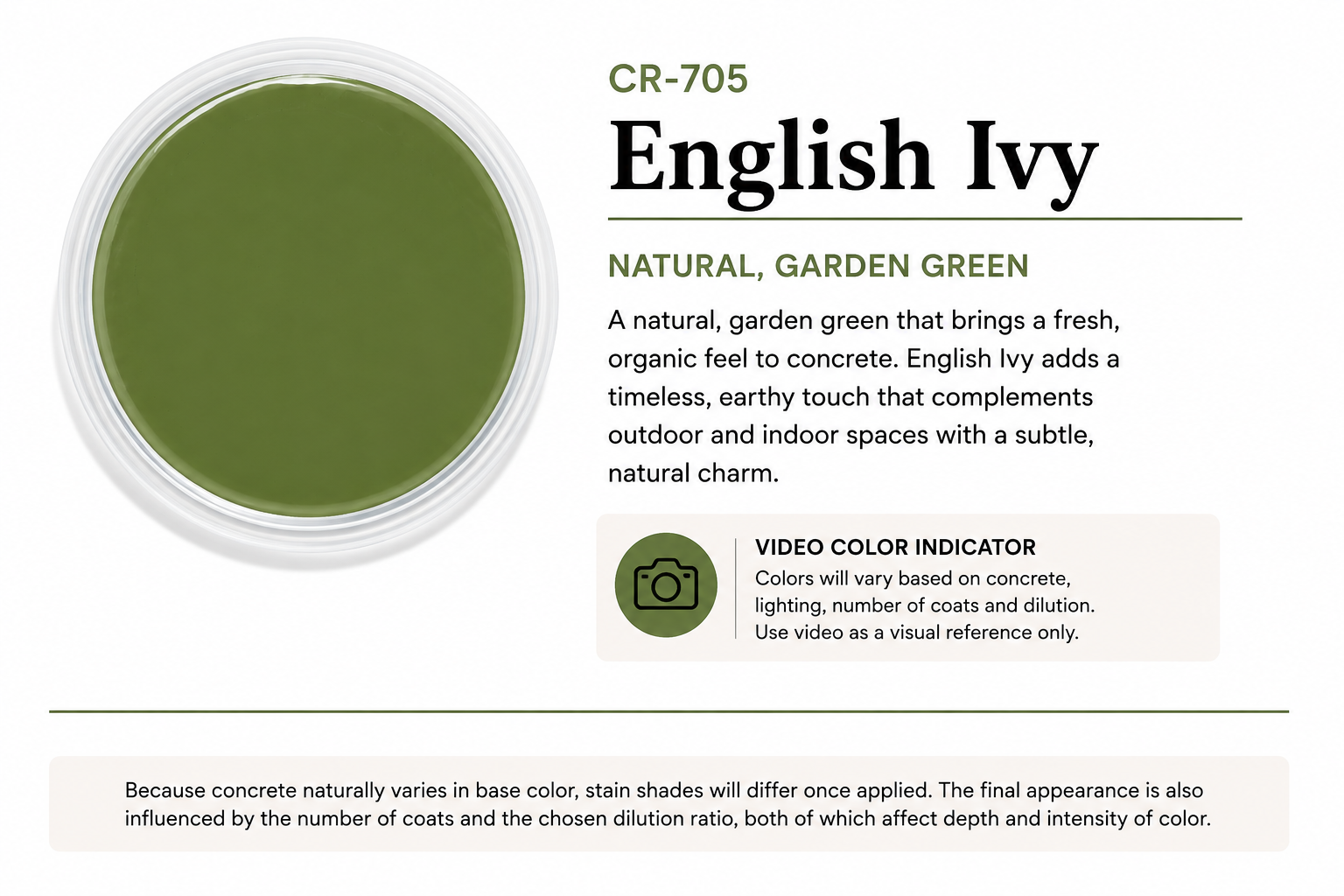
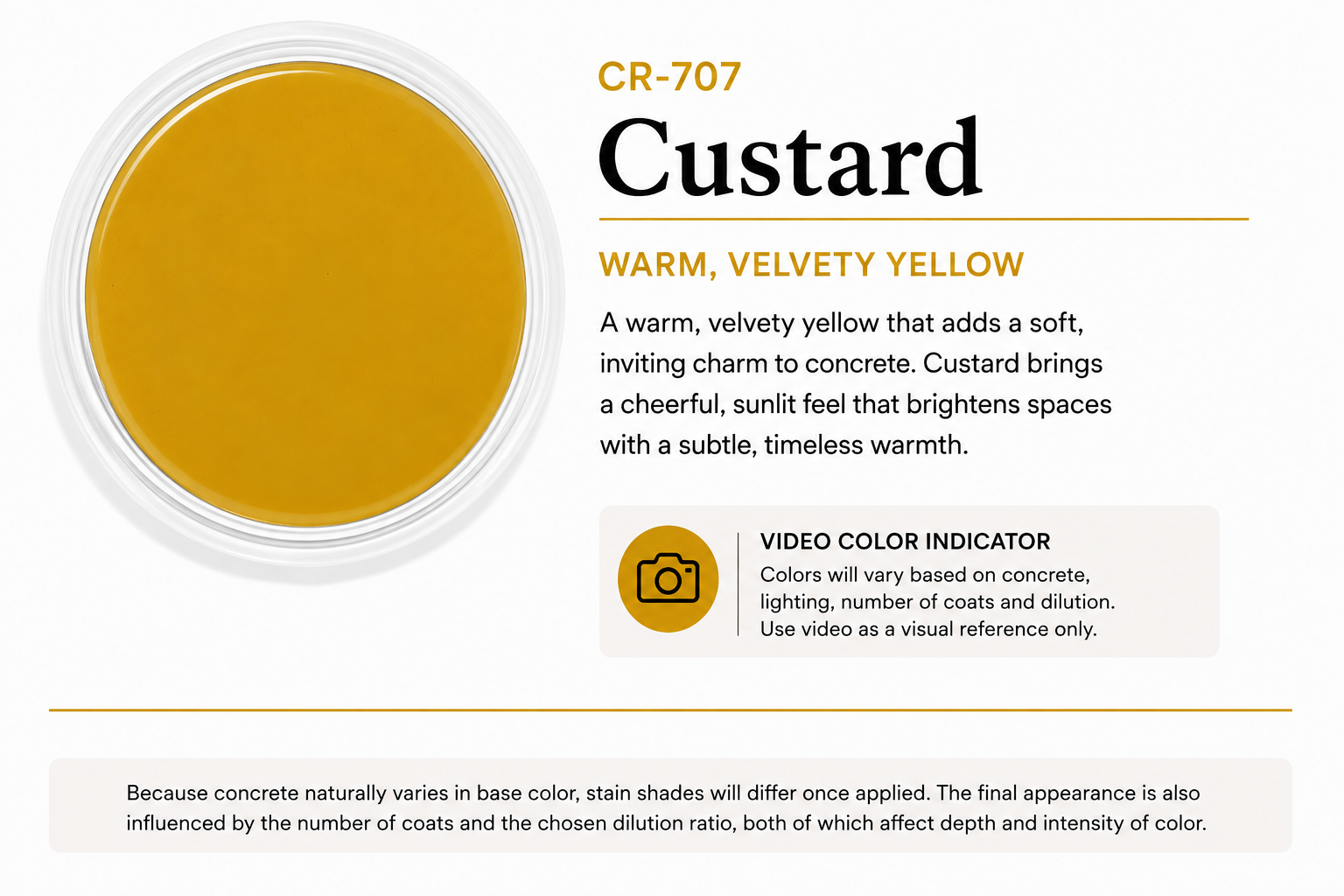
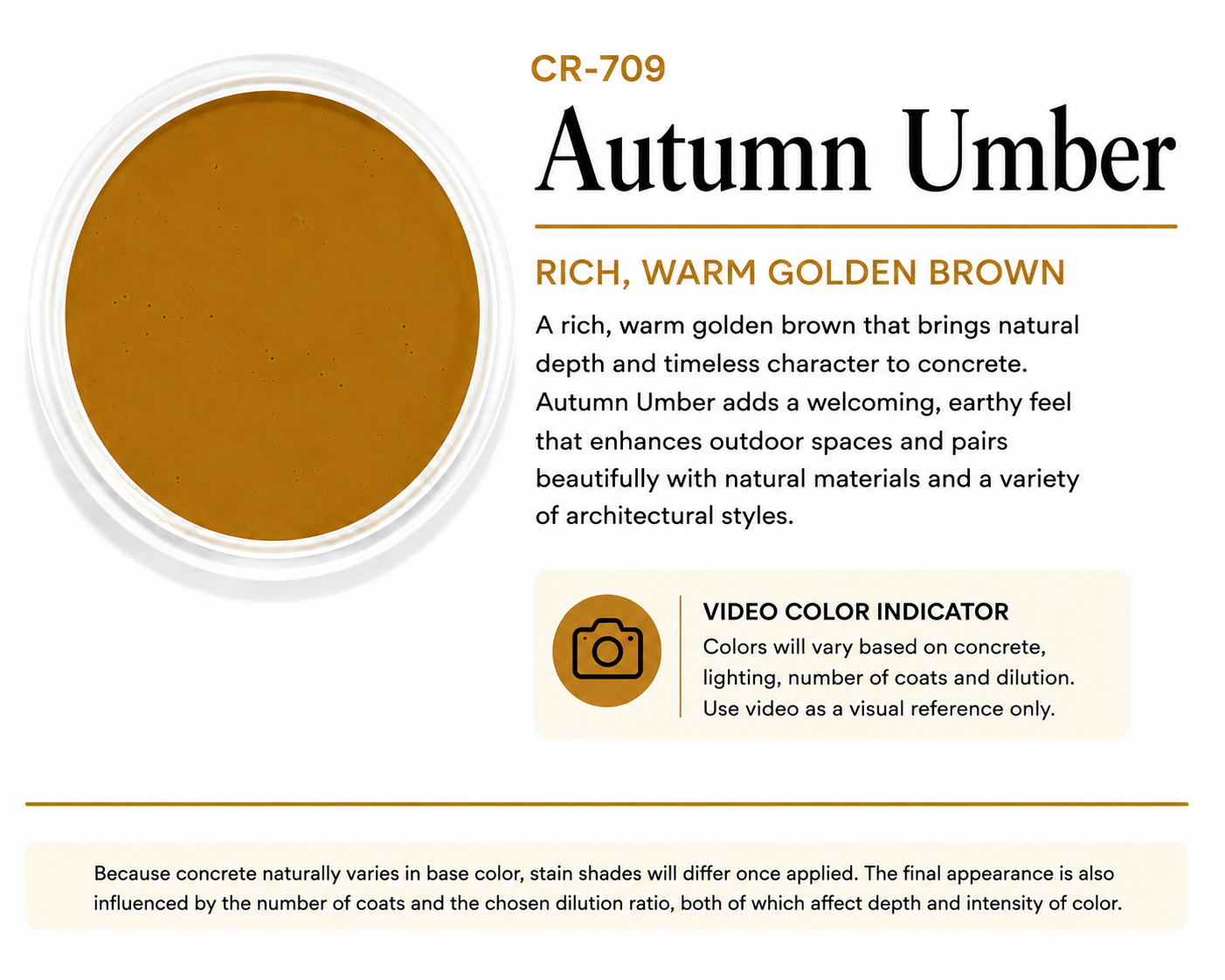
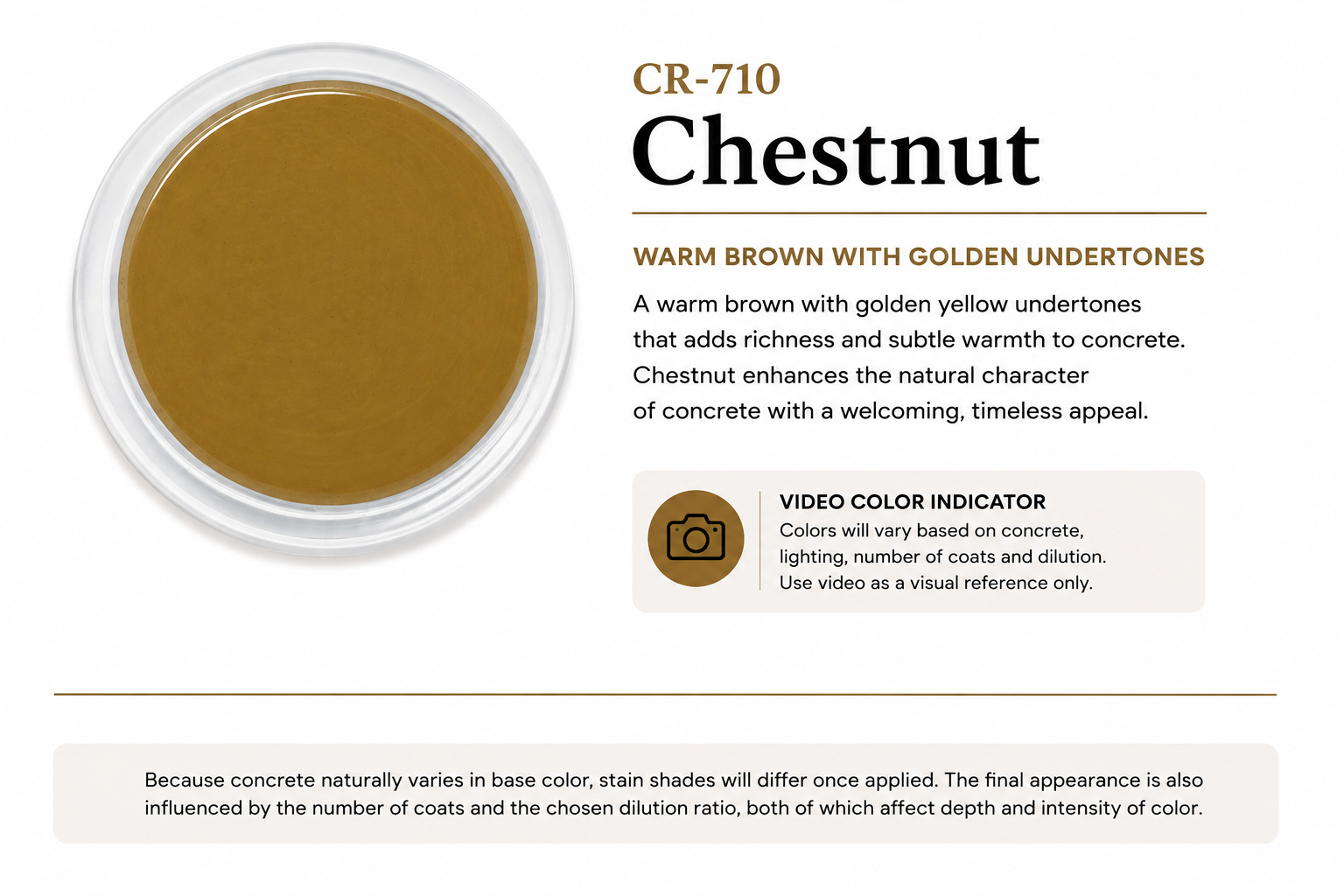
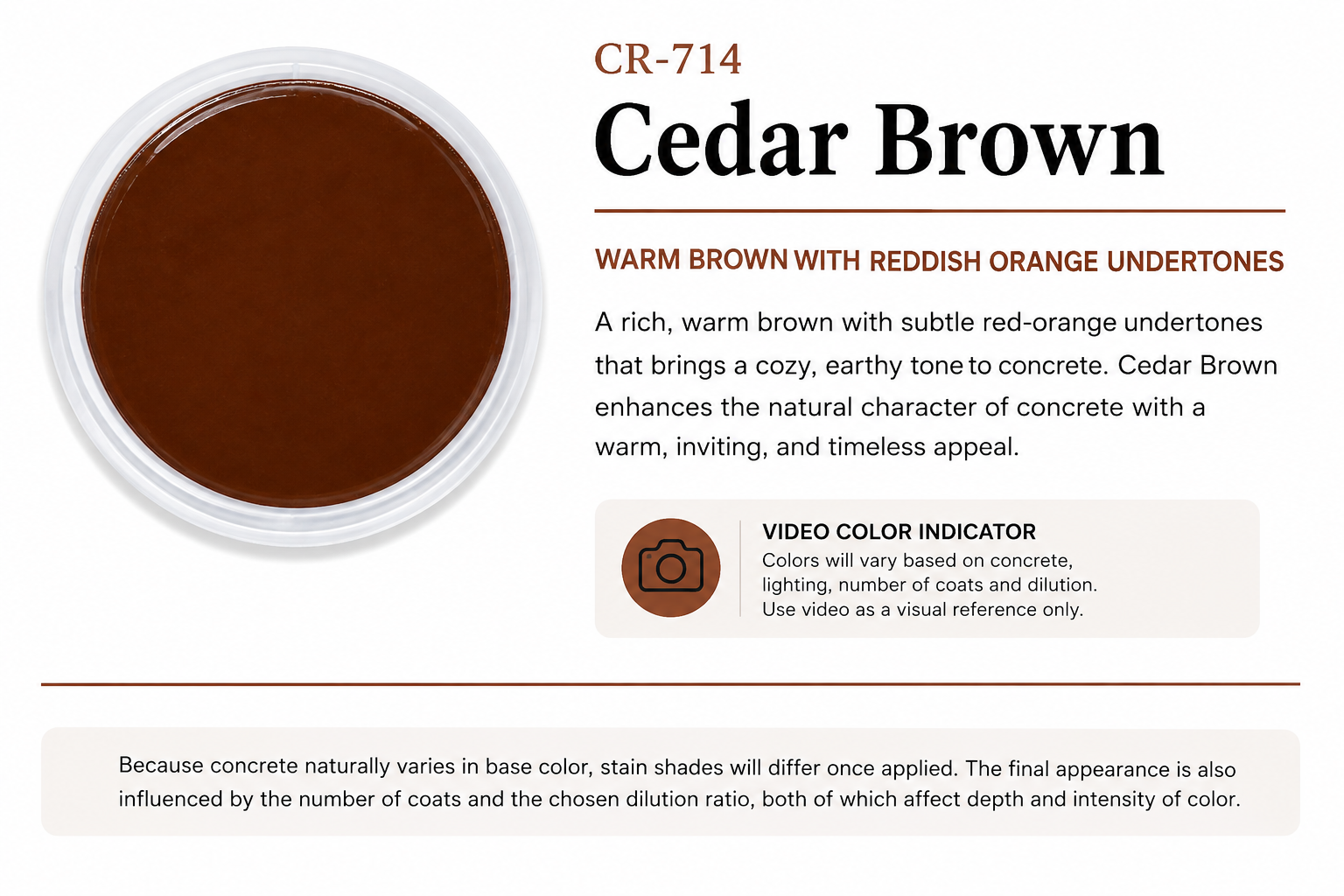
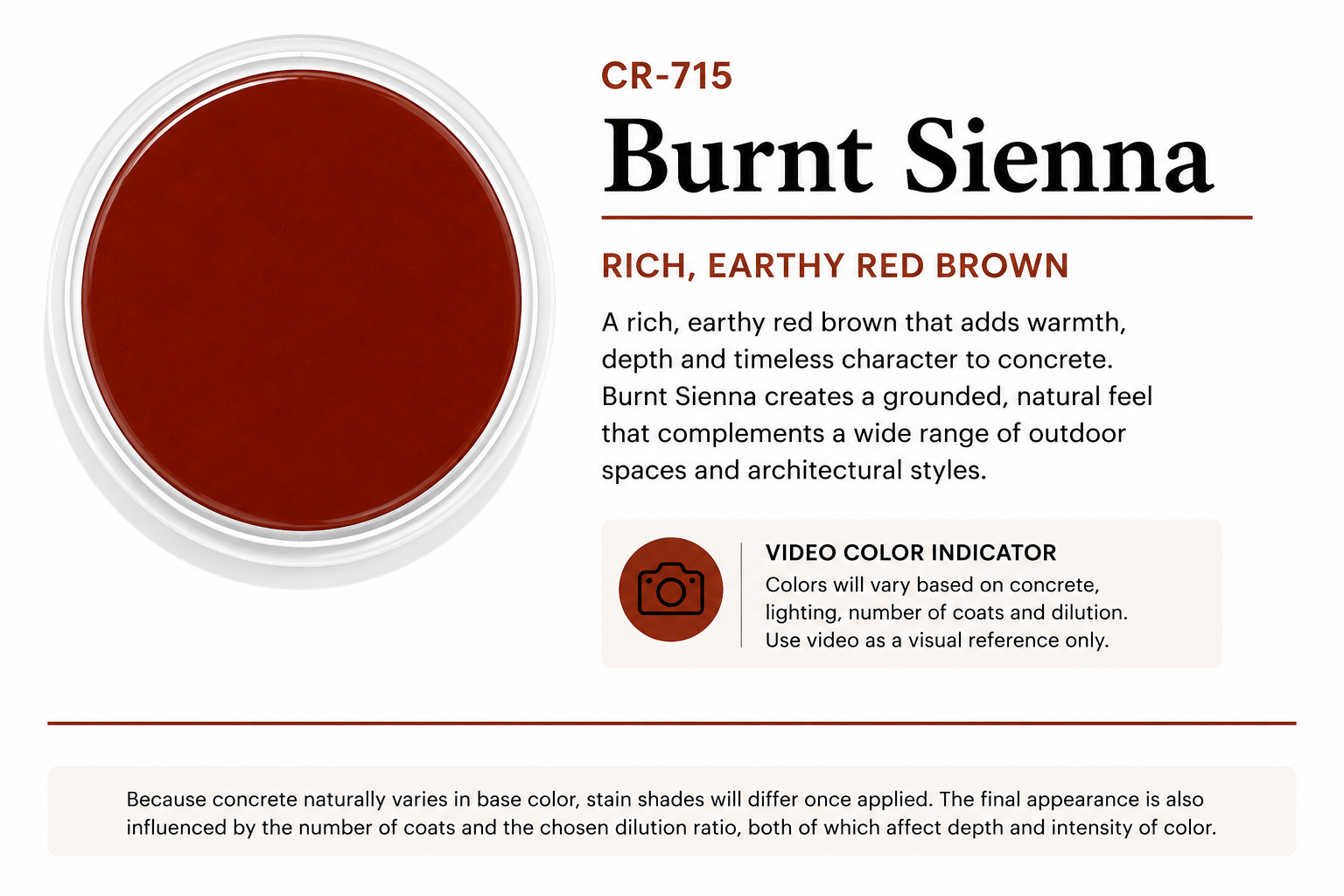
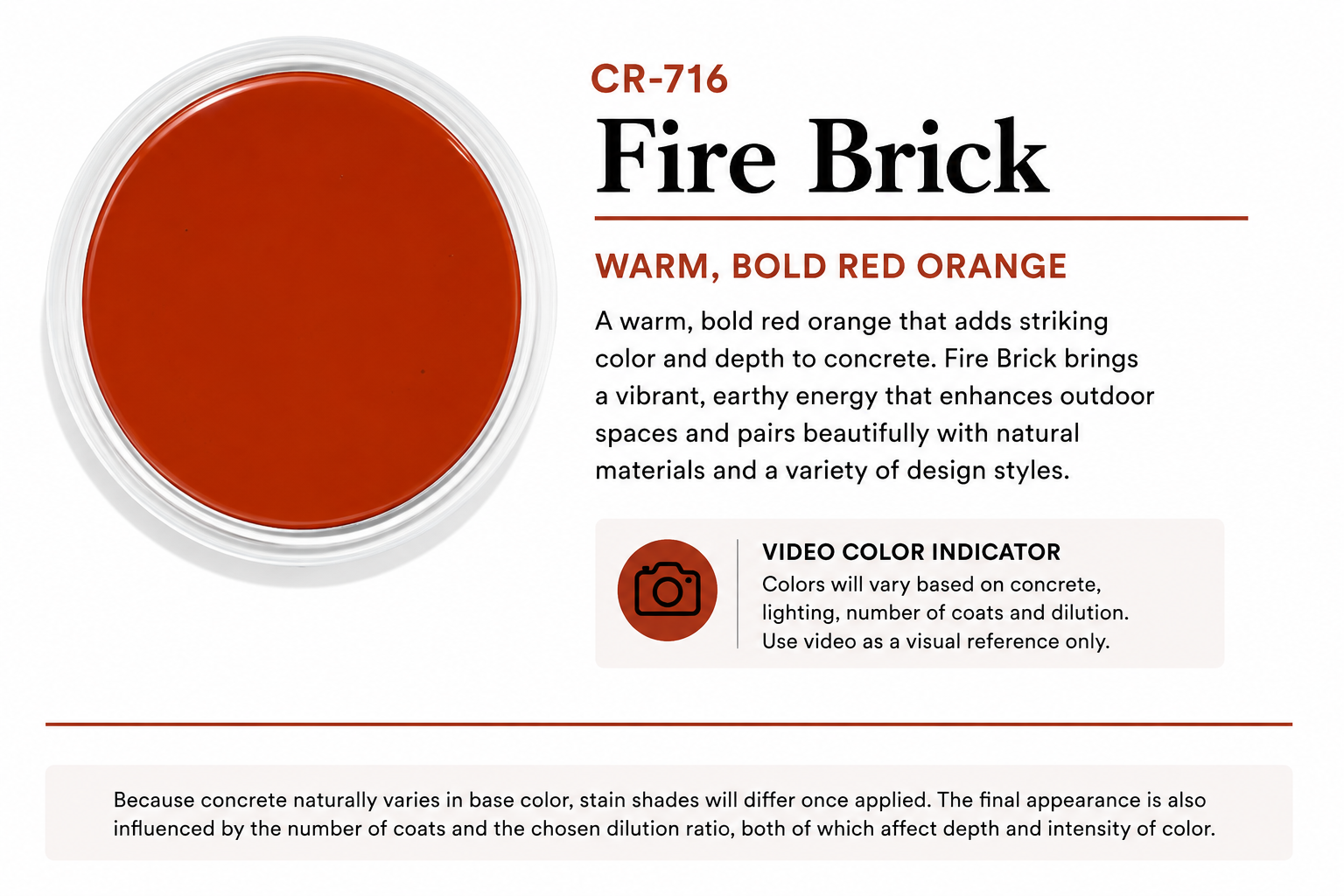
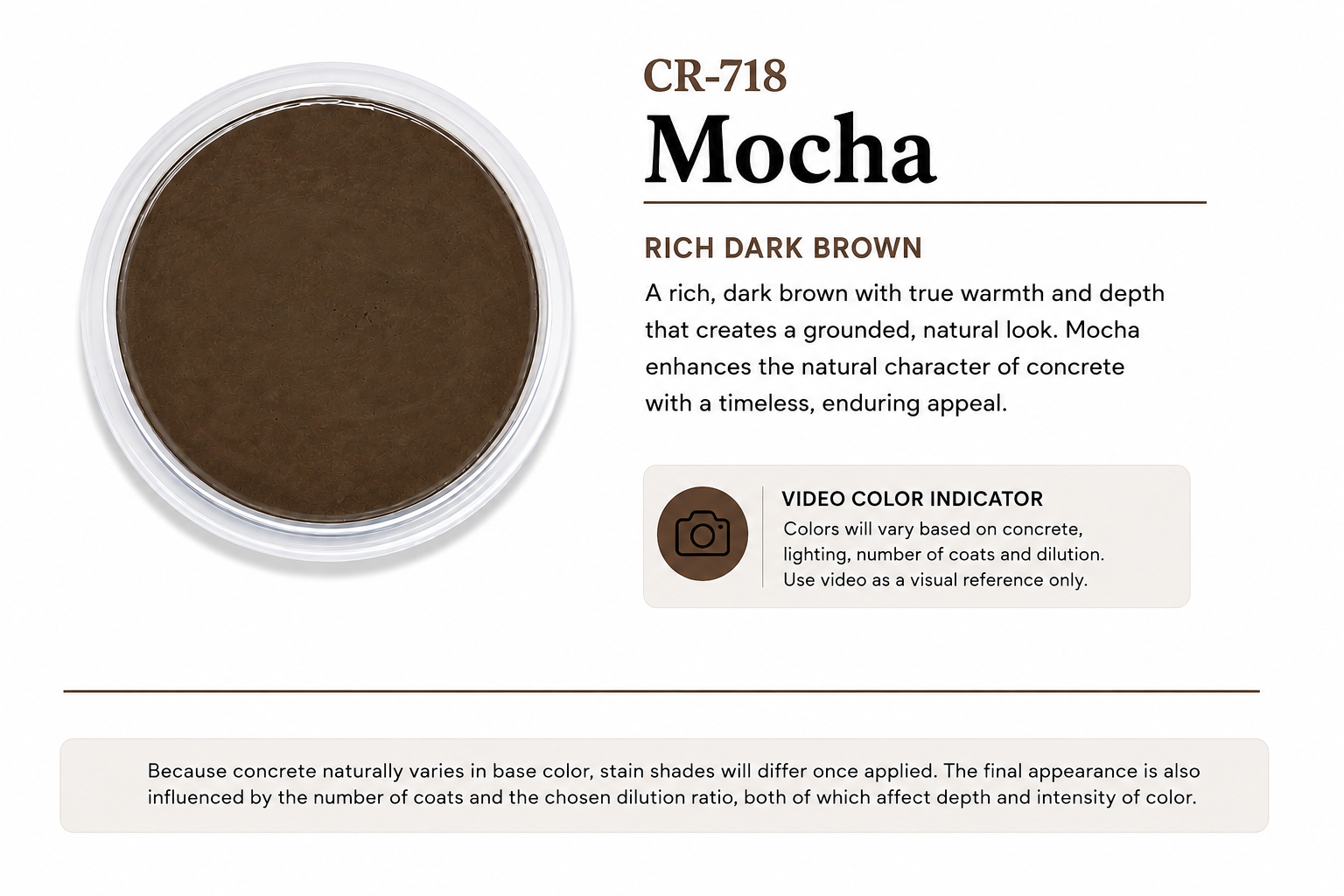
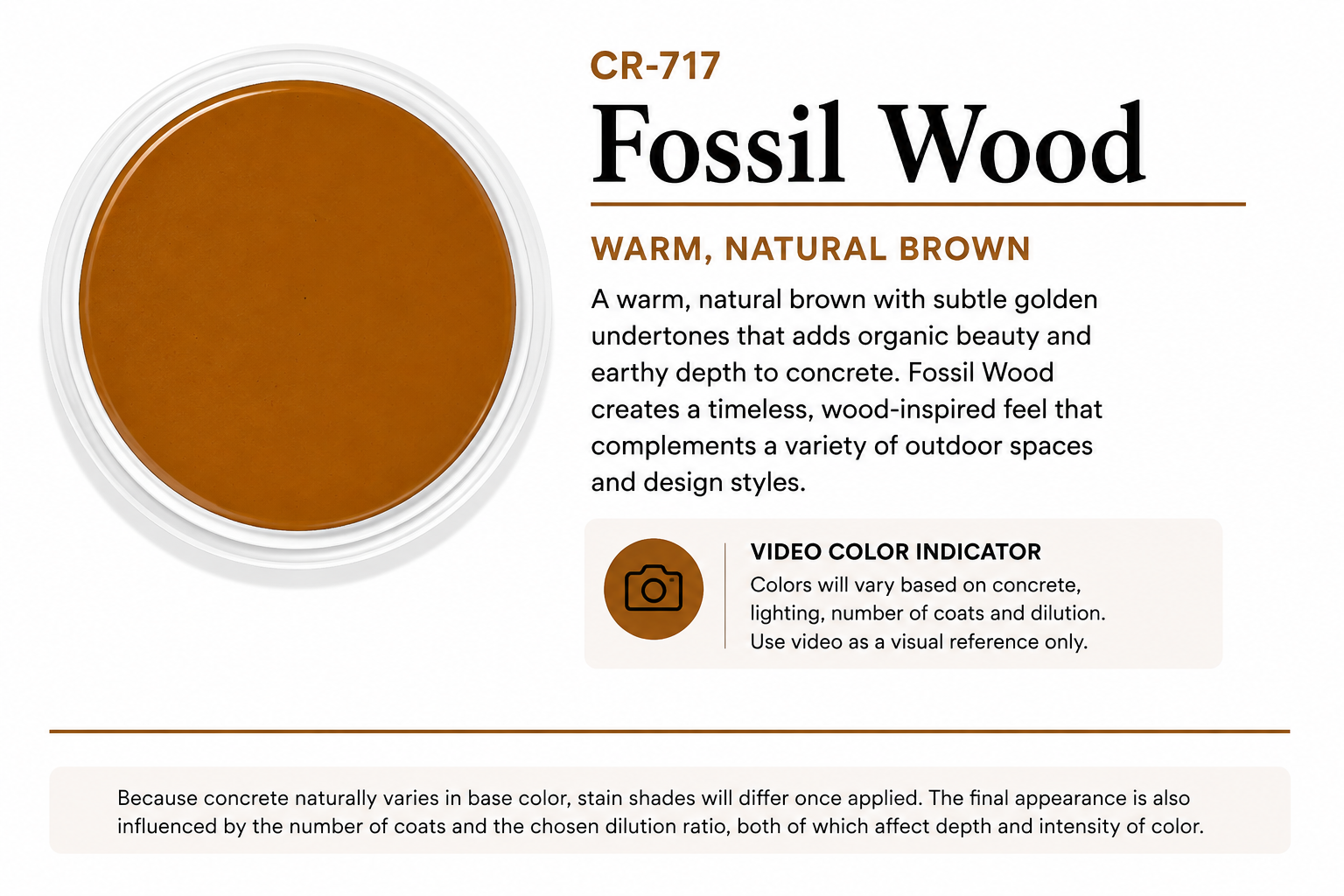
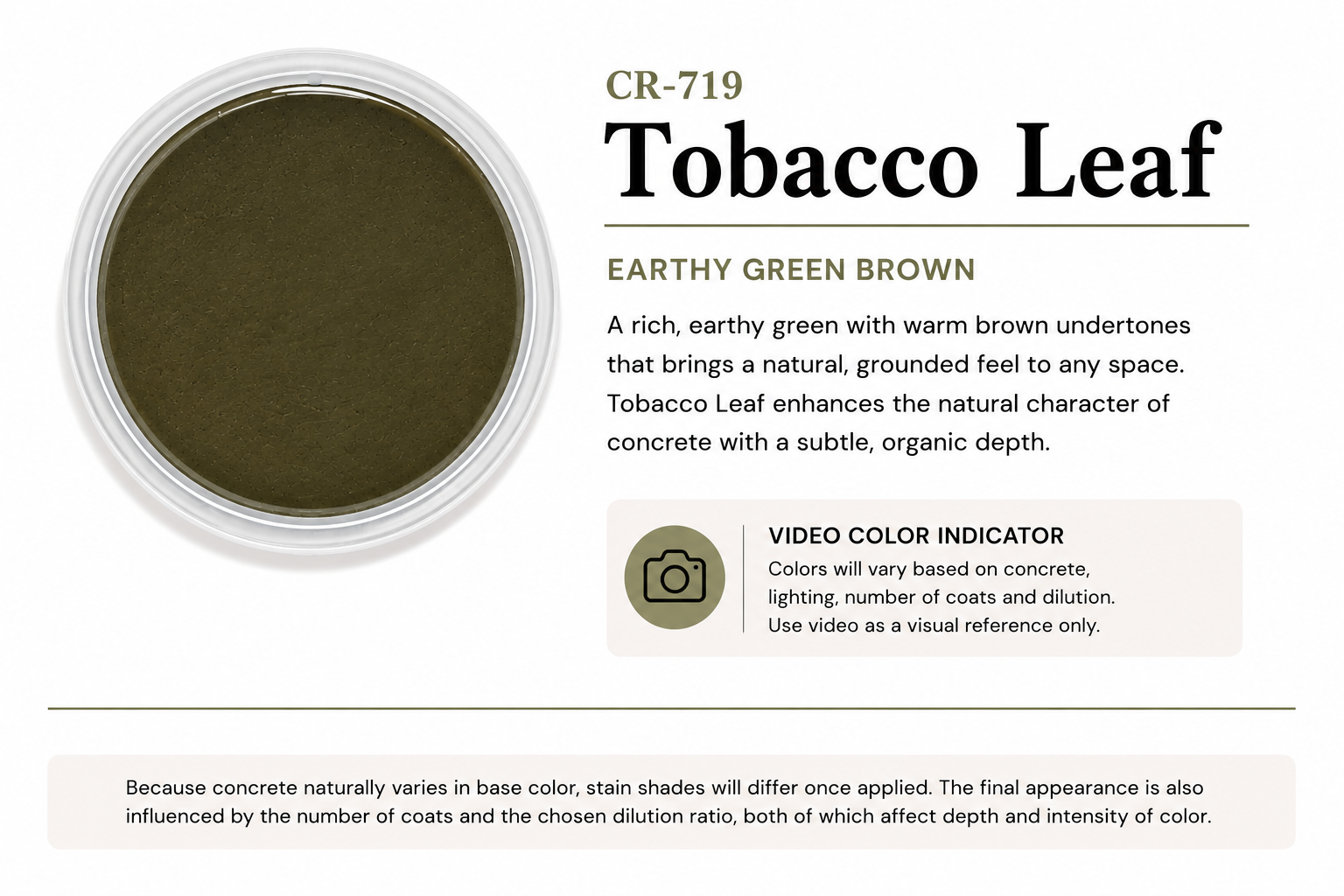
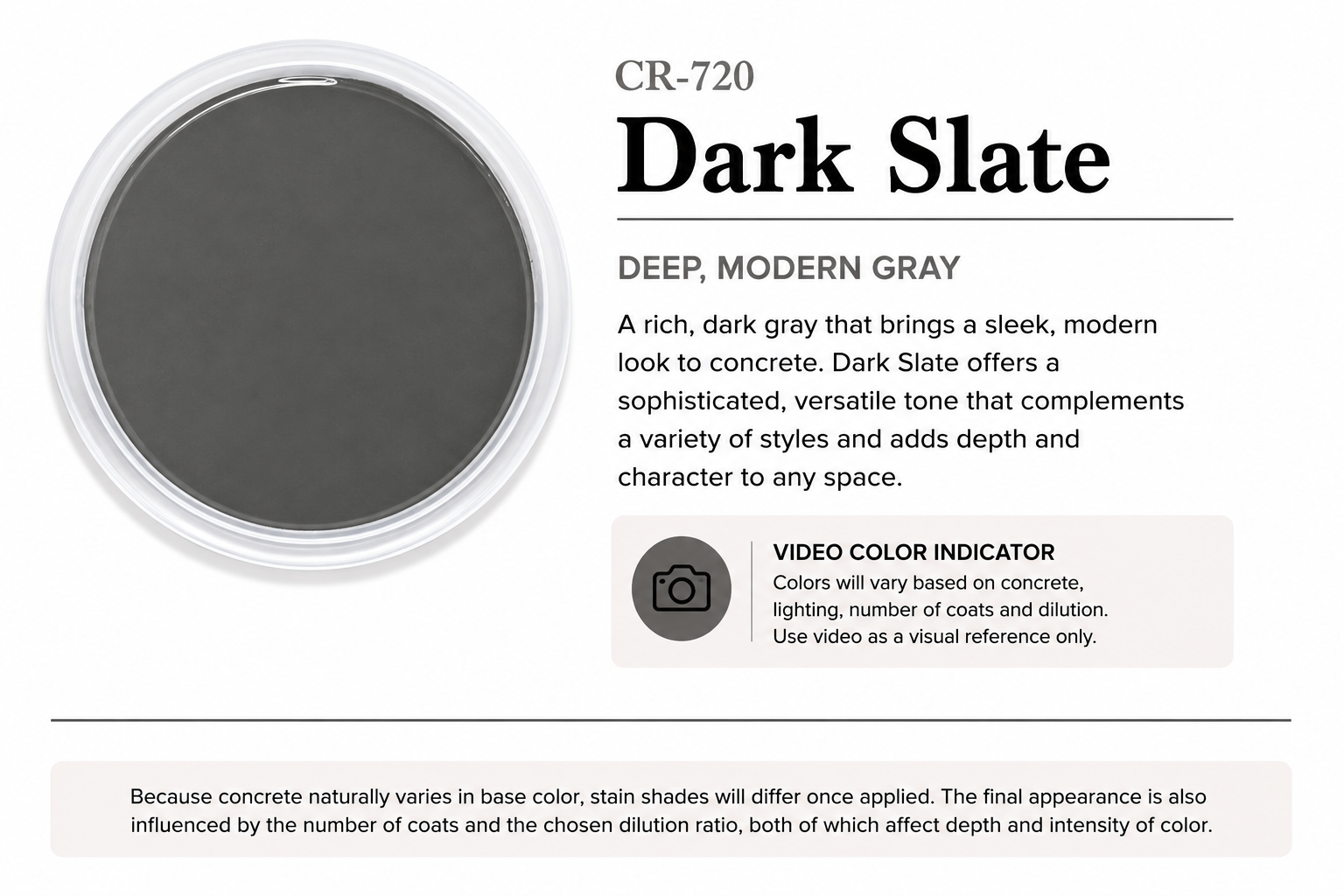
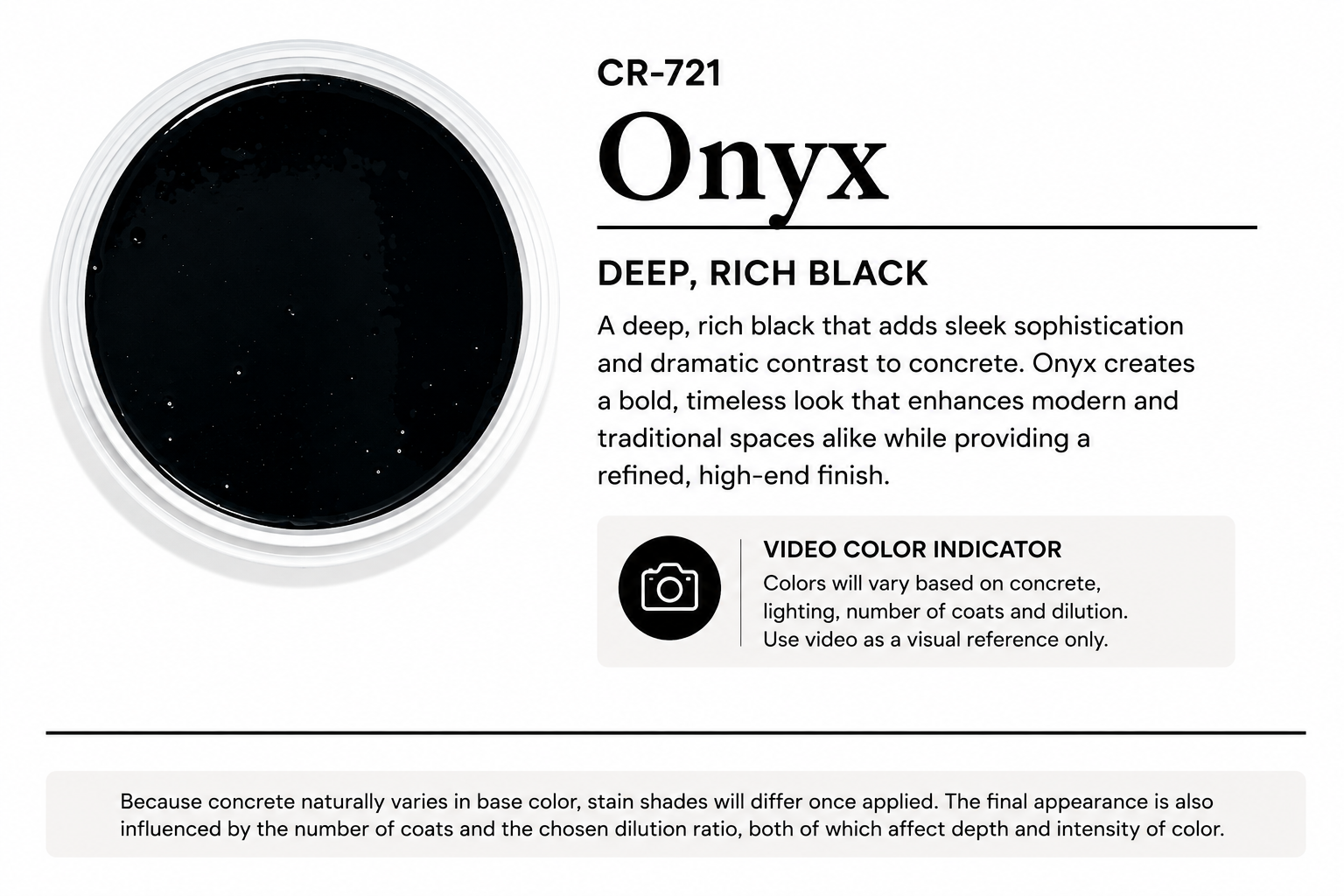
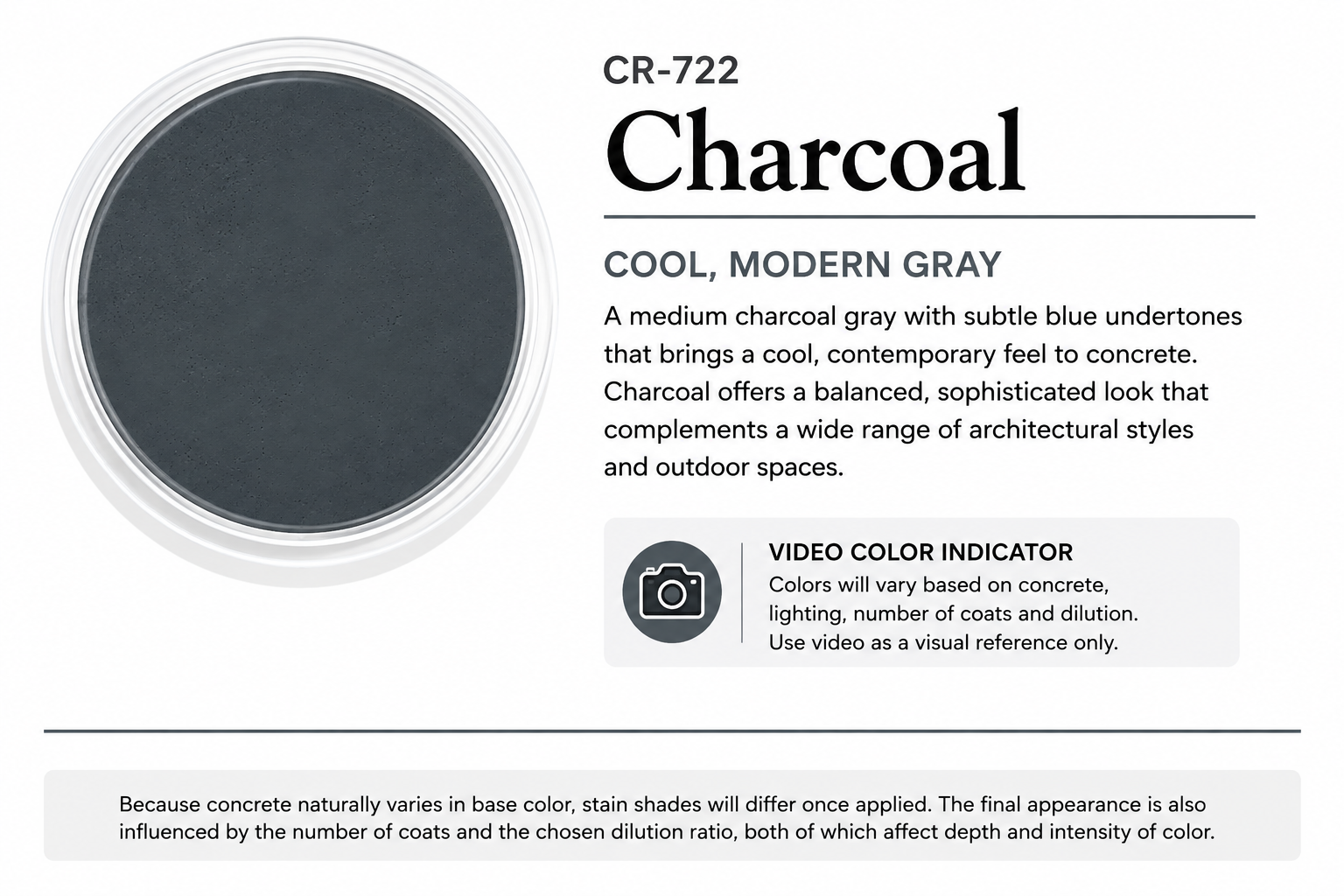
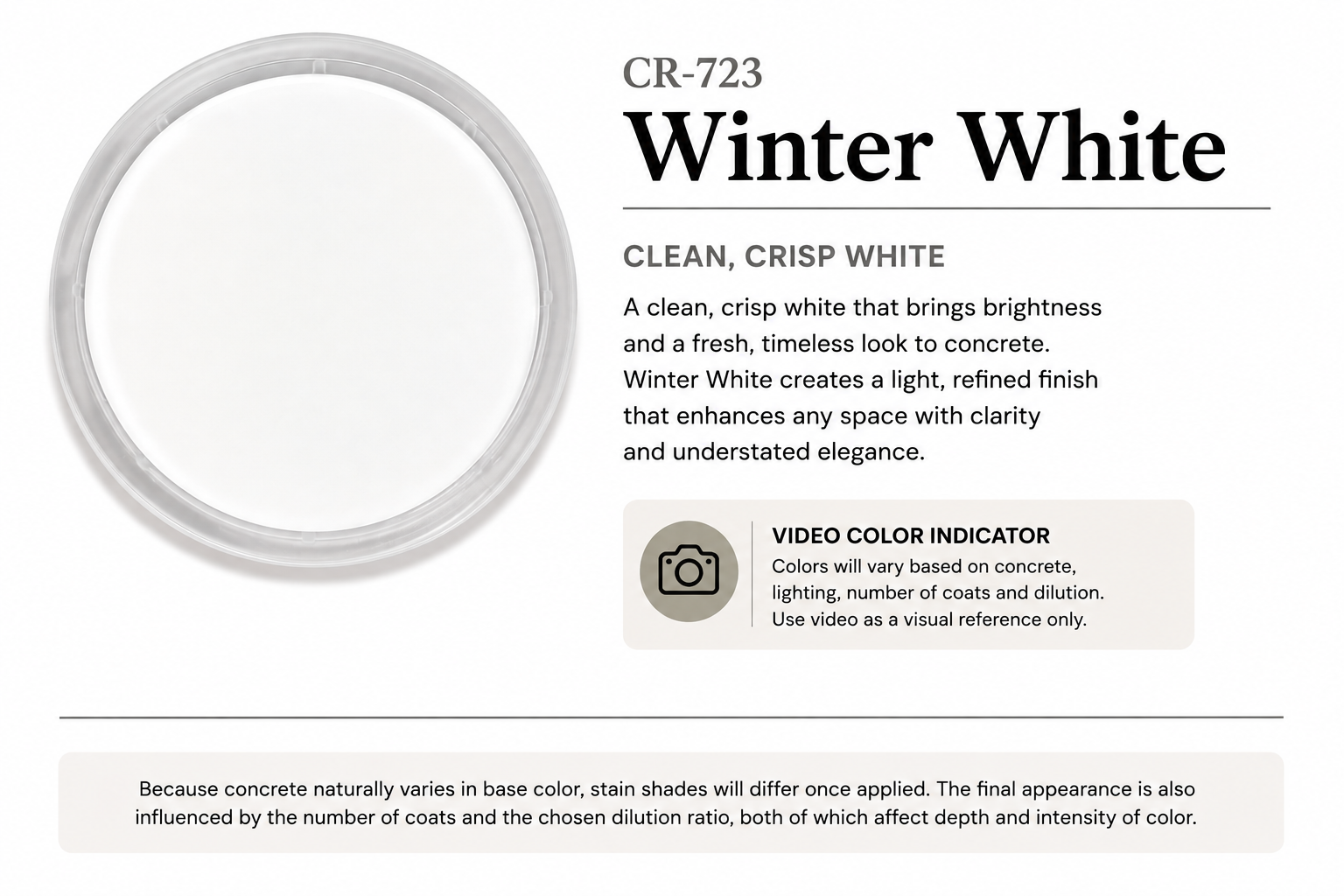
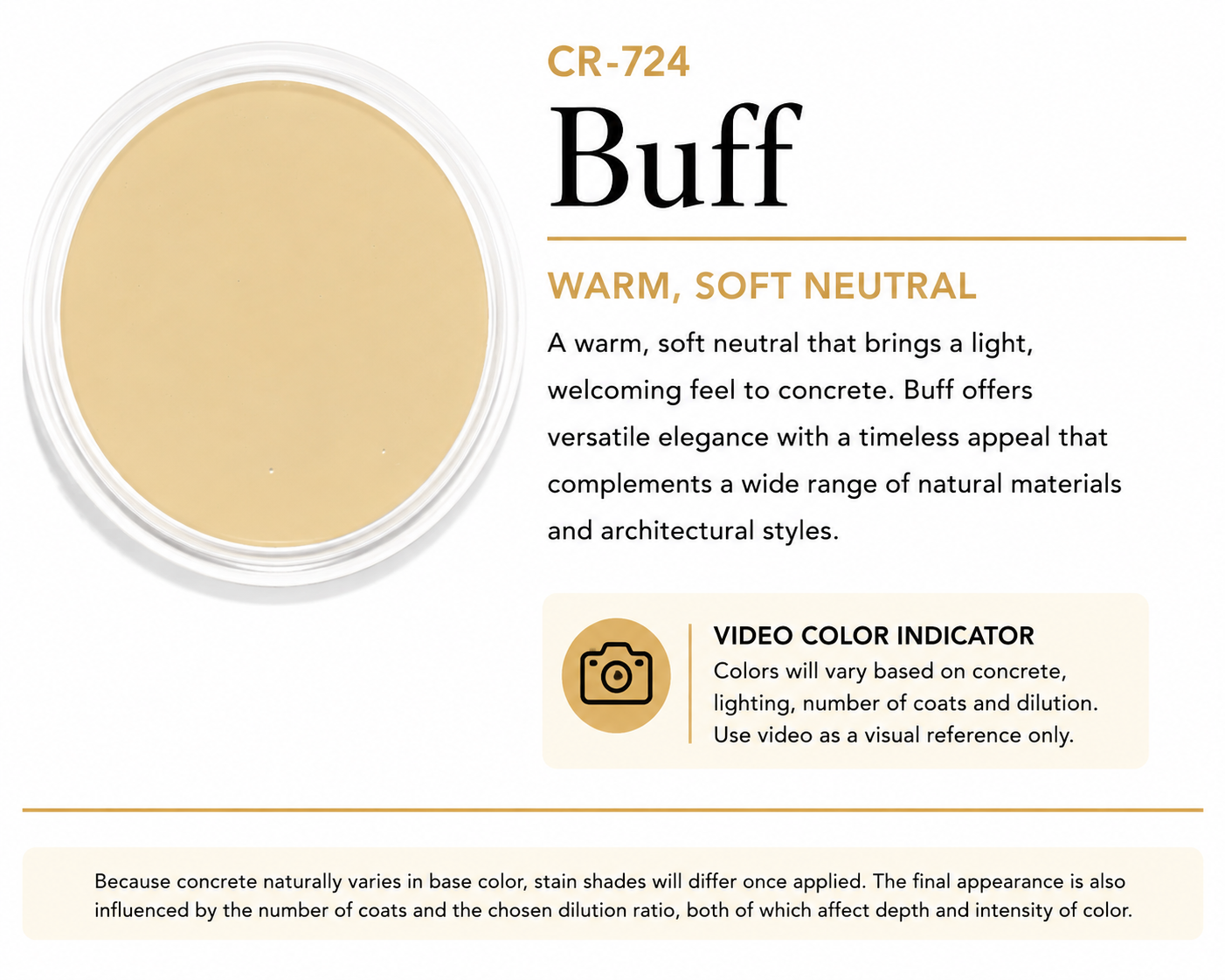
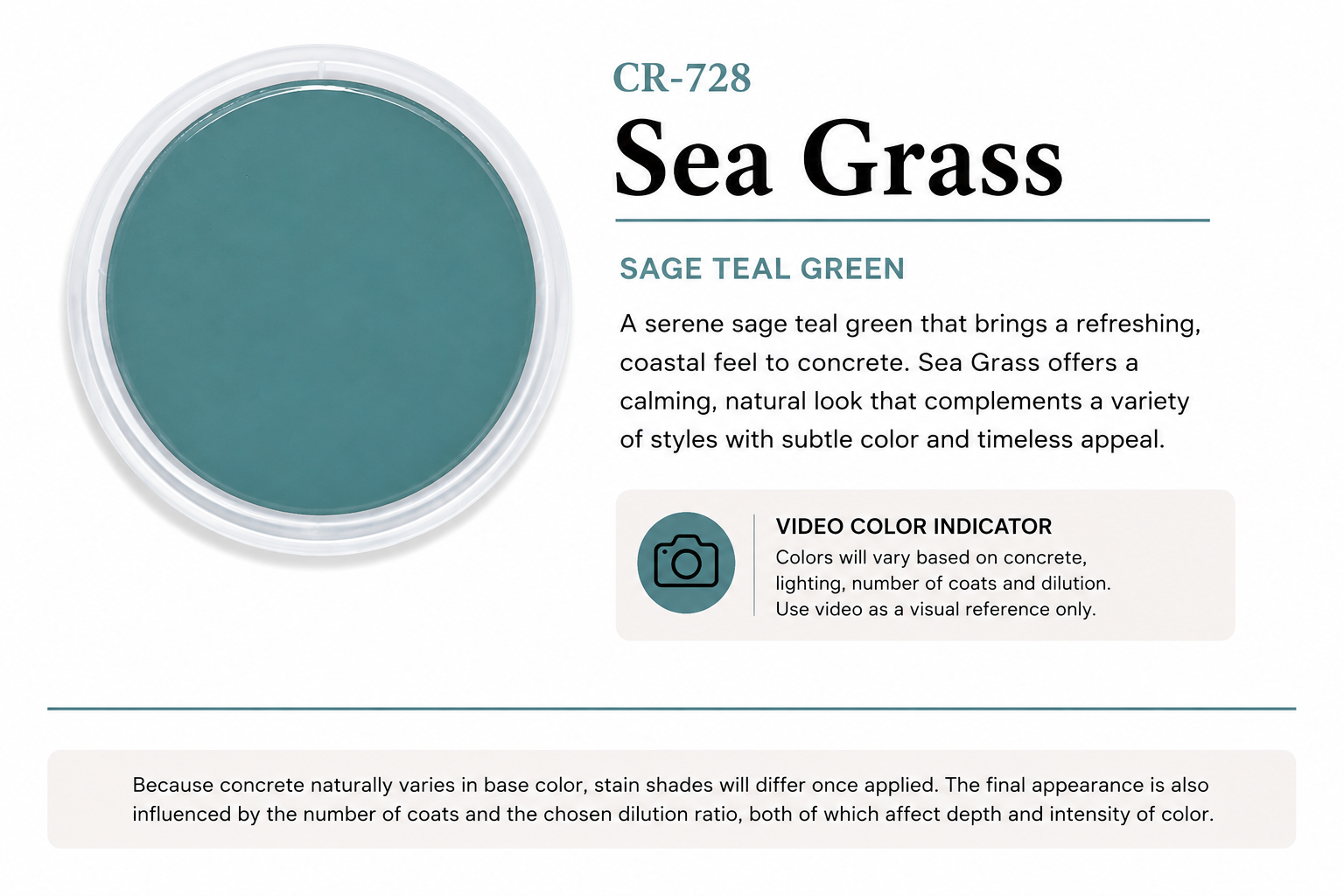
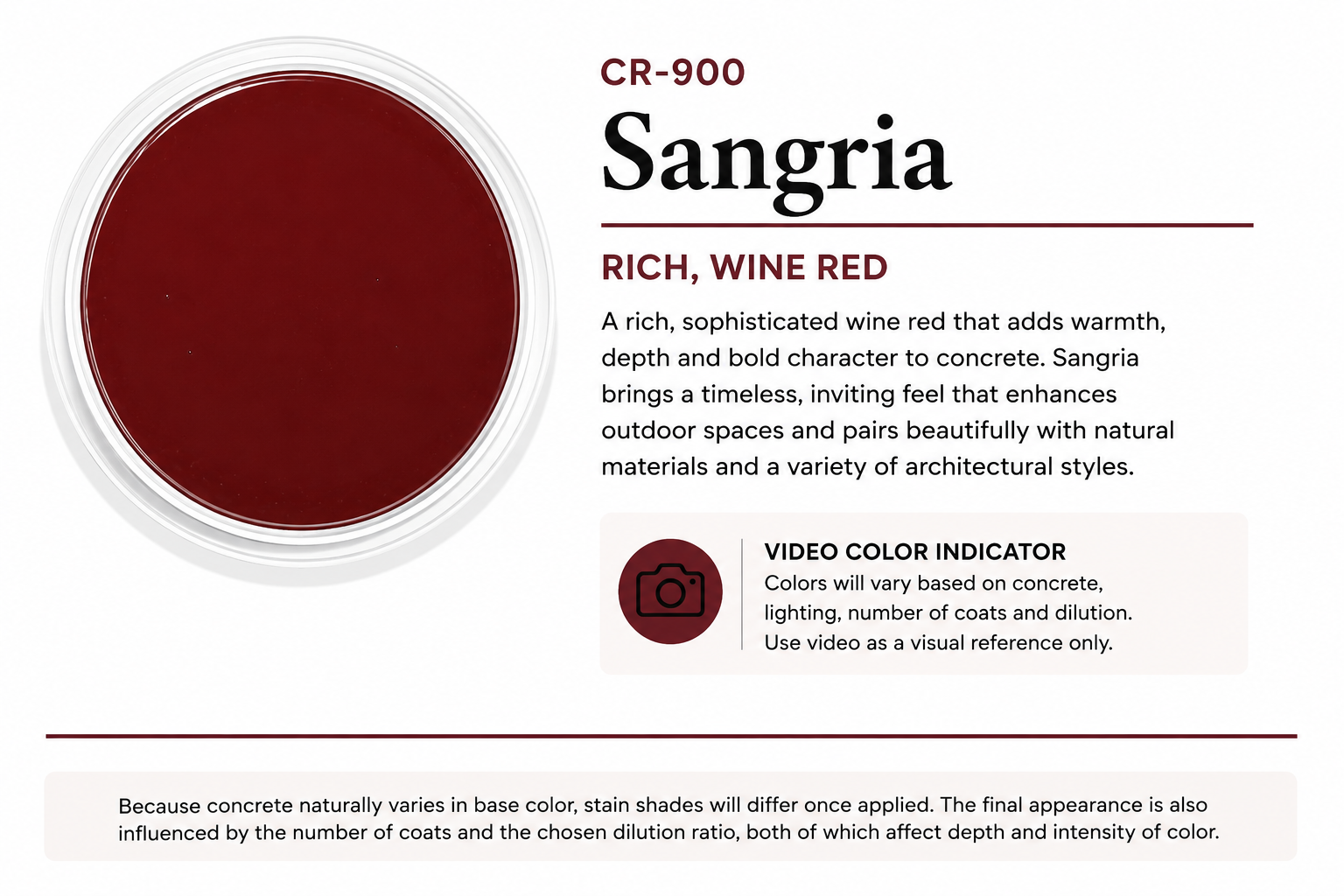
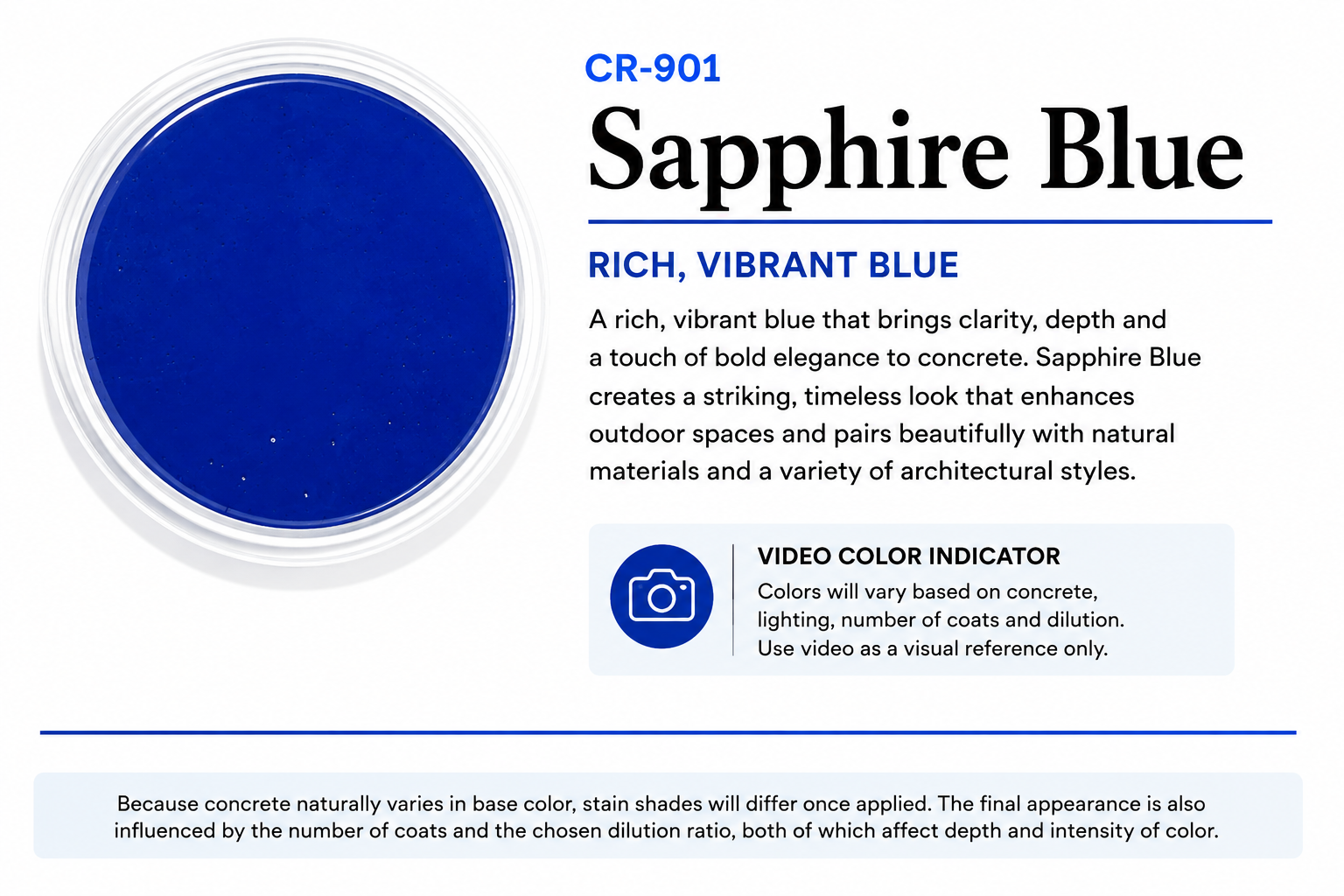
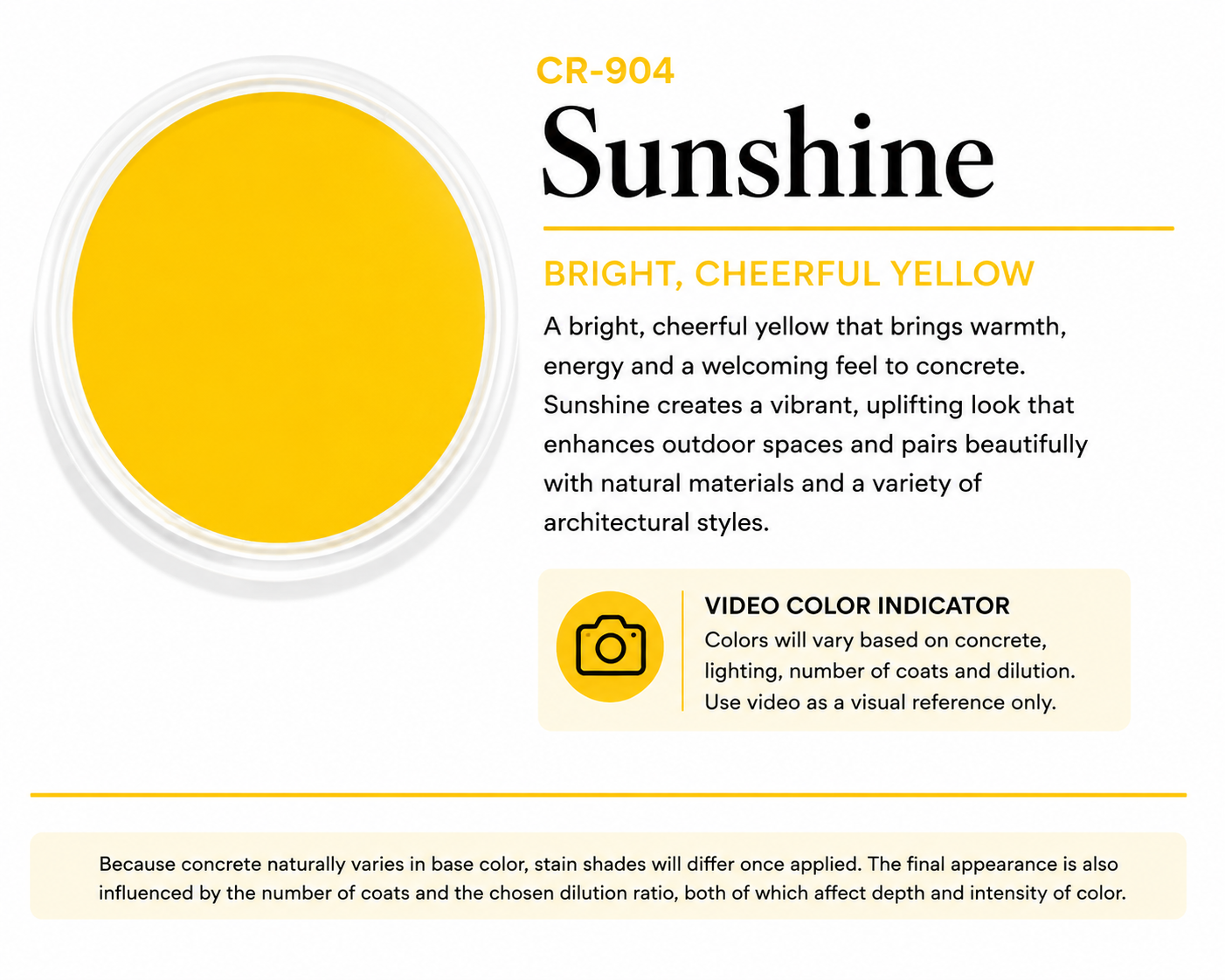
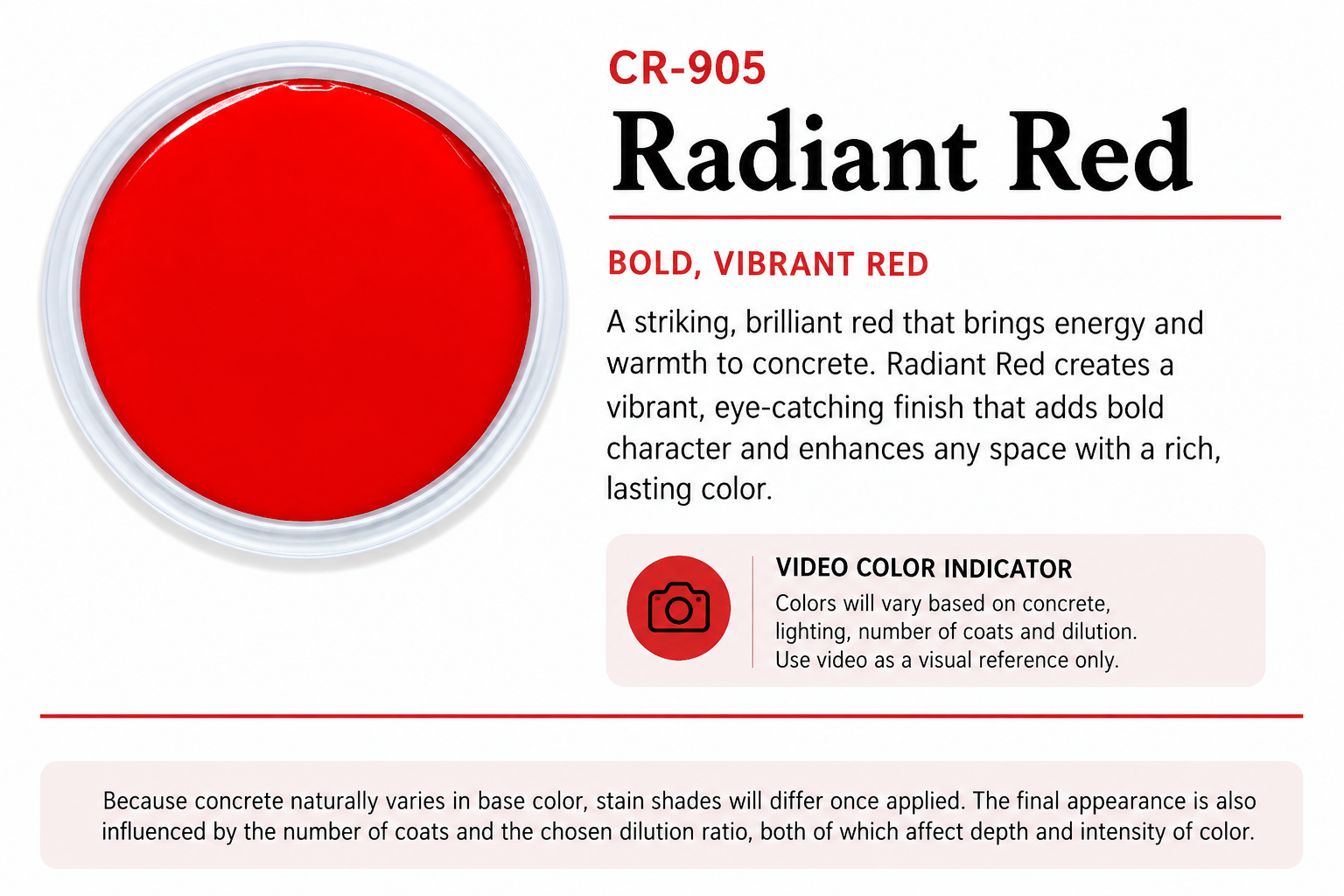
Color charts are intended as a general representation of the color, not a guarantee of the exact finished result.
The final appearance can be affected by the concrete's original color, porosity, texture, age, finishing method, stain dilution, number of applications, and the sealer you choose.
This is why we strongly recommend testing WRC on your actual concrete before completing the entire project.
No. WRC is a water-based stain and does not require neutralization like Concrete Resurrection RAC Reactive Acid Chemical Stain.
Once WRC has been applied and allowed to dry according to the product instructions, you can proceed with the appropriate next steps before sealing.
Unlike reactive acid stain, WRC does not require the acid-neutralizing and rinsing process used with RAC.
Allow the stain to dry completely and follow the WRC instructions before applying your selected sealer.
Avoid introducing unnecessary water after staining, as this may affect unsealed color.
Yes. WRC should be protected with an appropriate Concrete Resurrection sealer.
The sealer helps protect the stained concrete and enhances the finished appearance of the color.
Choose your sealer based on whether the project is interior or exterior, the amount of traffic or exposure the surface receives, and the finished sheen you prefer.
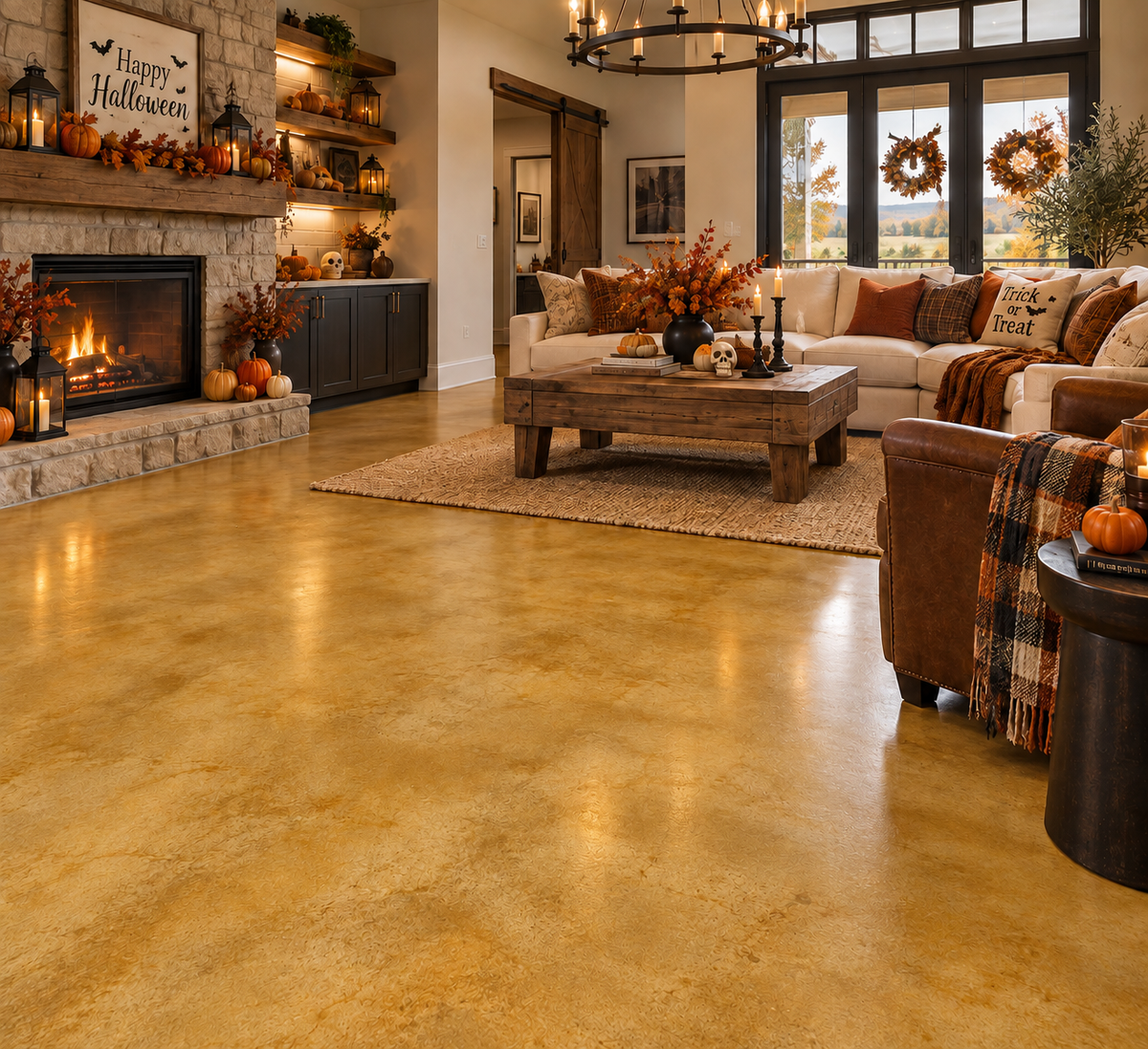
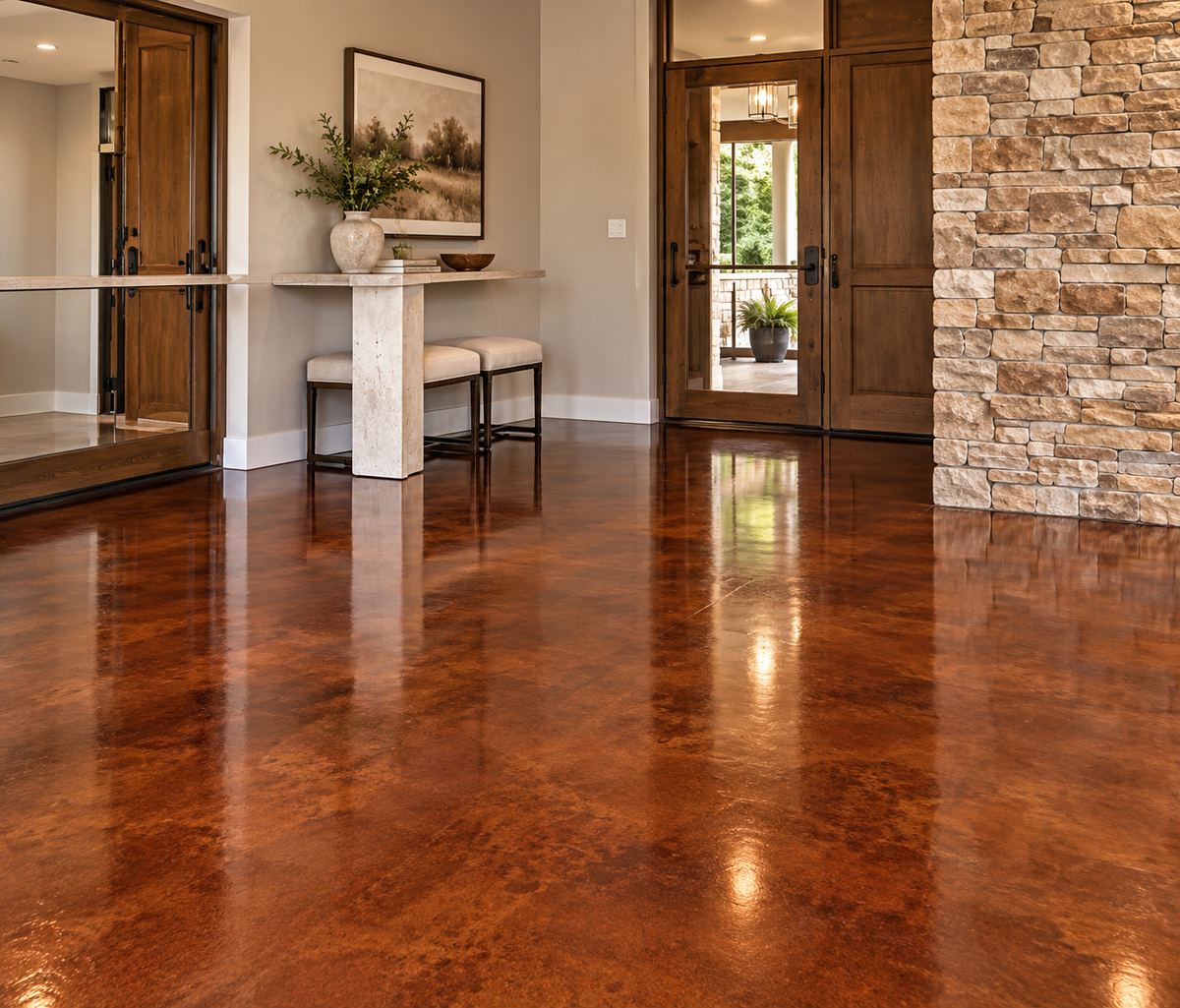
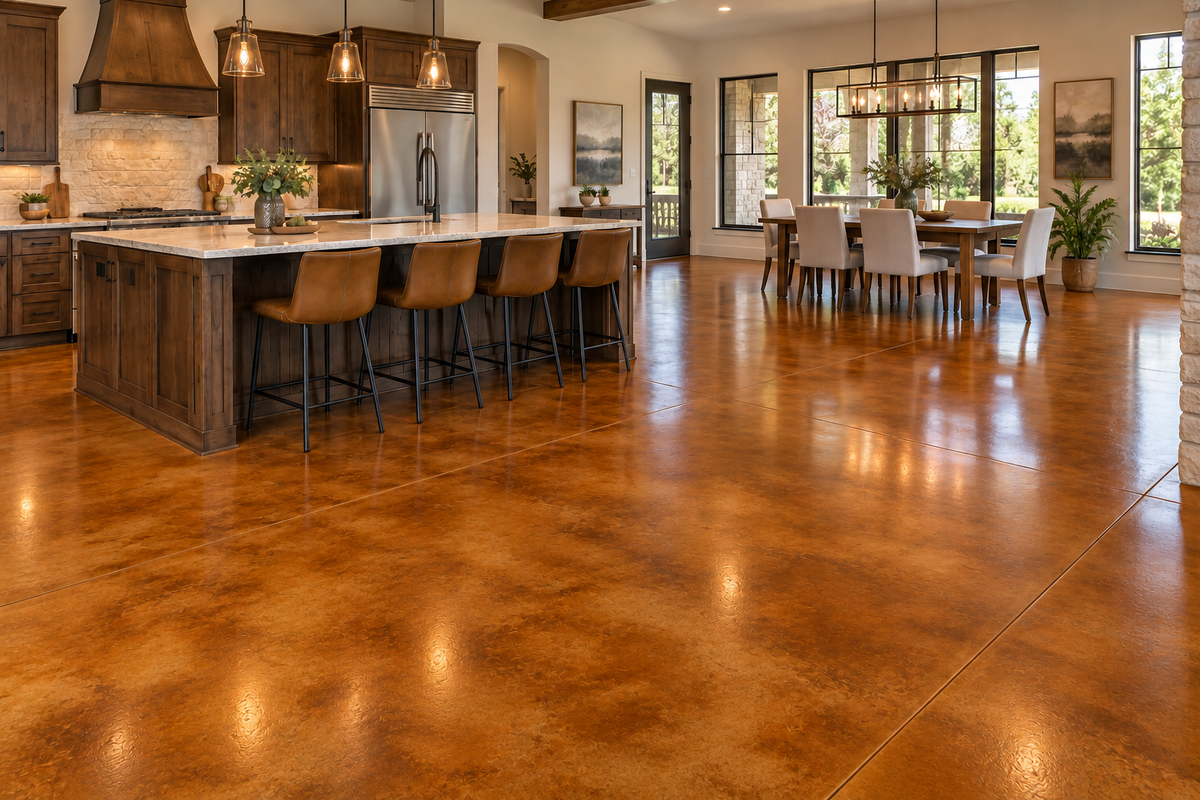
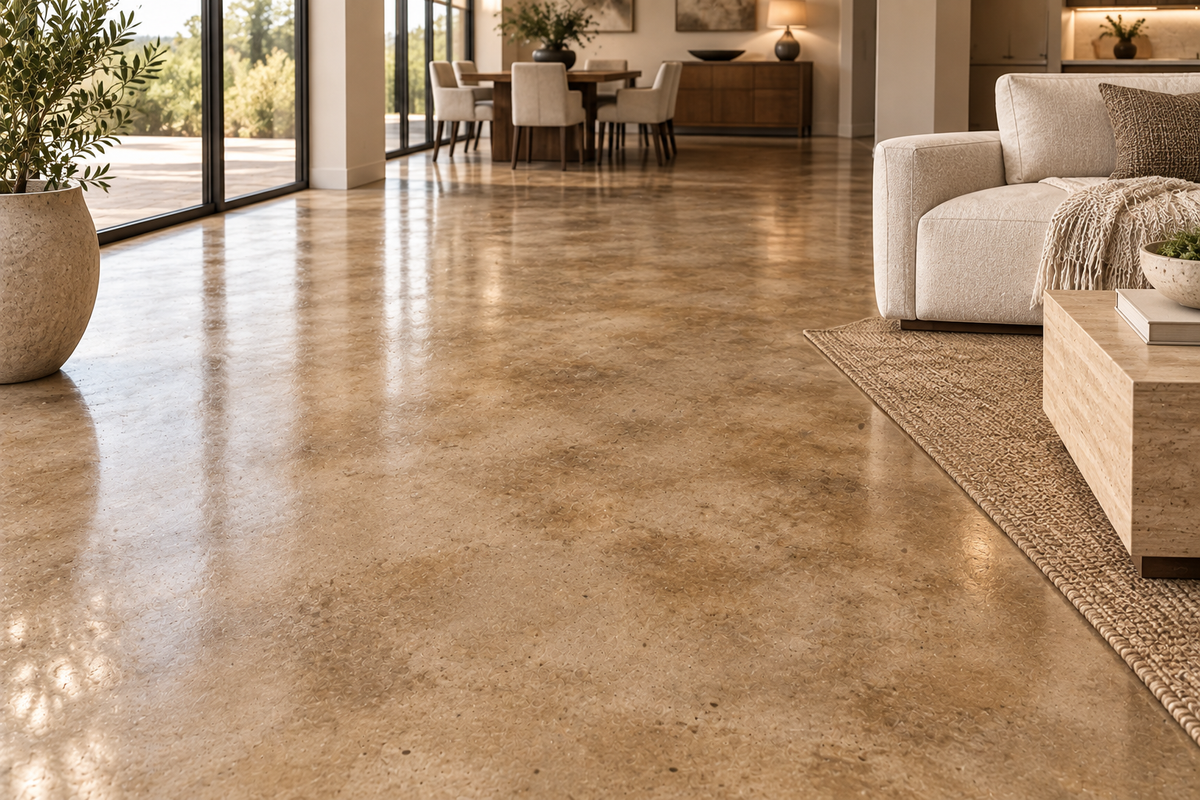
Yes. WRC often becomes richer and more vibrant after sealing.
The amount of color enhancement will depend on the sealer you select. Some sealers provide more of a color-enhancing or "wet look," while others create a more natural appearance.
DIY Tip: When making a WRC test sample, take it through the entire process—including the sealer. Looking at unsealed stain alone won't give you the best representation of your finished project.
Yes. WRC can be used for suitable interior and exterior decorative concrete applications when properly applied and protected with an appropriate sealer.
For exterior projects, choose a Concrete Resurrection sealer designed for exterior exposure.
Yes. Older concrete can be an excellent candidate for WRC as long as it can be properly prepared.
Existing sealers, paint, coatings, grease, oil, and contaminants must be removed. Repairs, patches, and previously treated areas may accept stain differently from the surrounding concrete and remain visible after staining.
Performing a test area is especially important on older concrete.
No. WRC is a stain rather than an opaque paint or coating.
The natural characteristics of your concrete—including cracks, patches, repairs, texture changes, and color variations—may remain visible after staining.
For many decorative concrete projects, these variations add character to the finished floor.
WRC needs access to properly prepared concrete. If an existing sealer prevents the stain from penetrating or bonding properly, it will need to be removed before staining.
Try the water test: place water on several areas of the floor. If it beads instead of absorbing into and darkening the concrete, additional surface preparation is likely needed.
Coverage can vary depending on the porosity and texture of the concrete, dilution rate, application method, and number of coats.
Porous or textured concrete generally uses more stain than smooth, dense concrete. Additional colors or applications will also increase the amount of stain required.
When estimating your project, measure length × width to determine your square footage and allow some additional material for variations in absorption and application.
For most decorative applications, a pump-up sprayer is recommended because it makes it easier to apply light, natural-looking coats without roller lines.
A roller, brush, sponge, or other application method may be useful for certain decorative techniques or small areas, but the application method can affect the finished appearance.
Avoid allowing WRC to puddle or accumulate heavily on the surface.
If you notice excess material while the stain is still workable, carefully redistribute it rather than allowing a heavy puddle to dry.
This is another reason we recommend applying light coats and building the color gradually.
WRC needs to be completely dry before sealing.
Drying time can vary with temperature, humidity, airflow, concrete porosity, and how heavily the stain was applied.
Do not rush the sealing step. If the stain or concrete still contains moisture, allow additional drying time before applying your sealer.


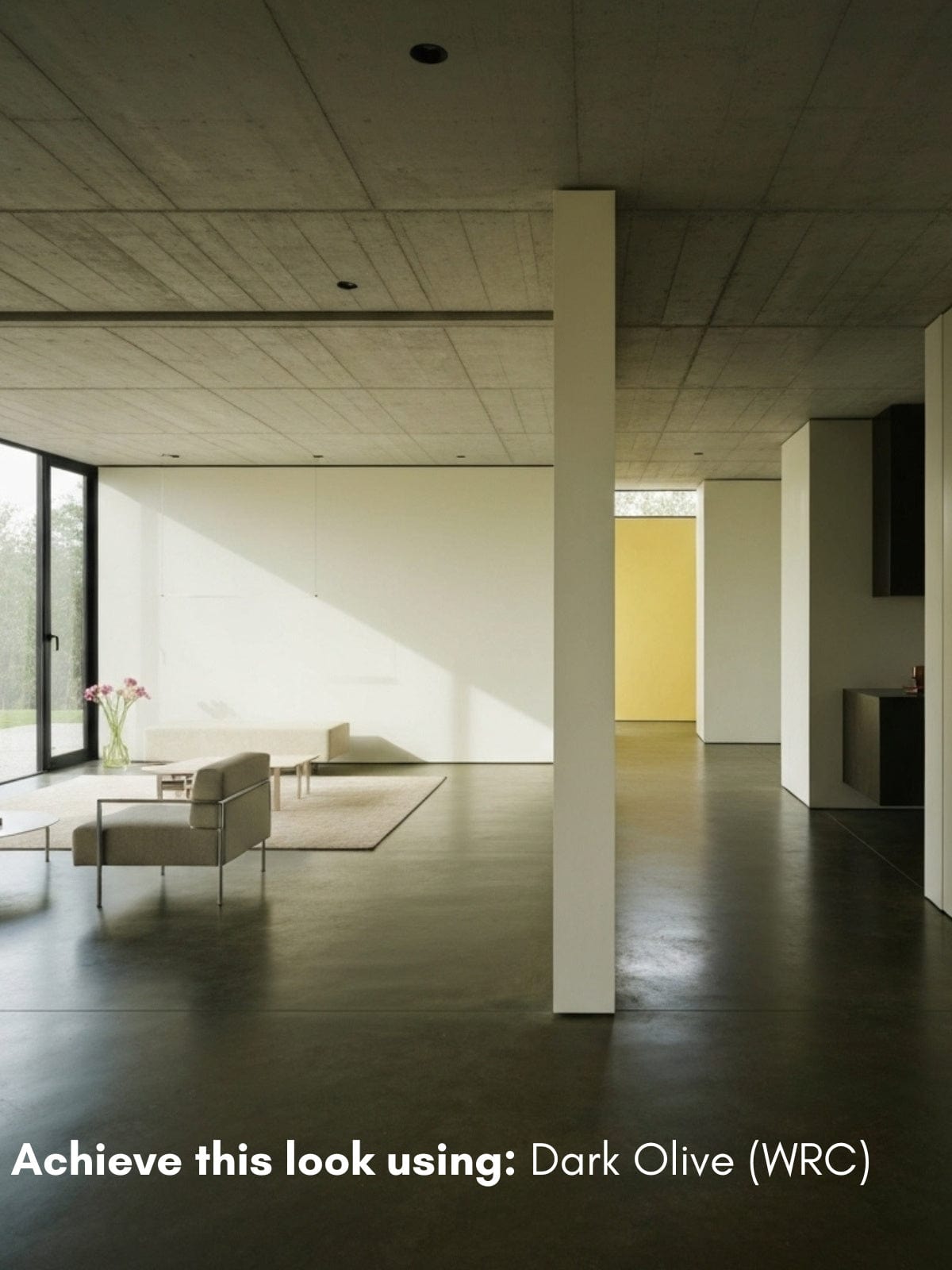
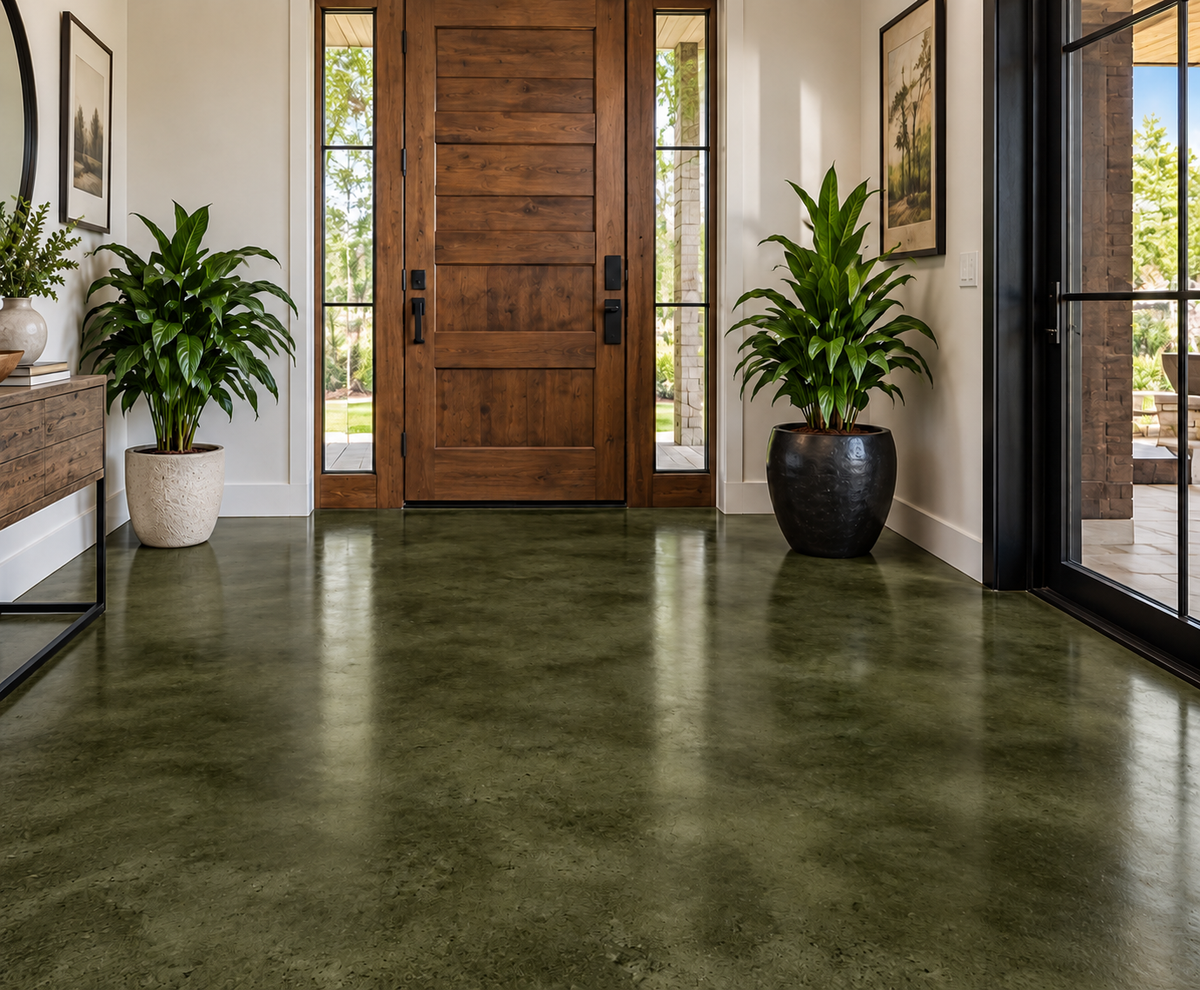
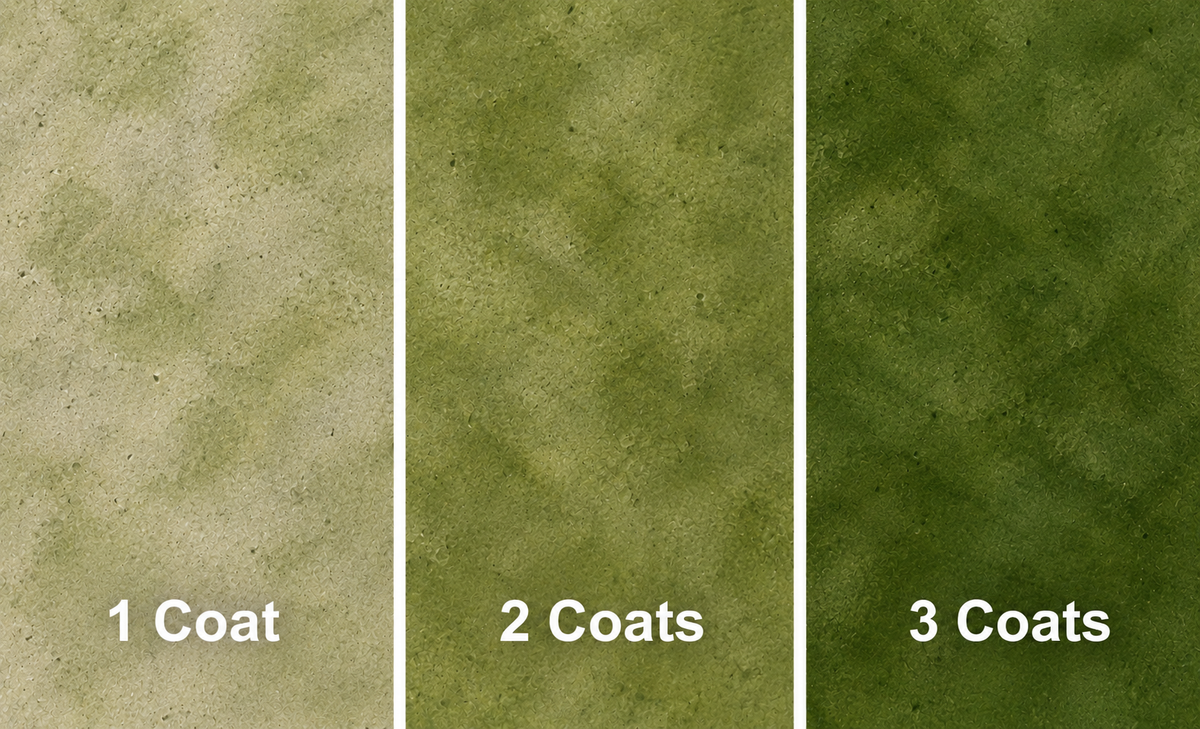
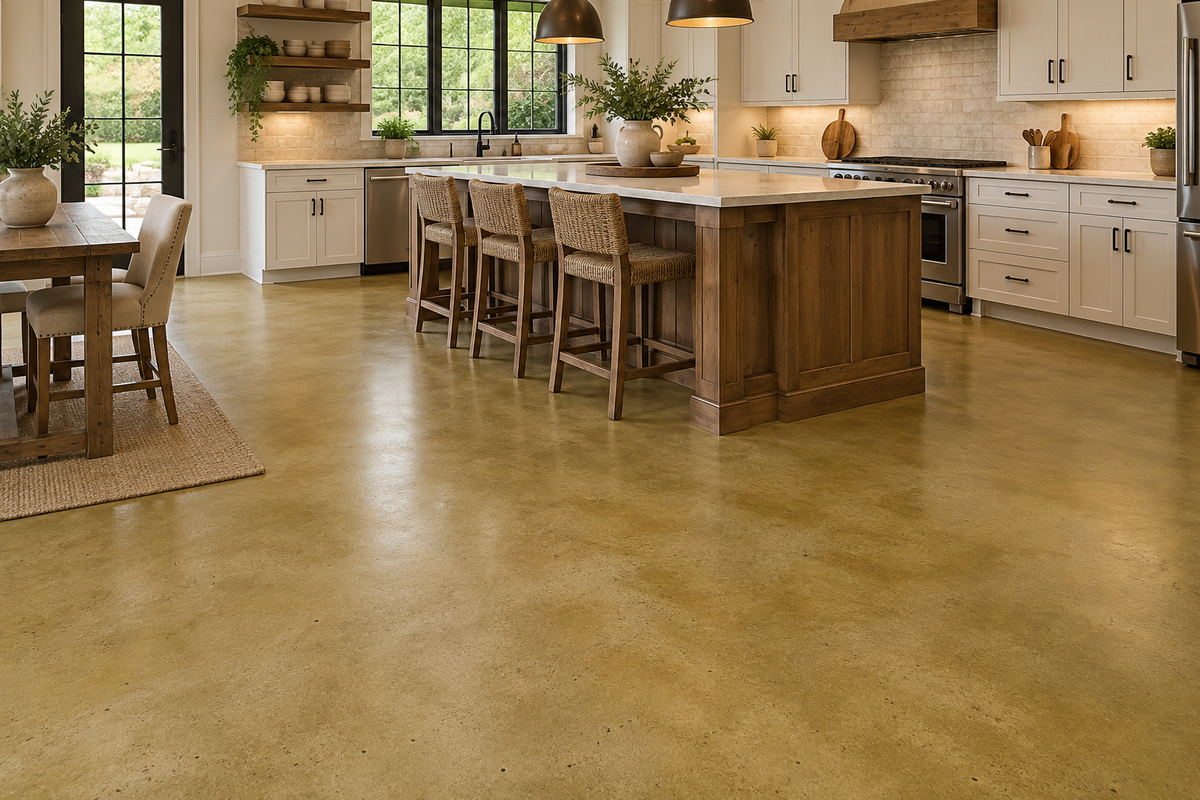
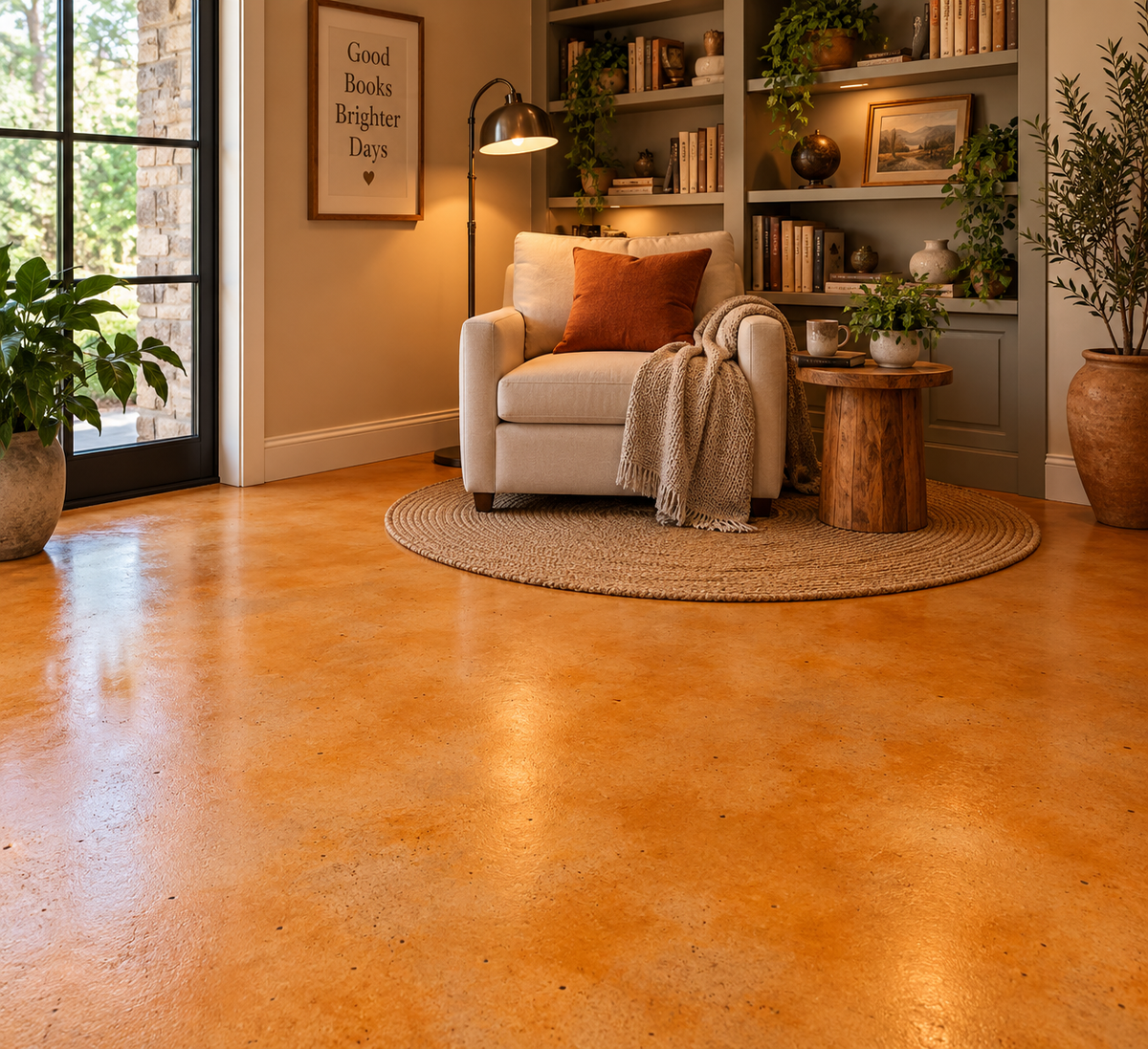
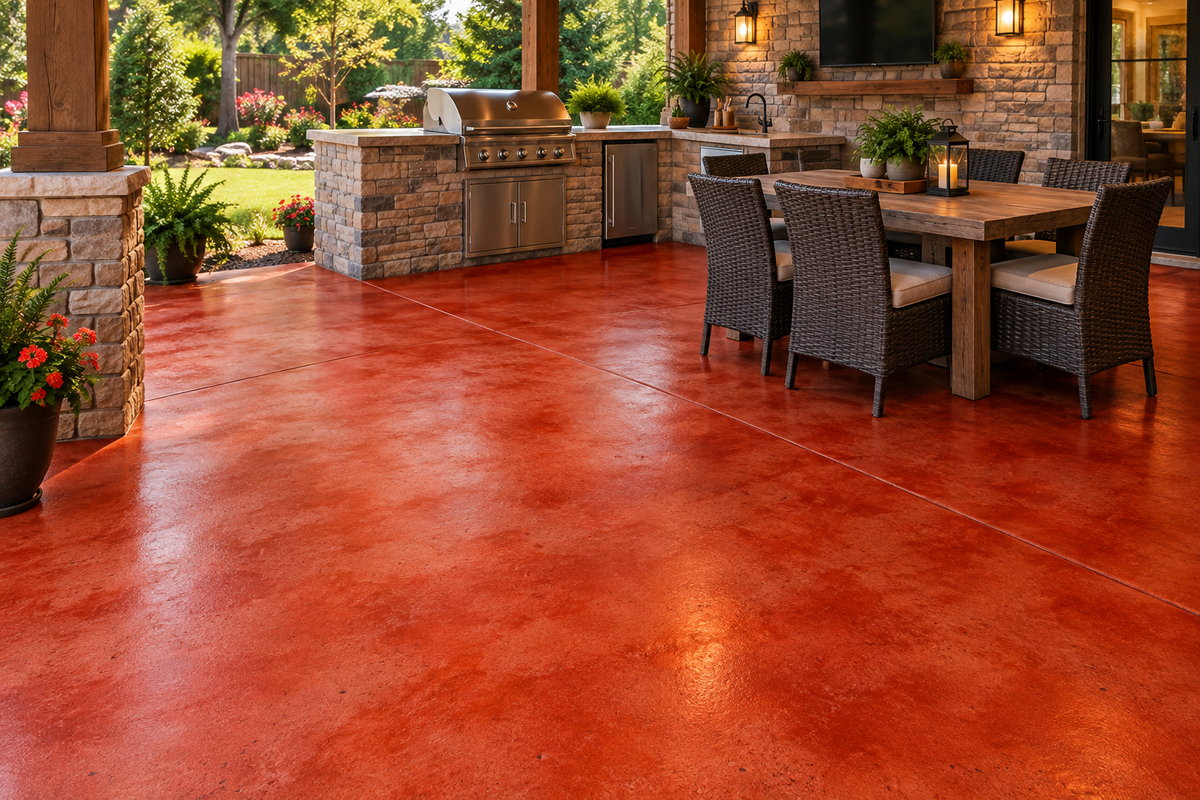
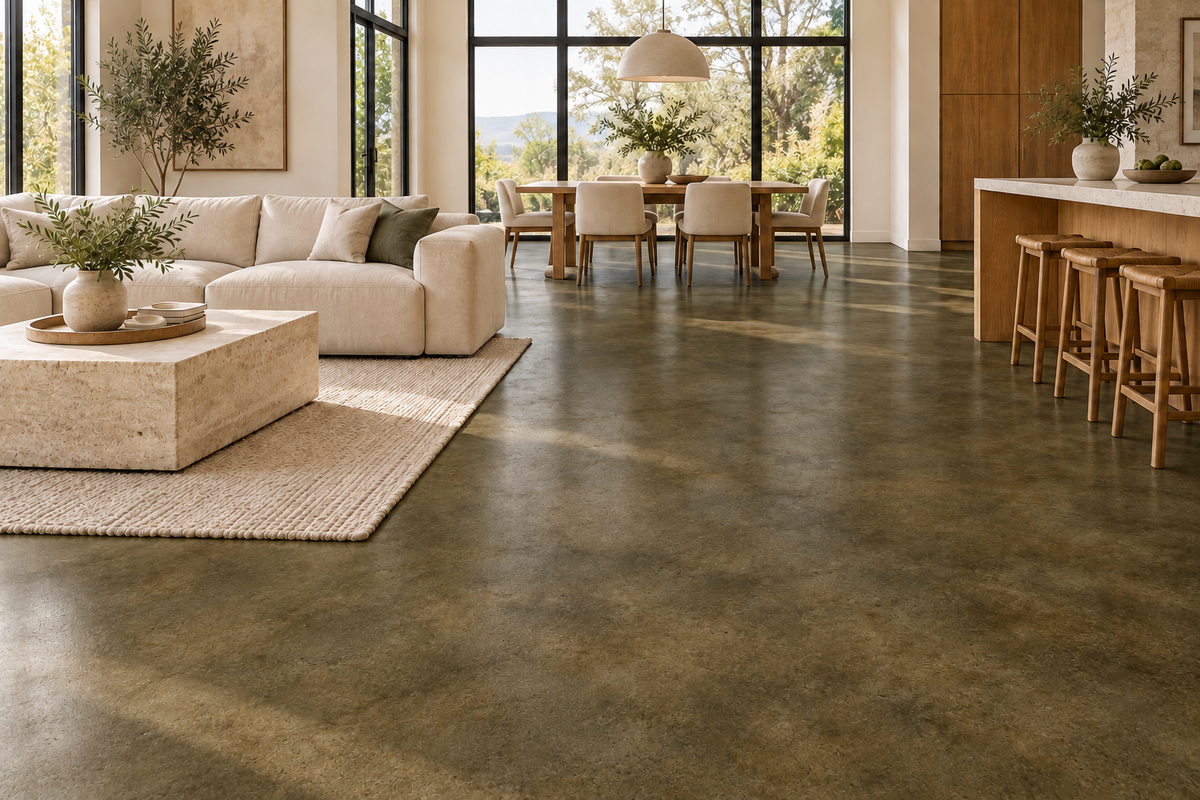
Achieve with dark olive wrc

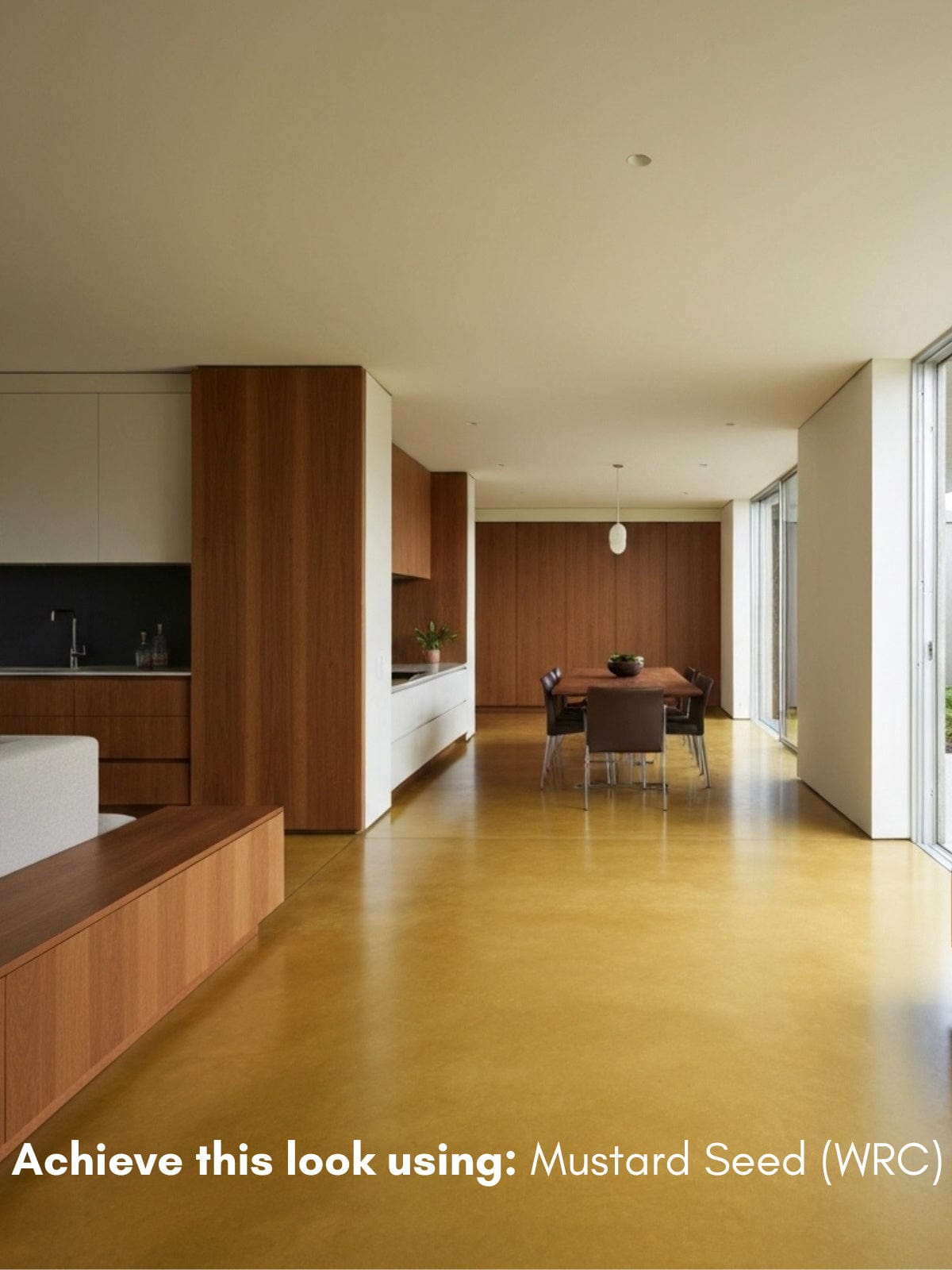
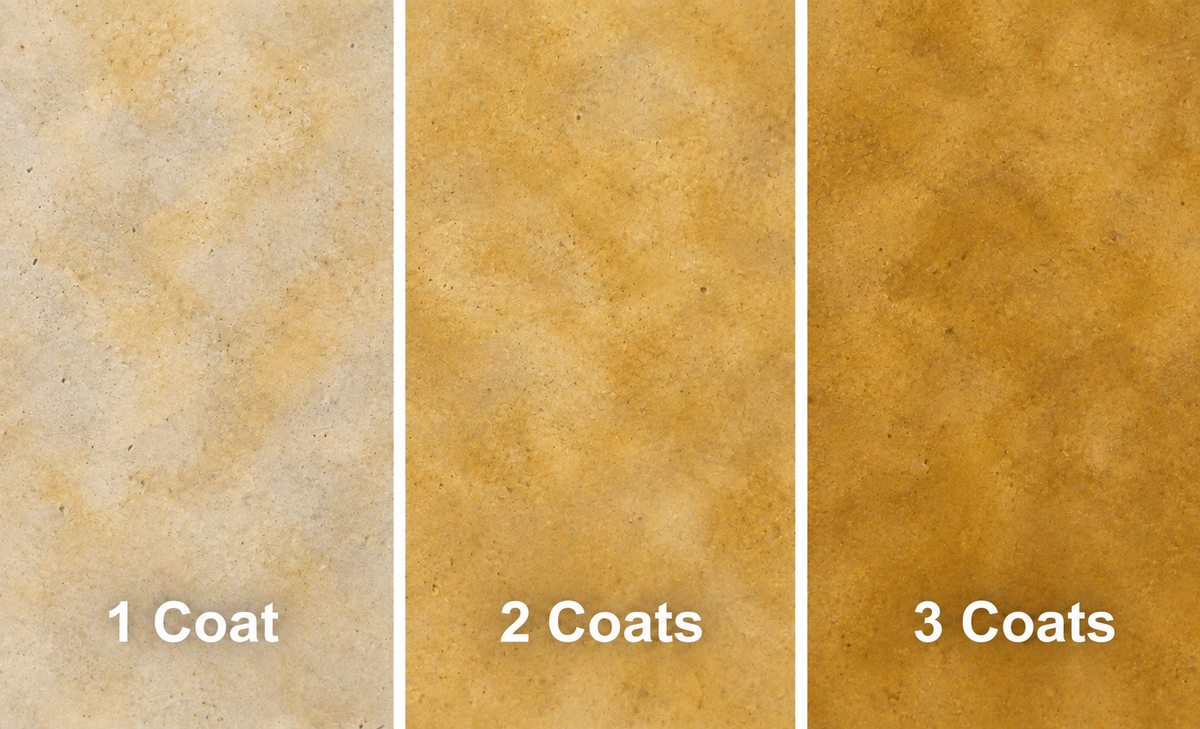
Achieve with Mustard Seed WRC