Effective Solutions for Blushing and Whitening on Acrylic Concrete Sealers
Blushing and whitening issues on acrylic concrete sealers can quickly turn a flawless finish into a frustrating mess. Moisture entrapment, air bubbles, and hazing often leave you wondering if you need to start all over. Surface Restore offers a practical way to fix these problems without stripping or sanding your sealer. In this post, you'll learn how to use this product for effective concrete surface restoration and acrylic sealer correction that saves time and money.
Understanding Common Sealer Problems
What Causes Blushing and Whitening
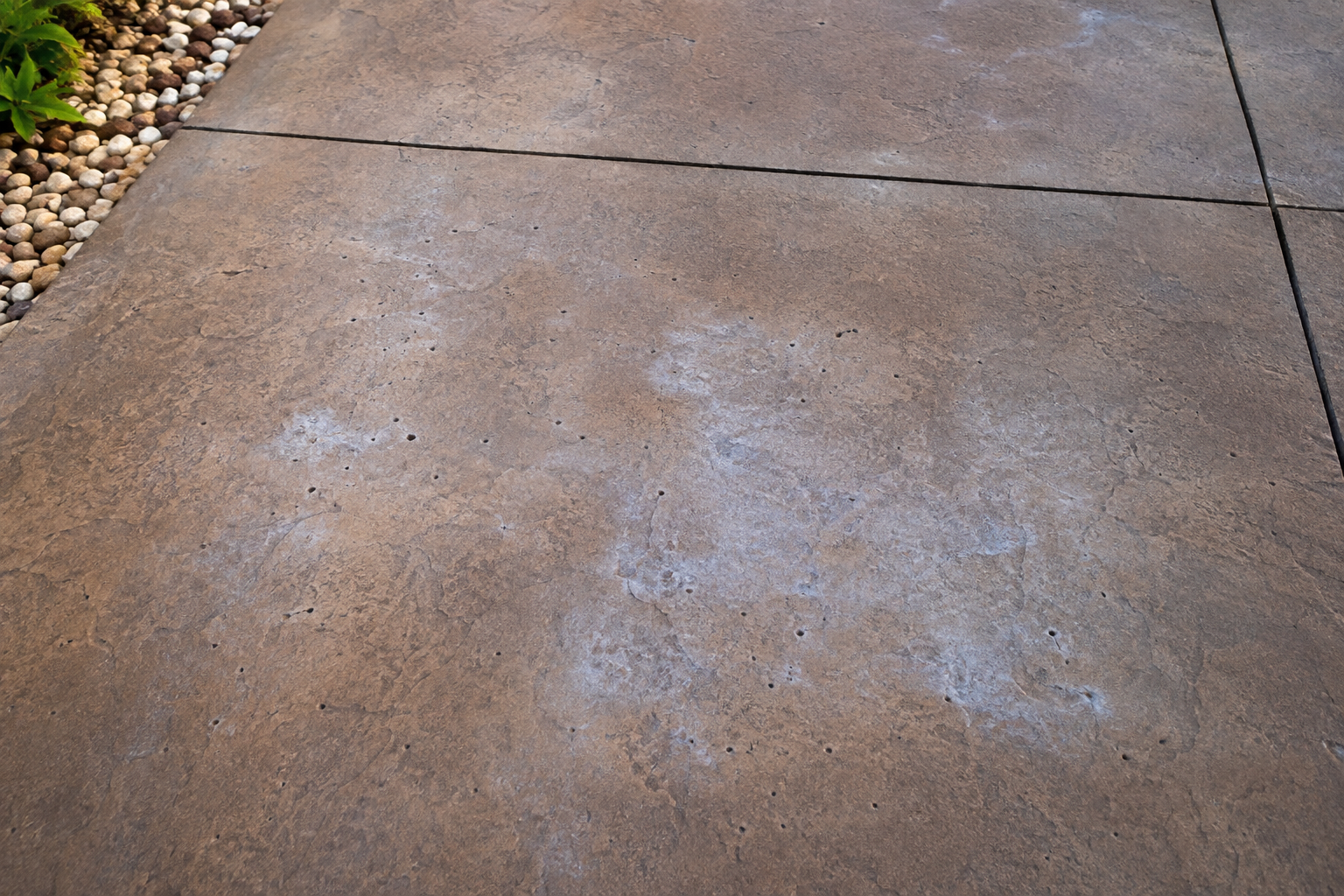
When you apply acrylic sealers to concrete, several factors can create visible defects. High humidity during application traps moisture beneath the surface. Temperature changes cause the sealer to cure too quickly. Over-application creates thick spots where air gets trapped. Each of these issues leads to the cloudy, white appearance known as blushing.
Moisture entrapment solutions become necessary when water vapor gets sealed beneath the acrylic film. As the sealer cures, this trapped moisture creates a hazy or milky appearance that ruins the clarity you worked hard to achieve.
Recognizing Surface Defects
You'll know you have a problem when you see:
-
Cloudy or milky white patches across the sealed surface
-
Small bubbles trapped in the finish
-
Dull spots that lack the expected gloss
-
Uneven areas where the sealer looks thick or textured
-
Hazing that makes the concrete appear foggy
These defects don't mean you failed. They're common issues that even experienced contractors face when conditions aren't perfect.
How Surface Restore Works for Acrylic Sealer Rejuvenation
The Science Behind the Solution
Surface Restore uses a carefully balanced solvent blend designed for acrylic sealer correction. When you apply it to the affected area, it gently softens the top layer of your existing sealer. This reflow process allows trapped moisture to escape and enables micro-bubble removal as air pockets relax and disappear.
The sealer film re-bonds and levels itself into a smooth, clear finish. You're not adding another coat or covering up the problem. You're actually correcting the existing sealer at a molecular level.
Benefits of Using Surface Restore
This product saves you from expensive and time-consuming tear-outs. Here's what it does for your concrete surface restoration project:
-
Eliminates white spots and cloudiness caused by trapped moisture
-
Restores the original clarity and gloss of your sealer
-
Smooths out small bubbles and textured areas
-
Corrects dull patches and light imperfections
-
Works on both interior and exterior applications
-
Compatible with solvent-based acrylic sealers
Step-by-Step Surface Restore Application Guide
Preparing Your Work Area
Before you begin your blushing and whitening repair, make sure the surface is dry and clean. Check the weather forecast to ensure you'll have good conditions. Avoid applying when rain is expected or when humidity is above 60%.
Gather your supplies:
-
Solvent-resistant pump sprayer
-
Safety glasses and gloves
-
Adequate ventilation (for indoor projects)
-
Clean rags for any drips
Application Process for Best Results
Follow these steps for successful decorative concrete maintenance:
-
Test a small area first. Apply Surface Restore to a hidden spot to confirm compatibility with your sealer.
-
Load your sprayer. Pour Surface Restore into a solvent-resistant pump sprayer. Regular plastic sprayers may dissolve or malfunction.
-
Apply a light mist. Spray an even, light coat across the affected area. Don't over-apply or puddle the product.
-
Let it work. Watch as the product softens the sealer. You'll see the cloudiness begin to clear within minutes.
-
Avoid overworking. Resist the urge to touch or manipulate the surface. Let the reflow process happen naturally.
-
Wait for clarity. Most surfaces clear within 5 to 20 minutes. Severe cases may take longer.
-
Apply a second coat if needed. For stubborn whitening or persistent bubbles, wait until the first application fully cures, then repeat the process.
Tips for Preventing Marble Blush
Prevention saves you repair work later. Keep these sealed concrete care tips in mind for future projects:
-
Check humidity levels before sealing (aim for below 60%)
-
Apply thin, even coats rather than heavy applications
-
Allow proper drying time between coats
-
Avoid sealing in direct sunlight or extreme heat
-
Store your sealer properly to prevent moisture contamination
When to Use Surface Restore
Perfect Applications
This product works best on:
-
Decorative concrete patios showing moisture spots
-
Stamped concrete driveways with white patches
-
Pool decks with hazing from humidity exposure
-
Interior floors with trapped air bubbles
-
Commercial spaces needing quick fixes
-
Any solvent-based acrylic sealed surface with clarity issues
Limitations to Know
Surface Restore is designed for solvent-based acrylic sealers. It won't work on water-based sealers, epoxies, or polyurethanes. If your sealer has completely failed or is peeling, you'll need to strip and reseal rather than use a correction product.
Why Contractors Trust This Solution
Professional concrete contractors choose Surface Restore because it solves problems quickly without callbacks. When a job develops blushing due to unexpected weather changes, this product brings the surface back to specifications.
For DIY enthusiasts and homeowners, it means you can fix mistakes without starting over. You save money on materials and avoid the labor of stripping and resealing.
The product delivers consistent results because it's engineered specifically for acrylic sealer correction. You're using a professional-grade solution that addresses the root cause of the problem rather than masking it.
Maintaining Your Restored Surface
After you've completed your Surface Restore application and the surface looks clear again, proper maintenance keeps it that way. Regular cleaning with pH-neutral cleaners protects the sealer. Reapply a fresh coat of sealer every 1 to 3 years depending on traffic and exposure.
Watch for early signs of wear or new moisture issues. Catching problems early makes them easier to fix. Keep a bottle of Surface Restore on hand for quick touch-ups when needed.
Your concrete investment deserves proper care. With the right products and techniques, you can maintain beautiful, clear sealed surfaces for years to come.
Frequently Asked Questions
What causes blushing on acrylic concrete sealers?
Blushing occurs when moisture gets trapped beneath the sealer during application or curing. High humidity, temperature changes, and over-application create conditions where water vapor can't escape, resulting in a cloudy, white appearance. Poor ventilation and applying sealer over damp concrete also contribute to this problem.
How quickly does Surface Restore work?
Most surfaces begin clearing within 5 to 20 minutes after application. The product softens the acrylic film, allowing trapped moisture and air bubbles to escape naturally. Severe whitening or heavy moisture entrapment may require a second application after the first coat fully cures.
Can I use Surface Restore on water-based sealers?
No, Surface Restore is formulated specifically for solvent-based acrylic sealers. It will not work on water-based sealers, epoxies, polyurethanes, or other coating types. Always verify your sealer type before attempting acrylic sealer correction with this product.
Do I need to strip my sealer before using Surface Restore?
No stripping or sanding is required. Surface Restore works by reflowing your existing sealer, correcting defects without removing the coating. This saves time and money compared to full tear-outs. Only completely failed or peeling sealers require stripping and resealing.
How can I prevent blushing on future sealing projects?
Apply sealer when humidity is below 60%, use thin even coats, and allow proper drying time between applications. Avoid sealing in direct sunlight or extreme temperatures. Always ensure your concrete is completely dry before sealing, and store products properly to prevent moisture contamination.