How Much Concrete Sealer Do I Need? Coverage, Coats & Application Tips
Find out how much concrete sealer you need based on square footage, porosity, coverage rates, and whether your project needs one or two thin coats.
Knowing how much concrete sealer to buy is one of the most important parts of planning a sealing project. Buy too little, and you may end up with thin, under-protected areas. Apply too much at once, and you can create puddles, haze, or an uneven finish.
The right amount depends on your square footage, the porosity and texture of the concrete, the coverage rate of the specific sealer, and whether your project needs one coat or two. This guide will help you estimate the quantity you need and apply it correctly for dependable protection.
Quick Summary
-
Measure your surface in square feet before choosing a sealer quantity.
-
Use the coverage rate listed on the product label or Technical Data Sheet for the specific sealer you are using.
-
Porous, rough, or textured concrete absorbs more sealer than smooth or previously sealed concrete.
-
Two thin coats generally provide more even protection than one heavy coat—thin to win.
-
Never try to make up for low coverage with a thick application; excess sealer can puddle, haze, or trap moisture.
Why Sealer Coverage Matters
Every concrete sealer has a recommended coverage rate, usually expressed in square feet per gallon. That range is not a guarantee: it is a starting point based on normal application conditions.
Your actual coverage can vary based on:
-
Concrete age, texture, and porosity
-
Whether the surface has been sealed before
-
The type of sealer and application method
-
The number of coats you plan to apply
-
Surface exposure, traffic, and weather conditions
Rough, porous concrete uses more material because the sealer absorbs into its open pores. Smooth, dense, or previously sealed concrete usually requires less. Planning from the manufacturer’s coverage range helps you purchase enough material without over-applying it.
How to Calculate How Much Concrete Sealer You Need
Start with a simple calculation:
Total square footage ÷ the product’s coverage rate per gallon = gallons needed per coat
For example, if your patio is 800 square feet and your selected sealer covers approximately 400 square feet per gallon, you will need about 2 gallons for one coat. If the project needs two coats, plan for about 4 gallons total.
Always round up a little—especially for older, porous, heavily textured, or decorative concrete. It is better to have enough material to maintain a consistent application than to run short before the final section.
Check the Coverage Rate for Your Specific Sealer
Coverage varies by formula, so use the information for the product you are actually applying rather than a general estimate. For example, CR-515 Inside Acrylic is formulated for interior concrete floors, while Outside Solvent-Based Acrylic 400 VOC is designed for exterior applications. Each product has its own recommended coverage range, preparation requirements, and application instructions.
Before ordering, review the product label and Technical Data Sheet. If you are staining first, include enough sealer for all required coats after the stain has dried and the surface is ready to protect.
Interior vs. Exterior Sealer Needs
Interior floors and exterior concrete need different types of protection.
Interior concrete, including basements and decorative residential floors, is generally exposed to foot traffic, furniture, routine cleaning, and abrasion. An interior sealer should be chosen for that level of use and applied in thin, even coats.
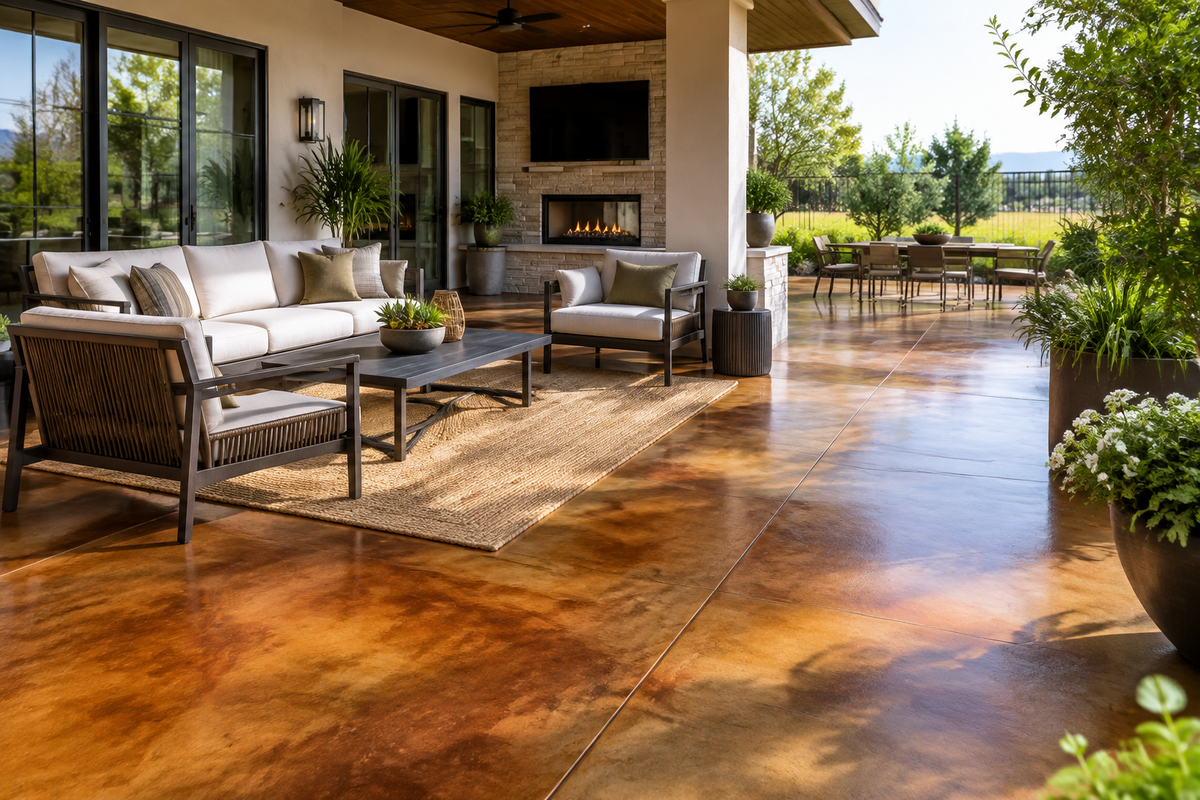
Exterior concrete must handle sun, rain, temperature swings, and freeze-thaw conditions. Patios, walkways, and driveways may also see more dirt, standing water, and vehicle traffic. For these surfaces, two thin coats are often the best way to achieve even coverage and lasting protection.
Is One Coat Enough, or Do You Need Two?
One coat can provide basic protection on some surfaces, but two thin coats are usually the better choice for high-traffic or weather-exposed concrete. The first coat begins to seal the surface; the second coat helps even out coverage and addresses areas that may have absorbed more material.
The important word is thin. Two light, even coats are stronger and more attractive than one heavy coat. A thick coat can lead to puddling, roller marks, a milky or hazy appearance, and moisture entrapment.
Signs You Applied the Right Amount
A properly sealed surface should look consistent, with no heavy puddles, streaks, or tacky areas. Once the sealer has fully dried and cured as directed, the concrete should have an even protective finish appropriate to the product you selected.
Signs of over-application can include:
-
Puddles or darker, heavier-looking areas
-
A cloudy, white, or hazy appearance
-
Uneven sheen or visible roller marks
-
Sticky areas that remain soft longer than expected
Signs that the surface may need another light coat can include visibly uneven absorption or areas that look noticeably less protected than the rest of the concrete. Do not judge protection too soon—always allow the sealer to dry and cure according to its instructions before evaluating the finished surface.
Application Tips for Thin, Even Coverage
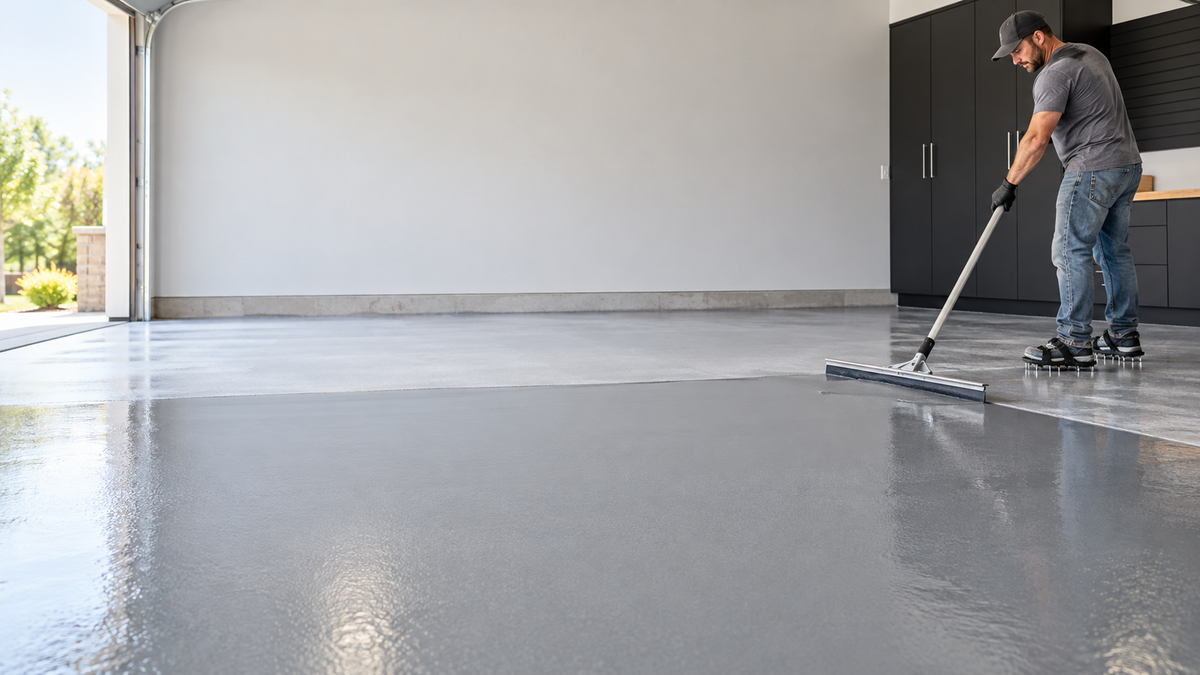
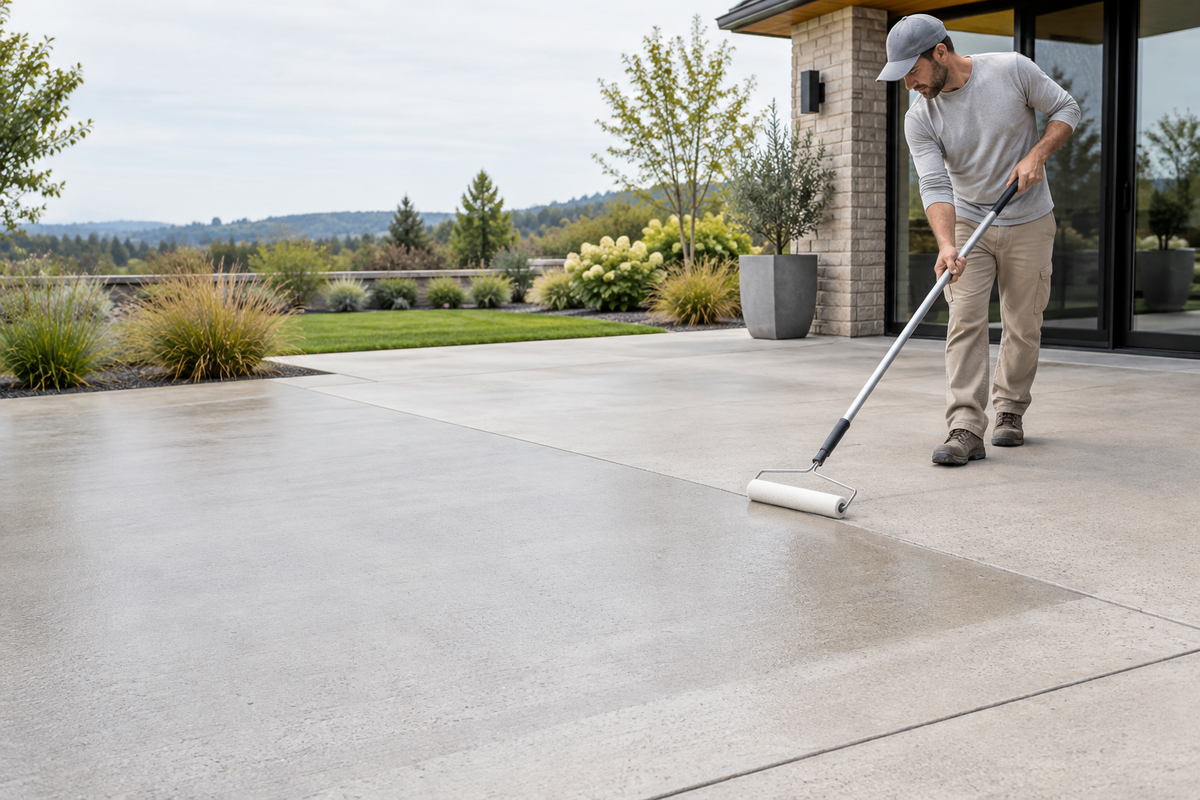
For the best result, apply sealer in manageable sections using the tool recommended for the product, such as a sprayer, roller, or applicator. Maintain a consistent, overlapping pattern so you do not leave dry lines or overloaded areas.
-
Apply in thin, even coats; do not flood the surface.
-
Keep a wet edge while working to reduce lap marks.
-
Backroll when the product instructions call for it.
-
Avoid applying in direct, hot sun or conditions outside the product’s recommended temperature range.
-
Follow the product’s recoat window and drying times exactly.
Thin to win: if you are deciding between a little more product in one coat or a second light coat, choose the second light coat.
Get the Right Amount From Concrete Resurrection
The best way to buy the right amount of concrete sealer is to measure your square footage, review your product’s stated coverage rate, and allow for the number of coats your surface needs. Whether you are sealing an interior decorative floor with CR-515 Inside Acrylic or protecting exterior concrete with Outside Solvent-Based Acrylic 400 VOC, the correct coverage and thin, even application make a real difference.
If you are unsure how much sealer your project needs, contact our team before you order. We can help you choose a product and estimate the amount needed for your project.
Frequently Asked Questions
How do I calculate how much concrete sealer I need?
Measure the length and width of each area, multiply them to find square footage, then divide the total by the stated coverage rate per gallon for your specific sealer. Multiply that amount by the number of coats you plan to apply, then round up slightly for porous or textured concrete.
Do interior and exterior sealers require different amounts of coverage?
Coverage depends primarily on the specific product and the porosity of the concrete. Interior and exterior surfaces often use different sealer formulas, so always follow the coverage rate and application instructions for the exact product you choose.
What happens if I apply too much sealer?
Over-application can cause puddling, uneven sheen, haze, or moisture entrapment. Apply thin, even coats and avoid trying to build protection with one heavy application.
Is one coat of sealer enough for a driveway?
One coat may provide basic protection, but two thin coats are generally the better choice for driveways and other high-traffic or weather-exposed surfaces. Follow the specific product’s instructions for recoat timing and application rate.